GLP-1 usage by state: Who’s taking, searching and paying in 2026
GLP-1 usage by state peaks in West Virginia, America’s GLP-1 capital, with...

Last Updated: Oct 16, 2026

A grocery list for weight loss provides a structured framework for purchasing foods that support calorie balance, satiety, and nutrient density.
Lean proteins, vegetables, whole grains, and healthy fats are the foundation of sustainable weight management grocery shopping.
A downloadable template eliminates decision fatigue at the store and ensures clinicians’ patients stay aligned with their nutritional goals.
Practitioner-endorsed grocery lists drive patient compliance and reduce the cognitive load of meal planning between appointments.
A ready-to-print template covering all 12 food categories — vegetables, fruits, lean proteins, whole grains, healthy fats, dairy or alternatives, legumes, hydration, fish, vegetarian protein, vegetable oils, and low-calorie snacks — with guidance on foods to limit and practical budget-friendly shopping tips.
Download templateMost patients struggle with weight loss not because they lack willpower, but because the environment – and the grocery store – works against them. A grocery list for weight loss transforms shopping from a high-friction, decision-heavy experience into a straightforward process aligned with evidence-based nutrition.
This guide covers how to build and use a grocery list for weight loss, the food categories that drive sustainable results, and how to pair the template with a structured meal plan.
Whether you’re a practitioner supporting patients’ weight management goals or a practice owner scaling nutritional guidance, this resource gives your team a framework to reduce patient friction at every shopping trip.
Let’s explore how a properly constructed grocery list removes barriers to compliance and accelerates outcomes for your weight loss practice management.
A grocery list for weight loss is a curated shopping guide that prioritizes foods supporting a calorie deficit, promoting satiety, and delivering essential micronutrients. Unlike generic shopping lists, a weight loss-focused list is built around evidence-based nutritional principles: high protein intake, adequate fiber, whole-food carbohydrates, and healthy fat sources.
The template removes the cognitive burden of deciding which foods align with weight loss goals. Instead of patients standing in the aisle reading labels or guessing whether a product “counts,” they follow a pre-vetted list of foods a healthcare professional has already vetted. This structure dramatically improves adherence, particularly for patients early in their weight management journey.
The list also serves a second purpose: it turns the dietary advice from a consultation into a specific shopping action. Many patients leave your practice with clear dietary principles but struggle to translate them into a shopping cart.
A downloadable digital intake form paired with a grocery list template ensures patients arrive home with both knowledge and a concrete action plan.
The template is structured in 12 food categories: vegetables, fruits, lean proteins, whole grains, healthy fats, dairy or alternatives, legumes, hydration, fish, vegetarian protein, vegetable oils, and low-calorie snacks. Each category lists specific items grouped by macronutrient or nutritional role. Follow these five operational steps to make the template work for your patient population.
Weight loss practitioners across multiple specialities use grocery list templates to support patient outcomes. This resource is most effective for:
Practices with strong patient engagement strategies find that downloadable resources like grocery lists.
A wellness practice platform turns templates like this into trackable client programs.
Used well, a grocery list template earns its place through five benefits that compound across the patient’s weight loss journey.
That last benefit scales furthest when the list is delivered and reinforced automatically rather than by hand at every visit.
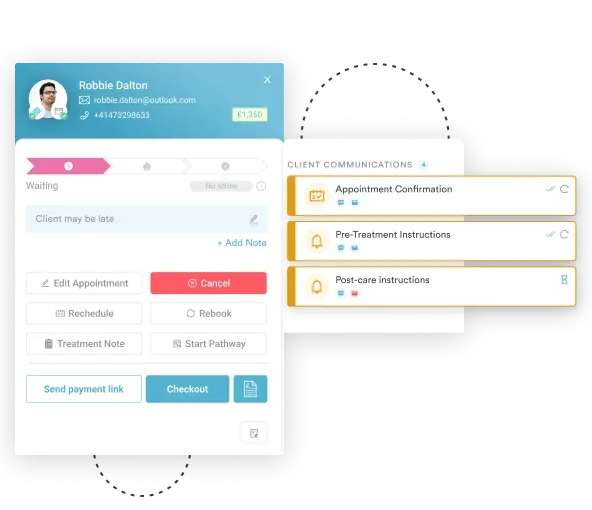
The list works hardest when it stays current, so treat it as a living document rather than a one-time handout.
Track the foods your patients actually buy using their feedback. Over time, you’ll notice which list items generate questions or substitution requests. Update the template quarterly based on what your patients consistently buy – a list aligned with regional eating habits outperforms a generic template every time.
A practical weight loss grocery list organizes foods into functional categories. Each category serves a specific nutritional role: satiety, micronutrient density, sustained energy, or hormonal support.
Low-calorie, high-fiber vegetables are the volume food – they fill the plate without filling the calorie budget. Leafy greens (spinach, kale, lettuce), cruciferous vegetables (broccoli, cauliflower, Brussels sprouts), colored vegetables (bell peppers, carrots, zucchini), and alliums (onions, garlic) all offer dense micronutrient profiles with minimal caloric cost. Aim for at least half the plate at lunch and dinner.
Whole fruits provide fiber, micronutrients, and satiety that juices cannot. Prioritize lower-sugar fruits (berries, citrus, apples) over dried fruits and avoid fruit juices entirely. The fiber in whole fruit slows sugar absorption and supports stable blood glucose. Two servings a day is a reasonable target for most patients.
Protein is the most satiating macronutrient. High-protein meals reduce hunger between eating occasions and preserve lean mass during calorie deficits. Priority items include skinless chicken breast, turkey, and tofu. Encourage patients to include a palm-sized portion of lean protein at each main meal.
Replace refined carbohydrates with whole grains: brown rice, quinoa, oats, whole-wheat bread, sweet potato. These provide sustained energy, fiber, and satiety compared to white bread, white pasta, or sugary cereals. A fist-sized portion per meal is a practical benchmark for most patients.
Fats slow gastric emptying, extend satiety, and support absorption of fat-soluble vitamins. Include nuts and seeds (almonds, walnuts, flax, chia) and avocado. A small handful of nuts or a quarter avocado with meals significantly improves adherence by preventing hunger spikes – aim for one to two servings a day.
Low-fat dairy provides protein and calcium. Choose plain Greek yogurt, cottage cheese, and reduced-fat milk. For plant-based patients, unsweetened soy or almond milk (fortified with calcium) are solid alternatives. Avoid flavored yogurts and sweetened milk – the added sugar undermines weight loss. One to two servings a day is a sensible target.
Chickpeas, lentils, black beans, and kidney beans combine fiber and protein in a single food, which slows digestion and extends satiety more than either nutrient alone. They’re also inexpensive and shelf-stable, making them an easy swap for patients on a tighter grocery budget.
Two to three servings a week works well as a starting frequency, more often for patients eating plant-forward.
Thirst is frequently mistaken for hunger, which can lead to unnecessary snacking. Encourage patients to stock plain water, sparkling water, and unsweetened tea or coffee, and to cut back on sugary drinks and alcohol, which add calories without satiety. A practical daily target is at least eight glasses (or more) of water, adjusted for activity level and climate.
Fatty fish (salmon, mackerel, sardines) and white fish (cod, pollock, tuna) deliver lean protein with a lighter saturated-fat load than red meat, and oily varieties add omega-3s that support cardiovascular health. Recommend two servings a week, prioritizing oily fish at least once.
Quinoa, lentils, tofu, and edamame give vegetarian and flexitarian patients a range of plant-based protein sources, which helps with variety and makes plant-forward meal plans easier to sustain. These pair well with the vegetable and whole grain categories to build a complete plate.
Coconut oil, flaxseed oil, and canola oil are the go-to fats for cooking and dressings. They’re calorie-dense, so portion control matters more here than with whole-food fats – a tablespoon per meal is a reasonable ceiling. Steer patients away from heavily processed oils and reused frying oil.
Rice cakes, air-popped popcorn, raw vegetables with hummus, and hard-boiled eggs help patients get through the stretch between meals without derailing their calorie target. Keeping these pre-portioned (single servings, not a full bag) prevents the mindless snacking that undoes an otherwise solid day of eating.
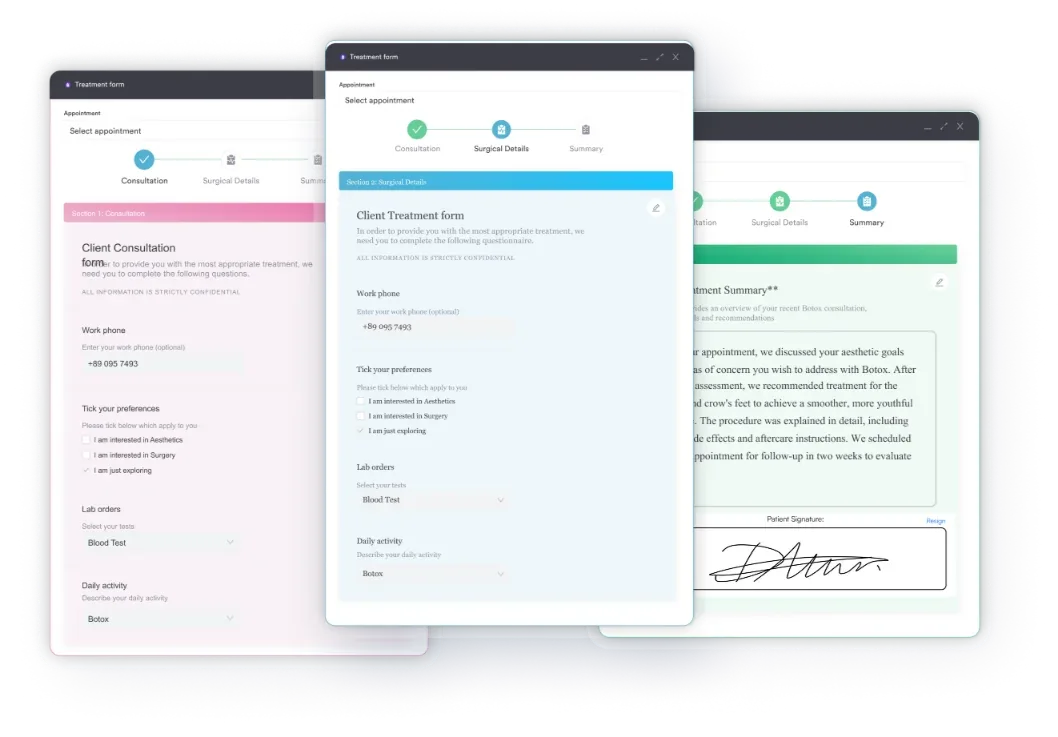
For online patient portal features, you can embed expanded versions of each category within your digital forms, allowing patients to review items pre-shopping and add notes about their preferences or budget constraints.

Pabau’s digital forms and patient portal allow you to deliver customized grocery lists, track patient feedback, and automate nutritional support workflows-all in one platform.

A grocery list is most powerful when paired with a structured meal plan. Without a plan, patients often buy the “right” foods but don’t know how to combine them into meals, leading to waste or reversion to convenience foods. A three-step pairing process fixes this.
Ask your patient to choose three lean proteins they’ll eat this week (e.g. chicken, eggs, salmon). This constrains their shopping and meal prep – they’ll buy enough chicken for Monday/Wednesday/Friday meals, eliminating the paralysis of too many options.
Have them select five vegetables they’ll prepare (roasted broccoli, stir-fried peppers, raw salad greens, steamed zucchini) and two fruits for snacks or breakfasts. This creates a manageable repetition loop – eating similar meals across the week builds habit and prevents decision fatigue.
Use a formula approach: Protein + Vegetable + Whole Grain + Healthy Fat = a weight loss meal. For example, grilled chicken (protein) plus roasted broccoli (vegetable) plus brown rice (whole grain) plus olive oil drizzle (healthy fat). This framework removes the need for recipes – patients can rotate ingredients and still stay within the calorie target.
Document the meal plan inside your patient portal so patients can reference it throughout the week. Sending a mid-week check-in (“How are this week’s meals going?”) reinforces accountability and gives you data to refine recommendations at the next visit.
A well-designed grocery list for weight loss is one of the highest-leverage resources a practitioner can offer. It collapses abstract dietary principles into a concrete shopping action, removes decision fatigue at the point of purchase, and creates a bridge between consultation advice and home behavior change.
When paired with a simple meal plan framework and tracked via patient feedback, the template becomes a living tool that improves with every iteration based on your patient population.
The template you’ve downloaded today is a starting point. Customize it based on your patients’ preferences, regional availability, and budget tier. Pair it with clear service descriptions so your nutritional support offerings are positioned well within your practice. The result is a cohesive patient experience where every touchpoint reinforces alignment with their weight management goals.

Managing a patient’s blood pressure through diet? DASH diet plan gives a structured 7-day meal template with daily servings and sodium targets.
Pairing diet advice with exercise? Weight loss workout plan gives patients a fill-in 7-day log covering strength, HIIT, and cardio days.
Need a low-calorie plan for patients? Dr Now diet plan template caps patients at 1,200 calories across two or three meals a day.
A grocery list for weight loss is a curated shopping guide organized by food category (proteins, vegetables, fruits, grains, fats, dairy) that supports a calorie deficit while ensuring adequate nutrition, satiety, and micronutrient intake. It removes decision fatigue by pre-vetting foods aligned with weight management goals.
A concrete shopping list transforms abstract dietary advice into specific action. Patients who have a list aligned with their preferences are significantly more likely to purchase the foods discussed in consultation and less likely to revert to convenience options. The list also becomes a touchpoint for follow-up communication.
Yes. Use the template as a base, then highlight or circle the specific foods each patient has agreed to buy. A customized list shows you listened to their preferences and cooking style, increasing perceived value and follow-through. Customization takes 2-3 minutes per patient but significantly improves outcomes.
Absolutely. In fact, pairing the list with a simple meal framework (protein + vegetable + grain + fat = one meal) dramatically improves outcomes. Patients have both the ingredients to buy AND a clear usage template, eliminating the “I have healthy foods but don’t know what to do with them” barrier.
Send the template via your patient portal after the consultation. You can also embed it within intake forms asking about dietary preferences, allowing patients to mark items they’ll definitely buy, items they’ll try, and items they’ll skip. This customization data then informs your recommendations at follow-up.
For most patients, a category-based list without individual calorie counts is cleaner and less intimidating. Calorie information can create orthorexic thinking patterns in some patients. Instead, emphasize portion sizes via the meal framework: a palm-sized portion of protein, a fist-sized portion of carbs, thumb-sized portion of fat per meal, which patients can apply intuitively at home.