HIPAA compliant texting: What you can send patients & how to communicate securely
HIPAA compliant texting is possible when a text holds no protected health inform...

Last Updated: Oct 16, 2026

This template is a 36-item self-assessment adults use to rate their own executive function skills at work.
It scores 12 domains, from response inhibition and working memory to time management and stress tolerance.
Each domain gets three statements rated 1 to 5, so results show a pattern of strengths and weaknesses, not one single score.
It suits occupational health intake, ADHD-in-adults workflows, and executive coaching baselines, not pediatric evaluation.
Pabau’s client records keep the completed checklist and your notes on it together in one place.
A 36-item self-report checklist covering 12 adult workplace executive function domains, from response inhibition to stress tolerance. Includes a section-by-section scoring summary plus strengths and weaknesses reflection pages.
Download templateA capable employee misses two deadlines in one week, then forgets a promised callback entirely. Nothing about their intelligence changed. What likely shifted is executive function, the mental skill set that governs focus, planning, and follow-through under pressure.
Practices working with adults, across occupational health, ADHD-in-adults intake, or executive coaching, need a fast way to capture that picture. This free executive function assessment template does exactly that. It’s a 36-item self-report checklist, and practice management software like Pabau can store it right alongside every other intake form.
This template is a 36-statement, adult self-report checklist that scores 12 workplace executive function skills on a 1-to-5 scale. Executive function is the mental skill set behind starting tasks, holding information in mind, and adjusting when plans change. Formal cognitive screens test the same skills, and the executive items feed directly into MoCA score interpretation. Reading change across appointments depends on consistent recording, which psychology practice software enforces.
Plenty of executive function tools exist for children. The best known is the BRIEF-2, a caregiver-rated questionnaire built for pediatric ADHD workups. This template is different. An adult completes it themselves, and every item is framed around workplace behavior, not classroom behavior.
Executive function measurement usually falls into three formats: timed performance tests, observer rating scales, and self-report checklists like this one. Self-report works well for adults who can reflect on their own habits. It isn’t a stand-alone diagnostic tool though.
When 36 statements are too many for a first appointment, the 10-item executive dysfunction test offers a shorter self-report screen. A high score signals that formal neuropsychological testing is the next step.
Each of the 12 domains gets three statements, so the full checklist runs to 36 items. Every item uses the same 1-to-5 agreement scale, from strongly disagree to strongly agree. Add the three scores per domain together for one section total.
Notice how broad this list is next to the BRIEF-2, a pediatric tool with 9 clinical scales across 3 indexes. The extra domains, like acute stress tolerance and goal-directed persistence, reflect demands a workplace creates that a classroom simply doesn’t.
A few questions come up often once practices start using this template.
Add the three 1-to-5 ratings in a domain together. That gives a section score between 3 and 15.
The next page pulls every section score into one summary grid, so all 12 appear side by side.
No. It’s a reflection tool, not a normed clinical instrument, so there’s no population cutoff built in. Read the pattern across domains instead of any single number.
Two open text boxes: Strengths and Weaknesses. The client fills these in before you discuss the results together.
Practices that digitize paper scales with software for capturing forms cut scoring errors and filing time.
Four practice types reach for this template most often.
None of these replace a formal diagnostic workup. Clinicians building that workup often keep a neuro exam cheat sheet on hand for the neurological side of the assessment. What the checklist does is give everyone in the room the same starting language before that deeper conversation happens.
Handing over 36 statements sounds like it could eat into a session. It doesn’t, if you build it into the workflow properly.
Compare this quarter’s section scores against the last set, side by side. A jump in the time management score after a coaching block is worth flagging. That holds even if two other domains stayed flat.
Before you hand this to a client, run through a quick check:
The most common mistake is treating one low section score as a diagnosis. A single domain reflects three statements and nothing more. Look for a pattern across several domains first, then talk it through with the client.
Most practices running a checklist like this end up with a scanned PDF in one folder. The notes land in another. That’s fine, until someone else on the team needs the full picture fast.
Practice management software like Pabau keeps the completed assessment, the section scores, and your clinical notes on one client record. Upload the signed PDF once, and it sits next to the intake form and every session note that follows.
Echo AI, Pabau’s AI scribe, can turn your spoken read of the strengths and weaknesses pages into a structured note. It takes seconds, not minutes. When a manager, occupational health provider, or coach needs an update, you export the record. There’s no need to hunt for an attachment.
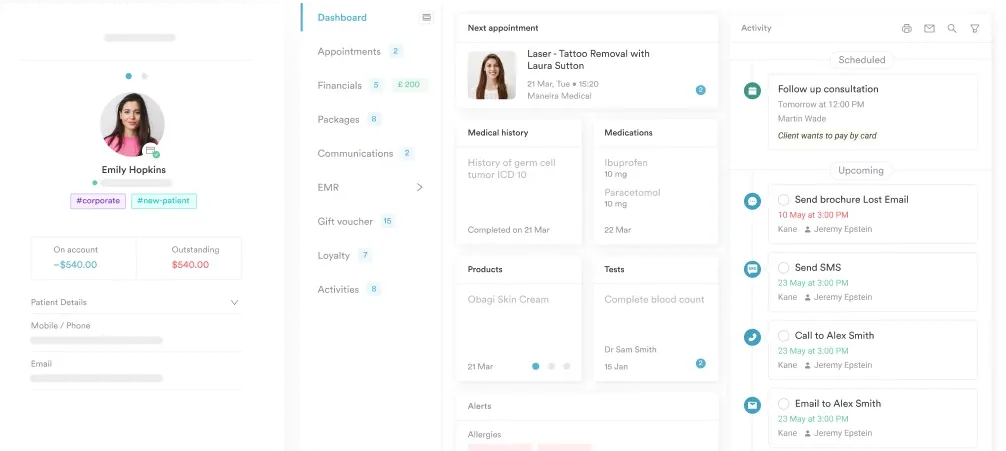
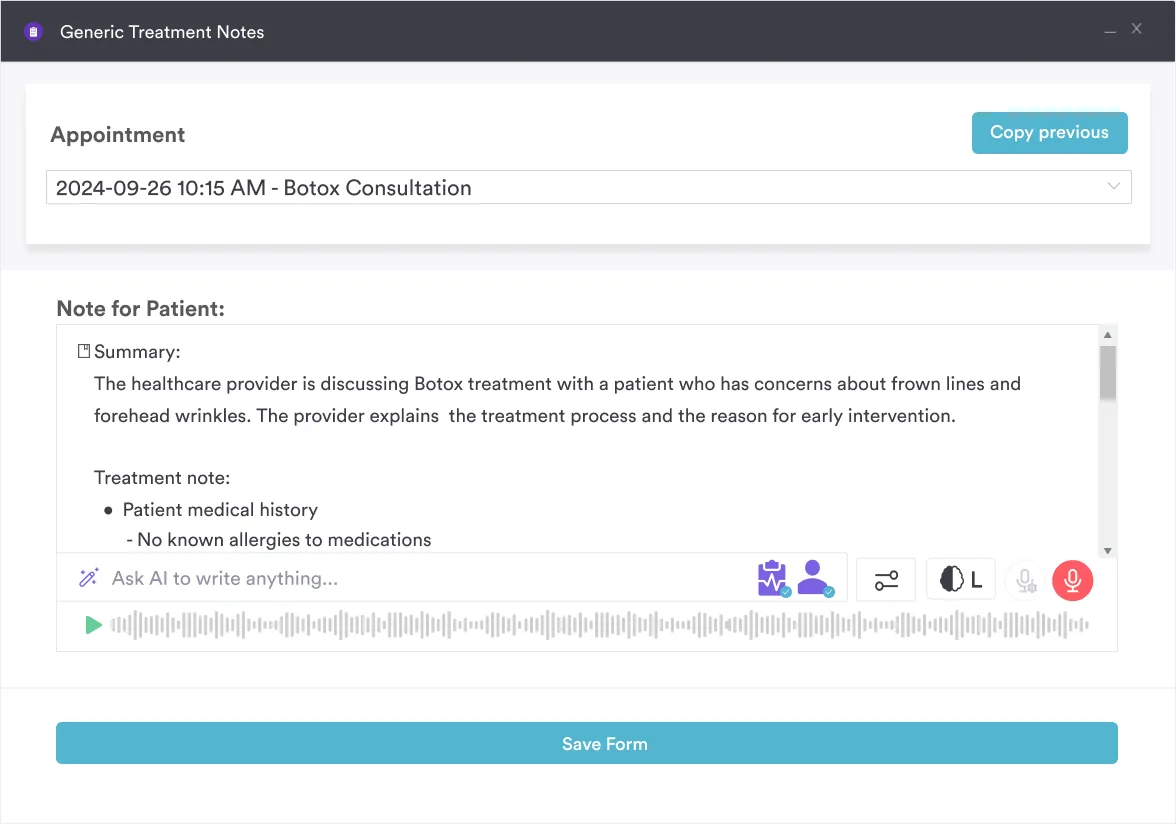

Pabau’s client records and Echo AI store completed assessments, section scores, and follow-up notes in one place, so nothing gets lost between sessions.

A 36-item checklist won’t diagnose anyone. What it does is turn a vague sense that something’s off at work into 12 concrete scores worth discussing.
Treat it as a starting point, not a verdict. Pair the numbers with a real conversation. Revisit the strengths and weaknesses pages whenever a client’s role or workload shifts.
Once these checklists become routine, storing them by hand stops scaling. Book a demo to see how Pabau keeps every assessment, score, and note together in one client record.

Screening an adult for ADHD symptoms? ADHD Self-Assessment Rating Scale is an 18-item questionnaire developed by the WHO to help clinicians recognize ADHD symptoms in adults.
Need another validated adult ADHD screener? Adult ADHD Self Report Scale is a WHO-developed screening tool that helps clinicians structure a full ADHD diagnostic process.
Need consent language before you assess someone? group therapy informed consent covers what to include, such as confidentiality limits, rules, and boundaries.
No. The BRIEF-2 is a caregiver-rated tool built for children. This is a 36-item adult self-report checklist built around workplace behavior.
No. It’s a self-report reflection tool, not a diagnostic instrument. Pair it with a clinical interview and, where appropriate, a validated ADHD-specific measure.
Each section runs from 3 to 15, with no published cutoff. Compare a client’s own scores across domains rather than against a population norm.
A 360 review gathers ratings from colleagues and managers. This checklist is self-report only, so it captures perception rather than observed behavior from others.
Yes, especially after a role change or a coaching program. Comparing strengths and weaknesses pages over time shows whether patterns have actually shifted.