Getting along with siblings worksheet
A getting along with siblings worksheet is a printable that helps children and t...

2
Last Updated: Oct 23, 2026

A coaching intake form collects a client’s goals, background, obstacles, and expectations before session one, so the session itself is spent coaching.
This free template runs to three pages and seven sections, with 12 numbered questions, four personal information fields, and a signature line.
The wording is written for life and personal development coaching, so health and executive coaches need to add their own questions.
The agreement page is an acknowledgment only, so pair the form with a signed coaching contract that sets out fees and cancellation terms.
Digital intake forms in practice management software like Pabau send themselves at booking and file every answer on the client record.
A three-page intake form covering personal information, background, goals and obstacles, previous coaching experience, expectations, a self-assessment, and a signed acknowledgment. Send it to a new client before your first session together.
Download templateA coaching intake form is the first thing a new client fills in for you, and it shapes how your first session goes. Many independent coaches skip it and rely on the opening conversation instead.
That approach spends paid coaching time on background gathering. It also leaves you guessing at goals the client has never had to put in writing.
The template below is free, three pages long, and takes most clients 15 to 20 minutes. This page explains what each section is for, how to adapt the form for your practice, and where intake ends and the coaching agreement begins.
A coaching intake form is a structured questionnaire a new client completes before the first session. It captures their background, current situation, goals, obstacles, and what they expect from coaching.
Unlike an opening conversation, the form asks every client the same questions in the same order. They answer in their own time, with room to think. You read the answers before you meet.
The form also does administrative work. It records the client’s understanding of what coaching covers, sets expectations on scheduling and commitment, and captures a signature.
The download is three pages long and deliberately short. Here is what you get, section by section.
That is 12 numbered questions in total, plus the four personal information fields and the signature block. It is one generic form, not a set of specialty versions.
The wording assumes life and personal development coaching. Section 2 asks what motivated the client to seek out a life coach. Health and executive coaches should reword that line before sending it.
Coaches who send one consistently get four things back.
If you are new to digital tooling, start with what practice management software does before digitizing forms like this.
Treat the file as a starting point rather than a finished form. Five edits make it yours.
Health coaches and wellness practitioners need lifestyle context that this form doesn’t ask for. Three questions cover most of it. Their answers set the pace and the first habit in a health coaching program.
Keep the boundary visible when you add them. Wellness coaching is not medical care, and anything clinical belongs with the client’s physician. A structured plan such as a healthy meal plan is a fine coaching output. Diagnosing or treating a condition is not. Client management software for coaches links the goal set at intake to the review that follows.
Executive coaching happens inside an organization, so the form needs that context. Add three questions.
Ask who is paying, too. When an employer sponsors the coaching, agree upfront what you will and will not report back to them.
The answers only pay off if you work with them. Five habits turn a returned form into a better first session.
Do not edit the returned form. Copy the answers into your session notes instead, so the client’s original starting point survives for comparison later.
The agreement section on page three is an acknowledgment, not a contract. It confirms that the client accepts terms set out elsewhere and commits to the work between sessions. It also states that coaching does not treat any mental or medical condition.
Those terms still need a document of their own. Fees, cancellation windows, confidentiality.
Send the two together. The intake form tells you where the client is starting from, and the agreement tells them how you work.
Emailing a PDF works until you have a dozen clients. Then you’re chasing attachments, retyping answers into your notes, and hunting for the one form you’re sure came back.
Practice management software like Pabau replaces that with a step you never have to remember. Rebuild the seven sections as a digital form once, and it goes out automatically when a client books.
Answers land on the client record, next to session notes and appointment history.
You can also keep more than one version in your library. A health coaching form and an executive coaching form can both sit there, and each client gets the one that matches what they booked.
After the session, Pabau Scribe, our AI scribe, can structure your notes against the goals the client set at intake.
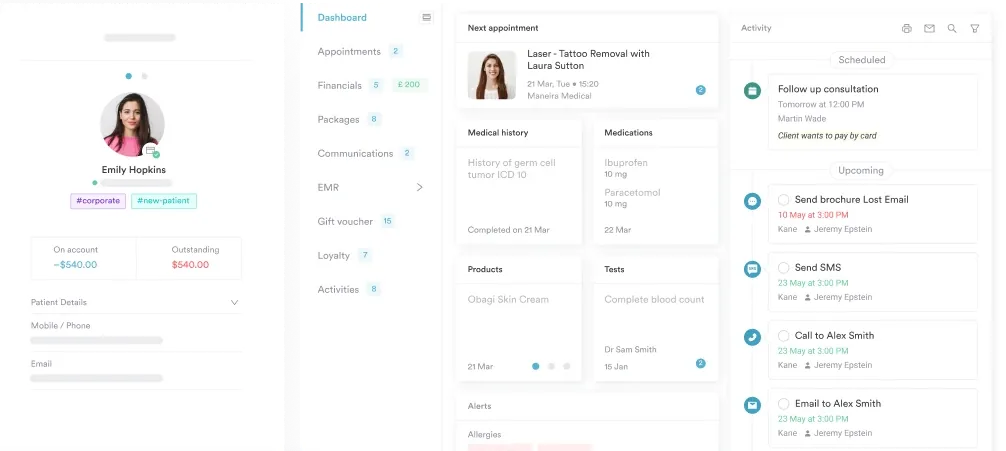

Digital forms go out when a client books, answers file straight onto the client record, and automated reminders follow up on anything unfinished. Your first session starts prepared.

An intake form only earns its pages if you read it before the session, and again a few months in. This one is short enough that both actually happen.
Be clear about what it does not do. It carries no fees, no cancellation policy, and no confidentiality clause, so it never replaces a signed coaching agreement.
Download the template, reword the life coaching lines for the clients you actually serve, and decide who sends it. If the answer is you, by hand, every time, book a demo to see how Pabau sends and files intake forms for you.

Need the contract that sits behind the acknowledgment? The coaching contract template covers fees, cancellation, and confidentiality in full.
Turning intake goals into a plan? The coaching plan template breaks each goal into session-by-session steps.
Writing up the sessions themselves? The coaching notes template keeps a consistent record from session one onward.
Want structured feedback at the end? The coaching evaluation form collects ratings and comments after a session.
Want a deeper self-reflection exercise? The identity worksheet gives clients 20 prompts on values, strengths, and goals.
A coaching intake form should cover background and current situation, goals, the obstacles in the way, previous coaching or therapy experience, and availability. This template adds a short self-assessment and a signed acknowledgment. Specialty questions are yours to add, such as lifestyle habits for health coaching or team size for executive coaching.
The template has 12 numbered questions across seven sections, plus four personal information fields and a signature and date line. It runs to three pages, and most clients finish it in 15 to 20 minutes.
No. One generic form is available on this page, and its wording is written for life and personal development coaching. Adapt it yourself by rewording the life coach reference in section 2 and adding the questions your niche needs.
An intake form moves background gathering out of the paid session. It also sets expectations about the coaching relationship and gives you context to personalize your approach. The client’s goals and commitment end up on record in their own words.
Aim for something a client can finish in 15 to 20 minutes. A form with 30 or more questions feels like homework, and half-finished answers tell you less than a short form completed with care.
The intake form gathers information about the client’s situation, goals, and expectations. The agreement is a contract covering fees, session frequency, cancellation, confidentiality, and the line between coaching and therapy. This template ends with an acknowledgment of those terms, not the terms themselves.
Yes. You can rebuild these seven sections as a digital form in Pabau. It then goes out automatically when a client books, and the answers file on the client record. Automated reminders chase anyone who has not completed the form before their session.
Tell them what you collect, why you need it, and how long you keep it, then record their agreement. Clients in the EU or UK can also ask to see or delete their data under GDPR. Keeping the forms in software with access controls and an audit trail makes both straightforward.