Printable values cards: What they are and how to use them in therapy
Printable values cards are a reflection tool that helps a patient work out which...

14
Last Updated: Sep 30, 2026

A coach agenda is a structured session outline that keeps coaching on track, ensures every key topic is covered, and helps clients feel heard and supported throughout the session.
Effective coach agendas include five core components: opening check-in, topic exploration, outcome definition, action item planning, and progress tracking, supported by detailed session notes.
A session agenda, a coaching plan, and session notes are three separate documents: the agenda runs one session, the plan maps the whole engagement, and the notes record what happened. Knowing which is which stops your paperwork overlapping.
The TOMS framework (Topic, Outcome, Meaning, Success Measure) gives coaches a proven method for building session agendas, and pairs with familiar models like GROW for structuring the conversation itself.
Coaching practice management software like Pabau lets coaches store agenda templates and keep session notes tied to each client record, so nothing gets lost between appointments.
Grab the free template below. Then read on to see how to structure each section and adapt it to your coaching niche. In addition, you’ll learn how to keep your notes organized between sessions.
A structured coaching session agenda template covering check-in, goal setting, exploration, outcome definition, action items, and session notes for professional coaches across all specializations.
Download templateA well-structured coaching session agenda makes the difference between a focused, productive conversation and a rambling one. In practice, without a clear agenda, clients often feel uncertain about what happened. That’s why professional coaches use a coach agenda template. It helps them stay organized, track progress, and deliver consistent value in every session.
This guide covers what a coaching session agenda is, why it matters, and how to build one using proven frameworks. In addition, we’ve included ready-to-use templates for different coaching niches. For example.
A coach agenda is a structured outline that organizes a coaching session from opening to close. Instead of a rigid script, it works as a flexible roadmap. In practice, a good agenda gives both coach and client clarity on what the session will cover. It also clarifies how much time each section takes and what decisions or actions should emerge by the end.
Without a coach agenda template, sessions drift. Coaches run over time, miss key discussion points, or fail to document commitments clients made. As a result, clients leave uncertain whether they made progress or what to do next. With an agenda, however, sessions feel intentional and valuable, which builds trust and keeps clients coming back.
A coaching session agenda runs a single session, while a coaching plan maps the whole engagement across many sessions. Coaches often mix these two up, and they frequently confuse both with session notes too. That’s why it helps to be clear on what each one does before you download a template.
In practice, the three work together. Your coaching plan template sets the destination. The session agenda then structures each step toward it, while your session notes track what happened along the way. For example, a coaching log template or coaching notes on the client record let you see all three together. This saves you from hunting through separate documents.
Every coaching session agenda should contain the same essential sections. This consistency helps coaches and clients develop a rhythm, and it ensures no critical element gets overlooked. In addition, a fixed structure makes your notes far easier to compare from one appointment to the next.
Using digital intake forms alongside your agenda lets coaches capture client information before the session even begins. This frees up session time for coaching instead of administrative questions.
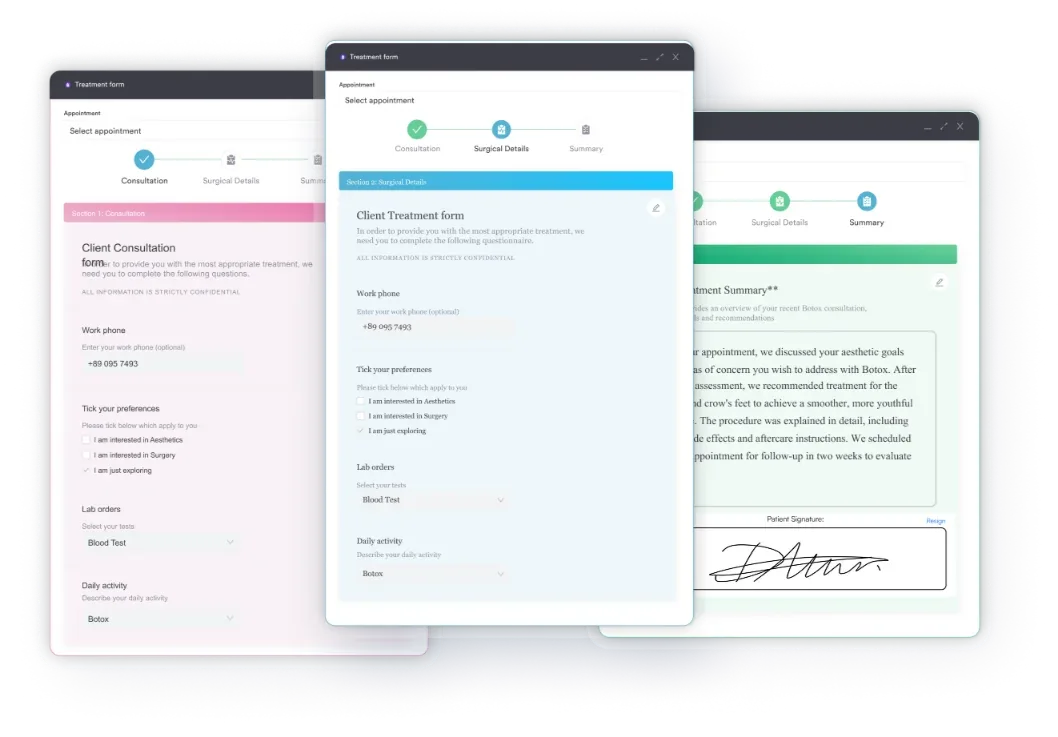
The TOMS framework is a widely-used method for structuring coaching conversations. TOMS stands for Topic, Outcome, Meaning, and Success Measure. Specifically, each letter represents a distinct phase of the coaching session.
Using TOMS in your coach agenda template moves clients from problem-awareness to concrete action, backed by clear motivation and follow-up. The International Coaching Federation (ICF) sets out the core competencies coaches must master. Because of that, a structured framework like TOMS gives you a repeatable way to put them into practice every session.
TOMS is not the only option. You might run sessions on the GROW model (Goal, Reality, Options, Will), or one of its cousins like OSCAR or CLEAR. If so, instead of TOMS, slot that model into the exploration and outcome sections of your agenda.
The agenda handles the timing and flow of the session. The framework, by contrast, handles the conversation inside it. A grow model of coaching template works the same way here. So, pick whichever model your training and clients respond to best, and keep the rest of the agenda structure unchanged.
Different coaching specializations call for different agenda structures. For example, below you’ll find tailored coach agenda template outlines for the most common coaching niches.
Individual coaching is the most common format. A one-to-one coaching template keeps the conversation intimate and focused on the client’s unique situation. In addition, the same structure works well as a life coaching session template, where personal goals take center stage.
As a result, coaches who log notes immediately after each session can quickly spot patterns and adjust their approach.
Health coaches focus on habit change, behavioral outcomes, and sustainable wellness. Specifically, a health coach agenda template includes wellness assessment, habit tracking, and lifestyle goal review. Each session also sits inside a longer plan, and a 12-week coaching program maps what those agendas build toward.
The wellbeing check-in can surface distress that sits outside a coach’s scope. Pause the agenda and refer the client to a licensed mental health professional, who can screen with a validated suicidal ideation scale.
Executive coaches work with leaders on strategic decisions, team dynamics, and professional development. As a result, an executive coaching agenda balances reflection with action-planning.
Group coaching enables peer learning and shared accountability. So, a group coaching template must balance individual airtime with group dynamics and inclusive facilitation.
Your first coaching session sets the foundation for the entire relationship. A first coaching session agenda has to balance rapport-building, expectation-setting, and initial goal discovery. So, plan for more contracting time than a standard session.
Session notes are your record of what happened in the session. Specifically, they capture what you discussed, what the client committed to, and how they’re progressing. That’s why you should always pair a coach agenda template with a session notes process. This can be a simple coaching log template, or notes stored inside your client management system.
Best practice for session notes: write notes immediately after the session while details are still fresh. Include the topics you discussed, the goals you identified, the action items you agreed, and any follow-up needed. A simple coaching session notes template with those same fields keeps every entry consistent. In addition.
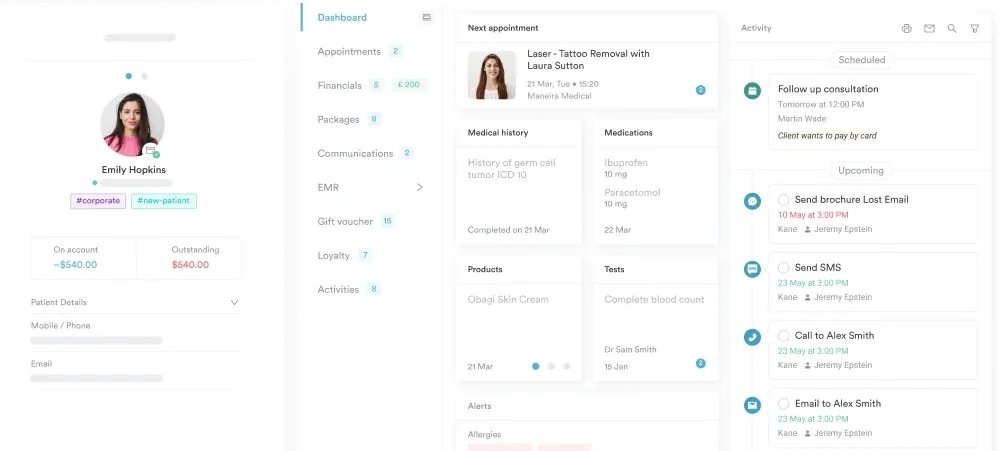
Many coaches use appointment scheduling software that integrates note-taking. As a result, this lets them attach session agendas and notes to each client record in one place.
The free coaching session agenda template above is ready to download as a PDF. Print it, or drop it into Word or Google Docs to edit the wording. Next, customize it for your coaching specialty and use it in every session.
How to customize your coach agenda: start by adding your logo and adjusting time allocations to match your session length. Next, include your own coaching questions or frameworks, like TOMS, and remove any sections that don’t fit your approach.
If you run longer engagements, pair the session agenda with a coaching plan template that maps goals across the program. For tiered engagements. Some coaches also laminate their agenda to use as a reusable reference during sessions.
To streamline your entire coaching practice, from client onboarding through progress tracking, consider coaching practice management software like Pabau. Specifically. It can also automate follow-up so nothing gets missed.
Because agendas and notes sit on the same client record, you can see a client’s full history at a glance. Instead of piecing it together from separate documents, everything is already in one place.
A structured coach agenda is the foundation of professional coaching, not just an administrative extra. Clients who receive sessions with clear agendas report feeling more heard, more motivated, and more confident that they’re making progress. That’s because, when coaches document and track action items, clients follow through.
According to research from the European Mentoring and Coaching Council, or EMCC, structured session frameworks lead to better coaching outcomes. Specifically, coaching relationships that use them show higher client satisfaction and better goal attainment. The template you’ve downloaded embeds those best practices into every conversation.
For example, coaches can share session summaries and action items with clients securely after each session. This reinforces what the client agreed to and keeps them accountable between appointments.
As you put your coaching session agenda template to work, these resources can help you sharpen your practice. In addition, they’ll help you stay current with professional coaching standards.
A structured coach agenda turns coaching from a friendly conversation into a professional, accountable practice. A proven template, grounded in frameworks like TOMS and tailored to your coaching specialty, does more than organize a session. As a result, it signals respect for your clients’ time and commitment to their progress.
Download the coaching session agenda template and customize it for your clients. Next. Ready to take your coaching practice digital? Book a demo of Pabau’s coaching client management system. You’ll see how to organize every session, track progress, and grow your coaching business with confidence.
A complete coaching session agenda includes an opening check-in, progress review from prior sessions, topic selection, exploration and analysis, outcome definition, action item planning, and a closing summary. The TOMS framework (Topic, Outcome, Meaning, Success Measure) provides a proven structure for moving through these phases.
Structure a coaching session in three stages: open by building rapport and reviewing progress, work through the main topic using a framework like TOMS to explore the issue and define an outcome, then close by agreeing on specific action items and a follow-up. A written agenda keeps each stage on time and makes sure nothing is skipped.
Set a session agenda collaboratively with the client at the start of the session. Ask “What would be most valuable to focus on today?” and agree on a topic, time allocation, and desired outcome before diving into exploration. Use your coach agenda template as a guide to ensure consistent structure.
TOMS is a four-phase coaching structure: Topic (identify the focus), Outcome (define success), Meaning (connect to values), and Success Measure (commit to action and confirm how progress will be tracked). It moves clients from awareness to accountability in one coherent arc.
The 70/30 rule is a guideline that the client should do around 70 percent of the talking and the coach about 30 percent. Building your agenda with plenty of open questions and exploration time keeps the balance tilted toward the client, which is where the insight comes from.
A first session agenda includes welcome and rapport-building, a coaching contract explaining what coaching is and confidentiality, background discovery about the client’s situation, initial goal articulation, success metric definition, and a clear next-steps plan. Expect to spend 20-30 minutes on contracting and context-setting alone.
Yes, but adapt it for group dynamics. Group agendas include opening connection, co-created agenda-setting with the group, spotlight coaching (working with 1-2 participants while others listen), group reflection, and shared action planning. Allocate less time per individual but ensure everyone has a voice.
Write session notes immediately after each coaching session, including topics discussed, outcomes defined, specific action items with deadlines, and progress against previous goals. Store notes alongside your session agenda in a secure client management system so you can review progress trends over time and maintain continuity.
A coaching plan maps the whole coaching engagement, while a coaching session agenda structures a single session within it. The plan sets the long-term goals and milestones, and each session agenda organizes one appointment toward them. Most coaches keep a coaching plan template for the overall program and a separate agenda template they reuse every session.
Use the GROW model to structure the conversation inside your agenda: set the Goal for the session, examine the current Reality, generate Options, then agree the Will, the actions the client commits to. It slots into the exploration and outcome sections of a session agenda, so you keep your timing and flow while the model guides the discussion.
Ask open, client-led questions that move from awareness to action, such as what would be most valuable to focus on today, what is getting in the way, and what one step the client will commit to before the next session. A good agenda leaves room for exploration questions in the middle, where most of the insight happens.