CRM for chiropractors: how to manage patients, bookings and marketing
A CRM for chiropractors is a patient relationship management system built around...

Last Updated: Oct 13, 2026

The closed fist percussion test screens for vertebral compression fractures across the thoracic and lumbar spine, not just the upper back, with 87.5% sensitivity and 90% specificity.
You perform it standing behind the patient, who faces a mirror. One hand stabilizes the spine while the other delivers a closed-fist percussion down the whole thoracic and lumbar length.
A positive finding is sharp, localized pain during percussion. Skip the test on patients with a known acute fracture, recent spinal surgery, active infection, or extreme spinal fragility.
Pabau’s downloadable template captures one overall positive or negative result plus a free-text notes field, so it drops straight into a spinal assessment workflow inside your clinical records.
A ready-to-use clinical assessment form for the closed fist percussion test, covering the whole thoracic and lumbar spine, with a single overall positive/negative result and a notes field for vertebral compression fracture screening.
Download templateSudden mid-back pain in an older patient always raises the same question: strain, or fracture? The closed fist percussion test can answer it in under two minutes, no imaging required. Stand the patient at a mirror. Tap down the spine with a closed fist, and read the wince as you go.
Skip this step, and one of two things happens. Either you scan everyone who mentions back pain, or you miss a fracture hiding behind a diagnosis of muscle strain.
Get the technique and the scope right, covering both thoracic and lumbar levels. It becomes one of the fastest, cheapest screens in your spinal exam. Here’s how it works, what a positive means, and where clinicians most often get it wrong.
The closed fist percussion test is a physical exam technique that screens for osteoporotic vertebral compression fractures anywhere across the thoracic and lumbar spine. You apply percussive force down the length of the spine. If a vertebra has fractured, the patient feels a sharp, localized pain right at that level. A GP practice managing chronic conditions needs the trend, not the latest reading alone.
It earns a place in a fast screen because it needs no equipment and takes under two minutes. Most clinicians reach for it in patients over 50 with osteoporosis risk factors. That means postmenopausal women, anyone on long-term corticosteroids, and patients with a prior fragility fracture.
A physical therapy EMR system that builds this screening into digital forms ties the result straight to the patient’s history. That link matters more than it sounds. The next clinician who opens the chart should see the flag immediately, not dig for it.
Add the percussion test to routine spinal screening for these patient groups:
The test is non-invasive and safe in most contexts, which makes it a reasonable first-line screen before ordering imaging. That said, specific contraindications exist, covered further down.
Built into digital intake forms and assessment templates, the percussion test becomes part of a standardized spinal screening protocol. No high-risk patient slips through.

Follow these steps for a reproducible result:
The whole pass typically takes 60 to 90 seconds. Log your finding using the downloadable template below.
Teams using software to manage patient records can pull up prior scores before every reassessment.
Interpreting the closed fist percussion test is simple, once you know what to look for.
A positive result suggests a possible fracture, but it isn’t diagnostic on its own. Always correlate it with the clinical picture, imaging, and other exam findings before you settle on a diagnosis.
Diagnostic accuracy for the test comes from a peer-reviewed PubMed Central study, which checked the test against radiologically confirmed fractures. The confirmed-fracture group in that study spanned T10–L5, so these figures reflect the whole-spine version of the test, not a thoracic-only pass.
Quick take:
The technique looks simple, which is exactly how it gets misread. A few things skew results in daily practice:
Before you document a result, weigh it against the clinical picture. Correlate any positive with age, injury mechanism, and osteoporosis risk before ordering imaging. And don’t let a negative talk you out of imaging if the mechanism or history still worries you.
The test is generally safe, but skip it in these situations:
Run a brief screen before you percuss at all. Ask about recent falls, severe pain, and imaging history. Folding this screen into your clinical record workflow means you never miss a contraindication.
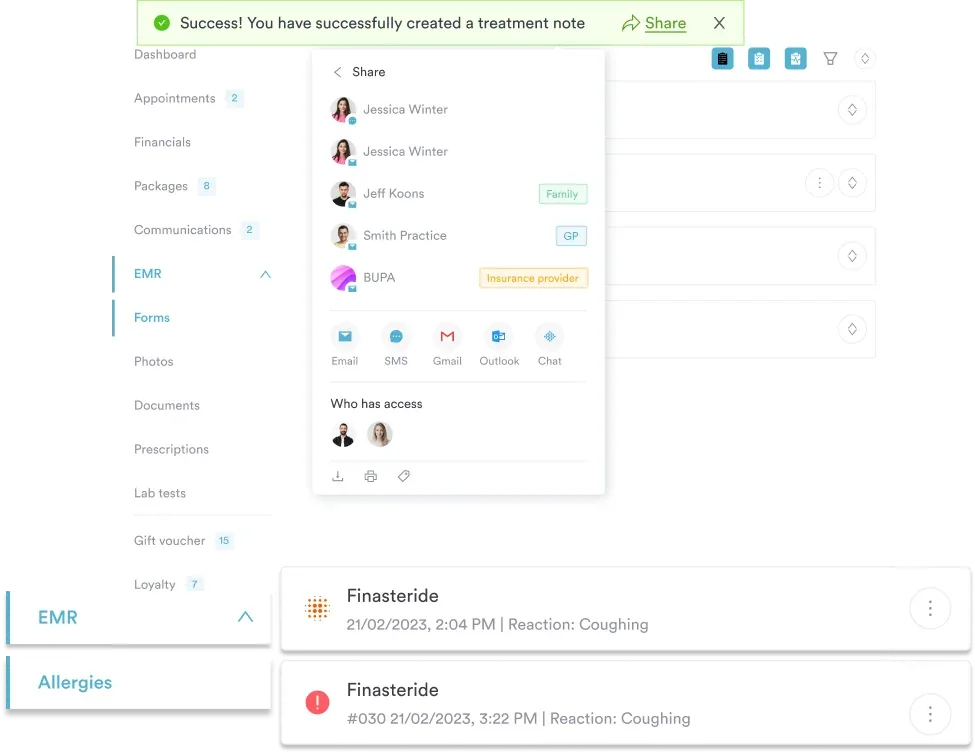

Integrate percussion tests and other screening protocols into your patient records, with built-in safety checks and clear positive or negative documentation.

The downloadable template gives you a structured way to record findings and slot them into the patient’s record. It follows five steps:
Some clinicians expect a box for every vertebra. This template doesn’t work that way. It captures a single overall finding, positive or negative, plus a free-text notes field for exactly where the patient felt pain and how sharp it was.
That’s a deliberate choice. The test is a whole-spine screen, not a segmental map. A positive result means imaging comes next, and imaging localizes the fracture far more precisely than percussion ever could. Save the granular detail for your notes field or the radiology report, not a checkbox grid.
Using a template standardizes documentation, so you can compare findings over time and escalate abnormal results faster. When sports medicine software stores these records digitally, you can track trends across assessments and build a longitudinal fracture-risk profile for each patient.
The closed fist percussion test should never stand alone. It’s one tool in a full spinal screening protocol. Combine it with:
A practice workflow automation system can standardize this multi-step assessment, so every high-risk patient gets the complete screening and no step gets missed.
Combine percussion test findings with a height-loss history question. A patient who has lost 4 cm or more since their peak height around age 20 carries meaningfully higher vertebral fracture risk. Ask about it on your screening form, and treat a positive answer alongside a positive percussion test as your strongest signal to refer for imaging.
The closed fist percussion test earns its place in a spinal work-up because it’s fast, free, and surprisingly accurate for something that takes under two minutes. Run it across the whole thoracic and lumbar spine, patient standing at a mirror, and you get a clear signal for whether imaging needs to happen today.
A test is only as useful as the record you keep of it. Download the template above, log a clear positive or negative every time. Store it somewhere the next clinician will see it.
Pabau keeps that result attached to the patient’s full history. A positive finding then triggers the same imaging conversation, no matter who picks up the chart next.
Book a demo to see how templated assessments fit into Pabau’s broader clinical record.

Documenting a full review of systems? review of systems template provides copy-paste wording for 14 organ systems under the 2021 E/M rules.
Turning and positioning a bedbound patient? patient positions in bed reference covers seven bed positions with indications, contraindications, and turning intervals.
Checking a child’s blood pressure reading? pediatric blood pressure chart helps identify elevated readings and diagnose hypertension early in children.
Helping a patient assess personal hygiene? personal hygiene checklist lets patients self-report on 32 items across eight hygiene topics.
Caring for a patient with pulmonary embolism? pulmonary embolism nursing care plan covers assessment protocols, NANDA diagnoses, interventions, and discharge planning for acute care.
No. Closed-fist percussion also describes the kidney punch test for costovertebral angle tenderness, performed over the flank to screen for renal pathology. This test is done along the spine itself and screens for vertebral fracture, not kidney disease.
Yes, though it’s most useful in patients who carry osteoporosis risk factors. In younger patients without those risk factors, a positive result more often points to trauma or another musculoskeletal cause than a compression fracture.
No. Most compression fractures are managed conservatively, with pain control, bracing, and monitoring. Surgery is reserved for fractures causing neurological compromise or spinal instability.
The percussion test itself isn’t separately billable. It’s bundled into the evaluation and management visit, with any resulting imaging or specialist referral coded on its own.