Free model waiver form + what it is and when your practice needs one
A model waiver form is a signed document that lets a healthcare practice use a p...

5
Last Updated: Sep 29, 2026

AMI Eyes is a PDRN-based skin booster specifically formulated for the delicate periorbital area to treat dark circles, fine lines, and under-eye hollowing.
AMI Eyes requires structured treatment documentation including patient screening for salmon DNA allergy, contraindication assessment, and injection technique recording.
Treatment involves 3 sessions at 2-4 week intervals, with room-temperature storage (do not freeze) and clear aftercare protocols to maximize patient outcomes.
Pabau’s digital consent forms and medical notes allow practitioners to document AMI Eyes treatments systematically, link injection points to patient records, and automate aftercare messaging.
A comprehensive assessment and treatment documentation form for AMI Eyes periorbital procedures, including patient consultation, contraindication screening, treatment planning, consent declarations, injection technique guidance, and post-treatment aftercare protocols.
Download templateAMI Eyes is a polynucleotide (PDRN) skin booster injection treatment designed for the periorbital area. Every AMI Eyes session needs an injection chart, so compare charting tools in our list of the best software for med spas. Whether you’re offering this treatment in an aesthetic practice.
This guide covers everything aesthetic practitioners need to understand about AMI Eyes treatment documentation, contraindication screening, and the clinical templates that support safe, consistent delivery.
AMI Eyes is a PDRN-based under-eye skin booster derived from salmon DNA. The treatment targets the periorbital area – the delicate skin surrounding the eyes – to address cosmetic concerns including dark circles, tear trough hollowing, under-eye puffiness, fine lines, and skin laxity.
Unlike traditional dermal fillers that add volume, AMI Eyes stimulates the skin’s own collagen production and improves hydration through the regenerative properties of polynucleotides.
The mechanism of action relies on PDRN’s biocompatibility and its proven ability to trigger fibroblast activity, increase hyaluronic acid synthesis, and promote tissue repair. This makes it particularly suitable for the thin, reactive periorbital skin where traditional fillers carry higher risks of bruising, swelling, or visible nodules.
Understanding the exact composition of AMI Eyes is critical for your treatment documentation and patient informed consent. Each 2ml syringe of AMI Eyes contains a precisely formulated solution of polynucleotides derived from salmon DNA, combined with a stabilizing agent and saline vehicle.
Record the product batch number, expiration date. This documentation is essential for traceability and regulatory compliance if any adverse events are reported.
AMI Eyes is indicated for a range of periorbital aesthetic concerns. These indications form the basis of your consent form’s patient screening section and help practitioners identify suitable candidates during consultation.
During patient consultation, confirm that the patient’s primary concern falls within these indications. Use your digital consent templates to document which specific indication the patient seeks treatment for. This becomes part of the informed consent record and supports your medical-legal documentation.

A patient management platform stores every completed form against the right patient record automatically.
Safe, consistent AMI Eyes delivery depends on mastering the injection technique and understanding the anatomy of the periorbital region. The under-eye area has unique vascular and nerve anatomy, so improper injection depth or placement can cause bruising, ecchymosis, or aesthetic irregularities.
Practitioners should inject AMI Eyes using a micro-injection technique with a 32G or 30G needle, targeting the superficial dermis at a 15-30 degree angle. Key injection zones include the tear trough area (medial aspect of the lower lid), lateral canthus (crow’s feet region), and the periorbital skin at the orbital margin.
Avoid injection directly into the muscle or subcutaneous fat. Superficial dermal placement ensures optimal PDRN activity and minimizes complications.
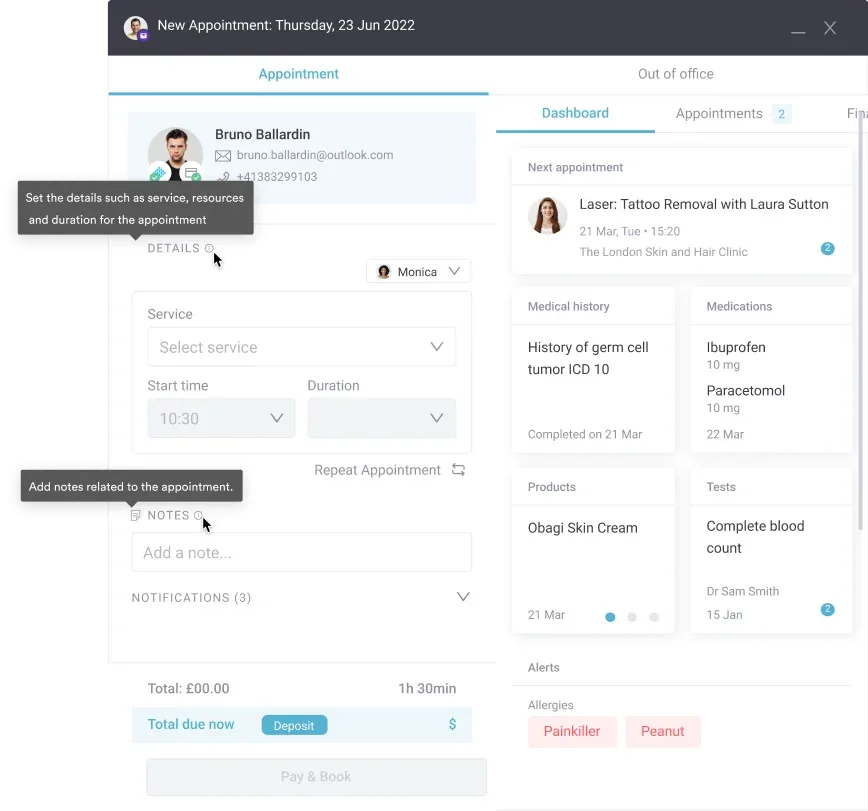
Document the exact injection points and technique in your clinical notes using injection mapping tools tools. Recording the number of injection points, depth, angle, and any patient reactions creates a detailed audit trail and supports continuity of care across multiple treatment sessions.
AMI Eyes follows a structured multi-session protocol. Most practitioners deliver 3 treatment sessions spaced 2-4 weeks apart. Each session uses the full 2ml syringe, administered via micro-injections distributed across the periorbital area. The table below shows timing as cumulative weeks from baseline, not the interval between individual sessions.
Document each session date, dosage used, batch number, and any observations in the patient’s timeline.
Patients seek AMI Eyes treatment for visible, measurable improvements in the eye area. Realistic outcome expectations support informed consent and patient satisfaction. Results typically emerge gradually over the 8-week treatment course and continue to improve in the weeks following the final session as collagen remodeling progresses.
Set realistic timelines during consultation. While some patients see subtle improvements after session 1, the most dramatic results emerge after session 3 and continue through weeks 12-16 post-treatment. Documenting baseline photos (with consent) and follow-up images at weeks 4, 8, and 12 provides objective evidence of treatment efficacy and strengthens your clinical record.
Safe AMI Eyes delivery requires thorough screening for contraindications. Your consent form must include a detailed contraindication checklist covering absolute and relative contraindications.
Absolute contraindications (do NOT treat):
Relative contraindications (assess risk; caution advised):
Salmon DNA allergy is the most critical safety concern. While rare, anaphylaxis to PDRN has been reported in fish-allergic patients. Always ask directly during consultation and document the patient’s allergy history in writing.
Your consent form should explicitly state: “I confirm I have no known allergy to salmon, fish proteins, or PDRN and understand that an allergic reaction, including anaphylaxis, is a possible (though rare) risk of this treatment.”
A professionally drafted consent form is your primary legal protection and demonstrates duty of care. The downloadable AMI Eyes consent template included with this guide covers all essential elements: treatment description, expected benefits, realistic outcomes, common side effects, rare serious risks (including anaphylaxis), contraindication screening, pre-treatment instructions, post-treatment aftercare, and patient signature/dating.
The template is structured for practice workflow – practitioners can print, hand to the patient during consultation, review point-by-point, and collect a signed copy for the medical record.
Alternatively, use medical spa software with built-in digital consent form capabilities to have patients e-sign the form on a tablet during check-in, automatically linking it to their patient record and creating an immutable audit trail.
Post-treatment aftercare is crucial for optimal results and patient safety. The downloadable aftercare template guides patients through the critical 48-72 hours post-injection and provides practical hygiene and activity recommendations for the first two weeks.
Key aftercare points include:
Use automated aftercare messages to send the written aftercare sheet and a follow-up reminder 48 hours post-treatment, reinforcing compliance and demonstrating attentive patient care. This automation reduces admin burden and improves patient satisfaction scores.
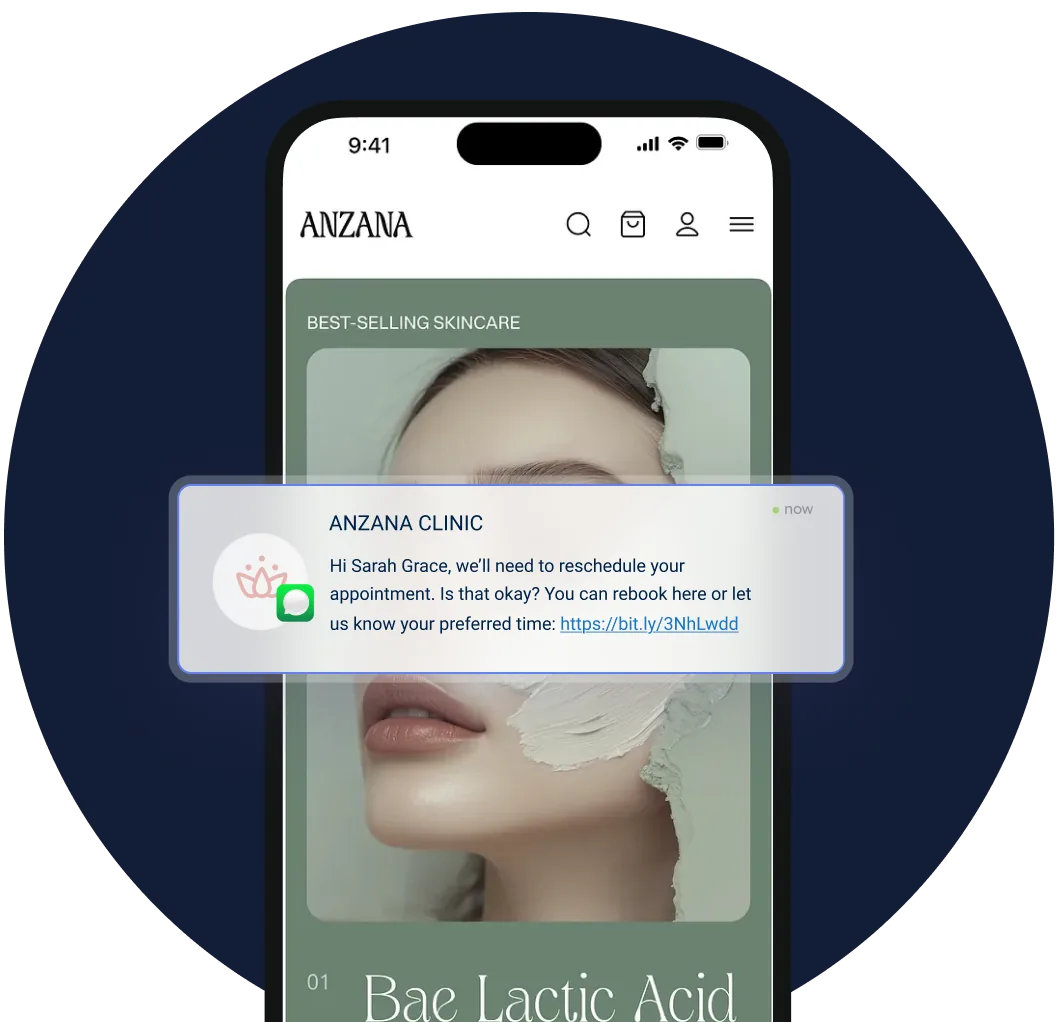
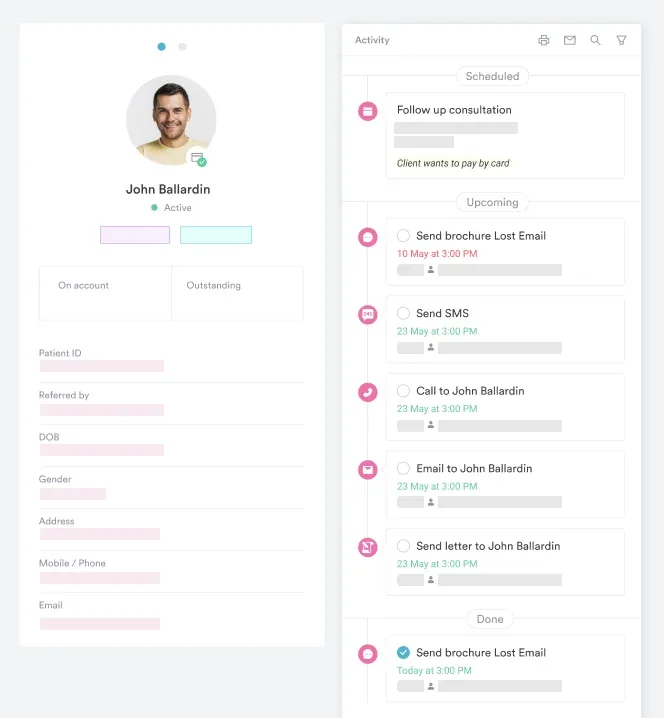
Practice management software like Pabau connects AMI Eyes product knowledge to day-to-day clinical operations. Within Pabau, you can create a custom “AMI Eyes Treatment” service, link the downloadable consent form template to the service, and attach pre-treatment instructions. When a patient books an AMI Eyes appointment online, they receive a pre-treatment checklist via SMS or email 48 hours before arrival.
On treatment day. The system auto-saves and timestamps each entry, creating a medico-legal audit trail. After the session, trigger the automated aftercare email containing the downloadable aftercare sheet and a 48-hour check-in reminder.
For session scheduling: use Pabau’s appointment automation to book the follow-up session at the 2-4 week mark automatically during the first visit check-out. This ensures patients don’t miss the optimal treatment window and complete the full 3-session protocol.
Improper storage degrades PDRN efficacy and compromises patient safety. AMI Eyes is room-temperature stable and should be stored at approximately 1-30°C, in the original, sealed packaging, kept cool and away from direct light. Do NOT freeze. Check the expiration date before each use, and discard any product beyond the printed expiry date.
Once opened or punctured, use the syringe immediately. Do NOT store a partially used syringe for future sessions — each treatment uses a fresh 2ml syringe. Maintaining accurate storage and handling records supports regulatory compliance, particularly if your practice is subject to Care Quality Commission (CQC) inspection.
Document the batch number, storage date, and expiration on each syringe label in your patient’s record. This traceability is essential if any adverse events are reported and must be traced to a specific product batch.
Professional consent forms, treatment protocols, and aftercare templates demonstrate clinical rigor and protect your practice from regulatory and liability risk. They signal to patients that you take safety seriously and have standardized, evidence-based processes in place. Pabau’s downloadable template library spans well beyond aesthetics too.
Whether you print templates on paper or deliver them digitally via patient portal, having a consistent, legally sound template for every aesthetic treatment is non-negotiable in 2026. The same template library includes a microblading consent form for practices that also offer that service.
AMI Eyes is a powerful PDRN treatment for periorbital rejuvenation, but it demands meticulous documentation and patient safety screening. The downloadable consent form and aftercare template provided with this guide cover all essential clinical and legal elements, from contraindication screening to post-treatment expectations.
By combining the template with structured practice management software, you transform isolated product knowledge into a systematic, auditable clinical workflow that protects both your patients and your practice.

Need a data protection plan for your practice? Data protection steps for practices shares five practical steps to reach full data protection compliance.
Want to automate treatment follow-ups? Aesthetic consultation forms guide practitioners on documenting consultations in a way that supports seamless treatment scheduling.
Need a consultation form built for med spas? Med spa consultation form template explains what a consultation form should include to capture health goals and set expectations.
AMI Eyes is a PDRN (polynucleotide) skin booster derived from salmon DNA, specifically formulated to treat dark circles, fine lines, tear trough hollowing, and skin laxity in the periorbital (under-eye) area. It works by stimulating collagen production and improving skin hydration rather than adding volume like traditional fillers.
The standard protocol is 3 sessions spaced 2-4 weeks apart. Most practitioners use one full 2ml syringe per session. Results improve progressively with each session, with the most dramatic improvements visible 4-8 weeks after the final treatment.
Absolute contraindications include salmon or fish allergy (critical – can cause anaphylaxis), active periorbital infection or herpes, recent surgery or aggressive laser in the eye area, pregnancy, and severe immunosuppression. Relative contraindications include concurrent retinoid use, bleeding disorders, and unrealistic expectations. Always screen thoroughly during consultation.
Common side effects are mild and temporary: slight redness, swelling, or bruising for 24-48 hours; minor discomfort during injection; and temporary tightness in the skin. Serious side effects are rare but can include allergic reaction, infection, or vascular occlusion. These should be covered in detail in your consent form and patient education materials.
Record the date, batch number, expiration, storage conditions, injection points, technique, needle gauge, depth, angle, dosage per area, patient reactions, and any complications. Use structured clinical documentation tools or injection mapping software to create an audit trail that supports continuity of care and regulatory compliance.
Blood thinners increase bruising risk but are not an absolute contraindication. Assess the benefit versus risk with each patient. Advise them to pause blood thinners 24 hours before treatment if medically safe (in consultation with their GP), apply ice post-treatment, and expect more pronounced bruising than average patients.