HCPCS code E0198: Water pressure pad billing guide
HCPCS code E0198 is a water pad for a standard mattress HCPCS code E0198 is the ...

Last Updated: Oct 13, 2026
S0166 is the HCPCS Level II code for injection, olanzapine, 2.5 mg. CMS terminated it with effect from 30 September 2023, so it is no longer valid for claims after that date.
S0166 was deleted effective October 1, 2023, per the Q4 2023 HCPCS quarterly update. CMS established J2359 (Injection, olanzapine, 0.5 mg) as the direct replacement. The unit of measure changed from 2.5 mg to 0.5 mg per unit, so billed quantities need converting.
For coders and billing teams working with psychiatric practices or behavioral health facilities, understanding the status and proper handling of HCPCS Code S0166 prevents costly claim rejections.
Let Pabau's smart automation suggest the right codes, reduce claim denials, and keep your practice compliant—effortlessly.
Automate repetitive tasks and focus on what matters most—your patients.
Reduce coding errors and ensure compliance with the latest regulations.
Clean claims, fewer denials, and faster reimbursements.
Powerful insights and reporting to help your practice thrive.
HIPAA compliant SOC 2 certified GDPR-compliant Trusted by 4,000+ clinics worldwide

HCPCS Code S0166 described Injection, olanzapine, 2.5 mg – a Temporary National S-code used mainly by Medicaid managed care and select private payers, not Medicare.
S0166 was deleted effective October 1, 2023, per the Q4 2023 HCPCS quarterly update, so any claim still using it will be rejected.
CMS established J2359 (Injection, olanzapine, 0.5 mg) as the direct replacement, but the unit of measure changed, so billed quantities need converting from the old 2.5 mg basis.
Practice management software like Pabau centralizes claims through a claims dashboard, submits to insurers or by email, validates details before submission, and reconciles payments against insurer-specific price lists.
Olanzapine is an atypical antipsychotic. The FDA has approved the short-acting intramuscular formulation – the one S0166 and its replacement, J2359, bill for – specifically for acute agitation associated with schizophrenia and bipolar I disorder. It’s administered in clinical settings when oral dosing isn’t appropriate or a rapid onset of action is needed.
S0166 covered the 2.5 mg per-unit dose under the HCPCS Level II S-code series. Its replacement, J2359, covers 0.5 mg per unit – a smaller unit size that changes how billed quantities are calculated.
Practices billing for injectable antipsychotics in psychiatric settings should note that S-codes like S0166 were designed as Temporary National Codes. They cover drugs and services the permanent HCPCS Level II code set doesn’t address, and they’re subject to deletion when the code is no longer needed or a permanent code supersedes it.
HCPCS Code S0166 is deleted, effective October 1, 2023 (last valid date September 30, 2023), per the Q4 2023 HCPCS quarterly update. All major HCPCS reference sources, including AAPC, HCPCSData.com, and FindACode, consistently mark this code as no longer active. Submitting a deleted code to any payer will result in an automatic claim rejection.
When a HCPCS code is deleted, payers update their claim processing systems to reject it. Coders who are unaware of the deletion – particularly those working from older superbills or fee schedules – may continue submitting S0166 without realizing claims will fail. A quarterly review of HCPCS updates through the AAPC HCPCS code directory helps catch these changes early.
S0166 is not the only deleted S-code still sitting on old superbills. S0112 was retired in 2004 with no descriptor on file, yet some reference pages still map it to cytarabine.
Audit your superbill or charge capture system at the start of each calendar year and again after each CMS quarterly update. Deleted HCPCS codes like S0166 should be flagged as inactive and removed from payer-specific fee schedules immediately to prevent automatic claim rejections.
S-codes are commonly confused with permanent HCPCS Level II codes. Knowing how they function determines which payers will process a claim submitted under one.
S-codes are Temporary National Codes established and maintained by the Centers for Medicare and Medicaid Services (CMS). Medicaid managed care organizations and select private payers use them to cover drugs and services that permanent HCPCS codes don’t address.
Medicare generally does not recognize HCPCS S-codes, including S0166. Submitting an S-code to Medicare results in rejection. This applies broadly across the S-code series, though coders should verify against current CMS policy for specific exceptions.
Good practice management workflows include maintaining a payer matrix that maps each HCPCS code – including S-codes – to the specific payers that accept them. This prevents teams from submitting S0166 or any S-code to a non-accepting payer. Behavioral health-focused codes like H0001 follow the same logic – confirm Medicaid acceptance before billing.
Understanding how practice management software works makes it clearer where temporary codes fit in your billing system.
Because S0166 is a deleted code, payer coverage is a historical question for most billing teams. Understanding the original coverage landscape still matters when conducting claim audits, correcting historical billing errors, or reviewing past accounts receivable.
For practices working with HIPAA-compliant documentation practices and Medicaid billing, payer-specific coverage policies for injectable antipsychotics continue to evolve. Even when S0166 was active, Medicaid programs in different states applied different rules, making uniform billing guidance difficult.
When S0166 was active, reimbursement for physician-administered drugs like olanzapine injection typically followed an Average Sales Price (ASP) methodology under Medicare Part B. For Medicaid-covered scenarios under S-codes, reimbursement methodology varied by state – some states used ASP, others used actual acquisition cost or a state-defined fee schedule.
Because S0166 is deleted, its ASP-based reimbursement rates are no longer published. For current rates, reference J2359 and check the CMS fee schedule lookup. Its billing unit is 0.5 mg, not 2.5 mg, so factor in the smaller unit size when comparing rates.
For buy-and-bill scenarios, the practice purchases the drug and then seeks reimbursement from the payer. With a deleted code like HCPCS Code S0166.
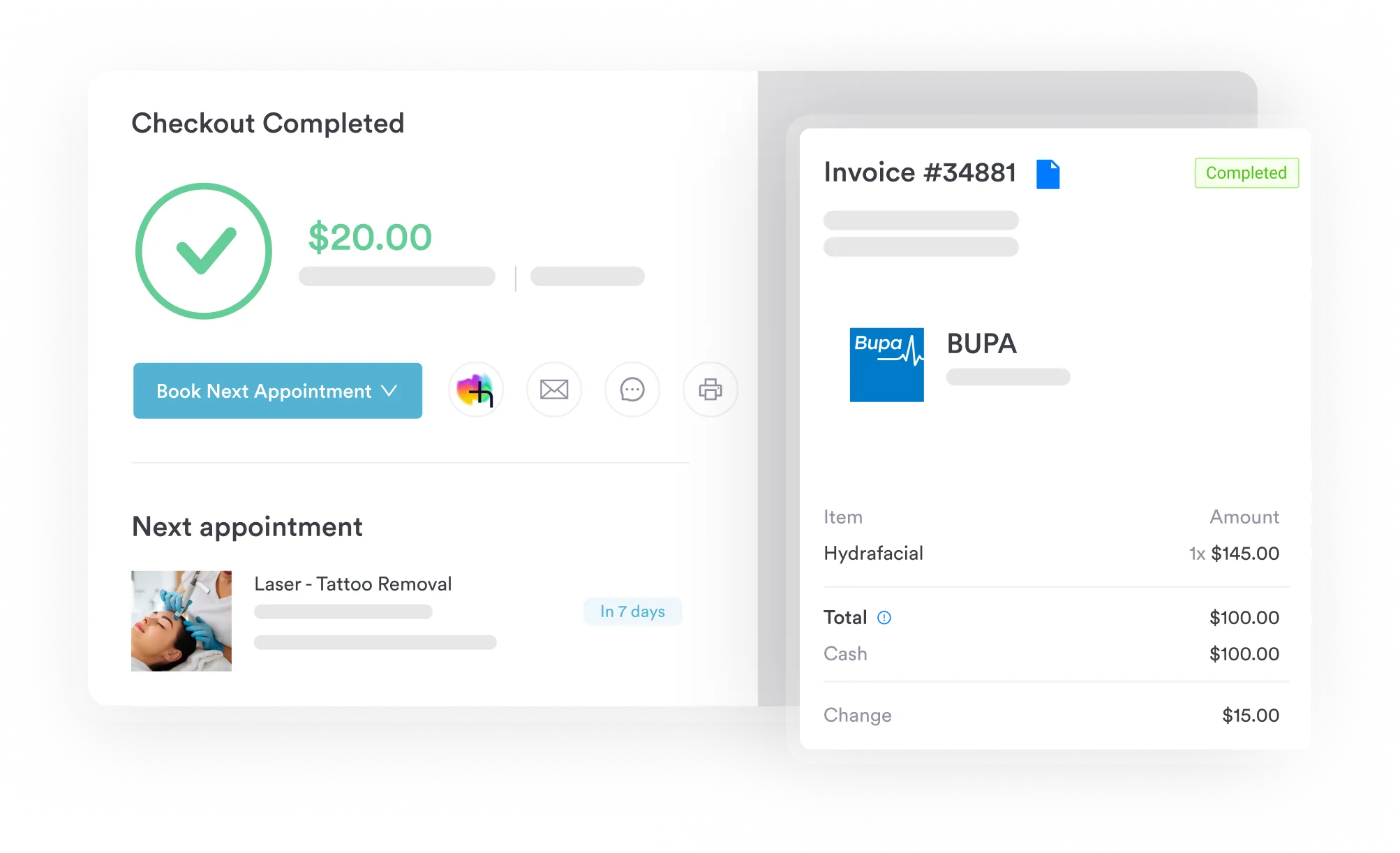
Track drug-specific reimbursement rates quarterly. ASP values update every three months via CMS publications. For olanzapine injection, bill J2359 (0.5 mg per unit) going forward, and audit any open S0166 claims for unit-conversion errors before resubmitting.
National Drug Codes (NDCs) are 10-digit or 11-digit codes assigned by the FDA to identify specific drug products by manufacturer, product, and package size. When billing physician-administered drugs, many payers require both the HCPCS code and the corresponding NDC to validate the claim.
For olanzapine injection, NDC codes vary by manufacturer and formulation. Because the FDA assigns NDCs to individual drug products, multiple NDCs may correspond to the same HCPCS code when different manufacturers produce the same drug. The National Library of Medicine’s HCPCS API provides a searchable interface for cross-referencing HCPCS codes with associated drug data. A paper claim is scanned before it is read, so alignment and legibility affect whether it processes.
Because specific NDC values for olanzapine injection vary by manufacturer and are subject to change, coders should verify current NDCs directly from the FDA NDC Directory or from the drug’s package insert. Stating specific NDCs without confirmed sourcing risks submitting incorrect billing data.
Teams managing standardized medical forms for drug administration should capture NDC information at the point of administration to support accurate claim submission.
When a HCPCS code is deleted, coders need to identify the correct active billing pathway. For HCPCS Code S0166, CMS provided a direct answer: J2359 (Injection, olanzapine, 0.5 mg) is the replacement code, added with the January 2024 OPPS update and assigned to APC 0724.
The unit of measure changed along with the code. S0166 billed in 2.5 mg units; J2359 bills in 0.5 mg units. A claim written on the old 2.5 mg basis needs its billed quantity converted – five times the number of units – or it will underbill or overbill the payer.
The same unit arithmetic applies to other deleted S-codes. S0114 crosswalks to J3285 at two S-code units per J-code unit, which halves the billed quantity instead of raising it.
J2359 is the primary pathway for most payers, but a few scenarios still call for payer-specific verification. J2359 follows the same J-code format used for most physician-administered drugs today.
For most billing scenarios, submit J2359 (0.5 mg per unit) and verify the payer has it loaded correctly. For edge cases, contact the payer directly, provide the drug name, formulation, and dose, and confirm which code or NDC billing method they accept. Reference PGM Billing’s HCPCS lookup tool for a free search of current active HCPCS codes.

Pabau’s claims dashboard helps behavioral health and psychiatric practices submit claims to insurers, validate details before submission, and reconcile payments – all in one platform.

Regardless of which active code replaces S0166 in the billing workflow, documentation requirements for olanzapine injection claims remain consistent across payers. Missing or inadequate documentation is the second most common reason for denials after using incorrect codes.
Teams working with prescription management tools should capture dose, route, and administration details at the point of care so they’re ready for claim submission.
For bipolar patients specifically.
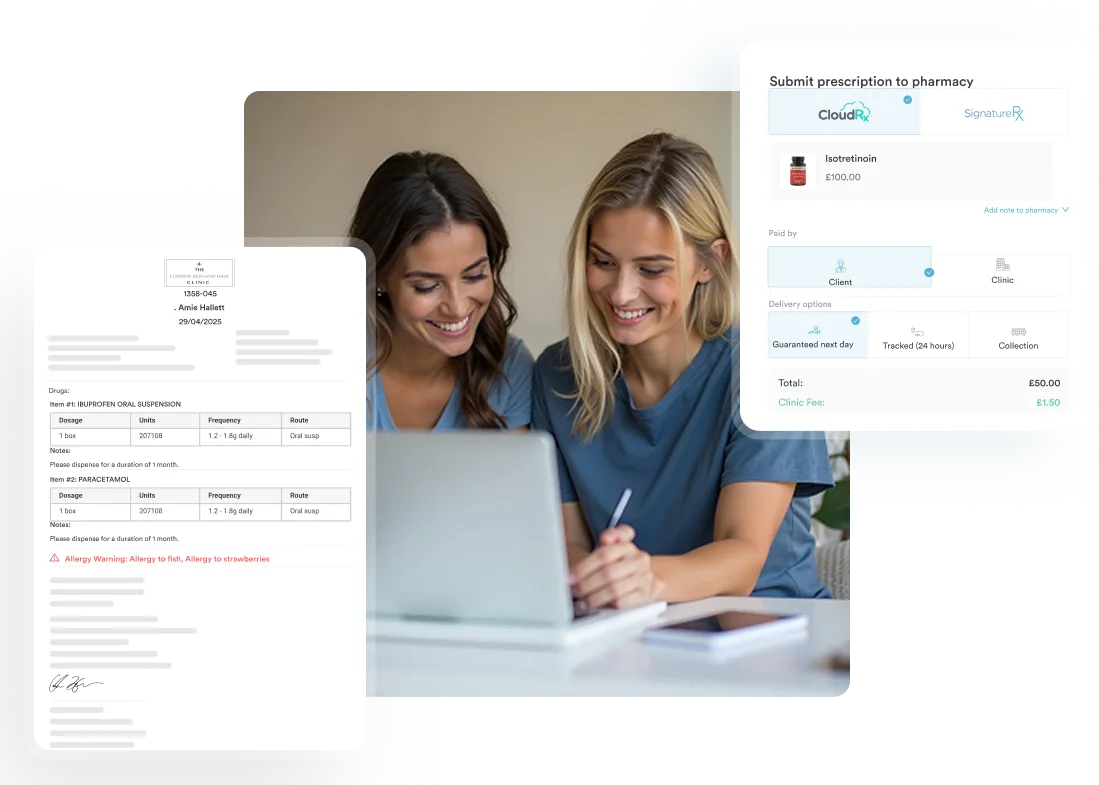
Managing documentation and billing across multiple payers takes coordination, especially when a code like S0166 gets deleted mid-cycle. Practice management software like Pabau brings claims into the same system as clinical documentation, which helps psychiatric and behavioral health practices keep billing organized.
Specifically, Pabau’s claims dashboard supports the following workflows relevant to HCPCS billing:
HCPCS Code S0166 for Injection, olanzapine, 2.5 mg is deleted. Submitting it today results in an automatic claim rejection.
For most payers, that means billing J2359 (0.5 mg per unit) instead – just remember to convert the unit quantity from the old 2.5 mg basis. For edge cases, verify directly with the payer whether they want NDC-based billing or an unlisted drug code instead.
To see how Pabau’s claims dashboard and insurer-specific price lists work for psychiatric and behavioral health billing, book a demo with the team.

Curious how vaccine and biologic injections get coded? 90677 breaks down billing, reimbursement, and modifiers for a comparable injectable claim.
Billing a pleural needle biopsy? pleural biopsy billing guide explains CCSD code T1410 and the prior authorization steps that keep a pleural biopsy claim from being rejected.
Coding for another specialty too? chiropractic billing cheat sheet applies the same crosswalk logic you would use for any deleted or replaced code.
HCPCS Code S0166 is a Level II HCPCS code that describes Injection, olanzapine, 2.5 mg. It belongs to the S-code series of Temporary National Codes maintained by CMS, used primarily by Medicaid managed care organizations and select private payers. The code is currently listed as deleted and inactive.
S0166 is deleted and inactive. All major HCPCS references, including AAPC and HCPCSData.com, confirm this status. Submitting S0166 on any current claim will result in an automatic rejection. Coders should verify the active replacement code or billing pathway with their specific payer before submitting olanzapine injection claims.
No. Medicare generally does not recognize HCPCS S-codes, including S0166. The S-code series is designed for Medicaid managed care and select private payers, not Medicare. Providers billing Medicare for olanzapine injection should identify the appropriate active HCPCS or claim approach per current CMS policy.
Medicaid managed care organizations are the primary payers that recognize HCPCS S-codes. Some commercial and private insurers also accept S-codes depending on their contracts. Medicare generally does not. Because S0166 is now deleted, acceptance is no longer relevant for current claims; verify the active replacement code with each payer individually.
Bill J2359 (Injection, olanzapine, 0.5 mg) – the direct replacement CMS established for S0166, effective with the January 2024 OPPS update. The unit of measure changed from 2.5 mg to 0.5 mg per unit, so convert the billed quantity accordingly. For edge cases, some payers may still want NDC-based billing or an unlisted drug code (J3490 or J3590) instead, so verify with the payer directly if J2359 is rejected.
NDC codes for olanzapine 2.5 mg injection vary by manufacturer. Multiple manufacturers may produce the same formulation, each with a distinct NDC. Coders should obtain the specific NDC from the drug’s package insert or the FDA NDC Directory and submit it alongside the active billing code per payer requirements.