

CCSD code G5100: Bypass of duodenum billing guide
CCSD code G5100 bills a bypass that leaves the duodenum in place CCSD code G5100...

Last Updated: Oct 16, 2026
K0005 is the HCPCS Level II code for ultralightweight wheelchair.
DME suppliers and billers who understand the exact documentation Medicare requires, including the ATP mandate in effect since March 1, 2013, avoid the most common and costly claim errors.
Let Pabau's smart automation suggest the right codes, reduce claim denials, and keep your practice compliant—effortlessly.
Automate repetitive tasks and focus on what matters most—your patients.
Reduce coding errors and ensure compliance with the latest regulations.
Clean claims, fewer denials, and faster reimbursements.
Powerful insights and reporting to help your practice thrive.
HIPAA compliant SOC 2 certified GDPR-compliant Trusted by 4,000+ clinics worldwide

HCPCS code K0005 describes an ultralightweight wheelchair with a frame weight under 30 pounds and an adjustable rear axle position, billed under Medicare Part B as Durable Medical Equipment (DME)
Claims require a face-to-face evaluation, written order, and a certified Assistive Technology Professional (ATP) evaluation per CMS Policy Article A52497
Missing ATP documentation is the leading cause of K0005 claim denials – document ATP involvement in full before submitting
Practice management software like Pabau helps billers keep K0005, supporting ICD-10 codes, and ATP evaluation notes attached to the patient record, without switching tools
HCPCS code K0005 is the billing code for an ultralightweight wheelchair, defined by the Centers for Medicare and Medicaid Services (CMS) as a manual wheelchair base with a frame weight under 30 pounds, an adjustable rear axle position (horizontal and vertical) for propulsion efficiency, and a lifetime warranty on the frame and crossbraces.
It falls under the Durable Medical Equipment (DME) category and is covered by Medicare Part B when medical necessity criteria are met.
The HCPCS K-series runs from K0001 through K0009, covering the full range of manual wheelchair bases. K0005 is the highest classification among manual chairs, reserved for patients whose functional mobility needs cannot be met by lighter-duty options like K0001 (standard) or K0004 (high-strength, lightweight).
Medicare Part B covers K0005 under its DME benefit when the patient meets specific medical necessity criteria outlined in CMS Policy Article A52497. However, coverage is not automatic. The treating physician and DME supplier must jointly document that the beneficiary’s condition requires an ultralightweight wheelchair specifically, and that a standard or lightweight chair would be insufficient.
The patient must have a mobility limitation that significantly impairs their ability to participate in mobility-related activities of daily living. That limitation must be due to a neurological, musculoskeletal, or other medical condition. Medicare also requires that the patient’s home environment can accommodate the wheelchair and that the prescribed chair is the least costly alternative that meets the patient’s functional needs.
Key indications from CMS A52497 that support K0005 coverage:
Ensure the patient record reflects all clinical findings that support these indications. Vague documentation like “patient needs wheelchair” does not satisfy CMS criteria and will result in denial or post-payment audit recovery.
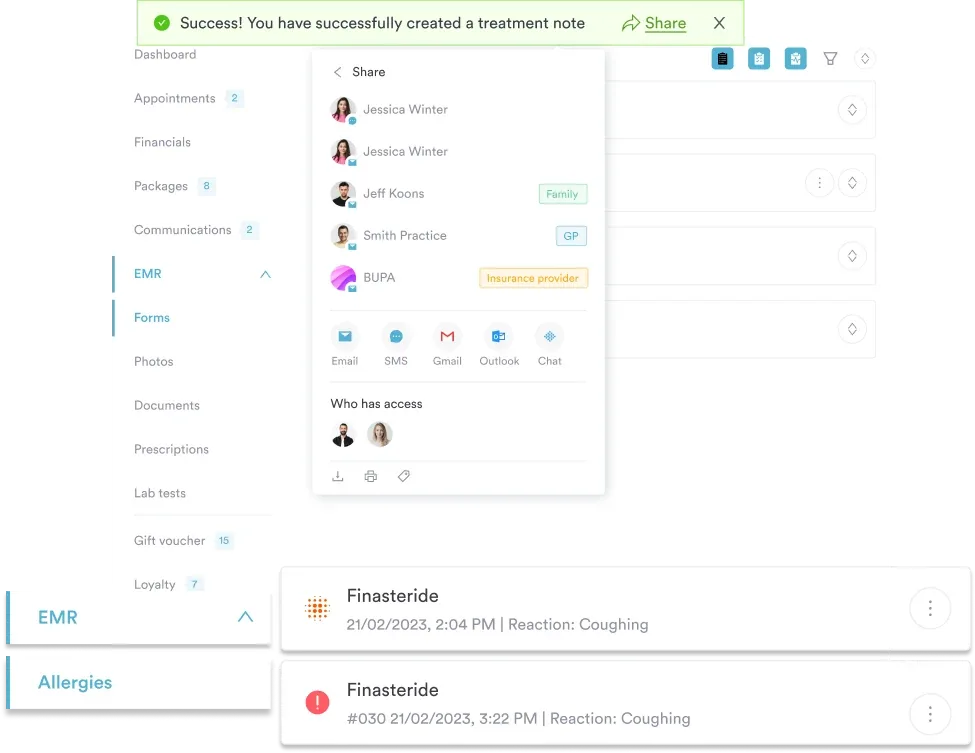
Before submitting a K0005 claim, audit the patient record against the CMS A52497 coverage checklist. The three most audited items are: (1) documented face-to-face evaluation within six months of the order, (2) a written order that includes the specific code and quantity, and (3) ATP evaluation notes for custom configurations. Missing any one of these is the leading cause of post-payment recovery demands.
The 2026 Medicare fee schedule for HCPCS code K0005 varies by Medicare Administrative Contractor (MAC) jurisdiction and geographic area. Rates are set under the DMEPOS fee schedule and updated annually by CMS. Always verify the current allowable with your MAC before billing; the figures below are representative ranges based on available 2026 DMEPOS data and should not be used as definitive payment amounts.
Palmetto GBA is not a claims-processing MAC for K0005. It’s the national Pricing, Data Analysis and Coding (PDAC) contractor, which verifies HCPCS coding and pricing but does not process or pay DME claims itself.
For the most current K0005 allowable in your jurisdiction, use the CMS DMEPOS fee schedule tool and filter by your MAC region and pricing area. K0005 is excluded from competitive bidding pricing as complex rehabilitation technology, and the competitive bidding program itself has had no active contracts since January 1, 2024.
Keeping HCPCS codes and MAC-jurisdiction details attached to the patient record in practice management software like Pabau helps reduce manual lookup errors when rates vary by region.
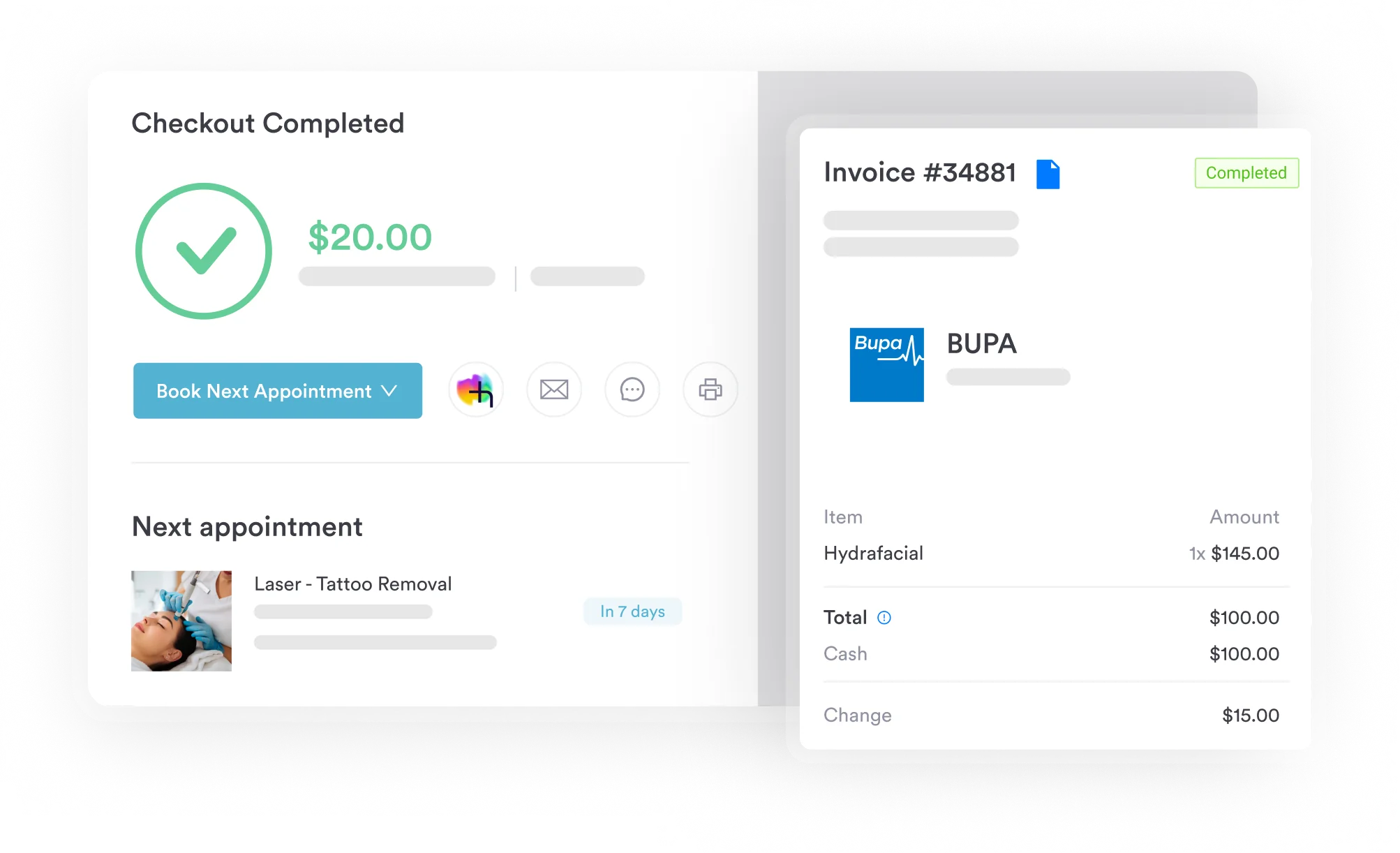

Pabau lets DME suppliers and medical billers attach HCPCS codes, ICD-10 diagnoses, and ATP documentation directly to the patient record, reducing manual transcription errors and keeping medical-necessity documentation organized and audit-ready.

An inventory management tool ties each dispensed item to a patient and a billing code, ending stockroom guesswork.
Thorough documentation is the single biggest factor in whether a K0005 claim pays on first submission. CMS auditors and MACs look for a complete, consistent documentation set that establishes medical necessity, physician oversight, and proper supplier compliance. Keep every document on file for seven years from the date of service.
Required documentation for K0005 claims under CMS A52497:
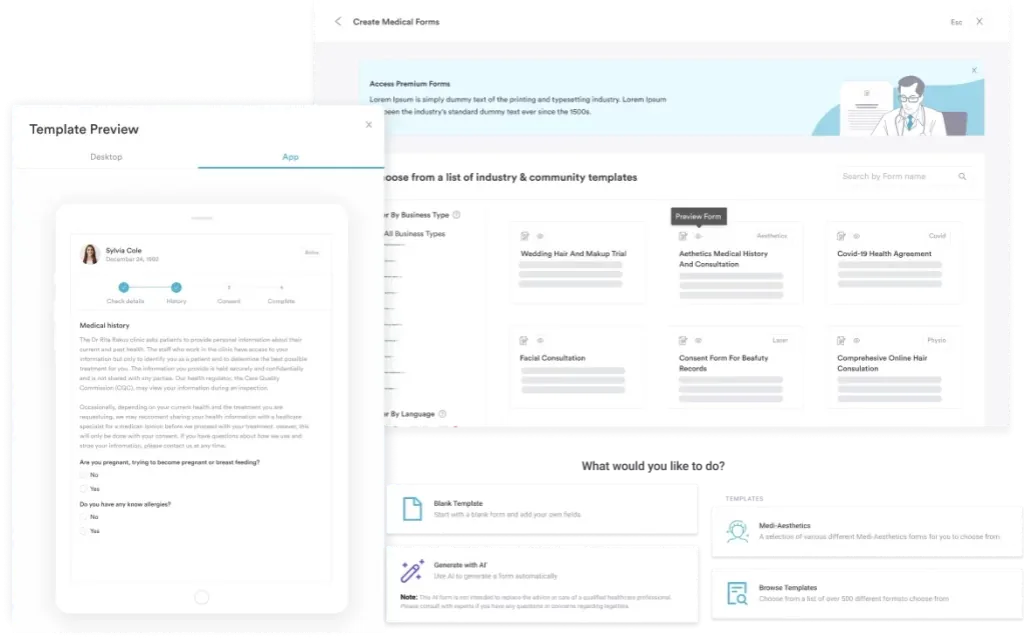
Attaching these documents to the digital patient file at point of care, rather than assembling them retroactively, dramatically reduces the risk of missing items at claim submission. Practices using structured medical forms workflows catch documentation gaps before they become denial reasons.
Since March 1, 2013, CMS has required involvement of a certified Assistive Technology Professional (ATP) for all Medicare K0005 claims involving custom configurations. This is one of the most impactful compliance changes for DME suppliers billing ultralightweight wheelchairs, and non-compliance is an immediate denial trigger.
An ATP is a credentialed rehabilitation technology supplier certified by RESNA (the Rehabilitation Engineering and Assistive Technology Society of North America). Their role is to evaluate the patient’s seating, positioning, and mobility needs and to match those needs to the specific chair configuration. ATPs often coordinate with physical therapy practices and occupational therapy practices to complete this evaluation, since these providers routinely assess seating, positioning, and functional mobility.
To satisfy CMS requirements, the ATP must hold a current RESNA-issued certification and must be directly involved in the evaluation and fitting. ATP credentials must be documented in the patient record alongside the evaluation report.
Without a complete ATP report meeting these criteria, the K0005 claim will be denied regardless of whether all other documentation is present. Track ATP credential expiration dates actively, as an expired ATP certificate invalidates the evaluation. Use a practice management workflow that flags credential expiry to prevent avoidable denials.
Supporting the medical necessity of a K0005 claim requires pairing the HCPCS code with one or more ICD-10 diagnosis codes that establish why the patient needs an ultralightweight wheelchair. The diagnosis must reflect a condition that causes the mobility limitation documented in the face-to-face evaluation.
The table below lists commonly used ICD-10 codes for K0005 claims, based on crosswalk data from AAPC and hcpcsdata.com. Individual patient circumstances determine the appropriate diagnosis code, so always use the most specific code that reflects the patient’s documented condition. This list is illustrative, not exhaustive.
Verify ICD-10 code specificity against the AAPC HCPCS crosswalk and your MAC’s local coverage determination (LCD) for manual wheelchair bases. Some MACs publish specific lists of covered ICD-10 codes, and claims with diagnosis codes not on the LCD list will be denied regardless of clinical justification. For related mobility-limiting spinal cord diagnoses.
The K0004 and K0005 codes are frequently confused, and upcoding (billing K0005 when K0004 is appropriate) is a common audit trigger. The fundamental distinction is frame weight and axle adjustability.
K0004 is a high-strength, lightweight wheelchair with a frame weight under 34 pounds and no adjustable-axle requirement. K0005 is lighter still, at a frame weight under 30 pounds, and adds an adjustable rear axle position (horizontal and vertical) for propulsion efficiency, making it appropriate for full-time manual wheelchair users who need individualized fitting that a K0004 cannot accommodate.
The key question when choosing between K0004 and K0005 is whether the patient’s clinical needs require an adjustable rear axle and individualized fitting that a K0004 cannot accommodate.
If the treating physician documents that the patient is a full-time manual wheelchair user who needs axle, camber, or seat/back angle adjustment, K0005 applies. Conversely, if the patient simply needs a lighter, more portable chair without that level of individualized fitting.
K0005 sits within the K0001-K0009 manual wheelchair base series. Understanding the full range helps billers select the correct code and avoid upcoding or downcoding errors. Pabau’s practice management billing features support the full HCPCS K-series in claims workflows.
Documenting why a lighter-duty base falls short means knowing what each one offers. K0002 is the standard hemi wheelchair, and its seat-to-floor height of 17.5 inches or less lets the patient propel with one foot.
K0005 claims attract auditor attention because the code sits at the top of the manual wheelchair hierarchy. Errors cluster around three areas: missing documentation, wrong code assignment, and ATP non-compliance. None of these are difficult to fix, but all of them require deliberate process controls.
This is the most common denial reason under the ATP mandate, in effect since March 1, 2013. Billers sometimes submit claims where the ATP name appears on the order but the ATP evaluation report is not attached. CMS requires the full evaluation report, not just a signature. Use HIPAA-compliant documentation workflows that flag incomplete file sets before claim submission.
Upcoding K0004 claims as K0005 is a recoverable overpayment under RAC audits. The fix is simple: if the frame doesn’t weigh under 30 pounds and doesn’t have an adjustable rear axle position, it isn’t K0005. Review the comparison table above before every claim.
CMS requires the face-to-face evaluation to occur within a specific timeframe relative to the written order. If the evaluation predates the order by more than six months, or occurs after delivery, the claim fails. Date-stamp all evaluations and orders, and verify the sequence in the patient file before billing. A structured patient compliance documentation process that timestamps each clinical event prevents this error class entirely.
K0005 is complex rehabilitation technology (CRT), which CMS excludes from DMEPOS competitive bidding pricing altogether. On top of that exclusion, the competitive bidding program has had no active contracts since January 1, 2024, and CMS does not expect the next round to start before January 1, 2028, a round that isn’t expected to cover standard manual wheelchairs either.
During this gap period, bill K0005 at the standard, non-CBA DMEPOS fee schedule rate with the gap-period CPI-U adjustment applied, rather than a competitive-bid rate. The CGS coding verification tool can help confirm jurisdiction-specific billing guidance for DME claims.
HCPCS code K0005 is one of the most documentation-intensive codes in the DME wheelchair series. In summary, the ATP mandate (in effect since March 1, 2013), the face-to-face evaluation window, and the ICD-10 crosswalk requirements all create specific audit risk points that billers need to track actively.
Pabau lets DME billing teams attach K0005 supporting documents, ATP evaluation reports, and ICD-10 diagnosis codes directly to the patient record, keeping medical-necessity documentation organized and audit-ready from first contact. See how in a short demo.

Also billing DME accessories? A4638 covers the replacement battery for a patient-owned ear pulse generator billed as a miscellaneous DME accessory.
Working with lower-limb orthoses? L2820 is an HCPCS Level II add-on code for a soft interface component, not a CPT code.
Billing prefabricated supports? A4467 is the correct code for belts, straps, sleeves, and coverings supplied under a payer plan.
HCPCS K0005 identifies an ultralightweight manual wheelchair base under 30 pounds with an adjustable rear axle position, billed to Medicare Part B as DME. Suppliers use it when the patient meets the medical necessity criteria in CMS Policy Article A52497.
Medicare covers K0005 when a documented mobility limitation prevents self-propelling a standard or lightweight wheelchair and requires an adjustable custom-fit frame. The physician documents findings in a face-to-face evaluation and issues a written order before delivery, per CMS Policy Article A52497.
Yes. Since March 1, 2013, CMS has required an Assistive Technology Professional (ATP) to be involved in evaluating and fitting custom K0005 claims. The ATP’s name, RESNA certification number, and evaluation report must be in the claim file; missing ATP documentation drives most denials.
K0004 is a high-strength, lightweight wheelchair with a frame weight under 34 pounds and no adjustable-axle requirement. K0005 is lighter still, under 30 pounds, and requires an adjustable rear axle position, which triggers the ATP documentation requirement. Use K0005 only when the patient is a full-time manual wheelchair user who needs individualized axle, camber, or seat/back-angle fitting; billing it for a non-adjustable chair is upcoding and an audit risk.
Commonly used ICD-10 codes include M62.81 (generalized muscle weakness), G35 (multiple sclerosis), the G80 series (cerebral palsy), G12.21 (ALS), and T91.3 (sequelae of spinal cord injury). Use the most specific documented code and verify against your MAC’s LCD.
Medicaid coverage for K0005 varies by state. Medicare Part B is the primary federal payer, but most state Medicaid programs cover DME wheelchair bases including K0005. Verify each state’s policies, prior authorization, and fee schedule before billing a dually eligible beneficiary.



