

HCPCS code E0198: Water pressure pad billing guide
HCPCS code E0198 is a water pad for a standard mattress HCPCS code E0198 is the ...

Last Updated: Oct 13, 2026
J0275 is the HCPCS Level II code for alprostadil urethral suppository (code may be used for medicare when drug administered under the direct supervision of a physician, not for use when drug is self administered).
Two details decide whether a J0275 claim survives. Medicare Part B treats the drug as self-administered and generally excludes it. And the per-mcg unit math that applies to J0270 does not apply here.
Let Pabau's smart automation suggest the right codes, reduce claim denials, and keep your practice compliant—effortlessly.
Automate repetitive tasks and focus on what matters most—your patients.
Reduce coding errors and ensure compliance with the latest regulations.
Clean claims, fewer denials, and faster reimbursements.
Powerful insights and reporting to help your practice thrive.
HIPAA compliant SOC 2 certified GDPR-compliant Trusted by 4,000+ clinics worldwide

HCPCS Code J0275 describes alprostadil urethral suppository, the intraurethral MUSE pellet prescribed to treat erectile dysfunction.
Viatris discontinued every MUSE presentation in the US in June 2024, and no generic replacement reached the market.
The official J0275 descriptor carries no dosage qualifier. You report one unit for each suppository supplied or administered, whatever its strength.
There is no 125 mcg billing unit for J0275. The per-1.25-mcg math belongs to J0270, the injection form, and applying it here inflates the units billed.
J0275 is generally excluded from Medicare Part B coverage under the self-administered drug (SAD) exclusion, per CMS Article A53066. Institutional exceptions may apply depending on your MAC.
Every claim needs an N52.x ICD-10-CM diagnosis code to establish medical necessity for erectile dysfunction.
HCPCS Code J0275 is a Level II Healthcare Common Procedure Coding System code maintained by the Centers for Medicare and Medicaid Services (CMS).
It represents alprostadil urethral suppository, delivered by the intraurethral route. The strength of the pellet never changes the code you report. Billers at a men’s health practice need the descriptor and the coverage limits in hand before submitting.
The J-code classification places J0275 among drugs administered other than by the oral method. Alprostadil urethral suppository is designed for the patient to insert at home. CMS therefore designates it a self-administered drug in most contexts, which carries the coverage consequences covered next.
Alprostadil is a synthetic prostaglandin E1 (PGE1) that relaxes smooth muscle and increases blood flow. For erectile dysfunction (ED) it has two distinct delivery forms, each with its own HCPCS code. J0275 covers the urethral suppository route, sold as MUSE (Medicated Urethral System for Erection).
A practice running sexual health services alongside urology should record which form was dispensed.
MUSE pellets are inserted into the urethra, where alprostadil crosses the urethral mucosa and diffuses into erectile tissue. The FDA product label lists strengths of 125 mcg, 250 mcg, 500 mcg, and 1000 mcg. None of those numbers feed a unit calculation. A single 500 mcg pellet is one unit of service, not four.
MUSE itself is no longer on the US market. Viatris discontinued every MUSE presentation in June 2024, and no generic alprostadil urethral suppository replaced it.
J0275 remains active in the HCPCS file, so the code still has work to do. It applies to legacy stock dispensed before supplies ran out, to a compounded intraurethral product, and to historical claims still under appeal or audit. For a new prescription, the injectable forms behind J0270 are the practical route.
Recording the strength and the quantity dispensed at the point of prescribing keeps the unit count defensible. A prescription management record ties the dispensed quantity to the claim, so nobody rebuilds it from memory later.

J0275 is indicated specifically for erectile dysfunction. The ICD-10-CM N52 family (male erectile dysfunction) is the required diagnosis category for medical necessity.
A claim submitted without an N52.x code in the primary diagnosis field is likely to be denied, whatever the payer.
Under CMS Article A53066, alprostadil urethral suppository is listed as a self-administered drug (SAD). Medicare Part B generally does not cover drugs a patient can self-administer, because Part B is built for drugs that need clinical administration.
MUSE was intended for home use without clinician involvement, so it falls outside standard Part B coverage in most circumstances.
The exclusion is not absolute. Medicare Administrative Contractors (MACs) can grant exceptions for patients in institutional settings, such as hospital outpatient departments or skilled nursing facilities.
Those exceptions cover cases where the drug cannot practically be self-administered. They are narrow, and they require specific documentation.
Before sending any J0275 claim to Medicare Part B, billing staff should:
For most outpatient urology practices, J0275 will not be reimbursable under Medicare Part B. Private payers and Medicaid work under separate rules. Medicaid coverage varies significantly by state, so check state formulary inclusion before billing rather than assuming it applies.
J0275 may be billable to a private payer, to Medicaid where it is covered, or under a qualifying MAC exception. In each case the claim must carry a diagnosis code from the N52 series. The most commonly used codes are below. Verify them against the relevant MAC LCD or payer policy first, because covered diagnosis lists vary.
J0275 is almost always excluded from Medicare Part B under the SAD exclusion. The data below therefore matters most for private payer negotiations, covered Medicaid programs, and the narrow institutional exceptions above.
Medicare Part B pricing for J0275 is based on the Average Sales Price (ASP) methodology. Confirm the applicable pricing indicator in the current CMS HCPCS file, because methodology varies by code status.
The CMS Physician Fee Schedule carries verified 2026 allowable amounts by MAC jurisdiction.
All rate figures are reference estimates only. Actual reimbursement depends on the payer contract, geographic location, MAC jurisdiction, and plan year. Never present a fee schedule estimate to a patient as a guaranteed payment amount.
Even where Medicare does not cover J0275, correct claim preparation still matters for private payers, Medicaid, and exception scenarios. A claims management workflow catches submission errors before the claim leaves the practice. Electronic claims leave the practice as an 837 file, so a coding error becomes a rejection at the clearinghouse.
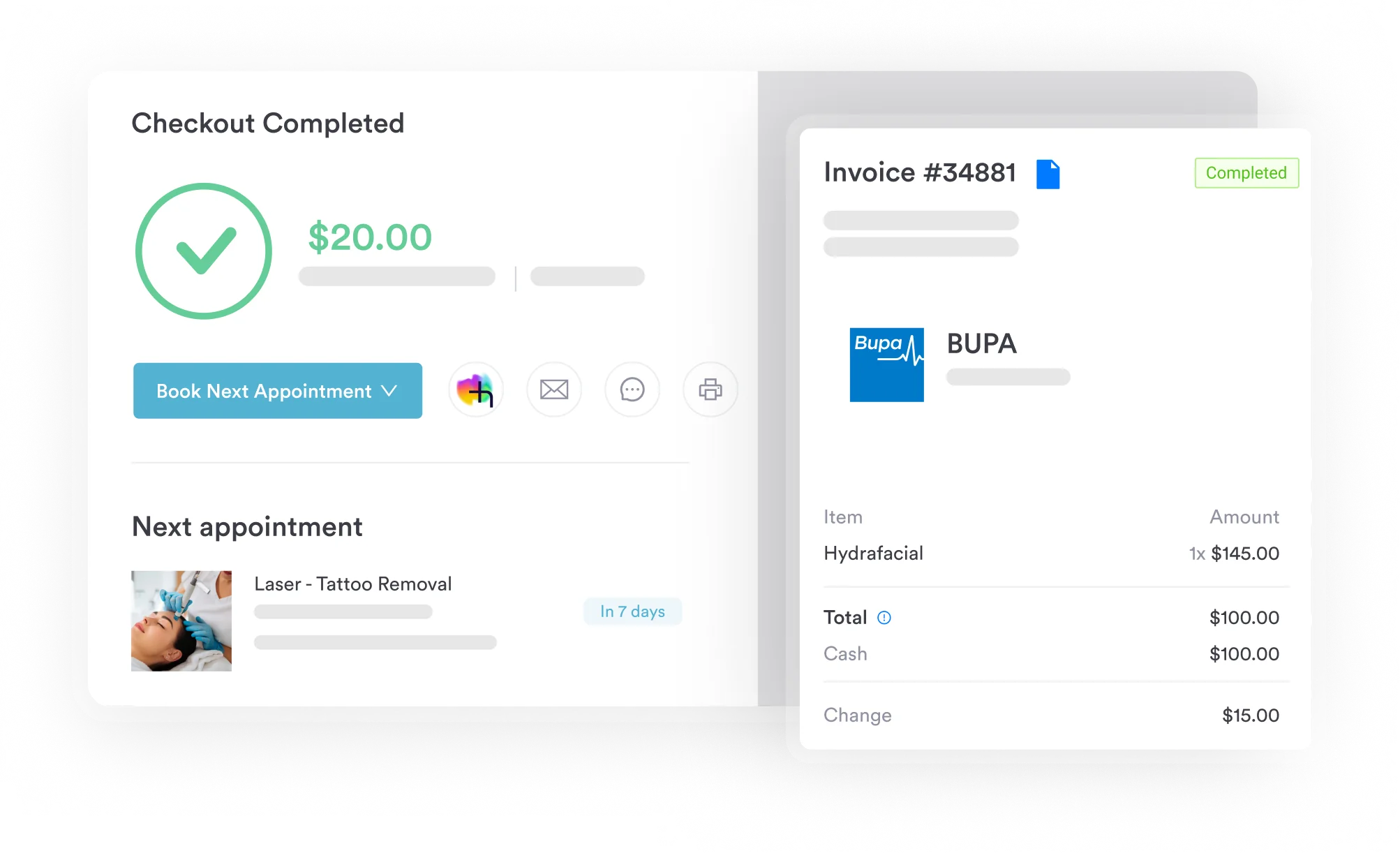
J0275 sits in a category payers audit closely, so the record has to stand on its own without a phone call. Keep the following in the chart for every claim:
Flag J0275 claims for internal pre-submission review when billing to Medicare. Build a workflow rule in your billing system that holds any claim with J0275 as the primary procedure code. Route it to a supervisor for coverage verification before transmission. This single checkpoint stops most Medicare SAD exclusion denials before they happen.
Alprostadil has two billing-distinct forms, and using the wrong code is a frequent source of rejection. The AAPC HCPCS lookup is a quick way to confirm the distinction during claim preparation.
The per-mcg unit belongs to J0270, not J0275. J0270 reads Injection, alprostadil, 1.25 mcg, so its units really are calculated from the dose. Coding cheat sheets and internal billing macros then borrow that habit. They staple a 125 mcg unit onto J0275, because 125 mcg is the smallest MUSE strength.
No CMS file, MAC policy, or state Medicaid schedule defines a 125 mcg unit for J0275. The CMS Table of Drugs and the quarterly ASP payment limit files list the code without a dosage qualifier. The ASP payment limit is stated per unit of service.
Every J-code states its own unit basis in the descriptor, so read it code by code rather than by analogy. The billing reference for billing reference for J0290 works through the unit rule for a different injectable drug. Some claim scrubbers and billing templates still multiply the mcg strength for J0275, and that inherited rule needs to come out.
J0278 is not an alprostadil code. It describes an injection of amikacin sulfate, an aminoglycoside antibiotic with no connection to erectile dysfunction. Its only link to J0275 is a nearby position in the HCPCS J-code number range.
Coding platforms group numerically adjacent codes under headings like related codes, and billers read that as clinical kinship. For alprostadil the pair is J0270 and J0275, and nothing else belongs on that list. Codes such as J0745 and J2597 sit elsewhere in the J-code range with entirely different drugs behind them.
Confirm the descriptor and the active status in the current CMS HCPCS file before billing any code a reference tool suggests. Descriptors and coverage status both change with the annual update.
J0275 claims fail more often than average, because the SAD exclusion, unit conventions borrowed from J0270, and diagnosis specificity all interact. HIPAA compliance is a baseline requirement, and J0275 needs a tighter pre-submission review than most J-codes. The errors below account for the bulk of denials in urology billing.
A practice with meaningful urology or men’s health claim volume should keep a J0275-specific documentation standard, separate from the general J-code workflow. The SAD exclusion risk, the borrowed unit convention, and the prior authorization frequency together make this one of the higher-maintenance codes in the category.
Structured digital intake forms for men’s health consultations help as well. They capture prior ED treatment history, current medications, and the clinical basis for choosing alprostadil. The medical necessity evidence is then already in the record before billing staff open the claim.
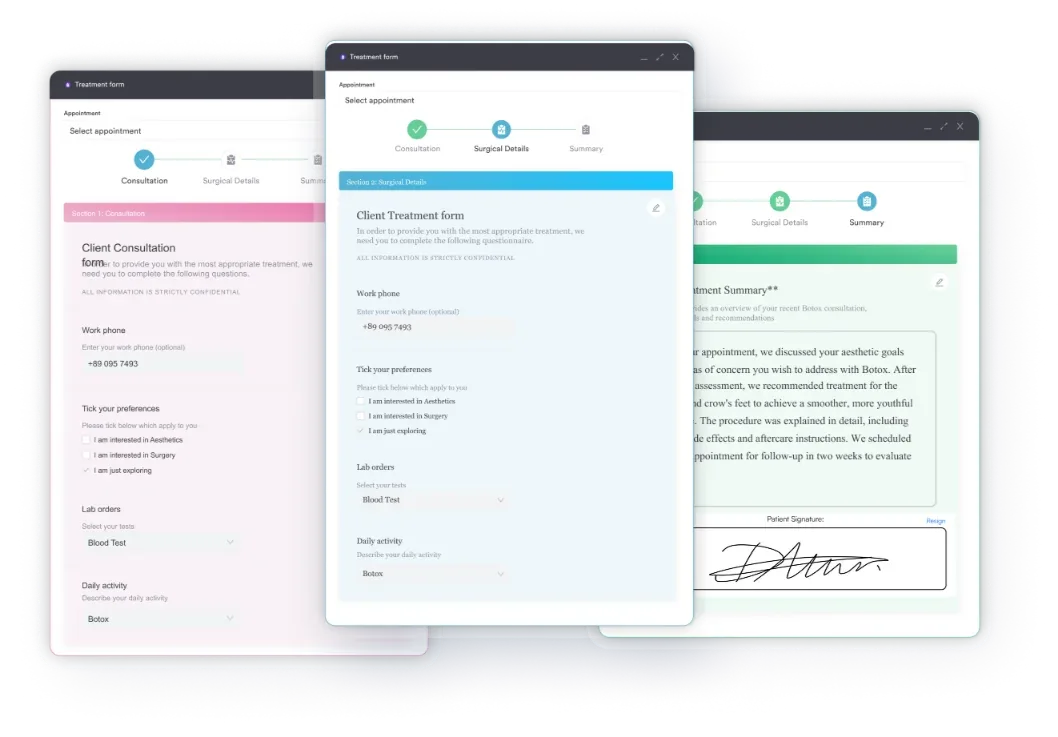
Build a J0275-specific billing checklist into your pre-submission workflow. Confirm payer coverage, and confirm the SAD exclusion exception if you are billing Medicare. Then check that units match the number of suppositories supplied, the N52.x code is attached, and prior authorization is documented. Running that check before transmission catches the errors behind most J0275 denials.
Most J0275 write-offs start with information sitting in three places. The prescription is in the clinical note. The coverage check is in somebody’s inbox. The unit count gets rebuilt from memory when the claim is keyed.
Practice management software like Pabau keeps all of it on one patient record. The consultation form captures prior ED therapies and the clinical rationale. The prescription record holds the strength and the number of suppositories supplied. The unit count then comes from what was dispensed rather than a mcg calculation.
You can also stop a questionable claim before it leaves the practice. Flag every J0275 line for a coverage check, and attach the N52.x diagnosis while the note is still open. Keep the prescription, the note, and the authorization filed together in one patient record for audit.
Denials then surface in your own review queue rather than in a remittance advice six weeks later. Reporting shows which J-code lines keep coming back, so you can fix the rule instead of reworking the claim each time. When a claim on this code comes back unpaid, the denial reason codes on the remittance name the cause.

Pabau helps urology and men’s health practices track drug billing, flag missing diagnosis codes, and manage claim submissions without switching between multiple systems. See how it works for your practice.

The decision that matters with J0275 comes before the claim, not after it. Check the payer, count the suppositories, and attach the N52.x code while the note is still open. Do that and the SAD exclusion stops producing surprise write-offs.
The discontinuation also changes what this code is for. J0275 is now largely a legacy and appeals code, so treat a fresh claim as the exception that needs justifying. For a new ED prescription, J0270 is where the billing conversation starts.
Book a demo to see how Pabau ties prescription records, diagnosis codes, and claim submission together for urology and men’s health billing.

Working out how a per diem unit is reported? T1020 sets out the unit basis, coverage rules, and documentation a per diem code needs.
Need to get modifiers right on a HCPCS Level II claim? E0111 covers modifier selection, coverage criteria, and the documentation payers expect.
Building a documentation standard for a single code? G0268 shows what a code-specific billing, reimbursement, and documentation checklist looks like.
Coding an unspecified cataract diagnosis? ICD-10 code H26.9 represents unspecified cataract within the ICD-10-CM Disorders of Lens block, under the H26 category.
Coding a lens disorder that isn’t a cataract? ICD-10 code H27.8 is billable and covers lens disorders like capsule contraction and lens particle glaucoma.
HCPCS Code J0275 is the Healthcare Common Procedure Coding System Level II code for alprostadil urethral suppository. Its official descriptor carries no dosage qualifier, so the code covers the MUSE (Medicated Urethral System for Erection) pellet whatever its strength. Alprostadil is a prostaglandin E1 drug prescribed to treat erectile dysfunction.
No. Viatris discontinued every MUSE presentation in the US in June 2024, and no generic alprostadil urethral suppository replaced it. HCPCS Code J0275 stays active, so it still applies to legacy stock, a compounded intraurethral product, or a historical claim under appeal. New prescriptions generally move to the injectable forms billed under J0270.
J0275 is generally excluded from Medicare Part B coverage under the self-administered drug exclusion, per CMS Article A53066. Institutional exceptions may apply in limited circumstances, such as administration in a hospital outpatient setting where self-administration is not feasible. Verify with your Medicare Administrative Contractor before billing.
Bill one unit of J0275 for each suppository supplied or administered. The code has no per-mcg unit of measure, so a 500 mcg pellet is one unit rather than four. If a payer allows a multi-pellet supply on a single line, the unit count equals the number of pellets. Confirm the quantity convention in the payer’s provider manual first.
J0275 covers alprostadil urethral suppository, delivered via the MUSE intraurethral route and reported per suppository. J0270 covers alprostadil in injection form and is defined as 1.25 mcg per unit, so a 20 mcg intracavernosal dose is 16 units. The two codes differ in route of administration, unit basis, and Medicare coverage status. Always confirm which product was dispensed before selecting the code.
No. J0278 describes an injection of amikacin sulfate, an aminoglycoside antibiotic, and it has no clinical connection to erectile dysfunction. It only looks related because it sits close to J0275 in the HCPCS J-code number range. The two alprostadil codes are J0270 and J0275, and nothing else belongs on that list.
Medicare Part B reimbursement for J0275 is usually not applicable, because of the self-administered drug exclusion. Where coverage does apply, Medicare pricing follows the Average Sales Price methodology. The payment limit is stated per unit of service, with no mcg conversion. Medicaid and commercial rates come from the state fee schedule or the plan contract. Verify current figures through the CMS Physician Fee Schedule lookup for your MAC jurisdiction.
Yes. CMS Article A53066 lists alprostadil urethral suppository as a self-administered drug, which generally excludes it from Medicare Part B coverage. The code descriptor itself limits Medicare use to administration under the direct supervision of a physician. Limited exceptions exist for institutional settings where the patient cannot self-administer, so check your MAC’s local coverage policies first.
The N52.x ICD-10-CM code series for male erectile dysfunction is required to establish medical necessity for J0275 claims. Commonly used codes include N52.01 (arterial insufficiency), N52.02 (venogenic), N52.1 (secondary to another condition), and N52.9 (unspecified). Use the most specific code supported by the clinical documentation. Verify covered diagnosis codes against the applicable MAC LCD or payer policy, as lists may vary.
Medicare Part B J-code claims need medical necessity documentation with an appropriate ICD-10-CM diagnosis. The place of service must reflect clinical administration, and the units must match the code’s own unit descriptor. Claims also have to comply with any applicable MAC LCD or National Coverage Determination. Drugs on the self-administered drug exclusion list need extra documentation supporting an institutional exception.



