

CCSD code G5100: Bypass of duodenum billing guide
CCSD code G5100 bills a bypass that leaves the duodenum in place CCSD code G5100...

Last Updated: Oct 16, 2026
G0010 is the HCPCS Level II code for administration of hepatitis b vaccine.
Let Pabau's smart automation suggest the right codes, reduce claim denials, and keep your practice compliant—effortlessly.
Automate repetitive tasks and focus on what matters most—your patients.
Reduce coding errors and ensure compliance with the latest regulations.
Clean claims, fewer denials, and faster reimbursements.
Powerful insights and reporting to help your practice thrive.
HIPAA compliant SOC 2 certified GDPR-compliant Trusted by 4,000+ clinics worldwide

HCPCS Code G0010 is the Medicare Part B administration code for hepatitis B vaccine delivery, covering the injection service only.
The vaccine product itself is billed separately using hepatitis B vaccine HCPCS product codes (such as 90739 or 90740).
Medicare waives the deductible and coinsurance for G0010, but only for beneficiaries who meet high or intermediate risk criteria.
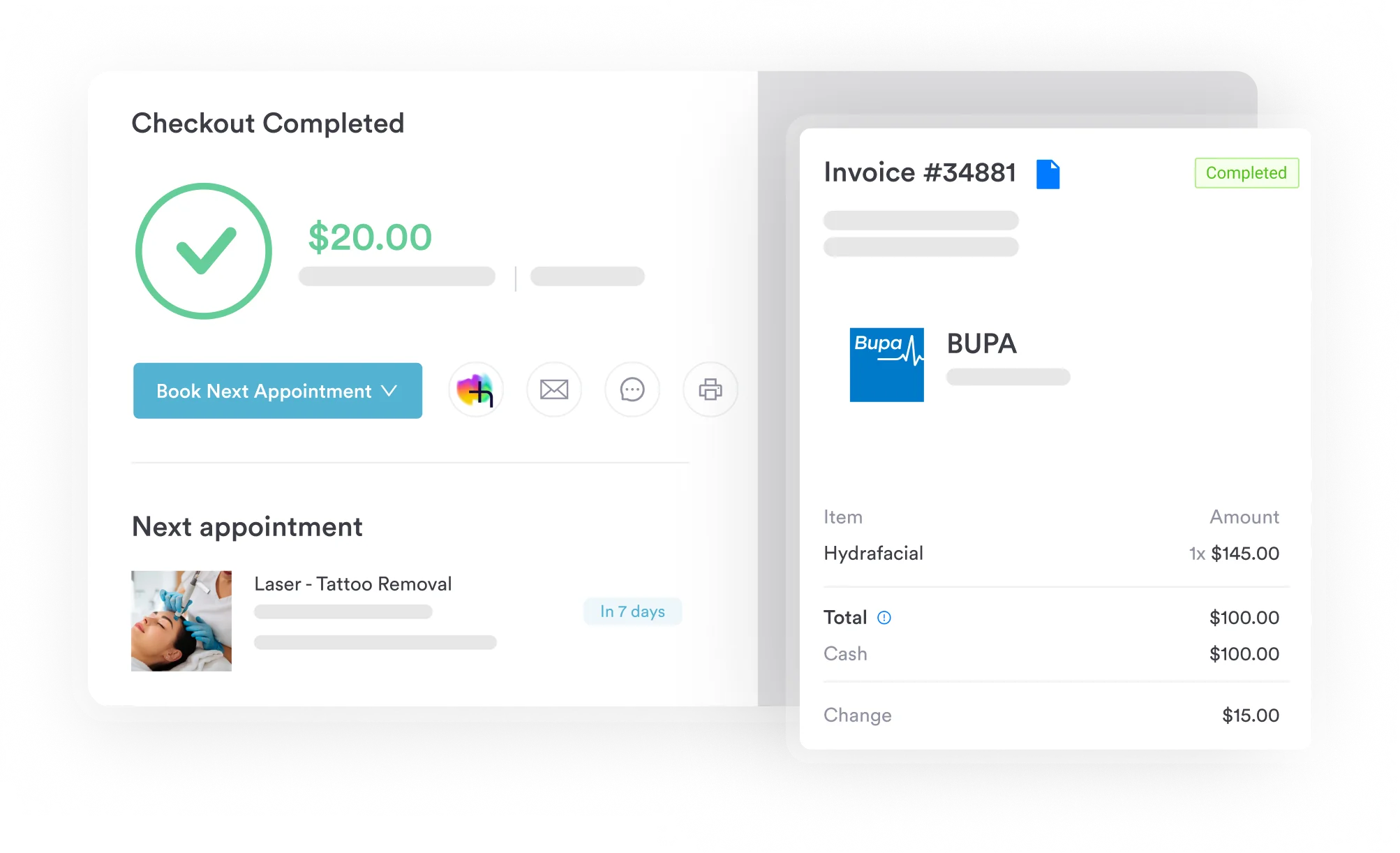
Practice management software like Pabau helps practices capture patient risk levels and keep ICD-10 codes attached to the encounter.
HCPCS Code G0010 is a Level II G-code maintained by the Centers for Medicare and Medicaid Services (CMS). It covers the administration of the hepatitis B vaccine. It is a Medicare-specific code and does not appear in the standard CPT code set. G0010 captures the act of delivering the vaccine injection, not the vaccine product itself.
This distinction matters for billing. The administration and the vaccine are separate billable events, each requiring its own line on the claim. Understanding this split is the first step toward avoiding the most common G0010 denial.
Use the reference table below to confirm the code’s official description and billing attributes before submitting.
G0010 covers the administration service only. The hepatitis B vaccine product is billed on a separate claim line using the appropriate vaccine product HCPCS code. Billing both on the same line item, without separate codes, is a common error that causes the entire claim to reject.
The table below shows how the administration code pairs with vaccine product codes. Verify current-year vaccine product codes against the annual CMS HCPCS code list, as product codes are updated annually.
Routing these claims through a claims management tool keeps Medicare denials visible and appealable instead of buried.
Medicare Part B covers both the hepatitis B vaccine product and the G0010 administration code under its preventive benefits framework. This framework is authorized by Section 1861(s)(10) of the Social Security Act. Two features make this coverage distinct from most Part B services.
First, no deductible applies. Second, no coinsurance is collected from the beneficiary at the time of service. This is true when the claim is submitted correctly and the beneficiary meets the risk criteria below. Note that Medicare Advantage plans may apply different cost-sharing rules, so verify with the specific plan before billing.
Coverage is not universal. Medicare Part B covers hepatitis B vaccination only for beneficiaries at high or intermediate risk of contracting hepatitis B infection. Understanding that eligibility gate is essential for supporting primary care compliance and avoiding medical necessity denials.
CMS defines which beneficiaries qualify for covered hepatitis B vaccination. Primary care practices. Billing G0010 for a patient who does not meet these criteria, without documented risk, is the most common reason for medical necessity denials.
The following groups are recognized under Medicare coverage guidelines. Verify current risk definitions against your Medicare Administrative Contractor (MAC) local coverage determination (LCD) before billing.
High-risk groups under 42 CFR 410.63(a)(1), using CMS’s own risk-category terms:
Intermediate-risk groups under 42 CFR 410.63(a)(2):
Documentation requirement: The patient record must include the specific risk category supporting medical necessity. Undocumented risk is treated as no risk by Medicare payers.
Good patient compliance documentation at intake reduces denial risk significantly. Capturing risk indicators in a structured intake workflow means the information is available when the claim is coded, rather than reconstructed after a denial.
Every G0010 claim requires a linked ICD-10-CM diagnosis code. The primary companion code for most encounters is Z23 (encounter for immunization). Additional codes document the specific risk condition that justifies Medicare coverage. Using Z23 alone without a risk-condition code may trigger a medical necessity review for high-risk patients.
Coordinate good patient care management workflows so risk documentation enters the chart before coding, not after. The table below covers the most commonly used companion codes.
Verify specific ICD-10-CM code requirements against your MAC’s LCD. Some MACs require the risk-condition code to appear as the secondary diagnosis on the claim, with Z23 as the primary. Others accept Z23 alone for standard encounters. Check local policy before finalizing claim structure.
Medicare pays G0010 under the immunization vaccine administration fee schedule, separate from the standard Medicare Physician Fee Schedule (MPFS). Rates are updated annually. The table below reflects published rates from MAC fee schedule pages. Always confirm the current-year rate directly from your MAC or via the CMS fee schedule lookup before billing.
G0010 is paid under a flat national vaccine-administration fee schedule, adjusted by the Geographic Adjustment Factor (GAF) for your locality. Per CMS MM12943, this code carries no facility vs. non-facility split. Hospital Outpatient Department payment instead falls under the Outpatient Prospective Payment System (OPPS) and its Ambulatory Payment Classification (APC). The AAPC HCPCS code lookup and the PGM Billing HCPCS tool both provide current-year rate lookups using CMS data.
Audit your G0010 claims quarterly against the current-year MAC fee schedule. Rate changes effective January 1 each year often go unnoticed until a reconciliation reveals systematic underpayments.
A clean G0010 claim requires the right code pairing, the right diagnosis linkage, and complete documentation. Missing any one of these three elements is enough to generate a denial. Good vaccination management software keeps the administration record, lot number, and risk documentation together, so nothing is missing when the claim is coded. The same discipline applies whether the vaccine is given in primary care, a dialysis center.
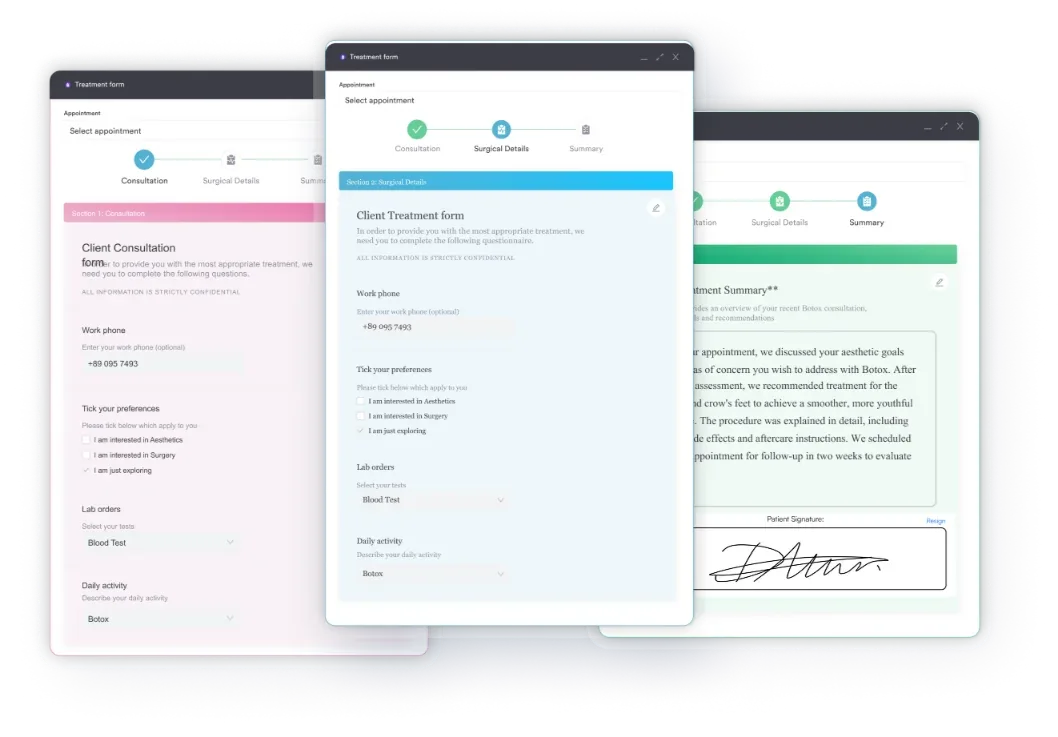
Use digital patient intake forms to capture risk indicators and consent at the point of care. Structured data captured at intake feeds directly into the billing workflow, so risk documentation is less likely to go missing when the claim is coded.
G0008, G0009, and G0010 form the Medicare vaccine administration G-code family. Each covers a different preventive vaccine administration service. Knowing the differences prevents miscoding, particularly when a patient receives multiple vaccinations at the same visit.
The key distinction: G0008 and G0009 cover all Medicare beneficiaries without a risk requirement. G0010 requires documented risk. When a patient receives influenza and hepatitis B vaccinations at the same visit, both G0008 and HCPCS Code G0010 are billed on separate lines. Each pairs with its own vaccine product code. See coaching CPT codes for a related preventive care coding reference.
Most G0010 denials are preventable. The five errors below account for the majority of rejected or underpaid hepatitis B vaccine administration claims.
A paperless claim submission workflow with built-in code validation helps catch these errors before the claim leaves the practice. When code pairing, ICD-10 linkage, and POS fields are validated at the point of entry, denial rates for HCPCS Code G0010 drop significantly.
Many practices document a patient’s hepatitis B risk category on paper or in a free-text visit note, separate from the encounter where staff code G0010. By the time a biller reaches the claim, the specific risk criterion is often missing or hard to find. That missing detail drives most G0010 denials.
Practice management software like Pabau replaces that scattered paperwork with digital intake forms. Staff record a patient’s specific high or intermediate risk category, plus vaccine consent, at check-in. Pabau’s treatment notes then keep that risk documentation attached to the same encounter where the administration gets charted. It travels with the visit instead of living in a separate file.
The result: when a biller codes the encounter, the risk category, the vaccine lot number, and the consent record already sit in one place. That is the documentation Medicare expects to see if a G0010 claim gets reviewed.

Pabau’s digital intake forms and treatment notes capture a patient’s risk category and vaccine consent at the point of care. This keeps documentation complete before you code the claim.

G0010 denials almost always come down to the same few causes: missing risk documentation, incorrect code bundling, or the wrong ICD-10 companion code. None of these are complicated problems, but they need a consistent workflow at intake, at the point of care, and at submission.
Pabau helps practices capture that risk documentation at intake and keep it attached to the encounter through coding. The record is complete before the claim goes out. Book a demo to see how Pabau supports accurate documentation for hepatitis B vaccine administration billing.

Treating dialysis patients who also need G0010? HCPCS code A4674 explains how Medicare bundles the antiseptic solution dialysis facilities use into the treatment’s single payment.
Need another Medicare Part B billing code reference? HCPCS Code B4180 covers the billing rules for a specific parenteral nutrition solution.
Curious how Medicare covers durable medical equipment? HCPCS Code E0144 walks through coverage criteria for an enclosed walker with a seat.
HCPCS Code G0010 is the Medicare Part B administration code for hepatitis B vaccine delivery. It covers the injection service itself, not the vaccine product. The vaccine product is billed separately on the same claim using the appropriate hepatitis B vaccine product code (such as 90739 or 90740). G0010 is a Level II HCPCS G-code maintained by CMS and has no CPT equivalent for Medicare claims.
Bill G0010 on a separate claim line from the vaccine product code. Link ICD-10-CM code Z23 as the primary diagnosis and add the patient’s specific risk-condition code as secondary where the MAC requires it. Confirm the correct place of service code, using POS 11 for a physician office or POS 22 for hospital outpatient. Retain documentation of the patient’s high or intermediate risk category to support medical necessity.
G0008 covers influenza vaccine administration, G0009 covers pneumococcal vaccine administration, and G0010 covers hepatitis B vaccine administration. G0008 and G0009 apply to all Medicare beneficiaries; G0010 is restricted to beneficiaries at high or intermediate risk for hepatitis B infection. All three are billed in addition to their respective vaccine product codes and carry no deductible or coinsurance when submitted correctly.
G0010 covers the administration service only. The vaccine product is billed separately. Submitting both on the same claim line is a common bundling error that causes the claim to reject.



