



HCPCS code E0198: Water pressure pad billing guide
HCPCS code E0198 is a water pad for a standard mattress HCPCS code E0198 is the ...

Last Updated: Oct 13, 2026

CPT code 12047 is a standalone (non-add-on) code for intermediate repair of wounds of the neck, hands, feet, and/or external genitalia when total repaired length exceeds 30.0 cm
It requires layered closure of subcutaneous tissue or non-muscle fascia, plus a single-layer skin closure
12047 is billed on its own based on cumulative wound length in this anatomical group. It is not an add-on code and does not require a companion primary code
Pabau’s claims management software helps reduce modifier errors and missing documentation that commonly trigger wound repair claim denials
CPT (Current Procedural Terminology) code 12047 is the standalone code for intermediate repair of wounds on the neck, hands, feet, and external genitalia when the total repaired length exceeds 30.0 cm. It’s billed as one line item for the full repair rather than paired with a lower-tier code, covering layered closure of subcutaneous tissue or non-muscle fascia plus a single-layer skin closure.
This reference covers the code’s official description, its place in the intermediate repair series, why it is a standalone code rather than an add-on, applicable modifiers, documentation requirements, reimbursement benchmarks, and the billing errors that most often trigger audits or denials.
CPT code 12047 describes intermediate repair of wounds of the neck, hands, feet, and/or external genitalia when the total repaired length exceeds 30.0 cm. Unlike the ‘each additional’ add-on codes used elsewhere in CPT, 12047 is a standalone primary code: It is billed on its own, selected purely on the total cumulative length of intermediate repairs in this anatomical group.
The American Medical Association (AMA), which maintains the CPT code set, defines intermediate repair as wound closure requiring layered closure of one or more of the deeper layers of subcutaneous tissue and non-muscle fascia, in addition to a single-layer skin closure. That clinical requirement distinguishes it from simple repair, which involves only a single-layer skin closure.
The intermediate repair series runs from 12031 to 12057. Within this range, codes are divided by anatomical location and wound length. For neck, hands, feet, and external genitalia, the progression looks like this:
12047 applies once the cumulative intermediate repair length on the neck, hands, feet, and/or external genitalia exceeds 30.0 cm. It is reported as a single line item for the entire wound length above that threshold. It replaces 12046 on the claim rather than accompanying it. For practices managing repair billing across multiple anatomical groups.
The intermediate repair series (12031-12057) splits into three separate anatomical groups, each with its own independent length-based code ladder. Codes with the same length threshold in different groups look similar on paper but are not interchangeable.
12047 belongs to Group 2 only. A facial wound repair exceeding 30.0 cm is reported with 12057, not 12047, even though both codes sit at the top of their respective ladders and share the same length threshold. Coders should confirm the documented anatomical site before selecting either code, since the two are frequently confused in claims review.
Repair type selection drives code selection. Choosing incorrectly, even unintentionally, is the single largest source of wound repair coding errors. The table below outlines the defining clinical criteria for each tier.
A contaminated wound requiring debridement before simple closure can be reported as intermediate, even if the resulting closure is a single layer. That distinction matters for coders working in emergency departments where wound contamination is common. Physicians at plastic surgery practices managing traumatic wounds of the hands, feet, or genital region will encounter this distinction frequently. The simple repair range itself runs 12001-12018 only: 12020 and 12021 cover wound dehiscence repair rather than a length-based simple closure, so they fall outside it.
Wound length aggregation rules are where billing errors cluster. The rule is precise: Wounds of the same repair type repaired in the same anatomical grouping are added together to determine the correct code.
Surgeons operating in dermatology practices repairing multiple wounds on the hands or feet in one session should map each site’s wound length before selecting codes. Accurate length measurement at the time of procedure, documented in the operative note, prevents disputes at claims review.
Several billing rules govern how CPT code 12047 is reported correctly. Most claim rejections in the intermediate repair series trace back to violating one of these four principles.
Practices using digital procedure documentation forms can build these criteria into the clinical note template, ensuring the coder receives the information needed to select the right code before the claim reaches the clearinghouse. Solid HIPAA-compliant documentation practices also protect the practice during payer audits of wound repair claims.

Document wound contamination findings separately from wound measurement in the operative note. Payers reviewing intermediate repair claims often focus specifically on contamination language when the closure itself was single-layer. A note that states only ‘wound irrigated and closed’ gives the auditor no basis for the intermediate repair level, even when the clinical situation justified it.
Modifier application for CPT code 12047 depends on the clinical scenario and how the repair interacts with other same-session procedures. The most frequently applied modifiers are listed below.
The AAPC’s CPT code reference notes that modifier 25 must be appended to the E/M service, not the surgical code, when a same-day E/M is separately reportable. Attaching it to 12047 instead is a common error that causes the modifier to be ignored by payer systems. Practices working with multiple payers benefit from billing software built for procedure-heavy environments to manage these modifier rules across different payer requirements.
A wound repair claim is only as strong as the note supporting it. For CPT code 12047, the medical record must contain all of the following to survive a payer audit or prepayment review.
Practices managing high volumes of wound repair can use structured patient record templates to pre-populate documentation fields specific to the procedure type. This approach reduces the chance of a reviewer finding a missing wound measurement or vague closure description on a high-value claim.
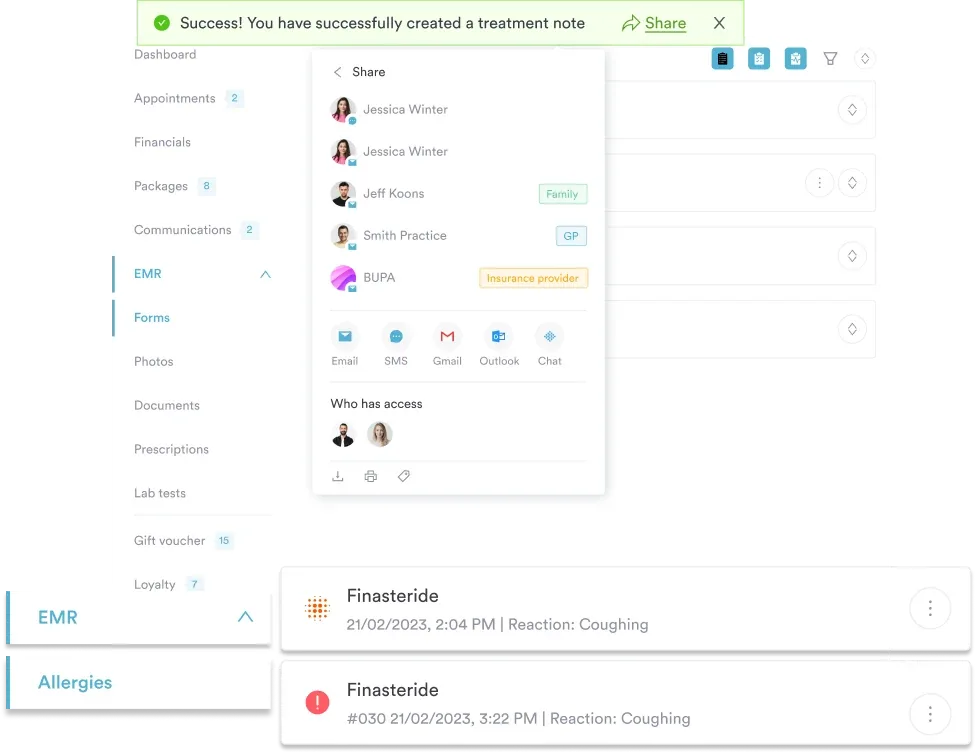

Pabau’s integrated claims management and documentation tools help surgical and aesthetic practices capture the details that support CPT code 12047 billing, so fewer claims come back for rework.

Reimbursement for CPT code 12047 is calculated using the Medicare Physician Fee Schedule (MPFS). As a standalone primary code, 12047 carries its own independent work RVU value reflecting the full repair effort for a wound exceeding 30.0 cm in this anatomical group. It’s not priced as an incremental service the way true ‘each additional’ add-on codes are — for example, +13102, +13122, +13133.
Because Medicare reimbursement rates for CPT code 12047 change annually and vary by geographic locality, use the CMS Physician Fee Schedule lookup tool for current figures. The FastRVU 2026 RVU lookup provides an easy-to-use interface for querying work, practice expense, and malpractice RVU components alongside geographic multipliers. Private payer rates typically follow Medicare as a benchmark but are negotiated separately under each payer contract.
A genital repair during an obstetric admission runs beside a global obstetric care package, CPT 59400 or 59510, which pays the delivery as one fee. On the diagnosis side, ICD-10 code O61.1 is first-listed only when the patient leaves undelivered, and a failed oxytocin attempt takes O61.0 instead.
Wound repair claims rank among the most frequently audited outpatient procedure claims. Most errors are preventable with structured coding workflows and accurate documentation at the point of care. A clean claim rate below the practice benchmark usually points at one recurring coding or eligibility error.
Practices running high claim volumes for wound repair benefit from periodic clinical billing compliance reviews that cross-check documented repair types against billed codes. A quick audit of 20 wound repair claims can surface a systematic error before it triggers a payer-initiated audit. You can also use the PGM Billing CPT lookup tool to verify code descriptors and bundling rules before submission.
Documentation gaps are the root cause of most CPT code 12047 denials. When the operative note and the claim reach the payer without matching wound length, repair type justification, or modifier logic, the claim fails. Practice management platforms with integrated clinical documentation address this at the source. The clearinghouse validates structure before the payer validates content, which is why an electronic claim can fail twice.
Pabau’s claims management software connects clinical note data directly to the billing workflow, so the wound length recorded in the procedure note flows into the code selection screen without manual re-entry. This removes the transcription step where length figures most often get dropped or rounded incorrectly. For plastic surgery practices managing complex hand, foot, and genital repairs, that integration reduces the rework cycle on rejected wound repair claims.
Standardized procedure note templates built around the documentation requirements for intermediate repair (wound site, measured length, closure layers, contamination status) ensure every provider captures the fields a coder needs. Pair that with structured medical documentation forms for wound assessment, and the time between clinical care and a payable claim shrinks significantly. Practices looking at their broader practice management software stack should confirm that clinical note templates can be customized for procedure-specific documentation fields, not just generic visit notes.
Run a quarterly spot-check on intermediate repair claims: Pull 10-20 wound repair encounters and compare the documented total wound length against the code billed. Mismatches where the documented length falls below the code threshold, or where layered closure is not confirmed in the note, are the two patterns most likely to trigger a payer-initiated prepayment review.
CPT code 12047 is technically straightforward but practically unforgiving. Correctly identifying it as a standalone primary code (not an add-on), applying the wound length aggregation rules for the neck, hands, feet, and external genitalia group, knowing when modifier 51 applies, and meeting the documentation requirements for layered closure all need to be in place before the claim leaves the practice.
Practices that connect clinical documentation to billing workflows. See how Pabau handles wound repair documentation end to end by booking a demo.

Coding a short-term psychotic episode? brief psychotic disorder code applies to a psychotic episode lasting between one day and one month with full recovery.
Coding an overlapping mood and psychosis diagnosis? schizoaffective disorder diagnosis code applies when persistent psychotic symptoms occur alongside a bipolar mood episode.
Coding a traumatic hand wound repair? 11760 covers a related hand-repair code series with its own modifier rules.
CPT code 12047 is a standalone (non-add-on) code for intermediate repair of wounds on the neck, hands, feet, and/or external genitalia when the total repaired length exceeds 30.0 cm. It is billed as a single code representing the entire wound length above that threshold, not as an add-on to another code.
No. CPT 12047 is a primary, standalone code. It is billed on its own based on the total cumulative length of intermediate repairs on the neck, hands, feet, and/or external genitalia (over 30.0 cm) and does not require a companion primary code. It should not be confused with the ‘each additional’ add-on codes used in the complex repair series, such as +13102.
Add together only wounds of the same repair type (simple, intermediate, or complex) within the same anatomical grouping. For CPT 12047, this means combining all intermediate repair wounds on the neck, hands, feet, and external genitalia. Wounds on the scalp, axillae, trunk, or extremities use the separate 12031-12037 series, and wounds on the face, ears, eyelids, nose, lips, or mucous membranes use the separate 12051-12057 series.
Modifier 59 applies when the wound repair is a distinct procedure from another service billed the same day and would otherwise be bundled by NCCI edits. Laterality modifiers LT/RT apply when required by the payer for bilateral sites. Unlike true add-on codes, 12047 is a primary procedure code, so modifier 51 may apply when it’s reported with other unrelated procedures in the same session, subject to payer policy.
Medicare rates for CPT 12047 change annually and vary by geographic locality. Use the CMS Physician Fee Schedule lookup tool for the current rate in your locality. Rates differ between facility settings (hospital, ASC) and non-facility settings (physician office).
Yes, but only when the evaluation and management visit was a separately identifiable service beyond the wound repair itself. In that scenario, modifier 25 must be appended to the E/M code (not to 12047). Without modifier 25 on the E/M, payers typically bundle the visit into the procedure payment.



