



CCSD code G5100: Bypass of duodenum billing guide
CCSD code G5100 bills a bypass that leaves the duodenum in place CCSD code G5100...

Last Updated: Oct 16, 2026

CPT code 11005 describes debridement of skin, subcutaneous tissue, muscle and fascia for necrotizing fasciitis of the abdominal wall, with or without fascial closure.
Fascial closure is bundled into the 11005 descriptor, so no separate closure code is required or appropriate.
Most payers require operative notes confirming NSTI diagnosis, tissue layers removed, and abdominal wall extent. Missing documentation is the leading cause of claim denial.
Pabau’s claims management software validates a claim’s insurer-required fields before it can be sent, catching missing information on claims like CPT 11005.
CPT code 11005 covers debridement of skin, subcutaneous tissue, muscle, and fascia for necrotizing soft tissue infection (NSTI) of the abdominal wall.
It’s one of the most surgically aggressive procedures a billing team will code. A wrong claim costs a practice thousands of dollars per case, plus audit exposure. Its anatomical specificity, bundling rules, and modifier requirements trip up even experienced coders.
According to the American Medical Association (AMA), CPT codes in the 11000-series cover skin debridement. Each code is limited to a specific anatomical site and depth of tissue involvement. CPT code 11005 is the most site-specific code in that family, and knowing exactly what it includes is what keeps a claim from bouncing.
Official long descriptor (AMA): Debridement of skin, subcutaneous tissue, muscle and fascia for necrotizing soft tissue infection (NSTI); abdominal wall, with or without fascial closure.
CPT code 11005 applies when a surgeon removes devitalized or infected tissue from the abdominal wall in the setting of necrotizing soft tissue infection (NSTI).
The procedure reaches all four tissue layers: skin, subcutaneous tissue, muscle, and fascia. Critically, the phrase “with or without fascial closure” means primary closure of the fascia, when performed, is already bundled into this code. Billing a separate closure code alongside CPT 11005 is incorrect and will trigger an edit or denial.
This code is strictly anatomically limited to the abdominal wall. NSTI debridement at adjacent sites (external genitalia, perineum) falls under different codes in the same series, covered in the ICD-10 crosswalk and related-codes sections below.
CPT 11005 is appropriate only when the underlying pathology is necrotizing soft tissue infection of the abdominal wall. Coding it for routine wound debridement, pressure ulcer care, or non-NSTI surgical wounds is an incorrect code selection and represents a significant audit risk.
General and plastic surgeons handling plastic surgery billing should confirm the NSTI diagnosis in the operative note before the claim is submitted.
Necrotizing fasciitis and NSTI are life-threatening infections that destroy fascial planes rapidly. Common clinical scenarios justifying CPT 11005 include the following:
Medical necessity is established through the pre-operative diagnosis recorded in the surgical note. Payer coverage isn’t guaranteed by diagnosis alone. The claim also needs clinical documentation confirming the extent of tissue necrosis and the surgical approach, alongside the supporting ICD-10 code.
The primary ICD-10-CM code for necrotizing fasciitis is M72.6. Per the CDC/NCHS ICD-10-CM tool, M72.6 is the code most payers expect as the primary diagnosis on a CPT 11005 claim. Additional codes can support the claim alongside M72.6, including wound infection and sepsis codes, depending on clinical presentation.
These pairings reflect commonly accepted practice, but payer-specific coverage policies still vary. Use the AAPC CPT-to-ICD-10 crosswalk to confirm which diagnosis codes your payer accepts as supporting medical necessity for CPT code 11005.
A dermatology EMR platform makes it easy to document lesion measurements that determine which code applies.
Modifier selection for CPT 11005 starts with its global period. Per UnitedHealthcare’s Global Days Assignments policy, CPT 11004, 11005, and 11006 all carry a 000-day global period. There is no multi-day postoperative window for a repeat debridement to fall inside, so modifiers 58 and 78 do not apply to this code.
Serial debridements, routine in NSTI management, bill as separate procedures on their own dates. Apply modifiers based on the clinical facts of each case. Appending one without clinical justification is upcoding.
Modifier 50 (bilateral procedure) does not apply to CPT 11005. The abdominal wall is a single anatomical region, not a bilateral structure.
Reimbursement for CPT 11005 is set annually by the Centers for Medicare and Medicaid Services (CMS). The CMS Physician Fee Schedule lookup tool provides current payment rates by locality and place of service.
National average Medicare reimbursement for CPT code 11005 is estimated at approximately $1,200 to $1,800 for 2026, though actual payments vary significantly by geographic area. Always verify current rates directly through the CMS fee schedule before quoting reimbursement figures to your finance team. Practices reconciling payment posting against expected fees find short-paid claims that never appear as denials.
Relative Value Units (RVUs) determine how Medicare calculates payment. CPT 11005 carries a substantial work RVU given the complexity and duration of the procedure. Pull the current RVU values for your locality from the CMS Physician Fee Schedule tool referenced above.
CPT 11005 is almost always billed from a facility setting. The two applicable place of service codes are POS 21 (inpatient hospital) and POS 22 (outpatient hospital). Non-facility billing (POS 11, office) is not clinically appropriate for this procedure. Billing with an incorrect POS code reduces reimbursement and can trigger a payer audit.
Audit your outgoing claims for CPT 11005 quarterly. Flag any claim submitted with POS 11 (office). CPT 11005 carries a 000-day global period, so a repeat debridement on a later date bills as its own claim, with no modifier 58 or 78 needed. A same-day repeat needs modifier 76 or 77 instead. Incorrect POS coding is the pattern most likely to trigger denials and recoupment at surgical practices.
Incomplete documentation is the leading cause of CPT 11005 claim denial. The operative note must do more than confirm that debridement happened. Payers reviewing this claim expect evidence that NSTI was the indication, all four tissue layers were involved, and the abdominal wall was the site. E/M claims follow a similar rule: documented risk of complications, not note length, determines the visit level billed.
The same documentation standard applies to CPT 11044 and the rest of the debridement family.
Payers may request the pathology report to confirm tissue necrosis. Sending tissue for histologic examination and including the pathology result in the record strengthens the medical necessity argument substantially.
CPT code 11005 has a narrow clinical application. Most coding errors stem from misapplying it to non-NSTI wounds or from incorrect bundling decisions. A pattern of errors on a code this specific also raises medico-legal risk, since repeat denials invite a full payer audit.
Understanding the full 11000-series helps coders select the right code for the right site and depth. Selective debridement code 97597 and its add-on follow different rules entirely, and neither is interchangeable with the 11000-series NSTI codes.
A key distinction: the 11042 series bills by area, in square centimeters. CPT 11005 bills once, regardless of the surface area of abdominal wall involved.
Most CPT code 11005 denials trace back to incomplete documentation, not a clinical mistake. The surgeon performed the right procedure, but the operative note doesn’t spell it out at the level of detail payers expect.
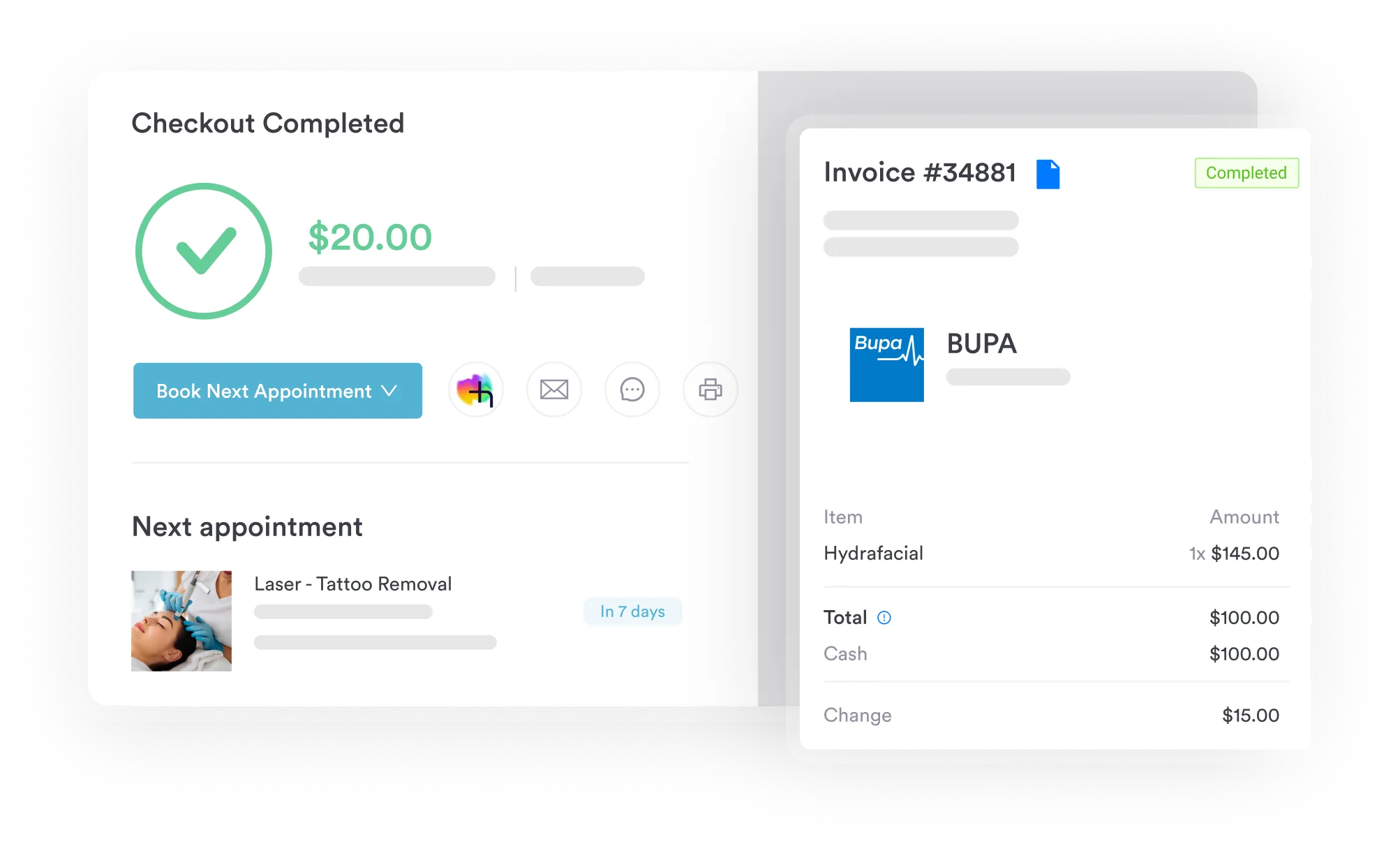
Practice management software like Pabau doesn’t select codes or modifiers for you. Its claims management tools validate the insurer-required fields on a claim before it can be sent. A status dashboard also tracks each claim through submission, so a missing field gets caught before it reaches the payer.
Pabau also offers digital forms for building an operative note template around the documentation elements payers expect.
Both sit inside the same practice management platform, so documentation and claims status stay in one place.
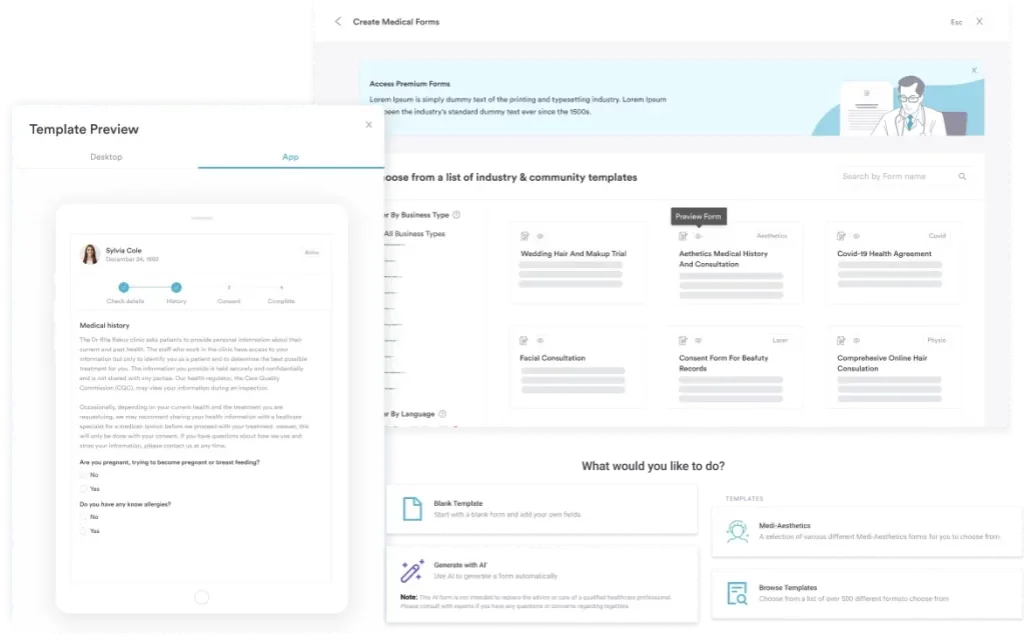
Build a CPT 11005 operative note checklist inside your documentation template. Include prompts for: NSTI pre-op diagnosis, tissue layers debrided, abdominal wall quadrant involvement, fascial closure status, and intraoperative cultures. A structured template cuts documentation review time and reduces denial rates on complex surgical claims.

Pabau’s claims management tools validate insurer-required fields before a claim is sent, so surgical claims like CPT code 11005 don’t bounce for a missing detail.

CPT code 11005 is unambiguous in its clinical scope, but it’s demanding in what it asks of the operative note.
Three things keep this claim clean: the right anatomical site, no separate fascial closure code, and documentation that names all four tissue layers against the NSTI diagnosis. Miss any one of those, and the claim comes back for review.
Pabau’s claims management tools validate the insurer-required fields on every claim before it’s sent, then track status from submission to payment. That gives surgical billing teams an audit-ready workflow without manual double-checking. Book a demo to see how it fits your practice’s surgical billing.

Debriding a different site altogether? CPT 11011 covers debridement tied to open fracture care, and denials follow the same tissue-depth documentation pattern.
Confusing a simple I&D with a debridement? CPT 10060 is the code for a single, simple abscess incision and drainage, a much smaller procedure than NSTI debridement.
Billing extensive infected-skin debridement? CPT 11001 is the add-on code for each extra 10% of body surface area beyond CPT 11000.
Coding the diagnosis instead of the procedure? ICD-10 code K42.1 covers umbilical hernia with gangrene, another abdominal wall emergency prone to denial.
Most commercial payers don’t require prior authorization for CPT code 11005, since NSTI is an emergency diagnosis. A few plans still ask for notification within 24 to 48 hours, so check the payer’s emergency surgery policy before assuming none is needed.
No. Anesthesia is billed separately under its own CPT anesthesia code, not appended to the surgical claim. The anesthesiologist or CRNA submits a distinct claim tied to the same operative date and diagnosis.
Yes. CPT code 11005 carries no age restriction, and pediatric NSTI is coded the same way as an adult case. The documentation standard is identical: tissue layers, abdominal wall extent, and the NSTI diagnosis all need confirming.
General, trauma, and plastic surgeons most commonly bill CPT code 11005, since NSTI debridement calls for emergency abdominal wall surgical privileges. The billing surgeon must match the one named in the operative note.
Yes. Negative pressure wound therapy applied after debridement uses its own CPT codes and bills separately. It’s a distinct service performed on a different date from the debridement itself.



