CPT code 93503: Swan-Ganz catheter billing and modifiers
CPT code 93503: Official descriptor and procedure overview In the AMA CPT code s...

Last Updated: Oct 23, 2026

CPT Code 01620 describes anesthesia services for procedures on the shoulder and axilla, including total shoulder arthroplasty and hemiarthroplasty.
The formula calculates reimbursement as (base units + time units + modifying units) x anesthesia conversion factor – not a flat fee.
A required provider-type modifier (AA, QK, QX, QY, or QZ) must appear on every 01620 claim; missing it is the leading cause of claim denial.
Pabau’s claims management software helps surgical clinics document anesthesia encounters, track procedure codes, and streamline billing workflows for CPT 01620 and related codes.
Anesthesia billing catches a lot of coders off guard.
Unlike standard procedural codes with a flat RVU, this code follows a units-based formula. Every variable, from the patient’s physical status to how long the case ran, affects the final reimbursement figure. Get any one piece wrong and the claim denies.
The American Medical Association (AMA) maintains and updates CPT codes annually. Billers and coders should verify code details against the current code set each year.
This reference covers the code in full. That includes the official code description, base unit value, the billing formula with a worked example, and applicable modifiers. It also covers Medicare fee schedule context, physical status and qualifying circumstance codes, documentation requirements, related codes in the 01610-01680 range, and the most common denial patterns. It is written for medical billers, coders, and anesthesia providers billing shoulder and axilla procedures.
This code describes anesthesia for procedures on the shoulder and axilla. It applies when a qualified anesthesia provider administers anesthesia for operative work on the shoulder joint or surrounding axillary structures. That provider may be an anesthesiologist or a Certified Registered Nurse Anesthetist (CRNA).
The code covers a broad range of procedures on the shoulder and axilla, not only arthroplasty. Coders must verify the operative report confirms the procedure site and type before selecting 01620 over adjacent codes in the range. For a broader look at procedure-specific CPT documentation.
This code applies to a wide range of shoulder and axilla procedures. The key distinction from adjacent codes like 01630 is the anatomical target. Code 01630 covers arthroplasty of the shoulder joint, while 01620 covers nerves, muscles, tendons, fascia, and bursae rather than the joint itself.
If the operative report documents a total shoulder arthroplasty or hemiarthroplasty involving the joint, coders should double-check the code. 01630 may be the correct choice instead of 01620. Selecting 01620 for a procedure that belongs under 01630 is an audit risk. Always review the surgical report, not just the surgeon’s pre-op diagnosis, before assigning the anesthesia code. For broader context on CPT coding specificity requirements, the same principle applies across specialties.
Anesthesia reimbursement does not follow a flat fee. Payers calculate every claim using a formula. That formula accounts for the complexity of the procedure, the length of time, and the patient’s health status. According to CMS guidance and AAPC’s CPT coding resources, the standard formula is:
Formula: Reimbursement = (B + T + M) x CF
This code is typically assigned 5 base units in the ASA Relative Value Guide. Coders should verify this against the current year’s published ASA data and their MAC’s CMAC table before billing. Base units reflect the procedure’s inherent complexity. A higher base unit value means a more complex procedure that demands more skill and preparation from the anesthesia team.
Base units do not change with the length of the case. They are fixed per code. Time units are where the case duration adds to the total.
Most payers, including Medicare, use 1 time unit per 15 minutes of anesthesia time. Time is counted from when the anesthesia provider begins preparing the patient for induction until the provider is no longer in personal attendance. Fractions of 15-minute periods are typically rounded or carried according to individual payer rules.
For a 90-minute rotator cuff repair billed under this code, the time unit calculation is straightforward. Ninety minutes divided by 15 equals 6 time units. Combined with 5 base units, the total before modifying units is 11 units. That total is then multiplied by the applicable conversion factor.
Medicare anesthesia payment is calculated using the formula above. The conversion factor is set by CMS and varies by MAC locality. There is no single national flat reimbursement figure for this code. Rates differ between geographic regions, and commercial payers negotiate their own conversion factors separately from Medicare. Use the CMS Physician Fee Schedule lookup tool to find current allowed amounts for your MAC locality.
For reference, the FastRVU 2026 RVU lookup allows providers to search anesthesia conversion factors by locality. It can also calculate estimated reimbursement based on current CMS data. Always verify against the current year’s published rates before submitting claims. Check the procedure code fee schedule guide for additional context on how fee schedules are structured across different payer types.
This example uses hypothetical figures for illustration. Verify your actual conversion factor before billing.
Every anesthesia claim must carry a provider-type modifier. This is not optional. Missing the modifier is the single most common reason anesthesia claims are denied. The modifier tells the payer who performed the anesthesia service and under what supervision arrangement.
QK and QX are always paired. The directing anesthesiologist bills QK, while each directed CRNA bills QX for the same concurrent case. Only states that have opted out of Medicare’s CRNA supervision requirement permit independent CRNA billing under QZ. State-level rules vary, so verify your state’s opt-out status before using QZ on any claim.
Physical status modifiers classify the patient’s overall health at the time of surgery. They use the American Society of Anesthesiologists (ASA) classification system. These modifiers appear on the claim alongside the provider-type modifier.
Medicare does not pay additional modifying units for physical status. The P modifier still goes on the claim for documentation purposes. It does not increase the reimbursement calculation under Medicare. Commercial payers often do add modifying units for P3 and above, so check your individual payer contracts. For practices managing multi-payer billing, claims management software can help apply the correct modifier logic per payer before submission.

Qualifying circumstance add-on codes describe conditions that make anesthesia provision significantly more difficult. Providers bill them alongside, not instead of, the primary anesthesia code. Medicare’s reimbursement rules for these codes are specific. Not all commercial payers cover them separately, so verify payer policy before reporting.
The unit values assigned to qualifying circumstances vary by payer, and payers may update them annually. Do not assume the unit value from a prior year applies to the current billing period. Verify against the current ASA Relative Value Guide and your payer’s specific policy before reporting these codes.
Check your payer’s LCD and billing manual for qualifying circumstance coverage before reporting 99100-99140. Medicare’s rules on separate reimbursement for these codes differ from many commercial plans. A claim denial for 99100 with 01620 is often a coverage policy issue, not a coding error.
Anesthesia claims require specific documentation elements to survive audit. Missing any one of these from the medical record creates a vulnerability for post-payment review and potential recoupment. Use digital intake and consent forms to capture pre-anesthesia information consistently before every case.

Complete patient record management that ties the clinical encounter to the billing code is the clearest way to protect against post-payment audit. The record should let a reviewer quickly confirm the procedure, the provider’s role, the time, and the patient’s health status. No one should need to request additional documentation.
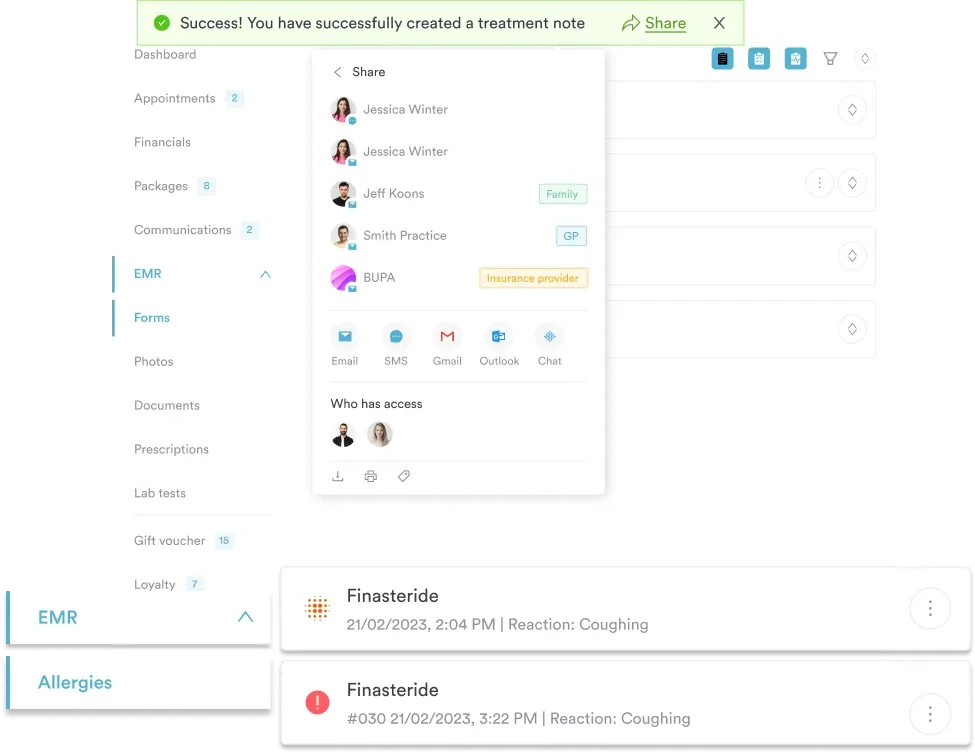
Keeping that record complete matters most when it’s time to defend a claim. Practice management software like Pabau ties documentation, scheduling, and billing together, so anesthesia and surgical teams spend less time chasing paperwork and more time on patient care.

Pabau helps surgical and anesthesia providers document encounters, manage procedure codes, and keep billing records audit-ready. See how it works for your practice.

CPT Code 01620 sits within the 01610-01680 range, which covers anesthesia for all shoulder and axilla procedures. Selecting the wrong code from this range is a common audit trigger. The table below shows key codes in the range, what they cover, and their typical base unit values. Use it to help you choose the correct code. Always verify base units and descriptions against the current ASA Relative Value Guide and AMA coding resources.
*Base unit values are illustrative. Verify them against the current ASA Relative Value Guide before billing. The key distinction between 01620 and 01630 is the operative target. Code 01620 covers soft tissue structures (nerves, muscles, tendons, fascia, bursae), while 01630 covers the shoulder joint itself, including arthroscopic procedures and arthroplasty. Using 01620 for a total shoulder arthroplasty is a coding error; 01630 or 01638 applies in that case. For related CPT coding reference guides.
Anesthesia claims have a higher denial rate than most other claim types. Two reasons stand out: the formula-based billing structure and the mandatory modifier requirements. These are the denial patterns that appear most often with this code, along with the fix for each. Practices tracking denial trends through time-saving workflow tools for private practices can catch these patterns before they become recurring revenue leaks.
Surgical and anesthesia practices deal with a documentation burden that most clinic management tools are not built to handle. Anesthesia records, pre-operative evaluations, consent documentation, time tracking, and multi-payer billing logic all need to feed into a single record. That record must stay clinically and financially coherent.
For practices billing CPT Code 01620 and related anesthesia codes, Pabau helps in several ways. Practices can build treatment note templates to capture the pre-anesthesia evaluation fields required for claim support. Invoicing workflows link procedure documentation to billing codes, reducing the gap between the clinical encounter and claim submission. Practices running surgical scheduling and practice workflows can centralise documentation inside the practice management system. That keeps the paper trail for every anesthesia case consistent and retrievable for audit. Patient coverage can change between the referral and the procedure, so eligibility verification belongs close to the date of service. The visit level rests on documented history, examination and medical decision making, not on the minutes spent.
Pabau’s claims management software is particularly relevant for practices managing high anesthesia claim volumes across multiple payers. Each payer can carry different conversion factors and physical status modifier rules. For practices building out surgical documentation templates.

Billing a replacement water circulating pump? water circulating pump billing guide explains why LCD L33784 denies the replacement pump regardless of documentation.
Need the code for a replacement heat pad? replacement heat pad billing guide covers the durable replacement pad, which Medicare denies every time.
Billing a standard bed pan claim? bed pan billing guide covers the Part B necessity criteria and the KX modifier most claims miss.
Anesthesia billing errors compound quickly. A missing modifier denies the entire claim. A time documentation gap creates an audit liability. Selecting 01620 when the procedure calls for 01630 is a coding error that can trigger recoupment. The formula itself is straightforward once the components are in place. The supporting documentation must be in order before the claim goes out.
Practices billing CPT Code 01620 regularly benefit from building the documentation requirements directly into their clinical workflows. That beats chasing records after the fact. Pabau’s patient record management and billing tools help surgical clinics keep the documentation-to-claim pipeline consistent and audit-ready. To see how Pabau handles anesthesia billing documentation in practice, book a demo with the team.
CPT Code 01620 is used for anesthesia services on the shoulder and axilla. It covers procedures on the nerves, muscles, tendons, fascia, and bursae of these areas. It applies when a qualified anesthesia provider administers anesthesia for shoulder soft tissue procedures. Examples include rotator cuff repair, bursectomy, or fasciotomy. It does not cover shoulder joint replacement or arthroscopic joint procedures, which fall under adjacent codes like 01630.
CPT Code 01620 is typically assigned 5 base units. Coders should verify the current value against the ASA Relative Value Guide and their MAC’s CMAC table before billing. Base unit values can change year to year and vary slightly by data source, so always confirm before claim submission.
Every CPT Code 01620 claim requires a provider-type modifier. Options include AA for anesthesiologist personal performance, QK for medical direction of 2-4 CRNAs, and QX for a CRNA under medical direction. Other options are QY for medical direction of one CRNA, or QZ for an independent CRNA. A physical status modifier (P1-P6) is also required. Missing the provider-type modifier is the leading cause of anesthesia claim denial.
CPT 01620 covers anesthesia for soft tissue procedures on the shoulder and axilla, including nerves, muscles, tendons, fascia, and bursae. CPT 01630 covers anesthesia for arthroscopic and open procedures on the shoulder joint itself, including arthroplasty. If the surgical report documents a total shoulder replacement or joint-level procedure, 01630 or 01638 applies, not 01620.
No. Medicare does not add additional modifying units for physical status modifiers P1 through P6 on anesthesia claims, including CPT Code 01620. The physical status modifier still appears on the claim for documentation purposes, but it does not affect the Medicare payment calculation. Many commercial payers do add modifying units for P3 and above, so verify your specific payer contracts.
Billing CPT Code 01620 requires several documentation elements. These include a complete pre-anesthesia evaluation, signed anesthesia consent, and an intraoperative anesthesia record with precise start and stop times. The chart must also show documentation of all agents and monitoring, plus ASA physical status classification. It needs provider-type documentation supporting the modifier billed, and a post-anesthesia note. Missing any of these creates audit exposure for the practice.
Four add-on codes may apply alongside CPT Code 01620 when the described circumstance is present. These are 99100 for extreme age (under 1 or over 70), 99116 for total body hypothermia, 99135 for controlled hypotension, and 99140 for emergency conditions. Reimbursement for these codes varies by payer. Medicare has specific coverage rules for each, and some commercial payers do not reimburse them as separate add-ons, so verify payer policy before reporting.