

HCPCS code E0198: Water pressure pad billing guide
HCPCS code E0198 is a water pad for a standard mattress HCPCS code E0198 is the ...

Last Updated: Oct 13, 2026
E0236 is the HCPCS Level II code for pump for water circulating pad.
A patient's water circulating heat pad stops working, and the pump is the part that failed. E0236 is the HCPCS code for that replacement pump, but Medicare denies it anyway.
The denial has nothing to do with the diagnosis, the paperwork, or the modifier you picked. LCD L33784 rules out the whole water circulating system, and the replacement pump goes down with it.
The better question is how to supply the pump and still get paid for it. That takes a signed notice before delivery, the right modifier on the claim, and a clean file behind both.
Let Pabau's smart automation suggest the right codes, reduce claim denials, and keep your practice compliant—effortlessly.
Automate repetitive tasks and focus on what matters most—your patients.
Reduce coding errors and ensure compliance with the latest regulations.
Clean claims, fewer denials, and faster reimbursements.
Powerful insights and reporting to help your practice thrive.
HIPAA compliant SOC 2 certified GDPR-compliant Trusted by 4,000+ clinics worldwide

HCPCS code E0236 is the replacement pump for a water circulating heating pad system.
Medicare denies E0236 as not reasonable and necessary under LCD L33784, because the parent system is not covered.
No ICD-10 code and no KX modifier change that outcome, since policy article A52502 lists both as N/A.
Certificates of Medical Necessity ended for dates of service from January 1, 2023. A standard written order replaced them.
A signed ABN before delivery, plus the GA modifier, is what lets you bill the patient.
E0236 is the replacement pump for a water circulating heating pad system. The official descriptor is short, just “pump for water circulating pad”, with no reference to heating or cooling.
The pump sits outside the pad. It heats water in a reservoir and pushes it through channels running across the pad. Policy article A52502 defines that system under code E0217. That code already includes the pump, the pad, and every accessory the pad needs to work.
So E0236 has one job. It replaces the pump on a system that is already sitting in the patient’s home.
Medicare denies E0236 in every jurisdiction, and the reason is written into the policy itself. LCD L33784 settles it in a single sentence.
Because the water circulating system is not medically necessary, the replacement pump follows it down. “A replacement pump (E0236) or pad (E0249, A9999) will be denied as not reasonable and necessary.”
That sentence carries no indication list, no qualifying diagnosis, and no threshold for a patient to meet. Coverage was settled at the level of the system, and the pump was named as part of that decision.
Replacement parts follow the equipment they belong to. When Medicare covers the base item, it can pay to keep that item running.
Nothing here was ever covered. CMS has not accepted that a water circulating pad works better than a standard electric heating pad, so E0217 is denied. The pump that drives it cannot outrank it. Neither can the replacement pad under E0249, or a shorter-term pad under A9999.
Reasonable useful lifetime arguments do not help either. That rule decides when Medicare will buy a replacement for equipment it already paid for. Medicare paid nothing toward this system, so the clock never started.
One code in this family carries genuine coverage. The LCD puts it plainly.
“A standard electric heating pad (E0210) is covered to relieve certain types of pain, decrease joint and soft tissue stiffness, relax muscles, or reduce inflammation.”
The LCD rules out heating pads for pain caused by peripheral neuropathy, including diabetic neuropathy. There is no diagnosis list to code against, as the coverage reads as narrative criteria rather than an ICD-10 table.
That distinction matters at the front desk. A chiropractic practice sending a patient home with heat can bill E0210 and expect payment. Reach for the water circulating version instead and the claim dies. The moist electric pad, E0215, is denied for the same comparative reason as E0217. A pre-authorization number has to reach the claim, and a missing reference is a common avoidable denial.
There is no diagnosis that turns this claim around. Policy article A52502 lists the ICD-10-CM codes that support medical necessity as N/A. It lists the CPT and HCPCS modifiers as N/A too.
Suppliers try anyway. These are the diagnoses that show up most often on denied E0236 lines, and what each one really does.
Coding accuracy still matters for everything else you bill. Use the most specific code the record supports, and clear retired codes like M54.5 out of your templates. That code has not been billable since October 1, 2021.
Switching to a neighboring code will not rescue the claim either. It will keep your coding accurate, which matters when a contractor reviews the file. These are the codes E0236 sits between.
The two replacement codes split by component. E0236 is the pump, the motorized unit that heats the water and moves it through the pad.
E0249 is the pad itself, the durable version made from rubber, heavy plastic, or hard-wearing fabric. A pad built for shorter use goes on A9999 instead, per the coding guidelines in A52502.
Both land in the same place at adjudication. Picking the right one still matters, because your records should describe what you actually delivered. The same discipline applies to the other pads on your shelf, such as shelf, such as E0189.
A denial you expect is not an excuse for a thin file. Four records belong in it. Two keep the claim clean, one decides whether you can bill the patient, and one answers the auditor.
One item is no longer on that list. CMS discontinued Certificates of Medical Necessity and DME Information Forms for dates of service on or after January 1, 2023.
Sending one now is worse than pointless. Medicare rejects claims that still carry CMN or DIF information and returns them to the supplier. That delays the denial you need.
Neither L33784 nor A52502 mentions a CMN anywhere. If your intake checklist still asks for one, it belongs to a workflow that ended three years ago. Digital intake forms make that checklist easy to correct in one place.
Two modifiers matter on this claim. The one suppliers reach for most often does nothing at all. Here is what each one actually tells Medicare.
KX attests that the coverage criteria in an LCD have been met. L33784 sets none for E0236, and the string KX appears nowhere in the LCD or in A52502.
Appending it does not move the claim. It also puts a statement in your file that the policy cannot support. That is a poor habit to build across a book of DME business.
GA is the modifier that changes what happens next. It shifts liability to the patient, so the remittance comes back as patient responsibility instead of a supplier write-off.
There is no allowable amount to plan a margin around. The line denies before any fee schedule figure comes into play, in 2026 as in every year before it.
Look up E0210 instead when a heating pad is genuinely needed. Those amounts live in the CMS DMEPOS fee schedule files, not the physician fee schedule. They also vary by state. Suppliers reach them through their DME MAC, Noridian for jurisdictions A and D, CGS for B and C.
E0236 and HCPCS code C1827 both settle at zero dollars, for different reasons. The pump denies as not reasonable and necessary, while OPPS packages that device into the hospital’s procedure payment.
Never quote a Medicare rate to a patient for this pump. Quote your own price, put that number on the ABN, and let them decide before you deliver anything.
The claim moves in a straight line, because the denial is a step rather than a surprise. A physical therapy practice that stocks pumps and pads runs the same seven steps every time.
A worked example shows the money. Say the replacement pump costs you $95 and you price it at $180. The patient signs the ABN at $180 and takes the pump home.
The claim then denies with patient responsibility on the remittance, so you invoice $180. Nothing reaches the write-off column, and the patient met that number before delivery rather than after it.
One step carries most of the risk. Collect the signature after the pump has left the building and the whole sequence collapses. A late notice transfers no liability.
Run one check before the pump leaves your shelf. The standard written order is on file. The ABN is signed, with your price estimate written on it. The delivery receipt is ready for signature. GA is queued for the claim line. An ABN signed after delivery transfers nothing.
Most losses on this code come from working the claim rather than working the patient conversation. Six errors account for the bulk of it.
Practices that bill DME alongside clinical services feel these errors twice, once in the write-off and once in the rework. Claims management software that checks a claim before submission catches the mechanical mistakes early.
Nothing about E0236 is a coding puzzle. The money turns on paperwork and follow-up, which is exactly what practice management software like Pabau is built to hold.
Pabau’s claims management keeps insurer details on the patient record and checks the required fields before anything is sent. Missing membership numbers and authorization codes surface at that point, not two weeks later in a rejection.
The claim dashboard then shows what is pending, submitted, processing, paid, or sitting in error. A denial you planned for stays in view until you raise the patient balance. It never quietly ages out of the ledger.
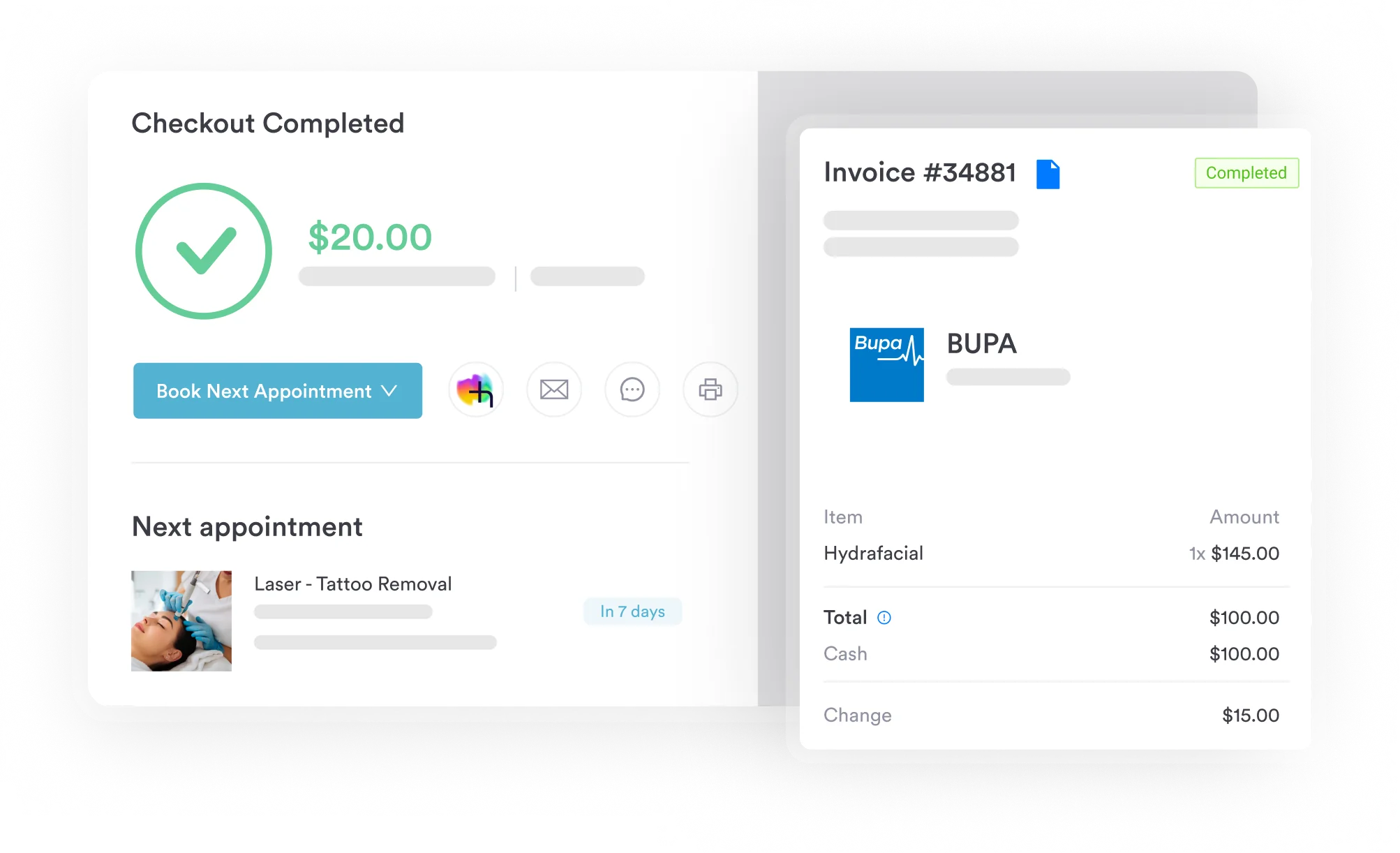
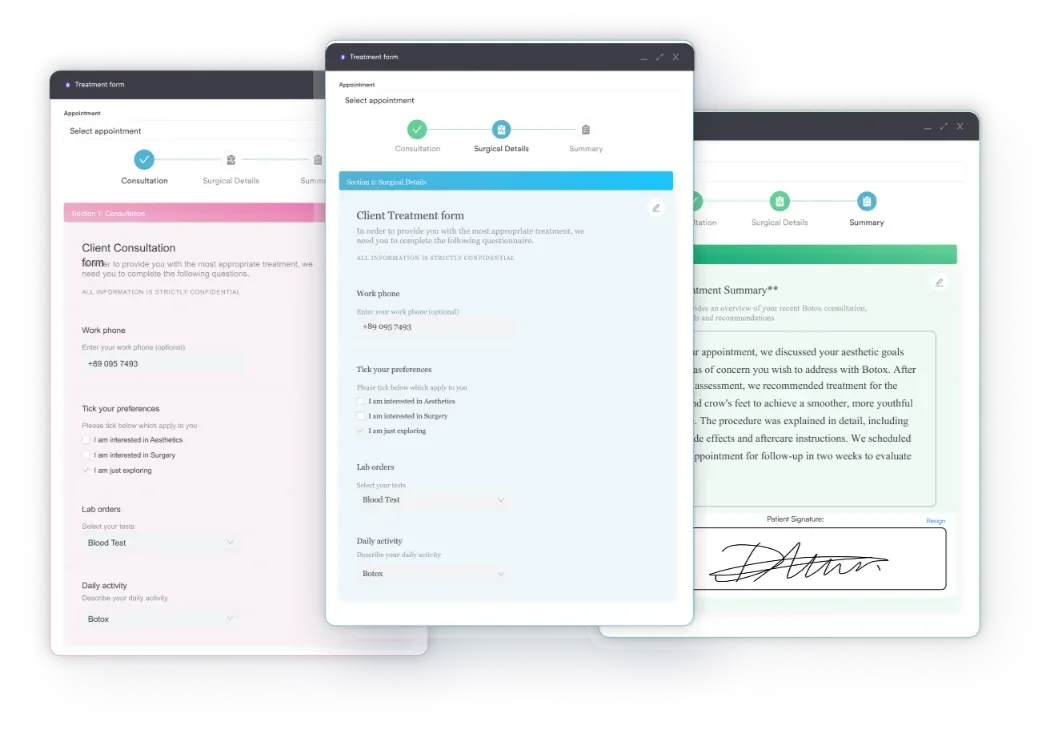
Digital forms keep the written order, the signed ABN, and the delivery receipt on one record. The clinical note sits alongside them. When a contractor asks for that file, you answer in minutes instead of an afternoon.
Reporting closes the loop. Built-in dashboards show which codes keep denying, so a pattern like E0236 surfaces in weeks rather than at year end.

Pabau’s claims management keeps the order, the signed notice, and the claim on one patient record. A denied line reaches the patient’s bill instead of your write-off column.

E0236 is a cash sale wearing a claim form. The policy names the code, the denial is predictable, and no amount of coding skill changes that.
So build the workflow around it. Offer E0210 when a heating pad is clinically appropriate. Get the ABN signed before the pump leaves the building, append GA, and leave KX off the line.
Pabau’s medical practice management software holds notes, forms, and claims on one record. Book a demo to see how it keeps DME documentation ready before the claim goes out.

Billing the whole system rather than the pump? HCPCS code E0217 covers the parent water circulating heat pad and the patient conversation around it.
Renting equipment as well as selling it? HCPCS code E0293 walks through hospital bed billing and the DMEPOS rules a rental brings with it.
Supplying protectors on the same delivery? HCPCS code E0191 explains how Medicare treats heel and elbow protectors, which carry their own coverage test.
Billing a heparin sodium injection? HCPCS code J1644 covers billing for heparin sodium injections and how to convert a dose into billing units.
Chasing approvals before you supply? Medical prior authorization form gives you a template for collecting payer details in one pass.
That depends on the option the patient picks on the ABN. Option 1 asks you to bill Medicare for an official decision. That protects appeal rights and gives a secondary payer the denial it wants. Option 2 skips the claim, and you collect from the patient directly.
Sometimes. A Medicare Advantage plan must cover at least what Original Medicare covers, and some add supplemental equipment benefits on top. Check the plan’s own DME policy before you quote a price, because the answer moves by plan and by year.
The treating practitioner. A standard written order carries the patient’s name, the order date, a description of the item, the quantity, and the practitioner’s name or NPI. Their signature completes it, and a supplier cannot sign on their behalf.
Seven years from the date of service. CMS requires suppliers to keep the documentation behind ordered items for that period. A contractor can request it at any point inside that window. Store it on the patient record rather than in a delivery binder.
No. L33784 covers heating pads and heat lamps, so a fluid circulating cold pad under E0218 sits outside it. Check your DME MAC’s guidance for that code before you promise a patient anything.



