CCSD Code V1730: Extraoral fixation of mandible
CCSD Code V1730: Definition and clinical description CCSD Code V1730 describes e...

Last Updated: Nov 24, 2026
CCSD code XR360 is the CCSD procedure code for embolisation of a vascular mass, including uterine fibroid embolisation (UFE). Fibroids fit that descriptor because they are masses with a heavy blood supply. In fact, the BSIR vascular mass leaflet names fibroid embolisation as a standard example.
UK private insurers pay XR360 only when the pre-authorisation, the procedure note and the invoice agree. One mismatch can hold a claim for weeks. Below, you’ll find what the code covers and the four codes it can’t be billed with. Then comes the claim path through Healthcode and a checklist to run before you submit.

CCSD code XR360 covers embolisation of a vascular mass, including uterine embolisation, and sits in CCSD chapter 17.4.0 Embolisation.
XR360 is a CCSD code only, so NHS records code the same procedure with OPCS-4 codes instead.
CCSD lists XR352, XR362, XR370 and XR550 as codes that can’t be billed alongside XR360.
The pre-authorisation, the procedure note and the invoice should all point to XR360, or the insurer is likely to query the claim.
Name the target vessels, the embolic agent and the endpoint in the note, because “pelvic embolisation” alone leaves the code open to question.
XR360 covers embolisation of a vascular mass, with uterine embolisation named in the descriptor itself. Private practices use it most often for fibroid embolisation, which radiologists also call uterine artery embolisation (UAE). The Clinical Coding and Schedule Development Group maintains the code set that UK private insurers share.
Because the schedule sits behind a login, check the current wording there before you set up a fee line. Our index of CCSD codes places XR360 among its neighbours, and the Bupa CCSD codes guide shows how one large insurer uses the schedule.
One point trips up teams that work across NHS and private lists. XR360 is not an OPCS-4 code. NHS hospitals record the same procedure in OPCS-4, while the private claim carries the CCSD code.
In fibroid embolisation, an interventional radiologist blocks the arteries that feed the fibroids. The catheter usually goes in through the femoral artery, under X-ray (fluoroscopic) guidance. Each step leaves a detail the insurer may ask to see.
If only one side was treated, say why. An anatomical variant or a staged plan both make sense to a reviewer once they’re written down.
Watch the wording around the target, too. A note that says “pelvic embolisation” without naming the uterine arteries leaves the reviewer to guess which code fits.
The public CCSD index lists four embolisation codes that can’t be billed with XR360. Each one describes a different target, so the right choice depends on what the note says was treated.
These descriptors are summarized from the public CCSD index, so confirm the exact narratives with a login. Insurers may also apply combination rules differently. When a case seems to need two codes, ask the payer before you bill.
Most delays happen at the handoffs, when one record doesn’t match the next. The path below shows the five stages and the check worth making at each one.
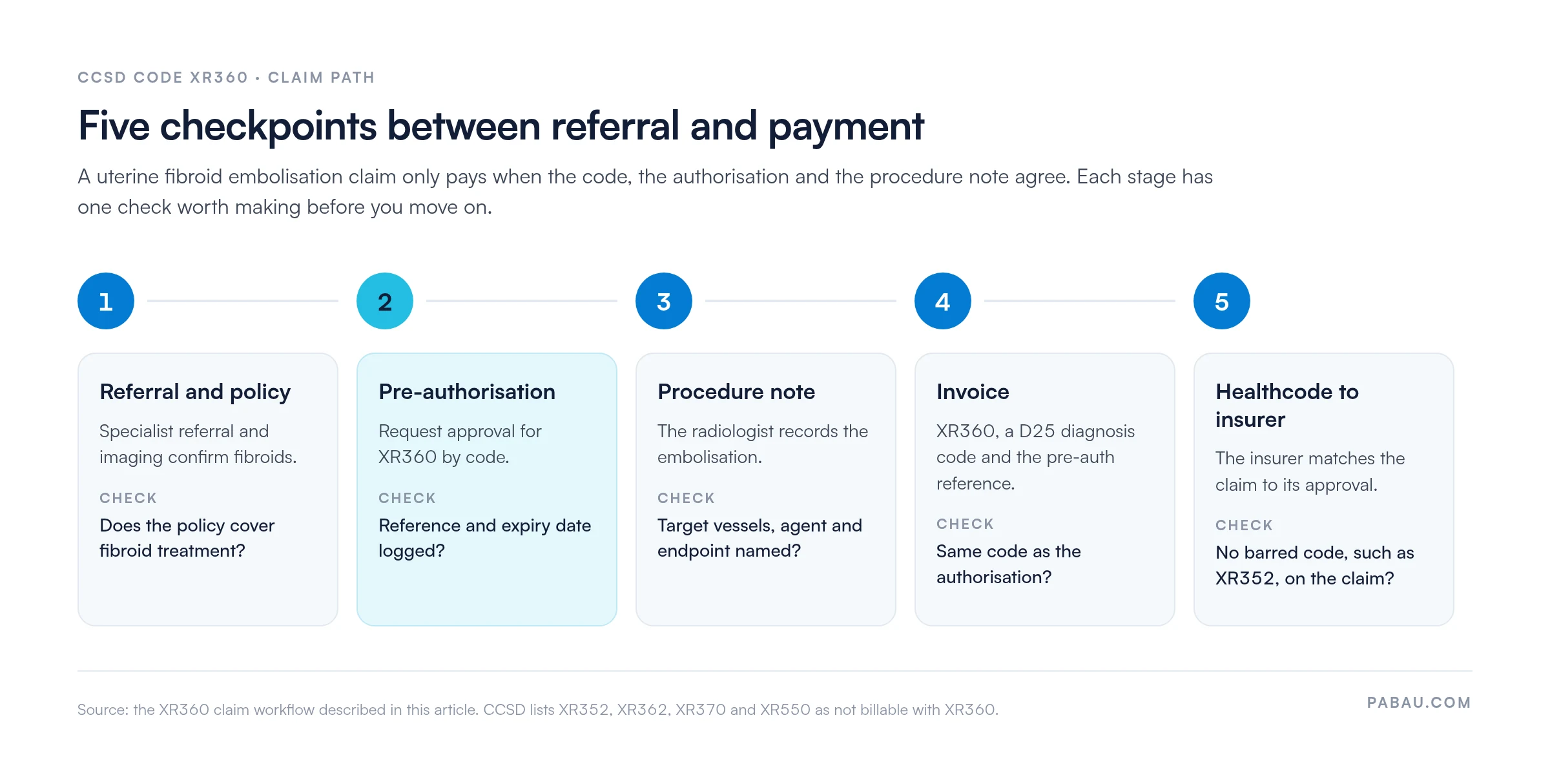
Treat fibroid embolisation as planned treatment that needs approval first. Request it under XR360, then log the reference and its expiry date. If the plan changes, the authorisation changes with it. A switch to hysteroscopic resection, for example, needs a new request under Q1802.
After the procedure, the invoice carries XR360, the diagnosis and the pre-auth reference. For fibroids, the diagnosis comes from the ICD-10 D25 category, such as D25.9 when the type isn’t specified. Use a more specific D25 code when the imaging report names the type.
Healthcode then checks the required fields and passes the claim to the insurer. The insurer compares the code with its approval and may ask for the procedure note.
Run through these six checks on every fibroid embolisation claim. Each one maps to a stage in the path above.
Most of these come down to one record drifting away from another. That’s why the fix usually belongs in the workflow, not in the claim.
On paper, the pre-auth reference lives in one place, the procedure note in another and the invoice in a third. Each time someone re-keys a detail, the code or the reference can drift.
Pabau, a practice management platform with built-in billing, keeps those records on one patient episode. Its streamlined claims management records the code, pre-authorisation reference and patient episode on the claim and sends it via Healthcode.
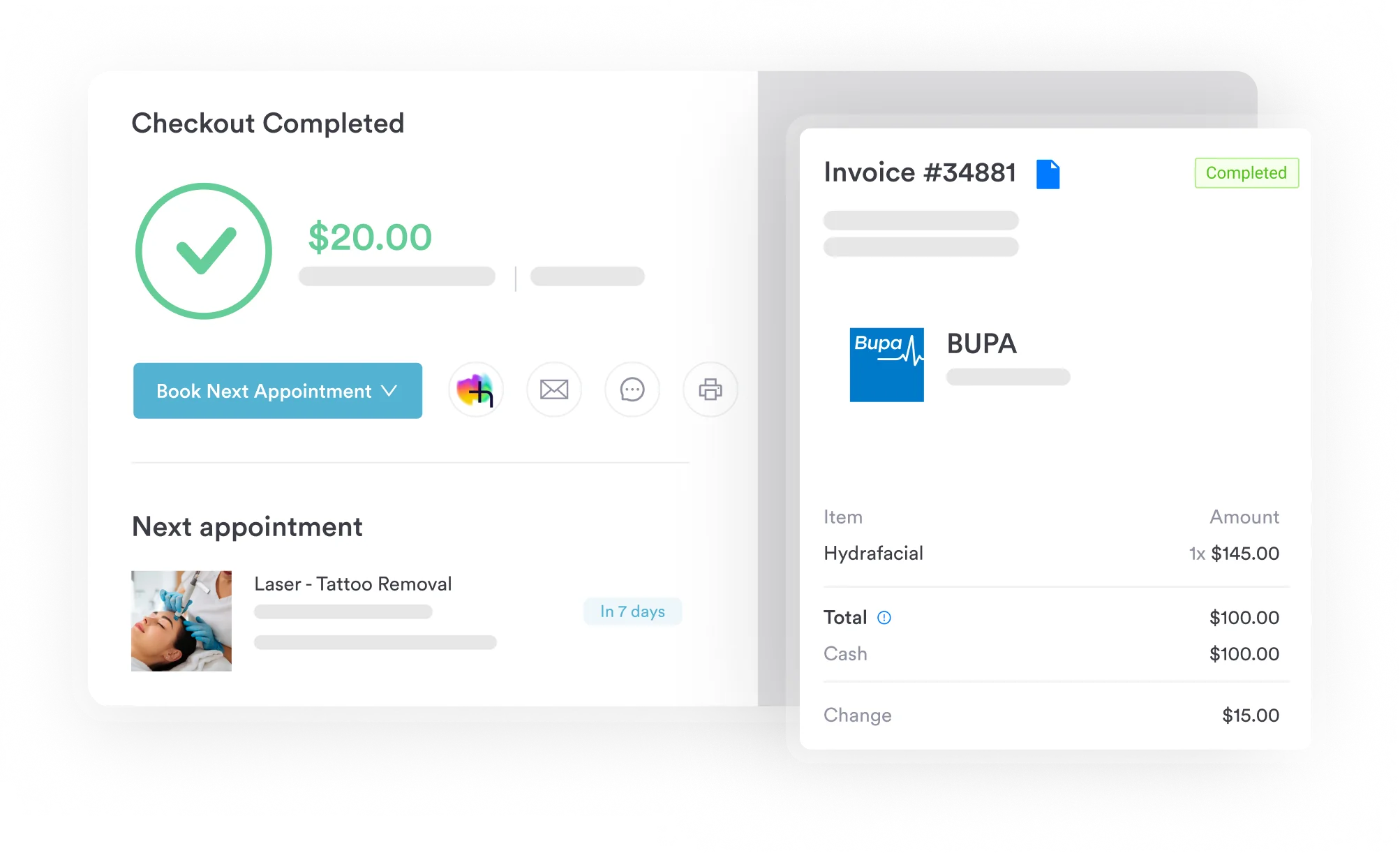
Radiologists can also write the note on a template that prompts for the vessels, the agent and the endpoint. The billing team then checks one record before the claim goes out.
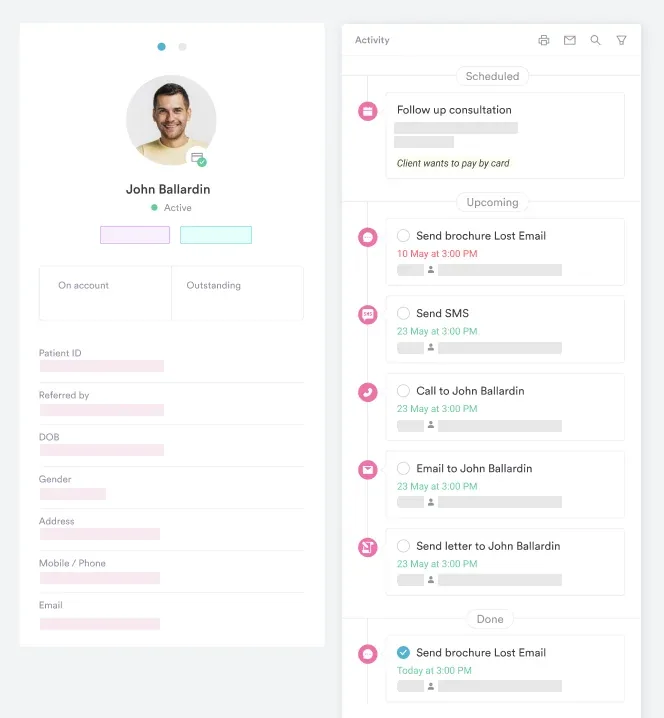

Pabau records the CCSD code, pre-authorisation reference and patient episode on the claim and sends it via Healthcode. Your team stops re-keying the same details across systems.

XR360 rewards consistency more than coding skill. The descriptor is broad, so a claim stands or falls on whether the authorisation, the note and the invoice tell the same story.
On your next fibroid case, run the checklist before submission. When a query does come back, fix the template rather than just the claim. Book a demo to see how Pabau keeps the code and the pre-auth reference together from referral to payment.

Planning a hysteroscopic route instead? CCSD code Q1802 covers billing for hysteroscopic fibroid resection.
Choosing the diagnosis code for the claim? ICD-10 code D25.9 explains the unspecified uterine leiomyoma code and when a specific D25 code fits better.
Billing another interventional radiology code? CCSD code XR306 covers endovascular treatment of cerebral aneurysm.
Need the wider insurer view? Bupa CCSD codes explains how Bupa applies the CCSD schedule.
Tightening your authorisation workflow? The prior authorization process sets out a step-by-step approval workflow for practices.
No. XR360 belongs to the CCSD schedule used on private claims, while NHS records use OPCS-4. For example, NICE’s coding sheet for uterine artery embolisation in adenomyosis lists L71.3 with Z96.6 for the uterine artery.
The descriptor covers any vascular mass, so it isn’t limited to fibroids. Radiologists also embolise vascular malformations and some kidney or thyroid tumors. Check the neighbouring codes first, because bronchial artery work and chemoembolisation have their own.
Use the most specific code the imaging supports. D25.0 is submucous, D25.1 intramural and D25.2 subserosal leiomyoma of the uterus. D25.9 covers a fibroid whose type isn’t specified.
You need a login on the CCSD website to search the schedule. Signed-in users can read the full narrative, any guidance notes and the combination rules.
Plan on it. Insurers usually treat a repeat procedure as a new episode, so request fresh approval under XR360 and attach the new procedure note.