CCSD code XR940: Foreign body retrieval billing guide
CCSD code XR940 is the UK private healthcare code for retrieval of a foreign bod...

Last Updated: Nov 26, 2026
W0330 is the CCSD code for fusion of the first metatarsophalangeal joint on one side, the joint at the base of the big toe. The surgeon removes the joint surfaces and fixes the bones with screws or a plate, so the joint no longer moves.
UK private medical insurers use it to pay for great toe fusion, an operation most often done for hallux rigidus. It sits in the hallux section of chapter 16 of the CCSD schedule. Fusion of both big toes in one session is billed as W0380.
Let Pabau's smart automation suggest the right codes, reduce claim denials, and keep your practice compliant—effortlessly.
Automate repetitive tasks and focus on what matters most—your patients.
Reduce coding errors and ensure compliance with the latest regulations.
Clean claims, fewer denials, and faster reimbursements.
Powerful insights and reporting to help your practice thrive.
HIPAA compliant SOC 2 certified GDPR-compliant Trusted by 4,000+ clinics worldwide

CCSD code W0330 covers fusion of the first metatarsophalangeal joint on one side, the joint at the base of the big toe.
Fusion of both big toes in one session has its own code, W0380, so W0330 is never billed twice for a bilateral case.
Fusion with bone grafting as a sole procedure is W5920, and a revision of a failed fusion is W0331.
National Friendly’s CCSD-based schedule bands W0330 as Intermediate, but each insurer sets its own fee.
Most UK private medical insurers expect pre-authorization for planned foot surgery, and claims go through Healthcode or direct to the insurer.
CCSD code W0330 is the code UK private medical insurers use for fusion of the first metatarsophalangeal joint on one side. Its CCSD narrative reads “Fusion of first metatarsophalangeal joint – unilateral”. Insurer schedules such as National Friendly’s CCSD-based schedule of fees list it under that narrative as an Intermediate procedure.
The operation is also called first MTP arthrodesis or great toe fusion. The surgeon removes the remaining cartilage from both joint surfaces and sets the toe in a functional position. Screws, a plate or both then hold the bones until they fuse, so the joint no longer moves.
Watch the wording on older lists. Before April 2024 the narrative read “Fusion of first metatarso-phalangeal joint”, with no mention of the side. The CCSD Group added “unilateral” when it split the side out, and bilateral fusion now sits under its own code.
The CCSD Group maintains the codes but doesn’t set fees, so check the edition and fee your insurer works from. The full index of CCSD codes links to a billing guide for each covered code.
The 16.11.4 Hallux sub-chapter holds more than a dozen codes for the big toe. The side, the bone graft and the type of operation each move the claim to a different code. A fractured great toe fixed through an incision moves to fracture code W1940 instead. Lesser toe surgery sits in the next sub-chapter, 16.11.5 Toes, where a tendon transfer on both feet is CCSD code T6461.
W0330 and W0380 are the easiest pair to confuse. A bilateral case billed as W0330 twice misreads the narrative, because the side is now part of the code. National Friendly bands W0380 as Major, one step above W0330.
The CCSD record for W0330 also lists the codes it should not be combined with. They include the bilateral fusion code and the excision and implant arthroplasty codes. The hallux osteotomy codes W0321 to W0324 are listed, as are the multiple forefoot codes W0300 and W0310. Fusion of the interphalangeal joint of a toe, W5940, and a cast change as a sole procedure are on the list too. Arthroplasty of a small hand joint is listed separately, with W0512 covering interpositional silastic arthroplasty of one finger MCP or PIP joint.
The CCSD Group describes these combinations as non-exhaustive guidelines that each insurer chooses whether to adopt. If a second forefoot procedure was done, ask the insurer whether it wants W0300 or two separate codes.
Taken in order, five questions about the operation note settle which of these codes the claim carries.
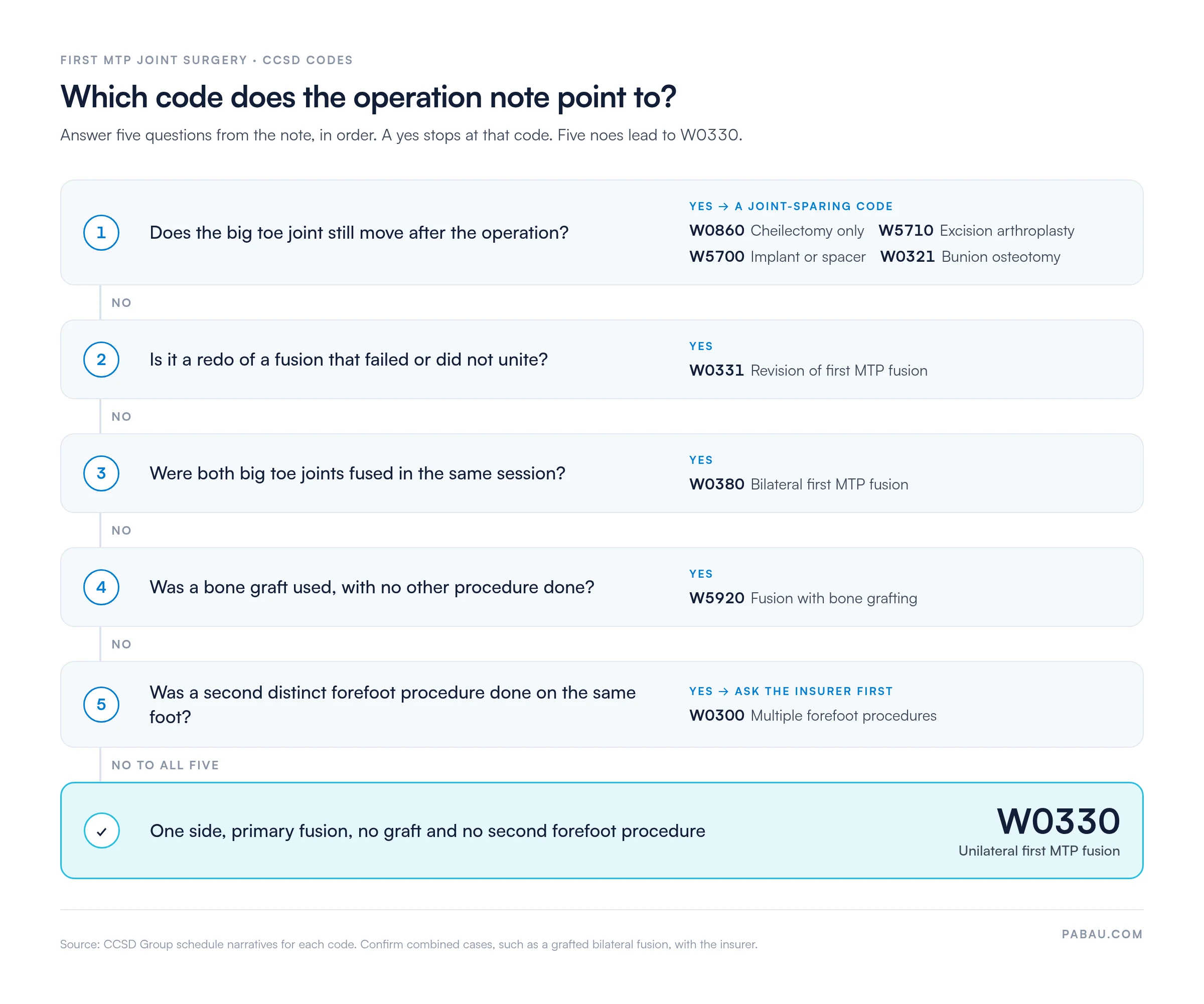
A claim for W0330 is only as strong as the operation note behind it. A note that says “first MTP surgery” leaves the coder choosing between fusion, cheilectomy and arthroplasty. If the surgeon only trimmed the bone spurs and kept the joint, the claim moves to W0860, the cheilectomy code for one foot.
Agree a standard procedure title with your foot and ankle surgeons, such as “Left first MTP joint arthrodesis, no graft”. When the title carries the technique, side and graft, the person coding the claim can read it in seconds.
The work starts before the operation. Most UK private medical insurers want planned surgery approved in advance, and the patient’s policy decides what is covered.
The table below is a starting point, so confirm each detail with the payer before the procedure date.
Once the operation is done, the claim follows the same five steps whichever insurer pays it.
The anesthetist bills separately for the same operation, so share the final code with them once the note is signed off.
When an insurer asks for a diagnosis, UK claims use WHO ICD-10 codes rather than the US ICD-10-CM set. First MTP fusion is most often done for hallux rigidus, the end stage of arthritis in the big toe joint.
Use the diagnosis the surgeon documented rather than a default, and keep it the same on the referral, the authorization request and the claim.
Each slip below can stall a great toe fusion claim, and each one has a quick fix.
If a claim is still refused, check the insurer’s current provider manual for its appeal process. Only commit to a deadline you have confirmed there.
Bupa is one of the UK’s largest private health insurers, and many orthopedic foot and ankle surgeons hold Bupa recognition. Its rules are worth knowing before the first fusion claim goes out.
Our guide to Bupa CCSD codes explains how Bupa’s procedure list and claim process work.
In many foot and ankle practices, the authorization lives in an email and the operation note sits in another system. The claim is then keyed in by hand. Each handoff is a chance to lose the reference number or pick the wrong side code.
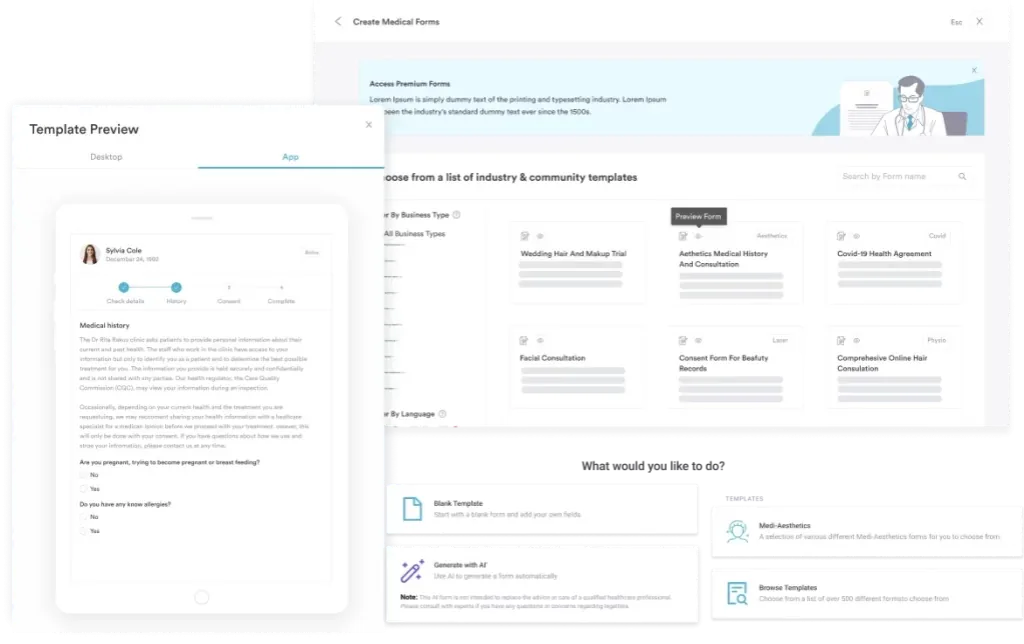
Pabau keeps those steps on the patient record, with insurance billing built in. Its claims management without rekeying sends each claim electronically through Healthcode and to Bupa. The authorization code, dates and sessions sit on the patient’s case, with a warning when one is missing.
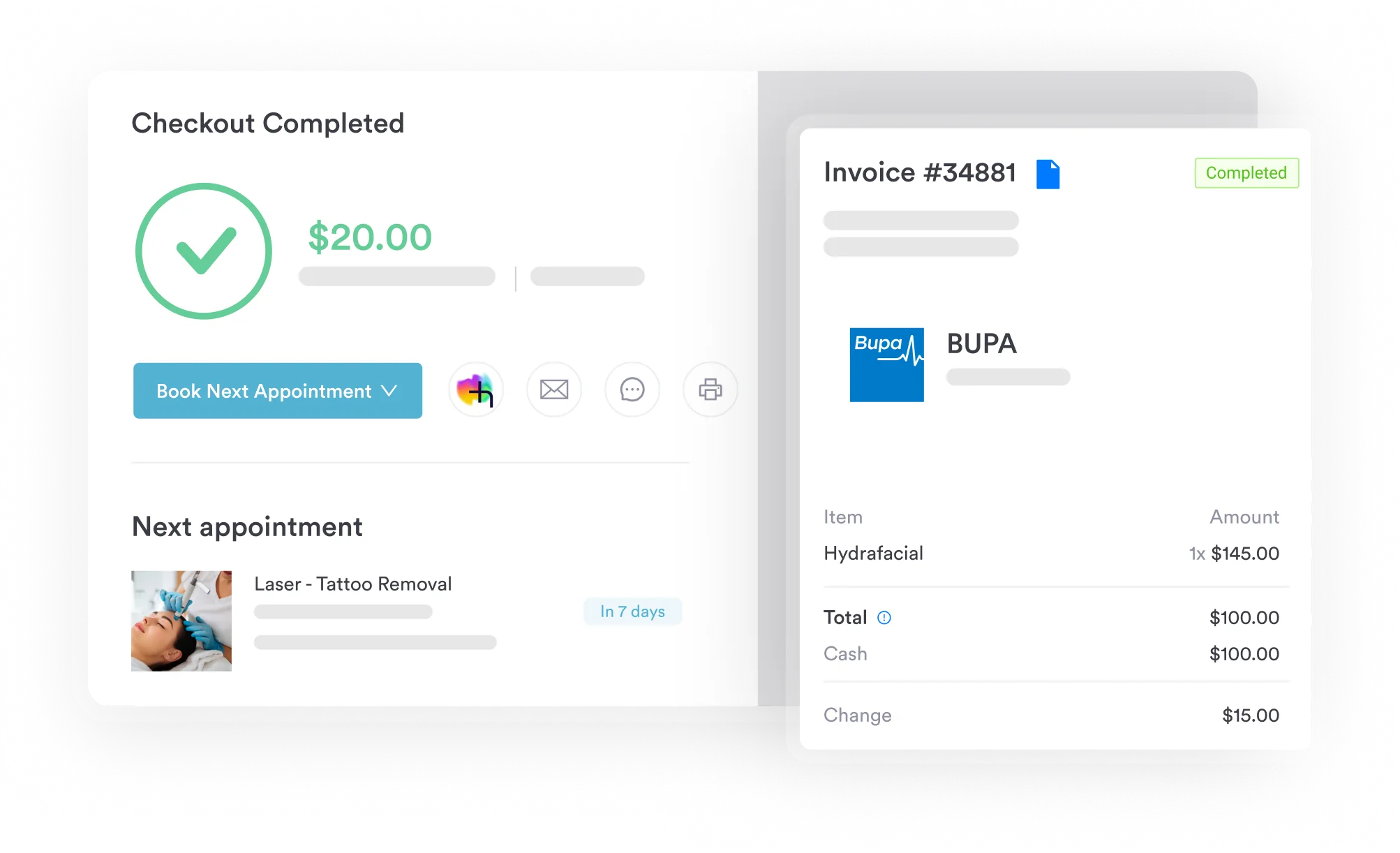
The result is fewer claims bounced for a missing reference, and a clear view of what each insurer still owes. Your team spends less time on rework and more on patients.

Pabau tracks authorization codes on the patient’s case and sends claims electronically through Healthcode and to Bupa. You see each claim’s status without phoning the insurer.

W0330 is a straightforward code once the note names the fusion and the side. Most trouble comes from a bilateral case billed twice, a missed graft or revision, or a stale fee. You can catch all three before the claim leaves.
Standardize the procedure title with your surgeons, and check each insurer’s current narrative, combination rules and fee. Those habits remove most of the queries that slow fusion payments. Book a demo to see how Pabau tracks authorizations and sends your Healthcode claims from one patient record.

Looking for another procedure code? CCSD codes lists every CCSD procedure code Pabau covers, with links to each billing guide.
Need a full Bupa CCSD billing reference? Bupa CCSD codes covers Bupa’s procedure list and how its claims work.
Checking Bupa fees before you invoice? Bupa procedure codes and fee schedule walks through Bupa’s recognized codes and fee tiers.
CCSD code W0330 covers fusion, or arthrodesis, of the first metatarsophalangeal joint on one side. The joint at the base of the big toe is fixed so it no longer moves. Fusion of both big toes in one session is coded W0380.
No. Since April 2024 the W0330 narrative ends in “unilateral”, and bilateral fusion has its own code, W0380. Bill W0380 once for a bilateral case rather than W0330 twice.
If the fusion uses a bone graft and is the only procedure, CCSD code W5920 applies. The operation note should state the graft and where it came from.
A redo of a failed first MTP fusion has its own code, W0331, added to the CCSD schedule in October 2025. Check that your insurer’s list carries W0331 before you bill it.
Not without checking first. The CCSD record lists the hallux osteotomy codes W0321 to W0324 among the combinations to avoid with W0330. Two distinct forefoot procedures on one foot may fit W0300 instead, so confirm with the insurer.
When an insurer asks for a diagnosis, UK claims use WHO ICD-10 codes. Hallux rigidus is M20.2, the most common reason for first MTP fusion. Use the diagnosis the surgeon documented rather than a default.
Most UK private medical insurers expect planned surgery to be authorized before the operation date. The authorization number then goes on the claim. Cover depends on the patient’s policy, so confirm it with the payer first.