
Pabau Engage inbox

Pabau Engage is here: every patient conversation in one inbox.

Learn more
Book a demo Book a demo
☰
CCSD Code

CCSD code W0860 – Metatarsophalangeal cheilectomy


Code Definition

W0860 is the CCSD code for metatarsophalangeal cheilectomy - unilateral, as sole procedure. It covers removal of dorsal osteophytes from the first metatarsophalangeal joint of one foot, usually for hallux rigidus. It applies only when no other procedure is done in the same session.

Cheilectomy on both feet in one session is billed under W0861, and the two codes cannot appear on the same claim. Fusion, joint resurfacing and Keller-type excision arthroplasty each have their own codes.

Group
16 Bones, joints and connective tissue/tendon muscle
Category
16.11.4 Hallux
Laterality
Unilateral (bilateral cheilectomy is W0861)
Billable
No
Code also known as
big toe bone spur removal, dorsal cheilectomy, first MTP cheilectomy, hallux rigidus surgery
Save time. Improve accuracy. Get paid faster.
Automate coding with Pabau

Let Pabau's smart automation suggest the right codes, reduce claim denials, and keep your practice compliant—effortlessly.

  • AI-powered code suggestions
  • Real-time compliance checks
  • Faster claims, fewer denials
Why practices choose Pabau
Save hours every week

Automate repetitive tasks and focus on what matters most—your patients.

Improve accuracy

Reduce coding errors and ensure compliance with the latest regulations.

Get paid faster

Clean claims, fewer denials, and faster reimbursements.

Grow with confidence

Powerful insights and reporting to help your practice thrive.

HIPAA compliant SOC 2 certified GDPR-compliant Trusted by 4,000+ clinics worldwide

Key takeaways

Key takeaways

W0860 covers MTP cheilectomy on one foot as sole procedure, and both feet in one session take the bilateral code W0861.

Hallux rigidus (WHO ICD-10 M20.2) is the diagnosis most often paired with W0860 on UK private insurance claims.

W0860 and W0861 are an unacceptable combination, so a claim carrying both codes is rejected.

Missing laterality in the operative note is a leading cause of W0860 claim queries and rejections.

Pabau’s claims management software lets UK private practices enter CCSD codes, attach operative notes and track insurer payments in one place.

CCSD Code W0860: What the code covers

CCSD Code W0860 covers a metatarsophalangeal cheilectomy performed on one foot, as the only procedure in the session. National Friendly’s schedule of fees lists it as “Metatarsophalangeal cheilectomy – unilateral, as sole procedure”, with the bilateral version under W0861.

The code set is maintained by the Clinical Coding & Schedule Development (CCSD) group. W0860 sits in chapter 16 of the schedule, bones, joints and connective tissue/tendon muscle, under the hallux section.

Orthopaedic and podiatric surgeons use it when billing UK private insurers for first MTP joint surgery. Like the other CCSD codes for surgeons, W0860 means the same thing to every insurer that uses the schedule, though each sets its own fee.

Three elements define what W0860 covers and what it does not:

  • Anatomical site: The first metatarsophalangeal (MTP) joint, the articulation between the first metatarsal head and the proximal phalanx of the hallux (big toe).
  • Procedure type: Cheilectomy, the surgical removal of dorsal osteophytes (bone spurs) to increase dorsiflexion range and relieve impingement pain. No joint resurfacing or implant insertion is included.
  • Laterality and session: One foot only, as sole procedure. The descriptor carries both qualifiers, so a bilateral case moves to W0861 and a combined operation moves to a code that covers the whole session.

W0860 does not cover arthroplasty, fusion (arthrodesis) or any osteotomy. The “as sole procedure” qualifier also means it is not added to another operation on the same foot.

Keller-type excision arthroplasty under W5710, for example, already includes cheilectomy in its descriptor. Check the full CCSD schedule and the insurer’s unbundling rules whenever a second procedure is planned.

What a metatarsophalangeal cheilectomy involves

A metatarsophalangeal cheilectomy is a bone-sparing, joint-preserving procedure. It suits patients with painful, restricted dorsiflexion at the first MTP joint whose joint space is still good enough to avoid fusion or replacement.

The operative note has to reflect each surgical step, so billers should know them:

  1. Incision: A dorsal longitudinal incision is made over the first MTP joint, typically 4-6 cm in length.
  2. Joint exposure: Soft tissue is retracted to expose the dorsal joint capsule; the capsule is incised to reveal the articular surface and surrounding osteophytes.
  3. Osteophyte assessment: The surgeon documents the size, location and density of dorsal spurring. The grade of hallux rigidus is recorded on the Coughlin and Shurnas or Hattrup and Johnson system.
  4. Resection: Dorsal osteophytes are excised using an osteotome or rongeur, removing approximately 20-30% of the dorsal metatarsal head to restore a functional arc of motion. No cartilage debridement or implant insertion is included unless a separate code is claimed.
  5. Wound closure: The capsule and skin are closed in layers; the laterality (left or right) must be confirmed in the closure note.

The two main indications behind W0860 claims are hallux rigidus and hallux limitus. Hallux rigidus is degenerative arthritis of the first MTP joint, producing painful stiffness and dorsal impingement. Hallux limitus describes a lesser degree of restriction and is often treated earlier in the disease course. Either can reach the point where conservative care has failed and cheilectomy is the next step.

Clinical indications for W0860

UK private insurers expect the clinical record to show that W0860 is medically necessary. The table below summarises the usual indications and the WHO ICD-10 codes most often paired with each.

Clinical indicationSeverity / stageSupporting ICD-10 codeMinimum conservative treatment required
Hallux rigidusGrade I-II (Coughlin and Shurnas) with dorsal impingementM20.23-6 months of orthotics, activity modification, NSAIDs
Hallux limitusSymptomatic restricted dorsiflexion affecting gaitM20.2, as WHO ICD-10 has no separate hallux limitus code3+ months of conservative care with documented failure
First MTP osteoarthritisPrimary OA with dorsal osteophyte and loss of rangeM19.07 (primary arthrosis, ankle and foot)Conservative management with radiographic evidence of OA
Dorsal impingement syndromeSymptomatic dorsal bony impingement without full joint OAM77.9 (enthesopathy, unspecified) or M20.2Footwear modification, physio, corticosteroid injection

Insurers often ask for radiographic evidence alongside the operative note. Weight-bearing anteroposterior and lateral foot X-rays should show dorsal osteophyte formation and joint space narrowing. They strengthen a W0860 pre-authorisation request and lower the chance of a post-operative denial.

Documentation requirements for a W0860 claim

The operative note is the most scrutinised document in a W0860 claim. Missing or vague wording here is the most common reason claims are queried or rejected after treatment. Build the note as a structured template, so no mandatory field is left blank.
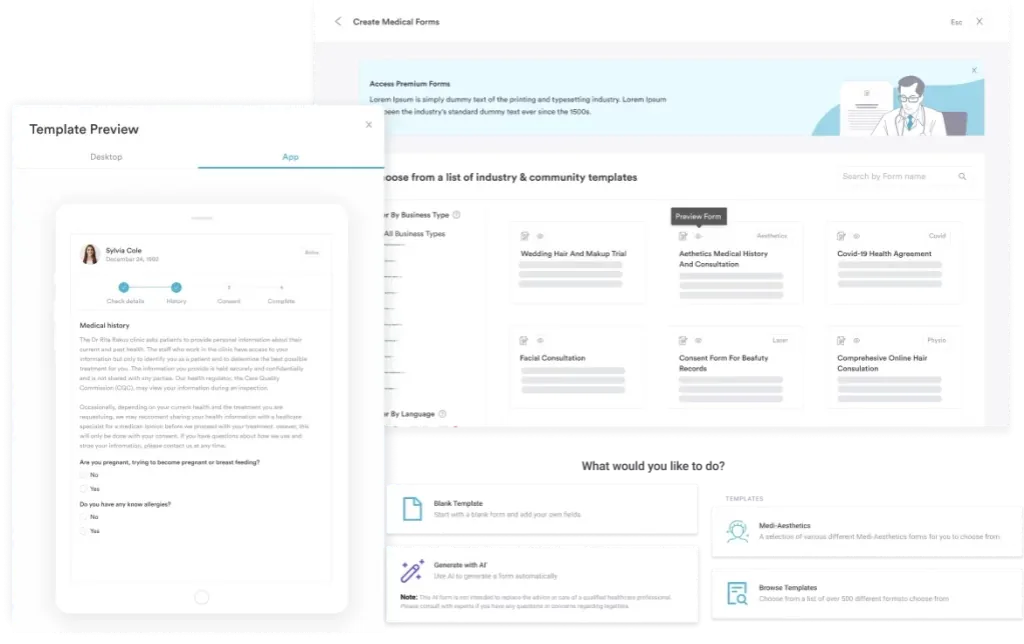
Pabau digital forms builder showing a structured clinical form template
Pabau’s digital forms let you build the W0860 operative note as a template, with set fields for laterality and the verbatim descriptor.

Every W0860 operative note must include:

  • CCSD procedure descriptor verbatim: “Metatarsophalangeal cheilectomy – unilateral, as sole procedure.” Copy the official descriptor into the procedure line of the note.
  • Laterality confirmed: State “left first MTP joint” or “right first MTP joint” explicitly. Do not use “the operative side” or rely on the patient’s wristband.
  • Intraoperative findings: The grade of hallux rigidus on a named grading system, plus cartilage condition. Record osteophyte size and location too, for example “dorsal osteophyte measuring approximately 8 mm at the first metatarsal head”.
  • Extent of resection: Volume of bone removed (e.g. “approximately 25% of the dorsal metatarsal head resected”) and the method used (osteotome, rongeur, burr).
  • No additional procedures performed: State explicitly that no implant was inserted and no arthroplasty was performed. This supports the “as sole procedure” qualifier.
  • Closure: Layered closure technique and any post-operative dressing applied.

Keep this pre-operative documentation in the clinical record alongside the operative note:
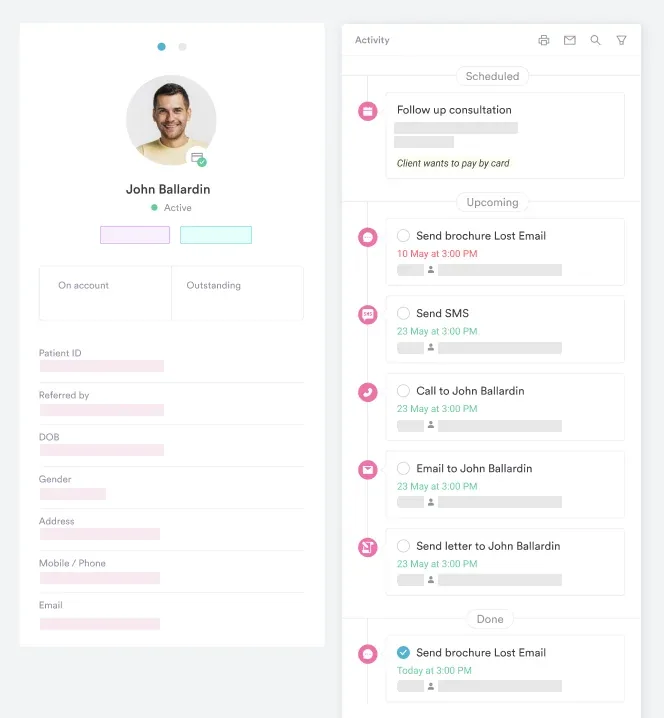
Pabau patient record view with documents and clinical history
Pabau’s patient records keep the X-ray report, consent form and consultation letters on one file, ready to attach to the W0860 claim.
  • Weight-bearing X-ray report confirming dorsal osteophyte and grading
  • Conservative treatment history with dates and outcomes (minimum 3-6 months)
  • Outpatient consultation letters documenting clinical examination findings
  • Signed patient consent form referencing the specific procedure
  • Pre-authorisation approval number (where applicable)

Pre-authorisation requirements by insurer

All major UK private health insurers require pre-authorisation for elective foot surgery. The table below summarises the approach of four large insurers that use CCSD codes. Requirements change between policy years, so check each insurer’s current provider portal. Our guide to Bupa CCSD codes covers Bupa’s requirements in detail.

InsurerPre-auth required?Clinical evidence typically requestedReference
BupaYes – all elective surgical proceduresConsultant letter, X-ray report, conservative treatment history (3+ months)Bupa code search
AXA HealthYes – surgical authorisation required before admissionSpecialist referral, imaging evidence, conservative treatment recordAXA Health procedure codes
AvivaYes – elective surgery requires pre-approvalOutpatient letters, X-ray or MRI, failed conservative managementAviva practitioner hub
Vitality HealthYes – pre-authorisation required for all in-patient and day-case surgeryConsultant referral, clinical justification, imagingVitality provider portal

Operating without a pre-authorisation number is the fastest route to a full claim rejection. The insurer may agree the procedure was clinically necessary and still refuse the claim if authorisation was missing at admission.

How to bill W0860: Step-by-step claim submission

A clean W0860 claim follows a consistent sequence. Skipping any step raises denial risk, and steps 1 and 4 are where most billing errors start.

  1. Obtain pre-authorisation before admission. Give the insurer’s provider line the planned CCSD code, the supporting ICD-10 diagnosis code and the consultant’s name. Record the authorisation number and confirm it covers the foot being treated.
  2. Confirm the CCSD code and current fee. Confirm W0860 rather than W0861, then check the insurer’s current fee schedule. Fees vary by insurer and change over time, so a fee from a previous schedule year is not reliable.
  3. Complete the operative note immediately after surgery. Include every mandatory field from the documentation section above, above all the verbatim CCSD descriptor and explicit laterality.
  4. Submit the claim with the correct code set. The claim line shows W0860, the supporting ICD-10 code (typically M20.2) and the date of surgery. It also carries the consultant’s provider number, the facility code and the pre-authorisation number.
  5. Attach supporting documents. Most insurers accept, and many require, the operative note, the pre-operative radiology report and the outpatient consultation letter. Pabau’s claims management software attaches them and submits UK claims electronically through Healthcode and Bupa.
  6. Track and follow up. Set a 14-day chase reminder. If no payment or query arrives in that window, contact the insurer’s provider payments team with the claim reference.

Billing bilateral cheilectomy under CCSD

Cheilectomy on both feet in the same session is billed once, under the dedicated bilateral code W0861, “Metatarsophalangeal cheilectomy – bilateral, as sole procedure”. It is never billed as W0860 twice. The CCSD schedule lists W0860 and W0861 together as an unacceptable combination, so a claim carrying both is rejected.

The fees show why the codes are kept apart. National Friendly pays £713 for W0861, against £548 for a single W0860. Two W0860 lines would claim £1,096, which overstates the bilateral fee by £383. The chart below sets the cheilectomy pair against the first MTP fusion pair, which follows the same unilateral and bilateral split.
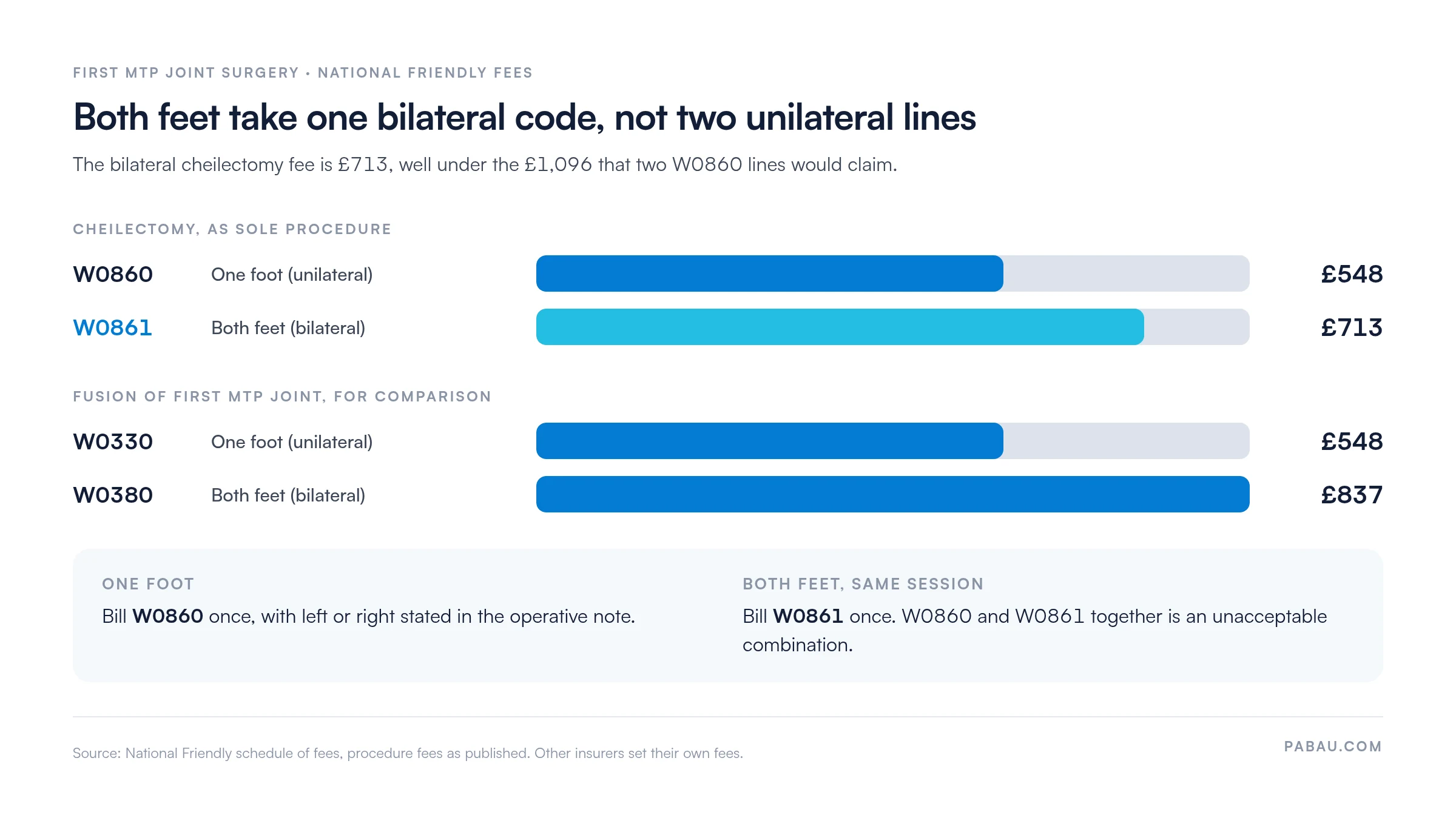
Bar chart of National Friendly procedure fees for first MTP joint surgery
Each bilateral code pays less than two unilateral fees, so a second W0860 line overclaims. Fees from the National Friendly schedule of fees.

Key rules for bilateral submissions:

  • One line, one code: Submit W0861 once for both feet. Never add W0860 to the same claim for either foot.
  • Bilateral pre-authorisation required: The pre-authorisation request must name W0861 and state that both feet are being treated in one session. Authorisation for W0860 does not extend to the second foot.
  • Separate operative note entries: Each foot needs its own intraoperative findings. A combined note that does not address each foot separately is insufficient.
  • Staged surgery is different: When the feet are treated in separate sessions, each session is its own W0860 claim. Each needs its own pre-authorisation and stated laterality.

Common reasons W0860 claims are denied

W0860 denials fall into five recurring categories, and each has a straightforward remedy.

Denial reasonWhat it looks likeRecommended action
Missing or incorrect pre-authorisationNo auth number on claim; auth obtained for wrong foot; auth expired before surgery dateAppeal with pre-auth correspondence and clinical justification; request retrospective authorisation where the insurer’s rules permit
Missing laterality in operative noteNote says “the foot” or “the operative side” rather than “left” or “right” explicitlyResubmit with an addendum to the operative note confirming laterality, signed and dated by the operating surgeon
Unsupported or absent ICD-10 codeDiagnosis code missing from the claim, or an unrelated code (e.g. M79.3 panniculitis) used rather than M20.2 or M19.07Correct the diagnosis code to match the clinical record; resubmit; ensure the code matches the insurer’s accepted diagnosis list for W0860
Bilateral surgery billed under W0860W0860 billed twice, or W0860 billed alongside W0861, for surgery on both feetResubmit under the dedicated bilateral code W0861 alone; confirm the pre-authorisation covered W0861
Policy lapsed or exclusion appliesPatient’s policy did not cover musculoskeletal surgery at the date of service, or a pre-existing condition exclusion applies to the footCheck eligibility before listing the patient for surgery; disputes of this type require escalation to the insurer’s customer relations team

Several CCSD codes sit close to W0860 in the foot section of the schedule. Upcoding to a more complex procedure or downcoding to a less specific one can trigger an audit or a denial. The table below maps the codes most often confused with W0860.

CCSD codeDescriptor (summary)Key distinction from W0860Use instead of W0860 when…
W0860MTP cheilectomy – unilateralBaseline: Dorsal osteophyte removal, joint-preserving, one footN/A – this is the reference code
W0861Metatarsophalangeal cheilectomy – bilateral, as sole procedureSame procedure on both feet in one session; W0860 and W0861 together is an unacceptable combinationBoth feet operated on in the same session
W0330Fusion of first metatarsophalangeal joint – unilateralThe joint is fused, not preserved; bilateral fusion is W0380The surgeon fuses the first MTP joint
W0390Inter articular resurfacing arthroplasty with implant of metatarsophalangeal jointInvolves joint resurfacing and an implantThe surgeon resurfaces the joint or inserts an implant
W5710Excision arthroplasty of first metatarsophalangeal joint (eg Keller, Bonney-Kessel procedures) including cheilectomy – unilateralCheilectomy is already included in the descriptorPart of the joint is excised as well as the osteophytes
W0850Partial excision of bone (including exostoses)Not specific to the MTP jointThe bone removed is not at the first MTP joint

When cheilectomy is done alongside another forefoot procedure on the same foot, W0860 no longer applies. A combined operation may fall under W0300, which covers at least two distinct forefoot procedures. If the joint is fused instead of preserved, the guide to W0330 covers the documentation that fusion needs.

Pro Tip

Before submitting a W0860 claim, run a laterality check across four documents: the pre-authorisation letter, the consent form, the operative note and the claim form. All four must name the same foot. A mismatch between any two invites a query from the insurer and holds up payment.

How Pabau keeps W0860 claims consistent

Most W0860 queries trace back to four documents that disagree. The pre-authorisation, consent form, operative note and claim each name a foot, and often a code. In many practices they live in different systems, and someone retypes the details at billing time.

Pabau holds them on one patient file. The operative note template carries the verbatim descriptor and a laterality field. The claim is then built from the same record and sent to the insurer through Healthcode or Bupa. Payment status comes back to that file, so an unpaid W0860 claim surfaces before the 14-day chase date.

Send clean W0860 claims to UK insurers

Pabau keeps the operative note, pre-authorisation number and CCSD code on one patient file, then submits the claim through Healthcode or Bupa and tracks payment.

Pabau claims management dashboard

Conclusion

Decide the code before the patient is listed, not when the claim is written. One foot as the only procedure is W0860. Both feet in one session is W0861, and any added forefoot work moves the claim to another code. Put that decision on the pre-authorisation request, and the operative note and claim only have to match it.

The trade-off sits with bilateral cases. W0861 pays less than two unilateral fees, but it is the only version insurers accept. Book a demo to see how Pabau keeps the code, the note and the claim in step for every W0860 case.

Continue your research

Continue your research

Need a Bupa-specific CCSD coding reference? Bupa CCSD codes and fee schedule covers Bupa’s procedure code list, fee chapters and invoicing requirements for UK private practice.

Billing a bunion rather than a bone spur? CCSD code W7900 explains how to bill excision of the medial eminence of the first or fifth metatarsal head.

Frequently asked questions

What is CCSD Code W0860?

CCSD Code W0860 is the UK private healthcare billing code for metatarsophalangeal cheilectomy on one foot, as sole procedure. The surgeon removes dorsal bone spurs from the first MTP joint to restore dorsiflexion and relieve impingement pain. Orthopaedic and podiatric surgeons use it when billing UK private insurers.

Is W0860 for one foot or both feet?

W0860 covers one foot only, and “unilateral” is part of its official descriptor. Cheilectomy on both feet in the same session is billed once under W0861, the bilateral code. W0860 and W0861 together are an unacceptable combination, so never put both on one claim.

What diagnosis code should I pair with W0860?

WHO ICD-10 M20.2 (hallux rigidus) is the diagnosis most often paired with W0860 on UK private insurance claims. M19.07 (primary arthrosis of the ankle and foot) also fits where the record documents first MTP osteoarthritis. The diagnosis code must match the clinical record and operative findings exactly.

Does W0860 require pre-authorisation from Bupa or AXA Health?

Yes. Bupa, AXA Health, Aviva and Vitality all require pre-authorisation for elective surgery, including W0860. Operating without an authorisation number before admission is the most common cause of full claim rejection. Check the insurer’s current provider portal, as requirements are updated periodically.

What are the most common reasons a W0860 claim is denied?

The five most frequent causes are missing or expired pre-authorisation and an operative note without explicit laterality. An absent or wrong ICD-10 code is the third. Billing both feet under W0860 instead of W0861 is the fourth, and a lapsed policy or exclusion is the fifth. The denial table above gives the fix for each.

Can W0860 be billed alongside an anaesthesia code?

Yes, in most cases. The anaesthetist bills the anaesthesia fee separately, and it is not part of the surgeon’s W0860 claim. Where the surgeon also gives the anaesthetic, check the insurer’s rules. Some restrict how one practitioner bills procedural and anaesthesia fees on the same claim.


Avatar photo
Anja Dodevska
Content Writer

Anja Dodevska writes about healthcare, dermatology, and the day-to-day realities of running a medical practice for Pabau. She enjoys breaking down complex topics into clear, accessible content and has a soft spot for the often-overlooked aspects of clinic life. When she's not writing, she's exploring cafes, walking her dog, or spending time with friends and family.
×

