

HCPCS Code Q4175: Billing, coverage, and documentation guide
HCPCS Code Q4175: Code Description and Product Identity HCPCS Code Q4175 is the ...

Last Updated: Nov 20, 2026
T6720 is the CCSD (Clinical Coding and Schedule Development) code for percutaneous lengthening of Achilles tendon. Surgeons use it to bill UK private medical insurers when the heel cord is lengthened through small stab incisions, with no open exposure. Bupa’s schedule lists it in band INTER 4.
If the tendon is lengthened through a formal open incision, the code is T6722 instead.
Let Pabau's smart automation suggest the right codes, reduce claim denials, and keep your practice compliant—effortlessly.
Automate repetitive tasks and focus on what matters most—your patients.
Reduce coding errors and ensure compliance with the latest regulations.
Clean claims, fewer denials, and faster reimbursements.
Powerful insights and reporting to help your practice thrive.
HIPAA compliant SOC 2 certified GDPR-compliant Trusted by 4,000+ clinics worldwide

CCSD code T6720 covers percutaneous Achilles tendon lengthening only. Open lengthening is T6722, and revision of a lengthening is T6723.
Bupa places T6720 in fee band INTER 4. The Exeter lists £350 for the surgeon and £213 for the anaesthetist.
UK insurers expect a WHO ICD-10 diagnosis, most often M67.0 Short Achilles tendon (acquired), matched to the documented clinical finding.
Pabau’s practice software keeps the CCSD code, ICD-10 diagnosis and authorisation reference on the patient record, so each insurer invoice goes out complete.
CCSD code T6720 is the UK private-healthcare procedure code for percutaneous lengthening of the Achilles tendon. It sits in the schedule maintained by the CCSD Group, which surgeons and anaesthetists use to invoice private medical insurers. The Exeter’s fee schedule lists it under the official descriptor, Percutaneous lengthening of Achilles tendon.
CCSD stands for Clinical Coding and Schedule Development. The CCSD Group is made up of Bupa, Vitality, AXA Health and Aviva, and it maintains the codes. Other UK insurers recognise T6720 too, including WPA and The Exeter. Our Bupa CCSD codes guide explains how the schedule works. To compare T6720 with neighbouring tendon codes, browse our CCSD code reference library.
The key word is percutaneous. The code applies only when the surgeon reaches the tendon through small stab incisions, with no open wound. A lengthening done through a formal incision is T6722, not T6720. Releasing a contracted muscle at a large joint, such as the quadriceps, is a different procedure again, coded as T8003.
Percutaneous Achilles tendon lengthening elongates the tendon through a series of small stab incisions, without exposing it. The goal is to increase ankle dorsiflexion by releasing a tight heel cord in a controlled way.
The Hoke triple hemisection is the most widely referenced technique. The surgeon makes three stab incisions: one medial cut proximally, one lateral cut mid-tendon and one medial cut distally. The foot is then held in dorsiflexion while the tendon slides and lengthens across the hemisections.
Procedural details the operative note should record:
Insurers can ask for the operative note when they review a T6720 invoice. A note that says only “Achilles tendon surgery”, without naming the percutaneous technique, invites a query.
T6720 fits a tight or contracted Achilles tendon that has not improved with conservative treatment and needs surgical lengthening. The most common underlying conditions are:
In most of these cases the operation is planned and elective. UK private medical insurers therefore expect pre-authorisation before the surgery date, as set out below.
Three coding errors come up again and again with Achilles surgery. Coders use T6720 for an open procedure, confuse lengthening with gastrocnemius recession, or bill a primary code for a revision. The table separates T6720 from its closest neighbours in the CCSD schedule.
The distinction matters beyond coding. Gastrocnemius recession is a less aggressive operation than Achilles lengthening, with a different rehabilitation plan. If the surgeon performed a recession but T6720 was invoiced, the insurer may reject the claim once it sees the operative note.
Repairs are coded separately again. A fresh rupture repaired at the first operation is CCSD code T6780. A delayed or secondary repair of an older rupture is T6810. Confirm the current code numbers against the insurer’s schedule or the CCSD technical guide before you invoice.
Taken in order, four questions about the operative note settle which of these codes belongs on the invoice.
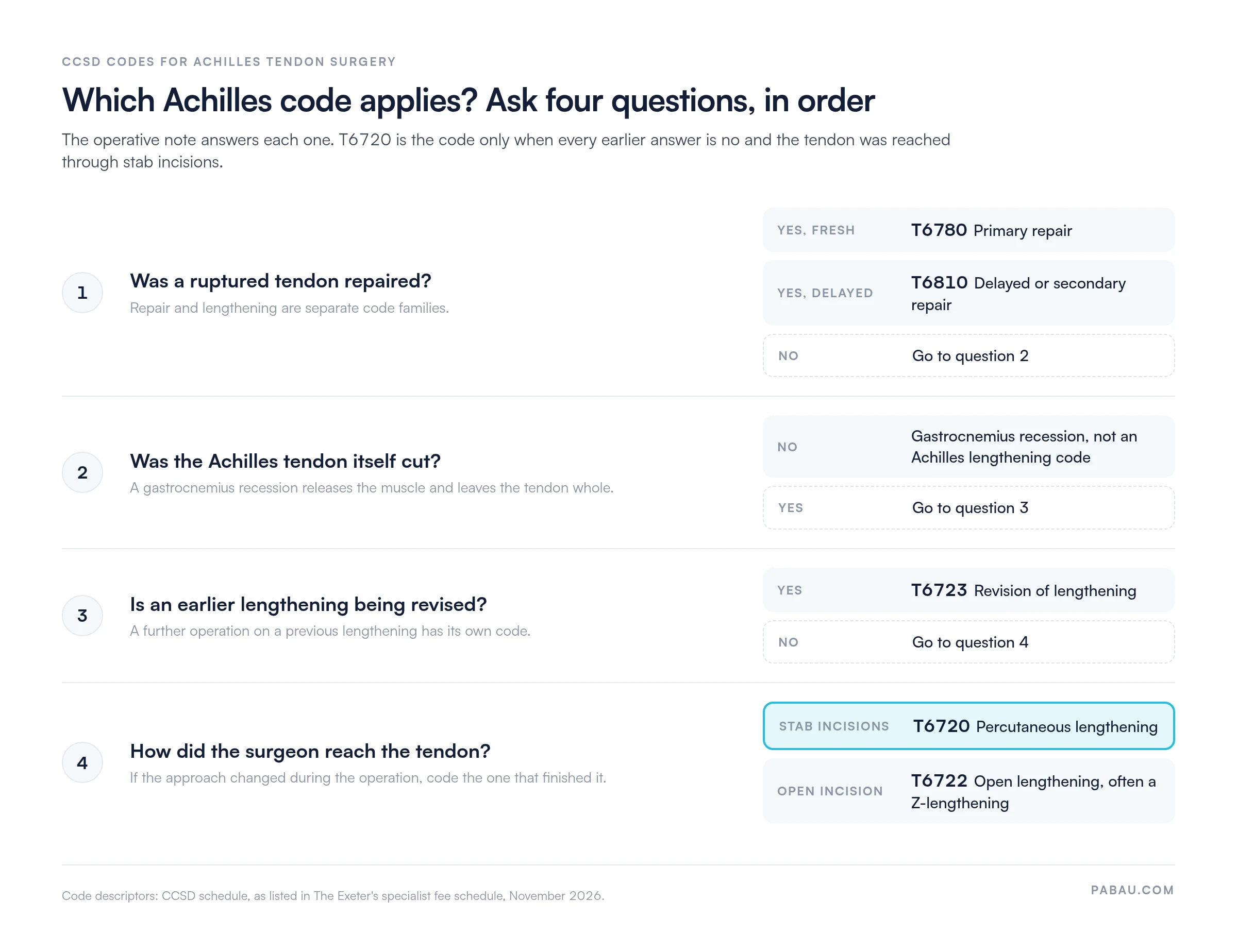
CCSD sets the codes, and each insurer sets its own fees against them. Bupa places T6720 in fee band INTER 4. The Exeter’s fee schedule lists £350 for the surgeon and £213 for the anaesthetist.
AXA Health, Aviva, Vitality and WPA publish their own schedules and benefit limits, so the same code can pay differently. A surgeon who charges more than the insurer pays leaves the patient with a shortfall. Tell the patient about it in writing before the operation.
When comparing UK medical billing software, check that it holds each insurer’s fee against the CCSD code.
Check the T6720 fee in each insurer’s schedule whenever it is republished. The Exeter’s £350 is not another insurer’s figure, so record the shortfall conversation before you charge above an insurer’s rate.
UK private medical insurers expect pre-authorisation before a planned procedure such as T6720. Requirements differ between insurers, policies and hospitals, so confirm them for each patient before you book theatre.
When you request authorisation, have the following ready:
Record the authorisation reference in the patient’s file and quote it on the invoice. If the plan changes to an open lengthening, ask the insurer to update the authorisation to T6722 before you invoice.
Every T6720 invoice needs a diagnosis code that reflects the documented clinical finding, not just the operation. UK insurers use the WHO ICD-10 classification, not the US ICD-10-CM edition.
Use the most specific code the record supports. M67.0 is a reasonable default for an acquired short Achilles tendon. A record that documents cerebral palsy, though, calls for the G80 code instead, and an insurer’s coders may query the weaker choice.
UK insurers expect a consistent set of clinical documents before they pay a T6720 invoice. A missing document can be enough for the claim to be held.
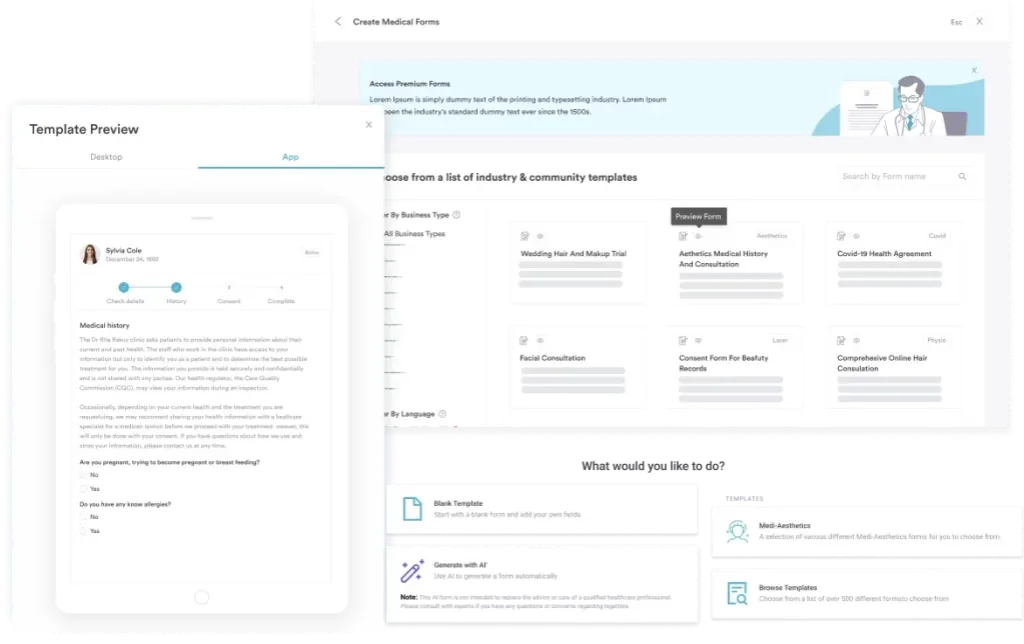
Digital clinical forms capture the surgical note and referral letter at the point of care. The paperwork is then complete before anyone raises the invoice.
CCSD has no US-style modifiers. When both Achilles tendons are lengthened in one session, or T6720 is one of several procedures, each insurer applies its own rules. Some pay the second procedure at a reduced rate, so check the policy before you invoice.
The CCSD technical guide explains how codes are built and which combinations are not acceptable. For a bilateral case, make sure the authorisation covers both sides and the operative note records each one.
T6720 claims are rejected for a predictable set of reasons. Most are preventable with a checklist completed before the surgery date.
When a claim is rejected, ask the insurer for the reason in writing. Administrative errors, such as a missing reference, can usually be corrected and resubmitted. A clinical rejection may need a formal appeal with more supporting evidence.
Build a T6720 checklist into your practice management system and run it before every invoice. Confirm the authorisation reference and the ICD-10 match. Check that the note names the technique and the side, and that the anaesthetist invoice agrees.
Billing errors on surgical codes like T6720 usually start before the invoice. The paperwork is finished late, the authorisation reference sits in a separate inbox, or the diagnosis is chosen at billing time.
Pabau keeps all three on the patient record. Pabau’s claims management software lets the team attach the operative template, the ICD-10 diagnosis and the authorisation reference when the procedure is booked. The invoice is then complete when it is raised, not patched together afterwards.
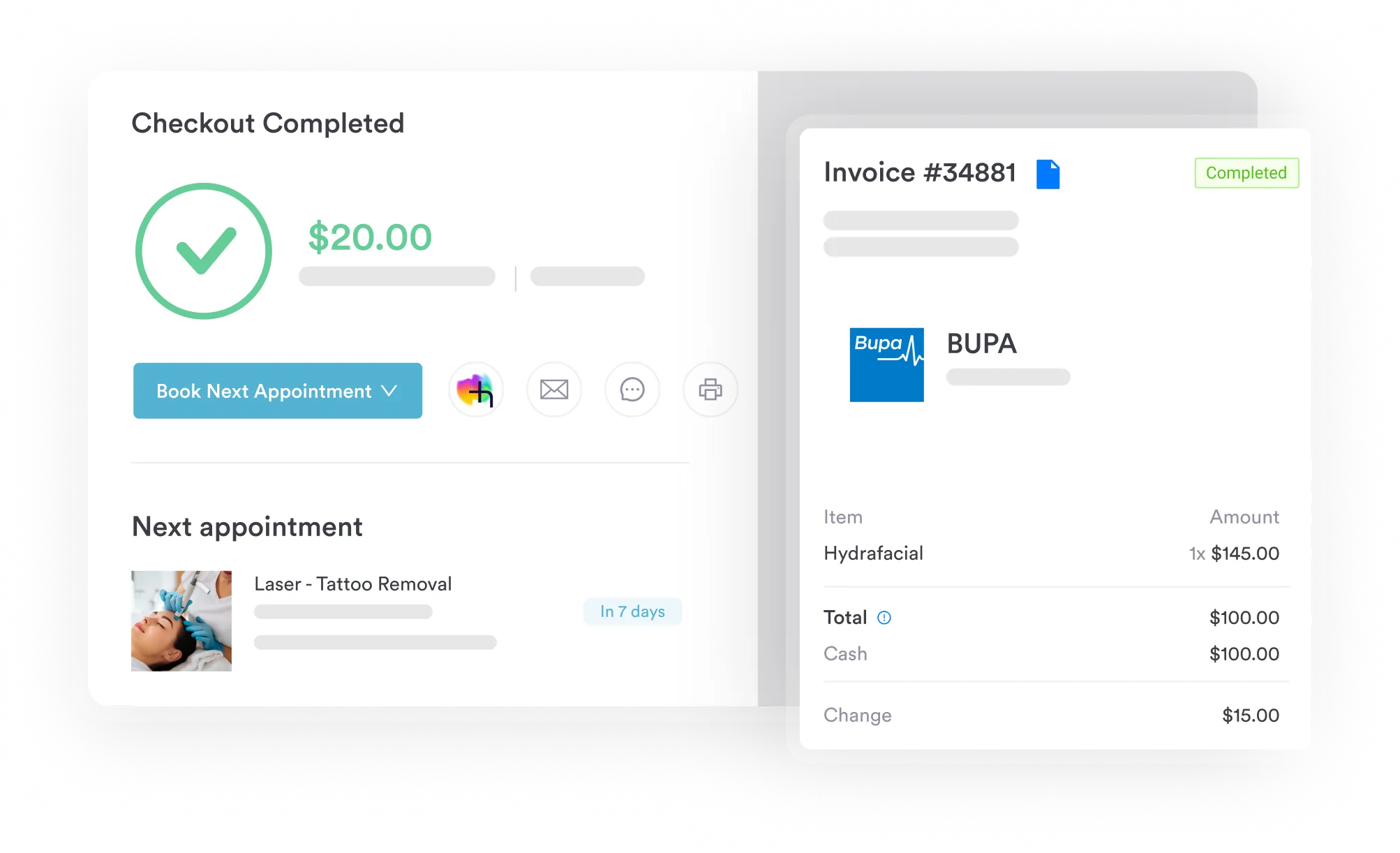
Invoices go to UK insurers electronically through Healthcode. Authorisation expiry dates can sit in the diary as reminders, so a postponed operation does not go ahead on a lapsed reference.

Pabau lets orthopaedic and podiatric practices attach CCSD codes, ICD-10 diagnoses and authorisation references to the patient record. Every insurer invoice is then complete before it goes out.

T6720 turns on one word in the operative note: percutaneous. Get that right, pair it with a WHO ICD-10 code the record supports, and obtain authorisation before the surgery date. Miss any one of the three and the claim can stall, even when the operation was sound.
Practices that settle all three before theatre, not after, spend less time on queries and get paid sooner. To see how Pabau keeps clinical records and insurer billing in one workflow, book a demo.

Need a broader CCSD billing reference? Bupa CCSD codes overview explains how the CCSD schedule works and how codes match insurer fee schedules.
Comparing billing platforms for a UK private practice? The best medical billing software in the UK reviews the leading options for insurer invoicing.
Billing an Achilles rupture instead of a lengthening? CCSD code T6780 covers primary repair of the Achilles tendon.
CCSD code T6720 is the UK private-healthcare procedure code for percutaneous lengthening of the Achilles tendon. The surgeon lengthens the tendon through small stab incisions, with no open wound. Open lengthening is a different code, T6722.
The CCSD Group insurers, Bupa, Vitality, AXA Health and Aviva, recognise T6720. WPA and The Exeter use it too. Each insurer sets its own fee and authorisation rules against the code.
Bupa places T6720 in fee band INTER 4. The Exeter lists £350 for the surgeon and £213 for the anaesthetist. Other insurers publish their own figures, so check each schedule before you invoice.
Yes, in most cases. Achilles lengthening is a planned operation, so UK private medical insurers expect authorisation before the surgery date. Quote the authorisation reference on the invoice.
UK insurers use WHO ICD-10. The most common pairing is M67.0 Short Achilles tendon (acquired). Others include G80 codes for cerebral palsy, Q66.0 for residual clubfoot and E11.4 or E11.5 for diabetic foot. Use the most specific code the record supports.
T6720 covers percutaneous lengthening through stab incisions, without seeing the tendon directly. T6722 covers open lengthening through a formal incision, often a Z-lengthening. Revision of an earlier lengthening is T6723.
The usual reasons are a missing or lapsed authorisation and a diagnosis that does not justify Achilles surgery. An operative note that describes an open technique is another. A checklist run before each invoice prevents most of them.





