CPT Code 25210: Excision of a single carpal bone
CPT Code 25210: Official descriptor and quick-reference data CPT Code 25210 is a...

Last Updated: Nov 26, 2026
CCSD code T6914 covers tenolysis of an extensor tendon of the hand. The surgeon frees a tendon stuck to scar, bone or metalwork so the finger or thumb can straighten actively again.
The code sits in chapter 16 of the CCSD Schedule, sub-chapter 16.6.2. UK insurers such as Bupa, AXA Health, Aviva and Vitality use it, and claims go through Healthcode.
Let Pabau's smart automation suggest the right codes, reduce claim denials, and keep your practice compliant—effortlessly.
Automate repetitive tasks and focus on what matters most—your patients.
Reduce coding errors and ensure compliance with the latest regulations.
Clean claims, fewer denials, and faster reimbursements.
Powerful insights and reporting to help your practice thrive.
HIPAA compliant SOC 2 certified GDPR-compliant Trusted by 4,000+ clinics worldwide

CCSD code T6914 covers tenolysis of an extensor tendon of the hand, listed in chapter 16 under sub-chapter 16.6.2.
Flexor tenolysis in the hand is a different code, T6982, so the tendon named in the operative note decides the claim.
CCSD lists T6710, T6820 and T7110 as unacceptable combinations with T6914, so none of them shares the claim.
UK insurers such as Bupa, AXA Health, Aviva and Vitality expect pre-authorisation before an elective tenolysis.
Claims go through Healthcode with a WHO ICD-10 diagnosis code that matches the history in the notes.
CCSD code T6914 covers tenolysis of an extensor tendon of the hand: freeing a tendon from scar so it can glide again. The code comes from the CCSD Schedule, the procedure codes used across UK private healthcare.
CCSD stands for Clinical Coding and Schedule Development. Insurers such as Bupa, AXA Health, Aviva and Vitality use its codes, and practices send claims to them through Healthcode. Our CCSD codes reference gathers the other code guides in this series.
Extensor tenolysis treats a tendon stuck to scar, bone or plate after an injury, a repair or a fracture. The patient cannot fully straighten the finger, though the joint moves well when pushed passively. When the fracture has also healed out of line, correcting the bone is a separate operation, billed under CCSD W1641.
Surgeons usually offer it only after months of hand therapy have stopped improving the range. The operation follows a set sequence:
Record each step, especially the excursion before and after release. Insurers look for that detail when they review a tenolysis claim.
The listing describes one operation, the release of an extensor tendon in the hand. Read it narrowly. Work beyond that description usually needs its own code or the insurer’s agreement.
Usually part of a T6914 operation:
Not covered by T6914:
If the plan changes in theatre, the code may change with it. Tell the insurer promptly, and keep its answer on file.
Kleinert and Verdan divided the extensor mechanism of the fingers and wrist into eight zones, numbered from the fingertip towards the forearm. Odd zones sit over joints and even zones over the segments between them. Newport’s review of extensor tendon injuries sets the zones out.
Zones I to VII lie in the finger, hand and wrist, where T6914 applies. Zone VIII is the distal forearm, outside the hand.
The thumb uses its own numbering, zones T-I to T-V, because it has one phalanx fewer. Record the zone, digit and hand for every tendon released.
The most important choice in hand tenolysis coding is which tendon system was released. T6914 covers the extensor side. T6982 covers tenolysis of a flexor tendon of the hand.
The operative note settles it. A dorsal incision releasing the extensor mechanism is T6914. A volar incision releasing a flexor tendon is T6982. The three questions below take a coder from the note to the right code, including the combinations CCSD rules out.
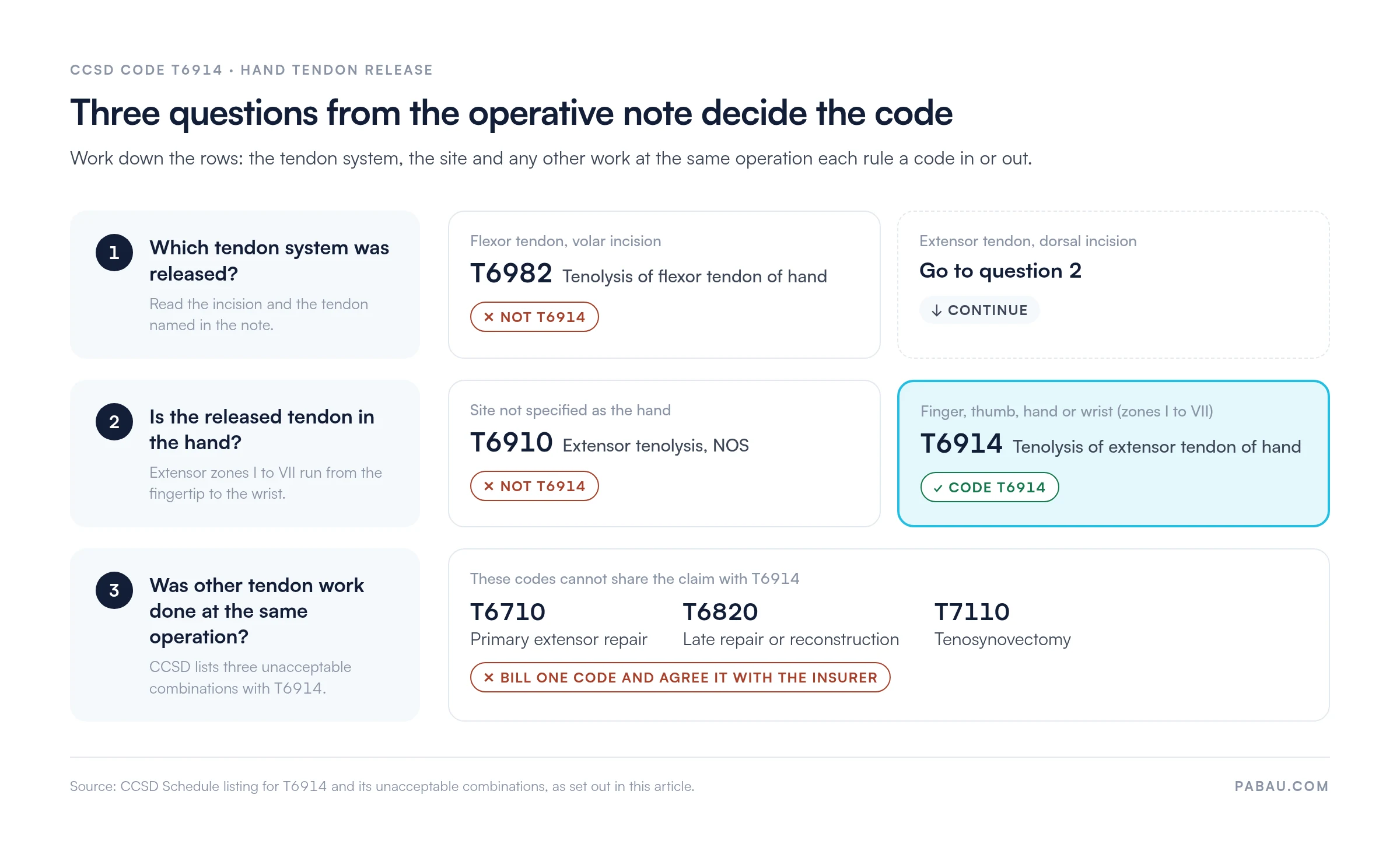
CCSD publishes unacceptable combinations for T6914. Three codes cannot be billed with it for the same operation, and two more sit close enough to cause coding errors.
Our guides to T6710 and T6820 cover the two extensor repair codes in the same format.
Flexor repairs have their own codes, explained in our guides to T6752 and T6830. Tendon work in the foot is coded separately again, with a toe tendon transfer on both feet billed as T6461.
Check the CCSD listing for T6914 before you build the claim, not after a query. The unacceptable combinations are published on the code page, and insurers may add rules of their own on top.
UK insurers expect WHO ICD-10 codes, not the US ICD-10-CM set. Tenolysis treats the after-effects of an earlier injury, so the diagnosis should describe that history.
Use the most specific code the notes support, and keep it the same across the surgeon, anaesthetist and hospital claims. Confirm each code in the WHO ICD-10 browser before you submit.
The operative note is the document an insurer reads to confirm that the coded procedure matches the operation. A vague note is the most common reason for a query.
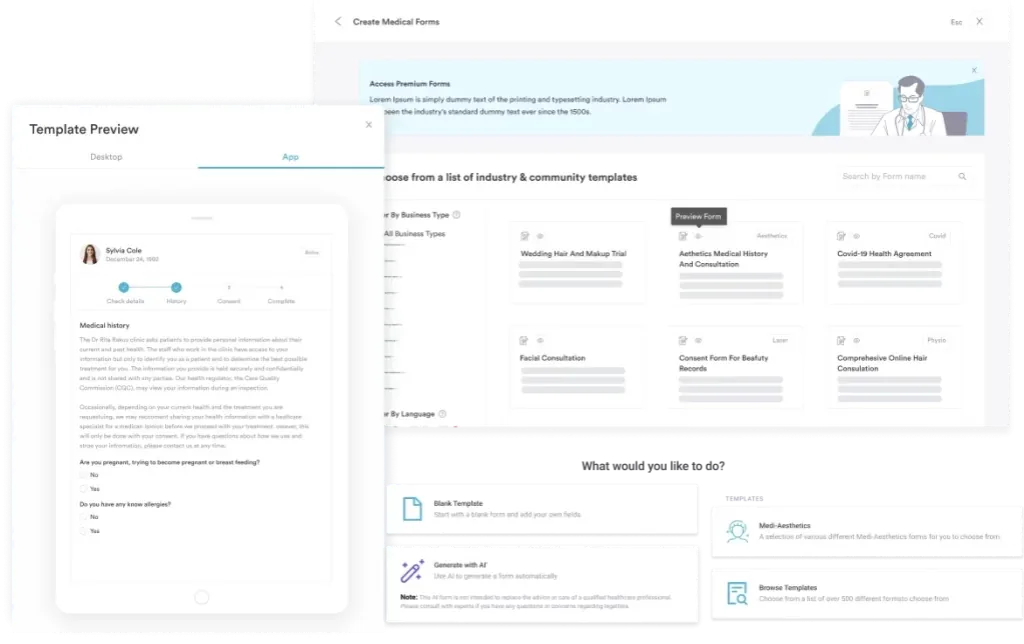
A structured operative note template captures each item on the day. Pabau, a practice management platform, gives the note set fields through its digital forms. The surgeon fills in each detail after the operation, rather than recalling it at the end of a list.
Tenolysis is an elective operation, so UK insurers such as Bupa, AXA Health, Aviva and Vitality expect pre-authorisation first. The patient usually calls the insurer, which issues a reference for the claim.
Insurers typically ask for:
Each insurer sets its own fees and policy rules for the code. Confirm that it recognises the surgeon for hand surgery. Our Bupa CCSD codes guide shows how one large insurer applies the schedule.
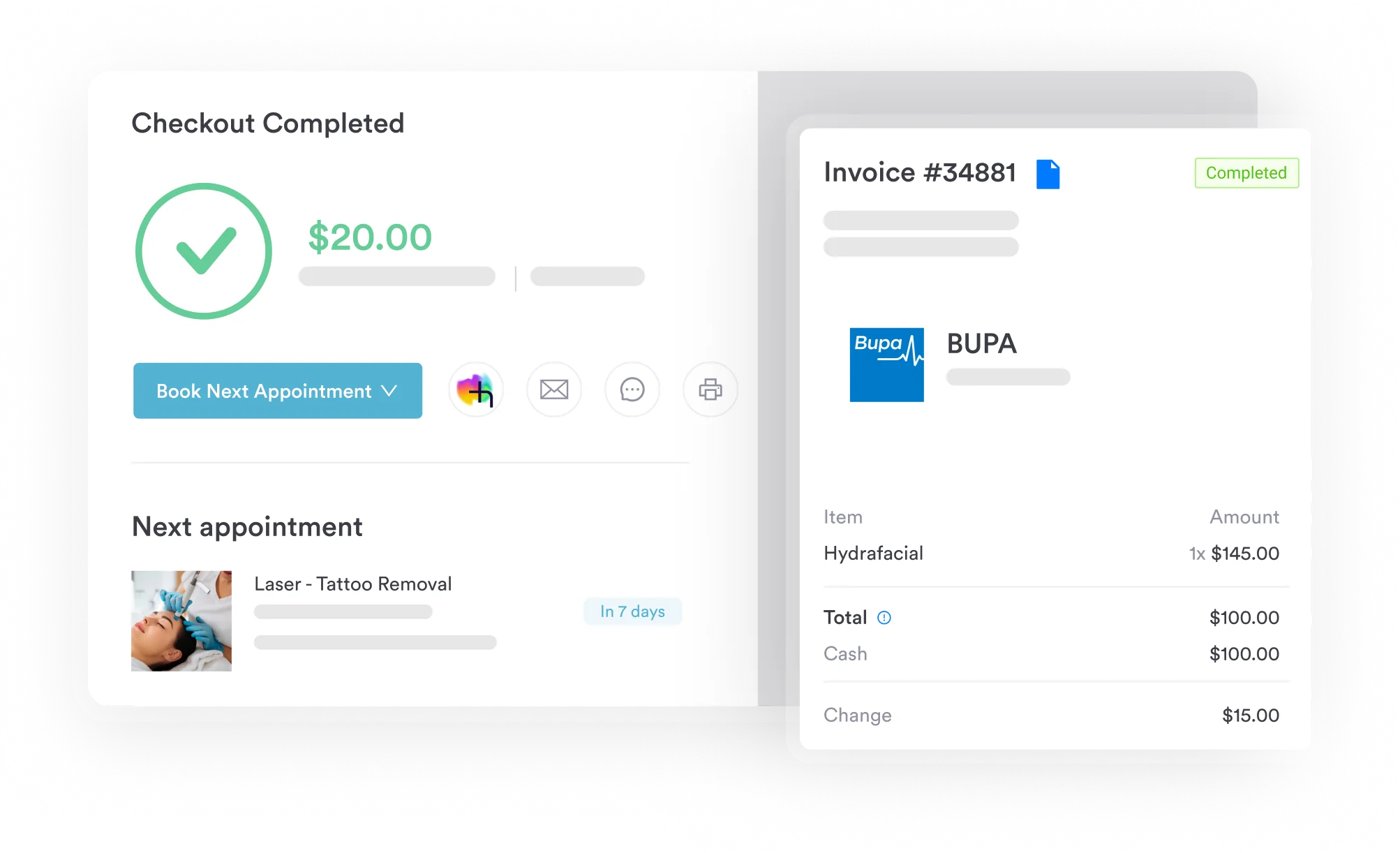
Pabau’s claims management software sends these claims through Healthcode and keeps the reference on the patient’s case.
Most T6914 queries trace back to the wrong tendon code, a banned combination or a thin note. Each one is preventable before submission.
No. CCSD lists T6710, the primary extensor repair code, and T6820, the late repair or reconstruction code, as unacceptable with T6914. That rule applies at the same operation, whatever the zones.
Clinically, the two rarely meet anyway. Tenolysis is usually a second operation, months after a repair, once adhesions have formed and therapy has stalled.
Several fingers in one operation need care too. CCSD has no multiple-digit modifiers, so agree with the insurer how to report them. Record each finger separately in the clinical record.
A T6914 claim depends on three pieces lining up: the pre-authorisation reference, a clear operative note and a matching diagnosis code. Chasing them across email and paper slows the claim down.
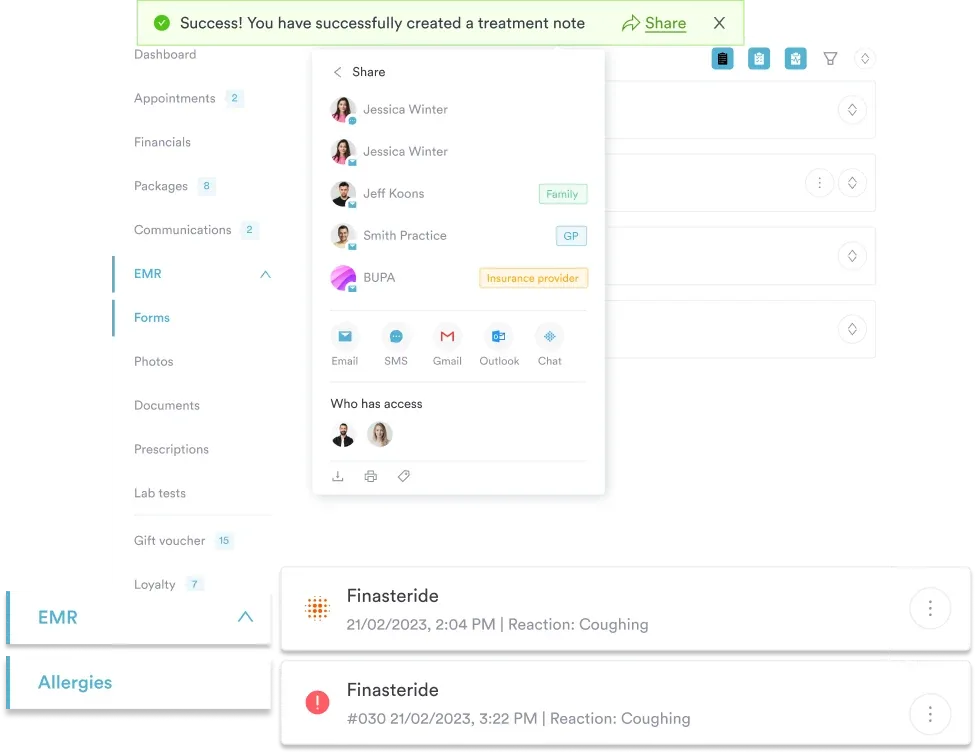
Pabau keeps those steps on one patient record. The operative note, consent form and insurer reference sit on the same case. The claim then goes to Bupa, AXA Health, Aviva or Vitality through Healthcode.
When an insurer queries the claim, staff answer from one screen. The note shows the tendon, zone and excursion the insurer asked about.

Pabau keeps the operative note, pre-authorisation reference and Healthcode claim on one patient record. Your team can answer an insurer query without switching systems.

T6914 turns on one fact: the tendon released was an extensor in the hand. Name it, record the zone and excursion, and the code is easy to defend.
The bigger risks sit around the code. A repair code or tenosynovectomy cannot share the claim, and a missing reference stops payment. Settle both before theatre.
Book a demo to see how Pabau links the operative note, the insurer reference and the Healthcode claim for your hand surgery list.

Billing the repair that came first? CCSD code T6710 covers primary extensor tendon repair in the hand.
Reconstructing an extensor tendon instead? CCSD code T6820 explains why it cannot share a claim with T6914.
Working with one large UK insurer? Bupa CCSD codes shows how Bupa applies the CCSD Schedule.
CCSD code T6914 covers tenolysis of an extensor tendon of the hand. The surgeon frees the tendon from scar so it can glide again. It sits in chapter 16, sub-chapter 16.6.2, of the CCSD Schedule used by UK private insurers.
T6914 covers tenolysis of an extensor tendon of the hand, usually through a dorsal incision. T6982 covers tenolysis of a flexor tendon of the hand, through a volar incision. The tendon named in the operative note decides which code applies.
Usually, yes. Tenolysis is elective, so insurers such as Bupa, AXA Health, Aviva and Vitality expect pre-authorisation before surgery. Each insurer sets its own rules, so confirm with the patient’s insurer and put the reference on the claim.
The operative note should name the extensor tendon, the digit, the hand and the zone. It should describe the adhesions and record excursion before and after release. Add the pre-authorisation reference and a matching WHO ICD-10 code.
No. CCSD lists T6710, primary extensor repair, and T6820, late extensor repair or reconstruction, as unacceptable combinations with T6914. T7110, tenosynovectomy, is unacceptable with it too. Bill one code and agree any change with the insurer.
UK insurers use WHO ICD-10. T92.5 covers sequelae of a muscle and tendon injury of the upper limb, and T92.2 covers sequelae of a hand fracture. S66.2 or S66.3 suit a recent extensor injury. Check each code in the WHO ICD-10 browser.