CPT code 85651: Erythrocyte sedimentation rate, non-automated
CPT code 85651: Definition, descriptor, and code summary CPT code 85651 is the p...

Last Updated: Nov 24, 2026
T1240 is the CCSD code for insertion of tube drain into pleural cavity.
Let Pabau's smart automation suggest the right codes, reduce claim denials, and keep your practice compliant—effortlessly.
Automate repetitive tasks and focus on what matters most—your patients.
Reduce coding errors and ensure compliance with the latest regulations.
Clean claims, fewer denials, and faster reimbursements.
Powerful insights and reporting to help your practice thrive.
HIPAA compliant SOC 2 certified GDPR-compliant Trusted by 4,000+ clinics worldwide

CCSD code T1240 covers insertion of a tube drain into the pleural cavity, not a simple aspiration or drain removal.
Thoracentesis (pleural aspiration) is coded separately; submitting T1240 when only aspiration was performed is a common upcoding error.
Most major UK private health insurers require pre-authorisation before a T1240 procedure; missing pre-auth is the leading cause of claim rejection.
Pabau’s integrated CCSD billing and Healthcode-connected submission tools help private practices submit T1240 claims accurately and reduce denials.
CCSD code T1240 is the Classification of Clinical Surgical Demand procedure code for insertion of a tube drain into the pleural cavity. The official CCSD descriptor is: Insertion of tube drain into pleural cavity. The code sits within the T12 chapter of the CCSD schedule, which covers thoracic surgical procedures.
It applies when a clinician inserts an intercostal drain (ICD), chest tube, or thoracic drain through the chest wall into the pleural space and leaves it in situ to drain fluid, air, blood, or pus over time.
T1240 is distinct from codes covering simple pleural aspiration or drain removal. The defining clinical feature is that a drain is left in place, connected to either an underwater seal or another drainage system, rather than a one-off needle aspiration and withdrawal.
CCSD codes are maintained by the CCSD Group and used by the major UK private health insurers, including Bupa, AXA Health, Aviva, and Vitality Health, to process procedure-based reimbursement claims submitted via Healthcode or direct insurer portals.
Understanding the bundling scope of T1240 matters because incorrect unbundling or under-coding generates denials and audit flags.
The key distinction payers audit is whether a drain was physically inserted and left in situ. If the clinical record shows only a needle aspiration with immediate removal, T1240 is incorrect and a thoracentesis code should be used instead.
T1240 is performed when ongoing drainage of the pleural space is clinically necessary. The British Thoracic Society (BTS) publishes guidelines on pleural procedures that define the evidence base for each indication; these guidelines are the standard reference for documenting clinical justification in the operative note.
Documenting the specific indication in the operative note is not merely good clinical practice: Payers use this information to validate that tube drainage, rather than aspiration alone, was clinically appropriate for the presentation.
Coders reviewing operative notes for T1240 should understand the typical procedural steps, because documentation gaps at any stage can delay reimbursement. The intercostal drain insertion procedure generally follows this sequence:
An operative note that documents all six steps, including tube size, laterality, technique (trocar vs Seldinger), and imaging used, satisfies the documentation requirements all major payers require for T1240.
Several CCSD codes cover pleural procedures, and selecting the wrong one is a frequent source of denials. The core distinctions hinge on whether a drain is left in situ, whether imaging guidance is involved, and whether the procedure is aspiration-only.
The aspiration vs tube drain distinction is the most litigated. A thoracentesis (pleural tap) uses a needle or small-bore catheter to withdraw fluid in a single session; the access device is removed at the end of the procedure. T1240 specifically requires a drain to be inserted and left in position. If the clinical record is ambiguous, payers default to denying the higher-value drain code.

Pabau’s integrated CCSD code library and Healthcode-connected billing help private respiratory practices submit T1240 claims with complete documentation the first time. See how it works.

An incomplete operative note is the second most common reason T1240 claims are denied, after missing pre-authorisation. Payers and Healthcode billing systems validate the clinical record against a checklist of mandatory elements before releasing payment.
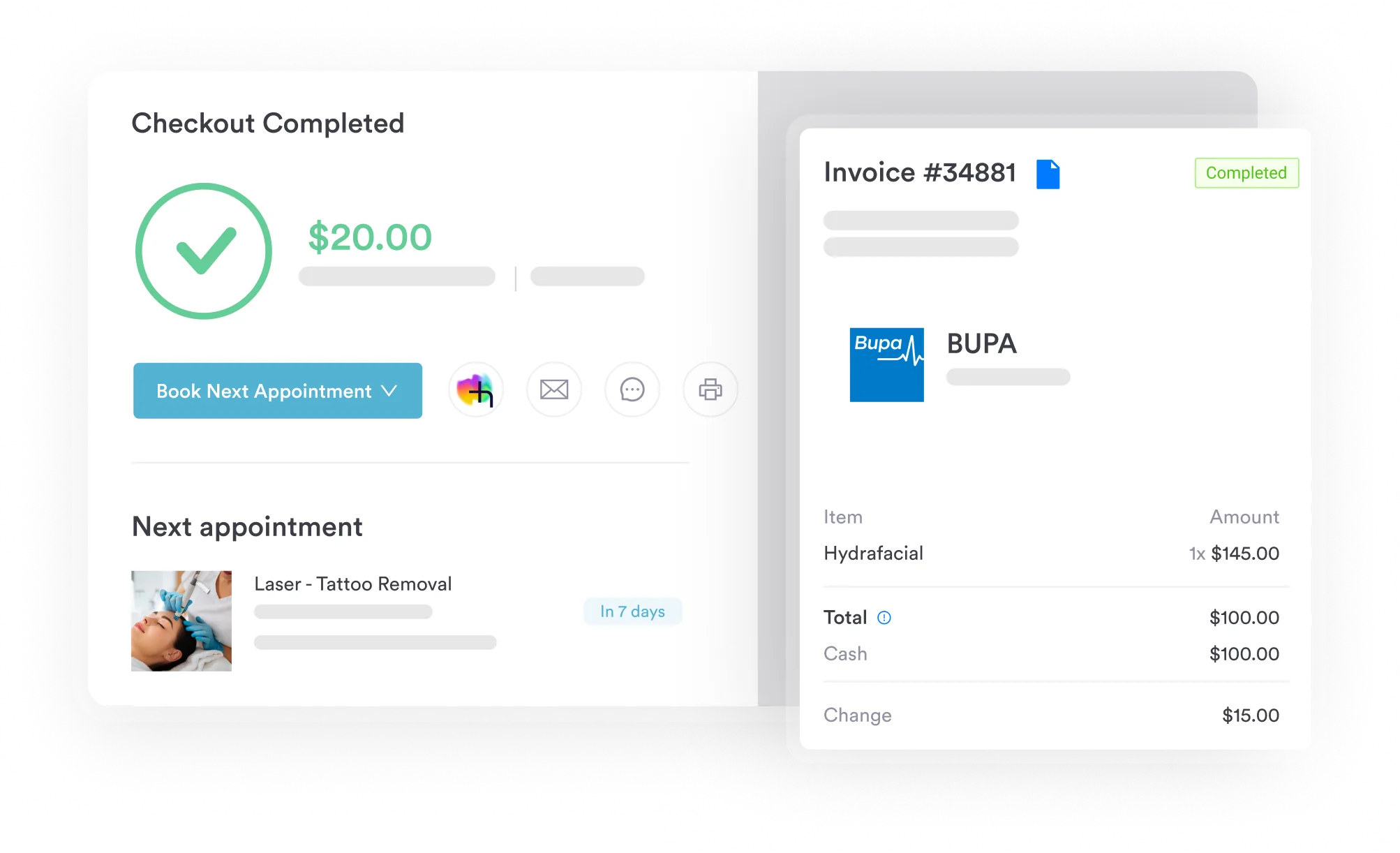
The operative note for T1240 should include:
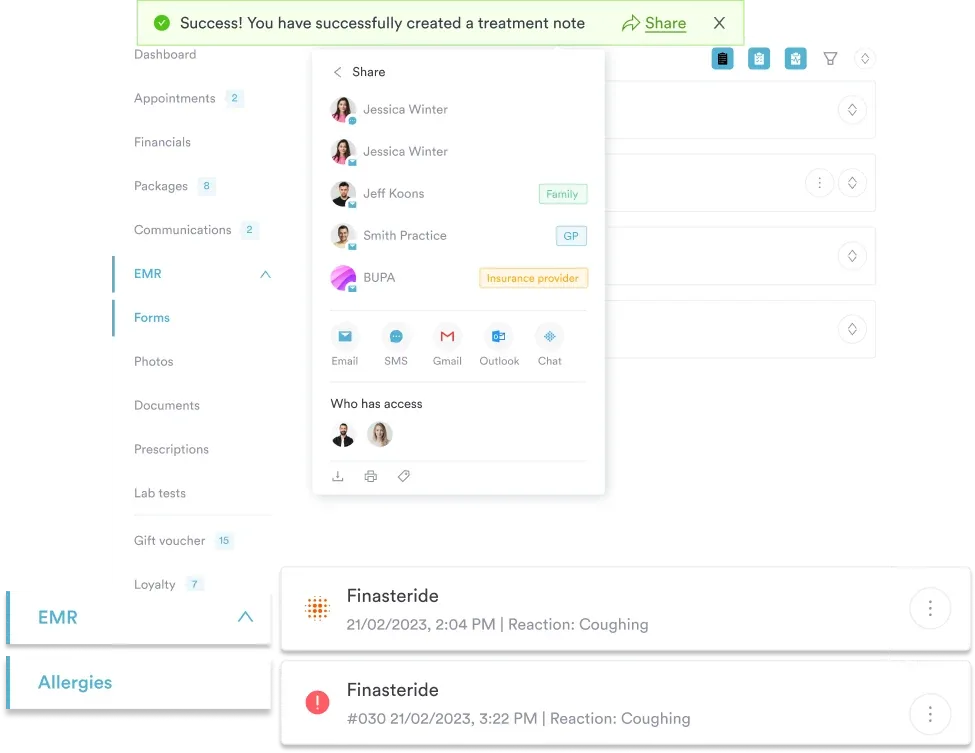
Practices using structured clinical record templates for thoracic procedures can embed all mandatory fields as required items, so the documentation is complete before the claim is ever submitted.
Run a documentation audit on your last 20 T1240 claims. For each one, check whether laterality, tube size, technique, and imaging use are all present in the operative note. If any element is missing in more than two cases, the note template needs updating before the next submission cycle.
Most major UK private health insurers require pre-authorisation before chest drain insertion, because T1240 is classified as an inpatient surgical procedure by all major payers. Authorisation thresholds and clinical information requirements vary by insurer.
Emergency insertions present a specific challenge. Where T1240 is performed as an emergency without opportunity for pre-authorisation, most payers will accept a retrospective notification within 24-48 hours, provided the clinical urgency is clearly documented. Check current insurer guidance, as policies on emergency pre-auth timelines are updated periodically.
Practices managing Bupa CCSD billing alongside other insurers benefit from tracking authorisation status per episode in a single system, so that no claim is submitted before authorisation is confirmed.
Knowing the denial patterns for CCSD code T1240 allows practices to build pre-submission checks that catch errors before they reach the payer. The most frequent reasons for rejection are:
Bilateral drain insertion in the same session requires specific coding treatment under CCSD, and the approach varies by payer. As a general convention, T1240 is submitted as two separate line items, one for each side, with an indication in the operative note that both cavities were drained in the same anaesthetic episode.
Some payers apply a bilateral reduction, paying the second procedure at 50% of the first. Others require a bilateral modifier or supplementary documentation confirming the clinical necessity of draining both sides simultaneously. Because bilateral modifier conventions differ by insurer, verify the current rule with Bupa, AXA Health, Aviva, and Vitality individually before submitting a bilateral T1240 claim. Submitting two lines without documentation of bilateral indication typically triggers a clinical review.
T1240 itself does not bundle imaging guidance. When ultrasound or CT is used to guide drain placement, a separate imaging add-on code may be billed alongside T1240, subject to the current CCSD schedule version and individual payer rules.
The key requirements for the add-on to be accepted are: The type of imaging guidance must be named in the operative note (real-time ultrasound vs CT fluoroscopy), the guidance must be performed by or under the direct supervision of the billing clinician, and the CCSD schedule in force at the time of the procedure must recognise the specific add-on code being submitted. Always verify the applicable code against the current CCSD schedule before billing.
T1240 does not include anaesthesia; it covers the surgical procedure only. The anaesthesia or sedation code reported alongside T1240 depends on three factors: Who administers it, the depth of sedation used, and the insurer’s specific coding requirements.
For intercostal drain insertion under local anaesthesia alone (the most common scenario), no separate anaesthesia code is typically billable by the operating clinician. If a separate anaesthetist provides conscious sedation or general anaesthesia, that anaesthetist bills their own CCSD anaesthesia code for the episode. Where the surgeon administers intravenous sedation themselves, the applicable CCSD code for sedation by the operating clinician should be checked in the current schedule. Anaesthesia code combinations are payer-dependent, so confirm the current rule with each insurer before including an anaesthesia line on a T1240 claim.
Private respiratory and thoracic practices managing chest drain CCSD billing across multiple insurers face a documentation and submission challenge: Every payer has slightly different pre-auth requirements, documentation thresholds, and denial patterns. Pabau is designed for exactly this environment.
Pabau’s integrated CCSD code library allows clinical and administrative teams to select T1240 and companion codes directly within the patient record, with procedure-specific digital documentation templates that capture laterality, tube size, technique, and imaging use as required fields before the note is finalised. This prevents the incomplete-operative-note denials that account for a significant share of T1240 rejections.
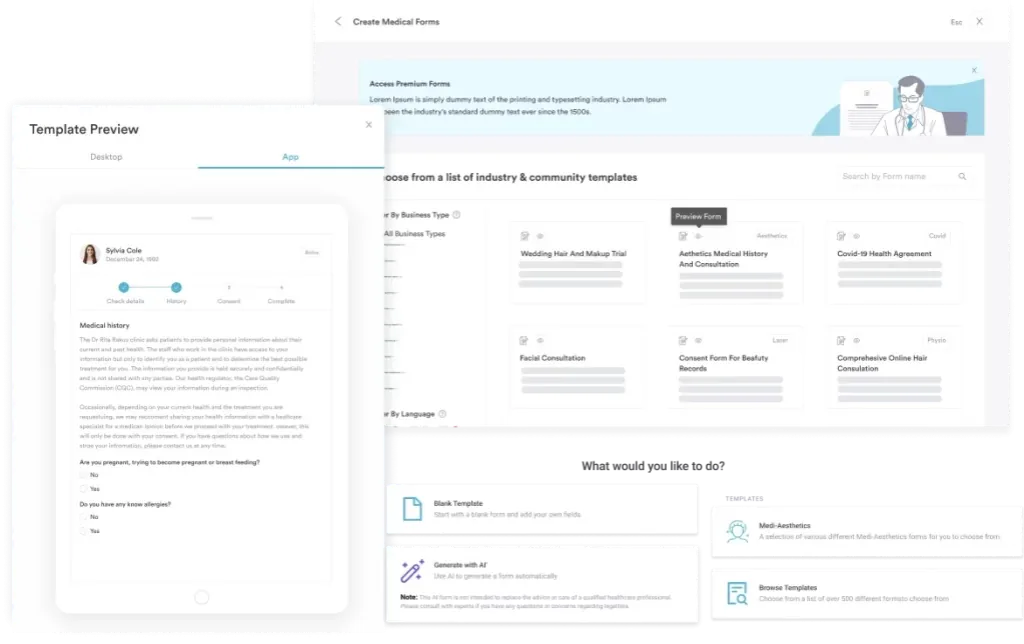
The platform’s Healthcode-connected billing submission routes completed claims directly to the insurer network, with pre-submission validation checks that flag missing authorisation numbers, mismatched consultant recognition codes, and incomplete claim lines before they leave the practice. For practices moving from NHS to private practice, this removes the manual overhead of learning each insurer’s submission portal separately.
Pabau’s reporting tools give practice managers visibility into claim status by code and by insurer, so denial patterns such as a run of Bupa rejections on T1240 for missing laterality can be identified and corrected quickly. See how private practice time-saving features reduce administrative burden across the billing cycle.
CCSD code T1240 covers one of the most clinically significant procedures in private respiratory practice, and the billing consequences of getting it wrong are proportionate to that significance. Missing pre-authorisation, misclassifying a thoracentesis as a tube drain insertion, omitting laterality, or submitting an incomplete operative note each reliably produce denials that delay payment and trigger clinical reviews.
Pabau’s CCSD-integrated billing tools, structured operative note templates, and Healthcode-connected submission workflow close each of those gaps before a claim leaves the practice. Book a demo to see how Pabau handles CCSD billing for private thoracic and respiratory consultants.

Billing other CCSD respiratory and thoracic codes? Pabau’s Bupa CCSD codes guide covers the full schedule of codes recognised by Bupa, including associated documentation and submission requirements.
Need a structured approach to private practice billing compliance? Mandatory compliance for private practices outlines the key regulatory obligations for UK independent providers, from CQC registration to clinical record retention.
Looking to reduce administrative time across the billing cycle? Features that save private practices time explains how integrated documentation and billing tools cut the manual work between clinical encounter and claim settlement.
CCSD code T1240 is the procedure code for insertion of a tube drain into the pleural cavity, covering placement of an intercostal chest drain that is left in situ to drain fluid, air, blood, or pus from the pleural space over time. It does not include pleural aspiration (needle only), drain removal, imaging guidance, or anaesthesia, all of which are coded separately.
T1240 covers tube drain insertion where the drain is left in situ for ongoing drainage; thoracentesis (pleural aspiration) codes cover a single needle aspiration episode where the access device is removed immediately after fluid withdrawal. If only aspiration was performed, T1240 is incorrect and will be denied as an upcoding error.
No. T1240 does not bundle imaging guidance. When ultrasound or CT guidance is used for drain placement, a separate CCSD add-on code may be submitted alongside T1240, subject to the current CCSD schedule and individual payer rules. The imaging modality and supervising clinician must be documented in the operative note.
Yes, when both pleural cavities are drained in the same session. Generally this is submitted as two separate T1240 line items with documentation confirming bilateral insertion in the operative note. Bilateral reduction rules and modifier requirements vary by insurer, so verify the current convention with each payer before submission.
The most common rejection reasons are: Missing pre-authorisation, upcoding from a thoracentesis to a tube drain insertion, absence of laterality in the operative note, and an incomplete clinical record lacking tube size, technique, or post-procedure CXR confirmation. Each of these is preventable with a structured pre-submission documentation checklist.
No. T1240 covers insertion only. Drain removal is a separate procedure coded under a different CCSD code; check the current CCSD schedule for the applicable removal code. Attempting to bundle drain removal into a T1240 claim is an unbundling error that can trigger a full clinical review of the claim.