

CCSD Code D1010: Radical mastoidectomy including meatoplasty
CCSD Code D1010: Definition and clinical scope CCSD Code D1010 is the UK private...

Last Updated: Nov 25, 2026
G3100 is the CCSD code for laparoscopic biliary gastric bypass. It covers one laparoscopic operation that creates both a biliary bypass and a gastrojejunostomy. Surgeons most often perform it to palliate unresectable pancreatic head or periampullary cancer.
The code sits in the 11.2.0 Stomach section of the CCSD schedule. It applies only when both bypasses are completed laparoscopically and the operative note documents both anastomoses.
Let Pabau's smart automation suggest the right codes, reduce claim denials, and keep your practice compliant—effortlessly.
Automate repetitive tasks and focus on what matters most—your patients.
Reduce coding errors and ensure compliance with the latest regulations.
Clean claims, fewer denials, and faster reimbursements.
Powerful insights and reporting to help your practice thrive.
HIPAA compliant SOC 2 certified GDPR-compliant Trusted by 4,000+ clinics worldwide

CCSD Code G3100 describes a combined laparoscopic biliary and gastric bypass performed as a single procedure, not two separate bypass operations.
Primary indications are unresectable periampullary and pancreatic head malignancy causing combined biliary and gastric outlet obstruction.
Anesthetic and assistant surgeon fees are billed separately, and conversion to open surgery may require a different CCSD code depending on insurer rules.
The operative note must explicitly confirm the laparoscopic approach, both bypass components, and the anastomosis types to avoid claim rejection.
Pabau’s claims management software links CCSD codes to ICD-10 diagnoses and stores operative notes against each procedure record for clean claim submission.
CCSD Code G3100 is the code for laparoscopic biliary gastric bypass, a single laparoscopic operation that creates a biliary bypass and a gastric bypass. Guernsey’s 2021 CCSD fee list carries the code under that exact descriptor. The biliary bypass diverts bile flow around an obstruction, and the gastric bypass routes food around the blocked gastric outlet.
CCSD stands for the Clinical Coding and Schedule Development Group, the UK private-healthcare coding body that maintains the CCSD schedule. G3100 sits in the schedule’s Stomach section, and our CCSD codes for surgeons library lists its neighbors.
The code is specific to the combined, laparoscopic version of this operation. Using it for an open approach or for a single bypass is a coding error that leads to claim disputes. Before assigning G3100, coders and practice managers should confirm three points:
CCSD organizes surgical procedures into chapters grouped by body system. G3100 sits in chapter 11, Abdomen (excluding urinary and reproductive organs), within the 11.2.0 Stomach section. Its neighbors there include partial gastrectomy (G2800), gastric bypass for morbid obesity (G3090) and gastro-jejunostomy (G3210).
A laparoscopic biliary gastric bypass addresses two simultaneous obstructions: impaired bile flow and a blocked gastric outlet. The usual cause is an unresectable tumor at the head of the pancreas or in the periampullary region. The surgeon works through laparoscopic ports to create two distinct anastomoses within the same procedure.
The two anastomoses created are:
Both anastomoses may use a single Roux-en-Y jejunal limb or separate limbs, depending on the surgeon’s preference and the anatomy. The laparoscopic approach reduces perioperative morbidity compared with open surgery. That matters in this patient population, where advanced malignancy often limits physiological reserve.
When the laparoscopic approach cannot be completed safely, for example because of adhesions, complex anatomy or bleeding, the surgeon may convert to open surgery. Conversion can change the code an insurer accepts, as the inclusions and exclusions section below explains.
G3100 is appropriate when both biliary and gastric outlet obstruction are present and require concurrent surgical bypass. The most common clinical scenarios for this code in UK surgical practice are:
G3100 does not apply where only one obstruction is bypassed. A biliary bypass on its own takes an isolated biliary bypass code, and a gastric outlet bypass on its own takes the gastro-jejunostomy code. Hypertrophic pyloric stenosis in infants also obstructs the gastric outlet, but it is treated by pyloromyotomy and billed under G4010. The diagram below maps each operation to the code to check first.
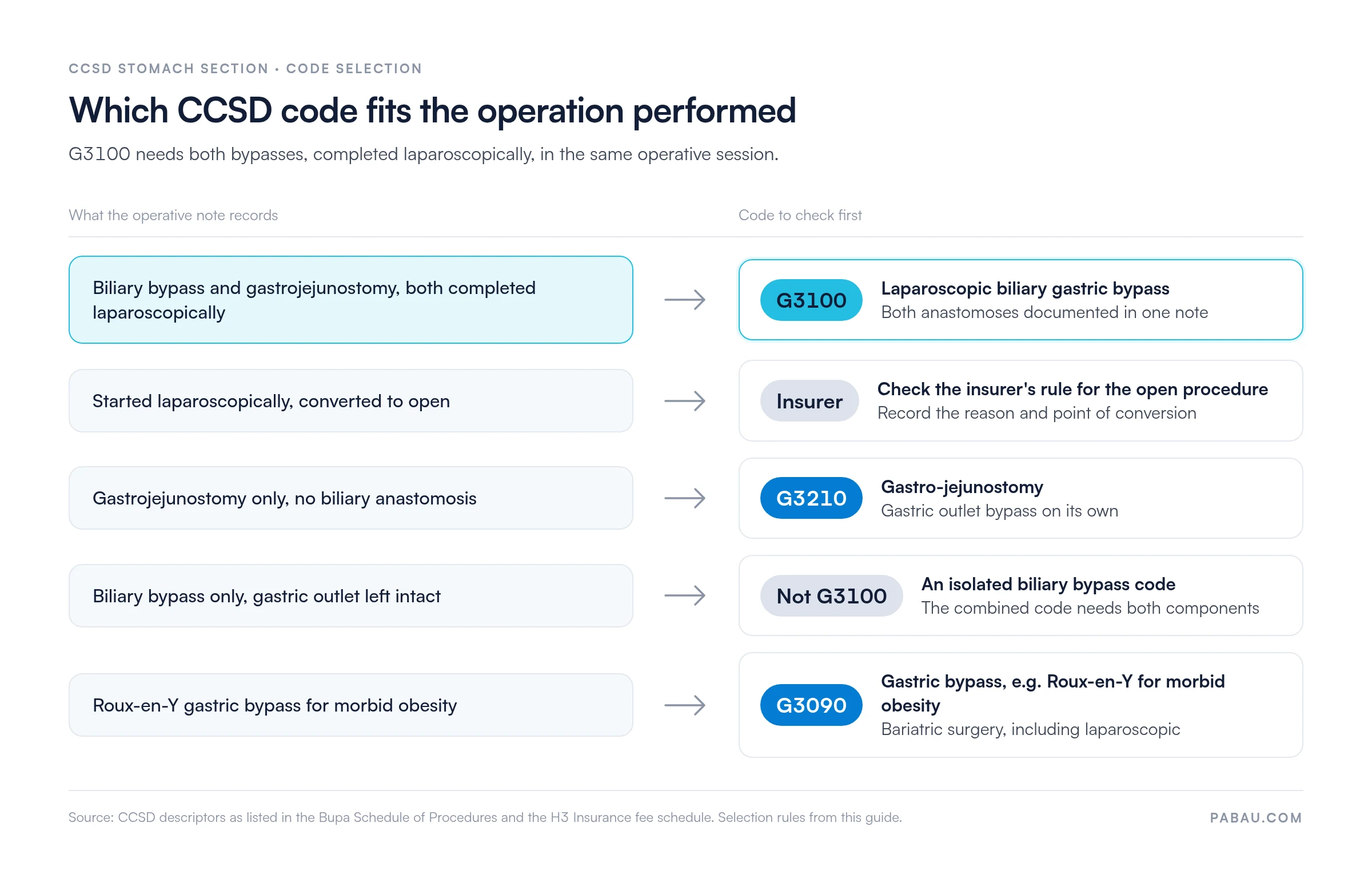
Knowing the bundle boundaries of CCSD Code G3100 prevents both undercoding and overcoding. Omentum excised during the bypass is not added as a second line, because T3600 covers omental removal only as a sole procedure. The table below summarizes what is and is not included.
When the procedure is converted to open surgery, most UK private medical insurers require a different CCSD code for the open equivalent. Some insurers accept G3100 with a conversion notation, while others require resubmission with the open code. Check the insurer’s billing guidelines before submitting, and document the conversion and its reason clearly in the operative note.
Several CCSD codes sit close to G3100 in the Stomach section and are easy to confuse with it. For insurer-specific descriptor checks, see the Bupa CCSD code guidance. The table below compares G3100 with two neighbors whose descriptors are published in insurer schedules.
Where the surgeon bypasses only the gastric outlet, G3210 is the code to check first. Important: Always verify the current descriptor and code number against the official CCSD schedule before submitting a claim. Code numbering can change between schedule versions.
CCSD procedure codes are submitted alongside ICD-10 diagnosis codes on private insurer claim forms. A diagnosis code that does not match the indication for a combined biliary gastric bypass is a common reason for rejection. The following WHO ICD-10 codes, the version UK insurers use, are most commonly linked to G3100 claims.
Use the most specific ICD-10 code available. Where the multidisciplinary team (MDT) confirms unresectability, record that decision in the notes before submission. Some insurers request evidence of the MDT discussion as part of prior authorization for a combined bypass.
An operative note that does not explicitly confirm both bypass components is the most common reason a G3100 claim is queried or rejected. The operative documentation for a G3100 procedure must contain all of the following elements before a claim is submitted:
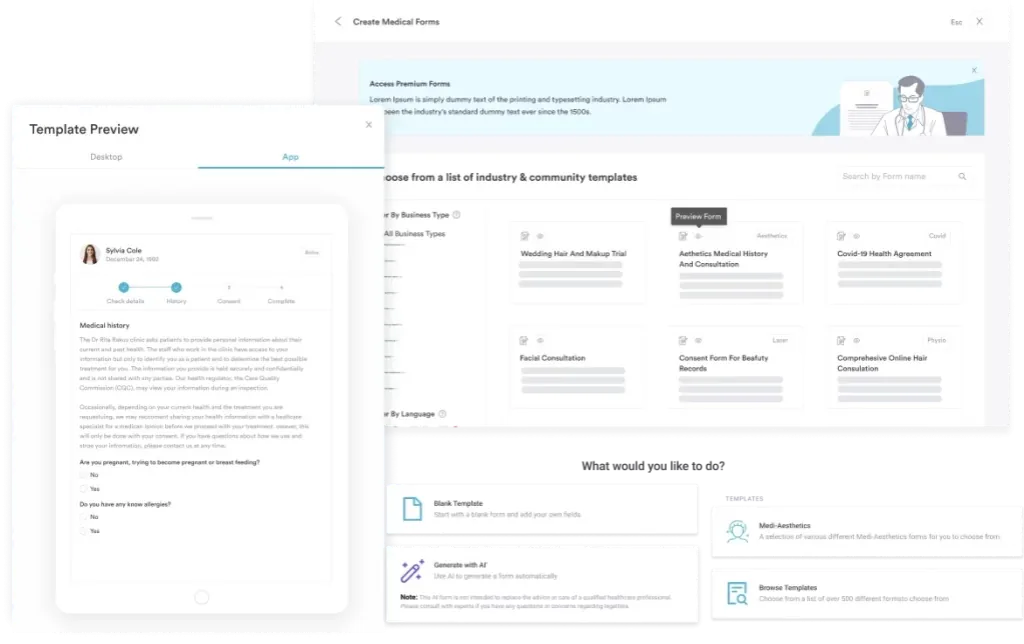
Most UK private medical insurers require prior authorization for major laparoscopic procedures, including G3100. Requirements vary by insurer, so checking the relevant portal before booking protects both the patient and the practice’s revenue. Each insurer’s provider portal is the reference source for its own rules.
Never submit a G3100 claim without first obtaining and recording the prior authorization reference number. Including it on the claim form reduces the risk of an administrative rejection unrelated to the clinical documentation.
G3100 covers the operating surgeon’s fee only. Anesthesia and any assistant surgeon contribution are billed separately using the applicable CCSD codes. The anesthetist bills using the CCSD anesthetic code that corresponds to the procedure grade and duration.
If a first assistant was present, their fee is calculated as a percentage of the principal surgeon’s fee under CCSD billing conventions. It goes on a separate claim form. All three fees can relate to the same episode of care, but each treating clinician submits a separate invoice.
G3100 claims are denied most often for predictable, preventable reasons. Each failure point below has a practical fix.
When a G3100 claim is rejected despite correct documentation, request a detailed rejection reason in writing. If the insurer disputes that both bypass components were performed, send a copy of the operative note with the relevant passages highlighted. Formal appeals with clinical evidence resolve most documentation-related disputes.
Many surgical practices still keep the operative note in one system, the pre-authorization number in an email, and the claim in an insurer portal. A G3100 query then means hunting across all three. Pabau’s built-in claims management software keeps the CCSD code, diagnosis codes and operative note on the same patient record before submission.
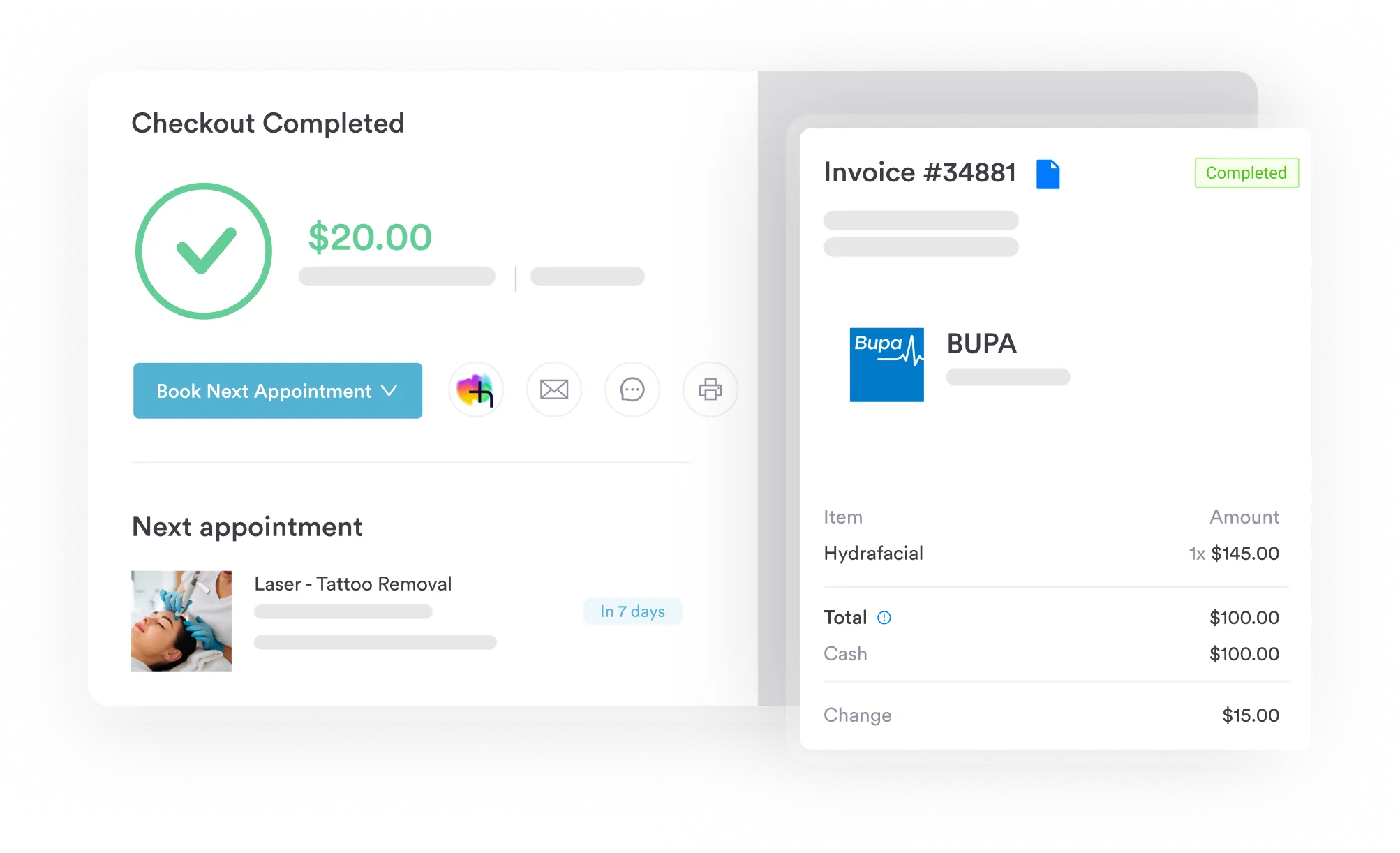
A clean G3100 submission workflow typically involves:
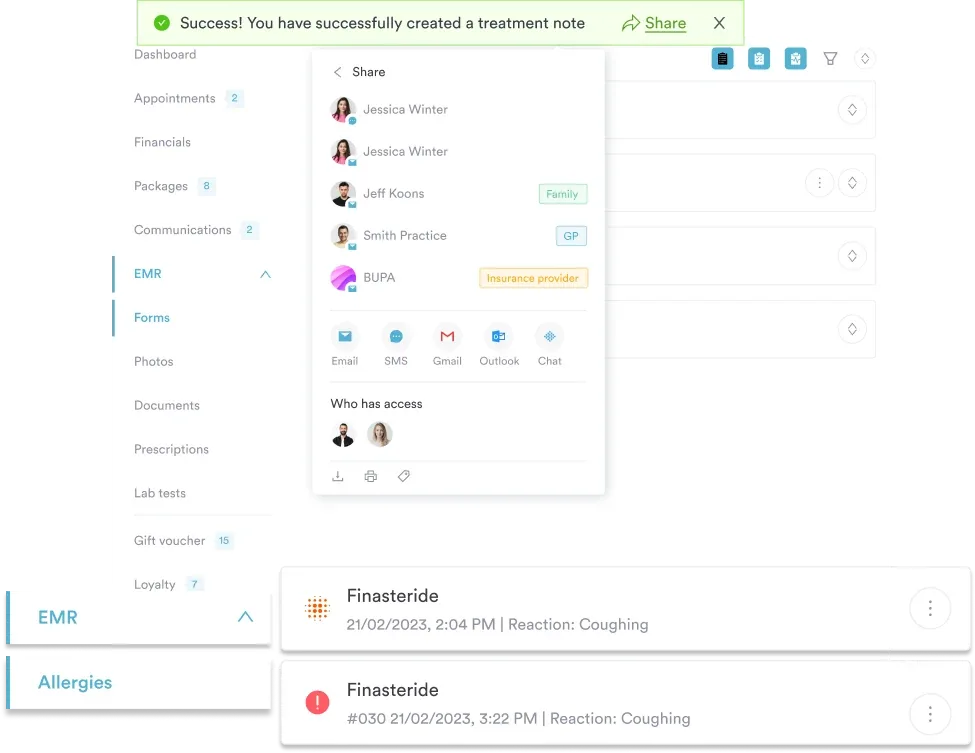
With the operative note stored in the same system as the billing record, the practice can answer an insurer query without searching other systems.
Before submitting a G3100 claim, run a two-line check on the operative note. Does it name both the biliary bypass and the gastric bypass as completed procedures? Does it state the laparoscopic approach, or document the conversion? If either answer is no, return the note to the surgeon for amendment before submission. Fixing this takes two minutes; appealing a rejection takes two weeks.

Pabau’s claims management tools let you link CCSD procedure codes to ICD-10 diagnoses, attach operative notes, and submit clean claims to UK private insurers. It all runs from a single patient record.

Code G3100 only when the operative note names both anastomoses and confirms the laparoscopic approach. If either is missing, send the note back for amendment before the claim goes out, because a correction takes minutes and an appeal takes weeks.
Where the operation was converted to open, or only one bypass was completed, G3100 is the wrong code. The insurer’s own schedule then decides the replacement. Book a demo to see how Pabau keeps CCSD codes, diagnoses and operative notes on one claim for your surgical practice.

Billing other CCSD codes for UK private practice? Bupa CCSD codes covers how to submit CCSD-coded claims to Bupa with the right procedure descriptors.
Need a full fee schedule overview for UK private insurers? Bupa procedure codes fee schedule outlines how Bupa reimburses CCSD-coded surgical procedures, including anesthetic and assistant fees.
Bypassing only the gastric outlet? CCSD code G3210 covers gastro-jejunostomy performed on its own.
Coding other open stomach operations? CCSD code G3800 explains the residual code for open stomach operations with no dedicated code.
CCSD Code G3100 covers a laparoscopic biliary gastric bypass. In this combined procedure, a biliary diversion and a gastric bypass are both created laparoscopically in a single operative session. It does not apply to open surgery or to either bypass performed in isolation.
A laparoscopic biliary gastric bypass is a palliative operation that relieves concurrent biliary and gastric outlet obstruction. Through laparoscopic ports, the surgeon creates a choledochojejunostomy and a gastrojejunostomy. It is most commonly performed for unresectable pancreatic head cancer.
Yes. Anesthetic fees and assistant surgeon fees are billed separately from G3100 on individual claim forms. G3100 covers only the operating surgeon’s procedure fee. The anesthetist and any first assistant submit their own CCSD-coded invoices for the same episode of care.
The operative note must confirm the laparoscopic approach, completion of both bypass components, and the anastomosis types used. It should also reference the MDT decision supporting unresectability. The claim form must also include the prior authorization reference number obtained from the insurer before the procedure.
The most common reason is an operative note that documents only one bypass component. A missing prior authorization reference is another. Insurers also reject an isolated biliary or gastric bypass code and an undocumented conversion to open surgery. A diagnosis code that does not reflect dual obstruction fails too.
G3100 applies specifically to the laparoscopic combined biliary and gastric bypass. Open biliary bypass procedures use a different CCSD code that reflects the open surgical approach. If a laparoscopic procedure is converted to open, check with the insurer whether it wants G3100 or the open equivalent code for that claim.




