

HCPCS Code Q4175: Billing, coverage, and documentation guide
HCPCS Code Q4175: Code Description and Product Identity HCPCS Code Q4175 is the ...

Last Updated: Nov 20, 2026
T3600 is the CCSD code for wedge excision or removal of omentum (as sole procedure). It covers removing part or all of the omentum, the fatty apron of peritoneum hanging from the stomach. The code applies only when that is the whole operation. UK private medical insurers such as Bupa, AXA Health and Aviva use it to pay the surgeon.
When the omentum comes out during a larger operation, such as hysterectomy for an ovarian tumour (Q0880), the primary procedure code covers it. An omental biopsy, with or without an ascitic drain under image guidance, is coded T3610 instead.
Let Pabau's smart automation suggest the right codes, reduce claim denials, and keep your practice compliant—effortlessly.
Automate repetitive tasks and focus on what matters most—your patients.
Reduce coding errors and ensure compliance with the latest regulations.
Clean claims, fewer denials, and faster reimbursements.
Powerful insights and reporting to help your practice thrive.
HIPAA compliant SOC 2 certified GDPR-compliant Trusted by 4,000+ clinics worldwide

CCSD Code T3600 covers wedge excision or removal of the omentum, partial or complete, when it is the only procedure performed.
The sole-procedure qualifier is the most common denial trigger, because T3600 cannot share a claim with another surgical code for the same operation.
Omentum removed during a larger operation, such as hysterectomy for an ovarian tumour (Q0880), is already covered by the primary procedure code.
An omental biopsy, with or without an ascitic drain under image guidance, is coded T3610 rather than T3600.
Operative notes should confirm the omental site, specimen size, histology dispatch and an ICD-10 diagnosis to pass insurer audit.
CCSD Code T3600 is the CCSD schedule code for “Wedge excision or removal of omentum (as sole procedure).” It covers taking out a wedge of omentum or the whole structure, provided no other procedure happens in the same operation. UK private medical insurers, including Bupa and AXA Health, rate it as a major procedure.
The schedule is maintained by the CCSD Group, and T3600 sits in the peritoneum section of Chapter 11, which covers the abdomen. Two conditions decide whether the code applies. Omental tissue must be excised or removed, and the omental procedure must be the only one performed.
The omentum is a fold of peritoneal tissue suspended from the stomach and transverse colon. The greater omentum drapes over the abdominal organs like an apron, and the lesser omentum connects the liver and stomach. Both are common sites for metastatic deposits, primary tumours, cysts and torsion.
In a wedge excision, the surgeon seals or ligates the feeding vessels and cuts out a defined segment of omentum. A full removal takes the whole omental apron instead. Both fall under T3600 when no other procedure is performed, and the specimen usually goes for histopathology.
The T3600 descriptor names no surgical approach, so the same code applies to open and laparoscopic surgery. Record the approach in the operative note anyway. Some insurers ask for it as a supplementary documentation field rather than as a separate code.
T3600 is used when the omentum itself is the surgical target. The referral letter and operative note should both state the indication, because it drives the ICD-10 diagnosis and the insurer’s medical necessity review. An unplanned intraoperative finding needs a supplementary note explaining why the operation changed.
The sole procedure qualifier is the most consequential part of the T3600 descriptor. T3600 is billable only when the omental excision is the whole operation, with no other surgical procedure on the same claim.
Take two patients. One has a laparoscopic wedge excision of a suspected omental deposit, so T3600 applies. The other has a hysterectomy for an ovarian tumour, with the omentum removed at the same sitting. That operation is coded Q0880, and the omentum falls within it.
Check bundling against the current CCSD technical guide before submitting T3600 with any other abdominal code. Bupa, AXA Health and Aviva may also publish their own guidance that differs from the base schedule.
Two codes cover omental work as a standalone operation, and the decision below shows where each applies. The usual error is billing either one beside the operation the omentum sits inside. For the rest of the schedule, the CCSD code library lists other codes by name.
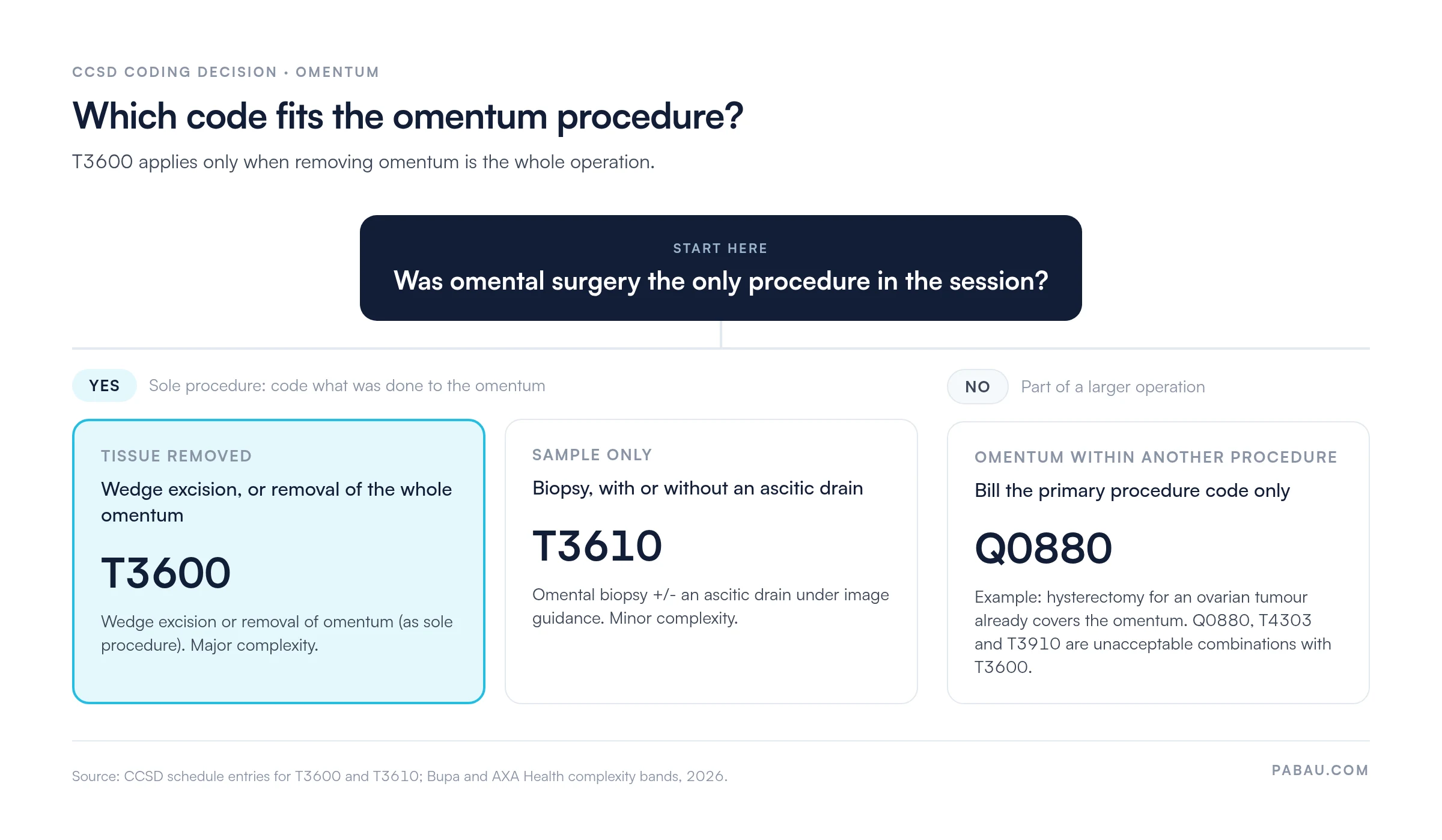
Important: No subsidiary or add-on omentectomy code exists. When the omentum is removed during another operation, such as hysterectomy for an ovarian tumour (Q0880), the primary code covers it. Use the CCSD Coder app or the CCSD codebook to confirm current descriptors before submission.
Run a CCSD code audit at the start of each financial year. When the schedule updates, T-series codes may be renumbered or their descriptors revised. Review active T3600 submissions against the latest publication so current claims are not mis-coded.
A T3600 claim without adequate operative documentation will not survive insurer audit. The operative note must justify medical necessity and confirm the sole-procedure qualifier. Missing either one is grounds for denial or recovery.
UK private medical insurers each keep their own fee schedules and pre-authorisation rules, built on the CCSD schedule. The Bupa CCSD codes guide covers Bupa’s own coding requirements. The table below shows where to check the others.
Fee rates change every year, so never quote a T3600 figure to a patient from memory. Check the insurer’s current schedule instead. The Bupa fee schedule reference explains how Bupa structures its fee tiers.
T3600 claims fail in predictable patterns. Most denials trace to a small number of root causes that structured pre-submission checks can prevent.
The primary ICD-10 diagnosis submitted with T3600 must reflect the indication in the operative and referral notes. The diagnosis code is the insurer’s main tool for assessing medical necessity. A mismatch between the stated indication and the submitted code triggers review or denial.
Cross-reference all ICD-10 codes against the NHS Classifications Browser, which holds the current UK ICD-10 5th edition. Code descriptors and hierarchies are revised periodically, and most UK private insurers use this edition as their reference standard.
Record the primary ICD-10 code in the operative note itself, not only on the claim form. Insurers auditing T3600 claims request the operative note first. A code that appears only on the claim leaves the claim open to denial on medical necessity grounds.
Many surgical practices track insurer pre-authorisation in one place, operative notes in another and claim status in a third. A T3600 claim then fails audit because the note behind it is hard to find. Pabau, a practice management platform with UK insurer billing built in, keeps all three on the patient record.
Pabau’s claims management for insurers submits CCSD claims through Healthcode and tracks the status of each one. Its digital forms hold an operative note template, so every note records the omental site, specimen size and histology dispatch before sign-off.
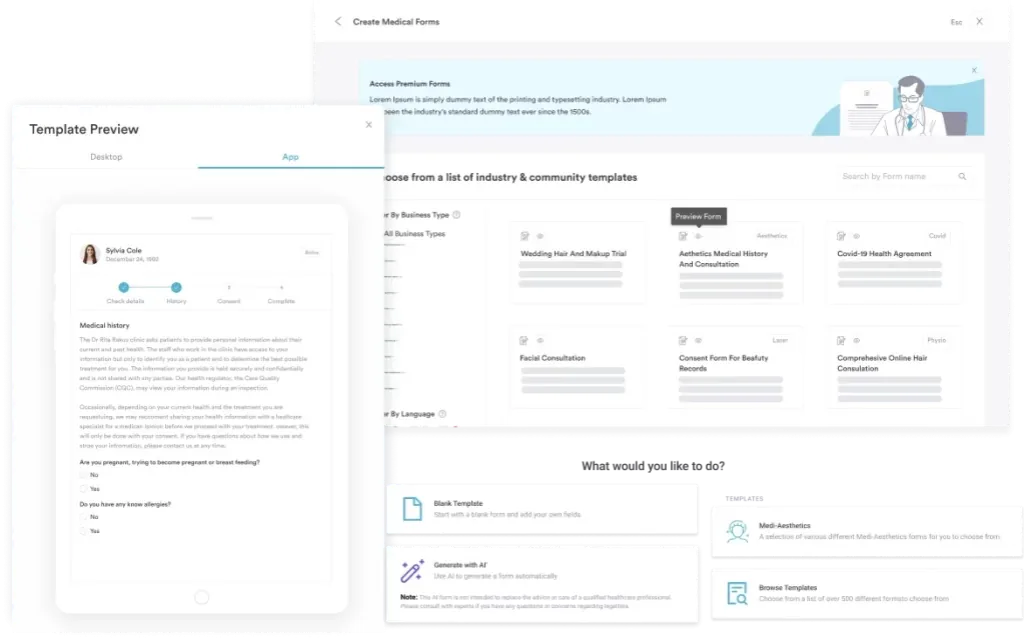
When an insurer queries a T3600 line, your team finds the operative note, the pre-authorisation code and the claim history on the same record. Rejected lines show up in one list, so they are corrected and resubmitted before they age.
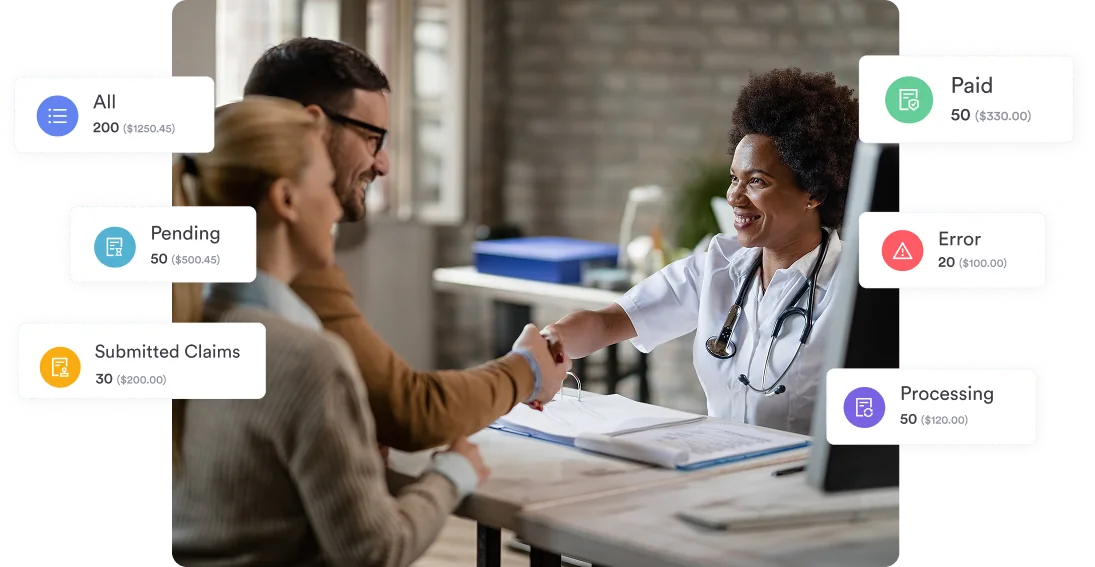

Pabau submits CCSD claims through Healthcode and keeps the operative note, pre-authorisation code and claim status on one patient record. Your team answers insurer queries without chasing paperwork.

T3600 is simple to code when the omentum is the whole operation, and easy to get wrong when it is not. Before you submit, ask whether anything else happened in that session. If it did, drop T3600 and bill the primary procedure, such as Q0880.
If nothing else happened, let the operative note carry the claim. Record the site, the specimen size and the histology request, and pair them with the most specific ICD-10 code. A biopsy on its own belongs to T3610.
Book a demo to see how Pabau keeps operative notes, pre-authorisation codes and CCSD claims on one record.

Need a full reference for Bupa CCSD codes? Bupa CCSD procedure codes guide covers how the CCSD schedule maps to Bupa’s coding and fee requirements.
Unfamiliar with Bupa’s surgical fee structure? Bupa procedure fee schedule reference explains how Bupa’s tiered fee schedule works for surgical reimbursement.
Was the omentum removed during a hysterectomy? CCSD code Q0880 covers hysterectomy for an ovarian tumour, the operation that absorbs omental removal.
Dividing adhesions rather than excising omentum? CCSD code T4300 explains how laparoscopic adhesiolysis is coded and billed.
CCSD Code T3600 covers wedge excision or removal of the omentum when it is the sole procedure in a private medical insurance episode. It does not apply when the omentum is removed as part of a larger abdominal operation, such as hysterectomy, bowel resection or debulking surgery.
There is no separate total omentectomy code. The T3600 descriptor reads wedge excision or removal of omentum, so it covers a partial wedge and a complete omentectomy alike. The neighbouring code, T3610, is for an omental biopsy, with or without an ascitic drain under image guidance.
Yes. The T3600 descriptor names no surgical approach, so it covers open and laparoscopic surgery alike. Some insurers ask for the approach as a documentation field, so record it in the operative note.
Billing T3600 with a hysterectomy code on the same episode breaks the sole-procedure rule, and the T3600 line will typically be denied. The omentum removed during the hysterectomy falls within the primary procedure code, such as Q0880 for hysterectomy for an ovarian tumour. No subsidiary or add-on omentectomy code exists.





