CPT Code 62284: Injection procedure for myelography
CPT Code 62284: official descriptor and procedure overview The American Medical ...

Last Updated: Oct 19, 2026
E2300 is the CCSD code for pharyngeal myotomy. It covers surgical division of the pharyngeal muscles, most often the cricopharyngeal muscle at the upper esophageal sphincter, to relieve oropharyngeal dysphagia. One code applies whether the surgeon uses an open transcervical or an endoscopic transoral approach.
UK private medical insurers such as Bupa, AXA Health and Aviva pay E2300 against the CCSD schedule. Claims usually pair it with ICD-10 code R13 for dysphagia, and insurers expect pre-authorization before surgery.
Let Pabau's smart automation suggest the right codes, reduce claim denials, and keep your practice compliant—effortlessly.
Automate repetitive tasks and focus on what matters most—your patients.
Reduce coding errors and ensure compliance with the latest regulations.
Clean claims, fewer denials, and faster reimbursements.
Powerful insights and reporting to help your practice thrive.
HIPAA compliant SOC 2 certified GDPR-compliant Trusted by 4,000+ clinics worldwide

CCSD code E2300 covers pharyngeal myotomy, the surgical division of the pharyngeal muscles, billed to UK private medical insurers.
One code covers both open (transcervical) and endoscopic (transoral) approaches, but the operative note must state which one was used.
WHO ICD-10 code R13 (dysphagia) is the standard diagnosis pair, with K22.5 or a neurological cause code added where documented.
Bupa, AXA Health and Aviva typically require prior authorization before pharyngeal myotomy. A missing pre-auth reference is the biggest single cause of denials.
Practice management software like Pabau supports CCSD code entry, modifier attachment and direct submission to UK PMI portals.
CCSD code E2300 is the Clinical Coding and Schedule Development (CCSD) procedure code for pharyngeal myotomy. The official descriptor is simply “Pharyngeal myotomy.” It sits in the pharynx and larynx section of the CCSD schedule, which the CCSD Group maintains. All major UK private medical insurers (PMIs) use that schedule as the standard procedure code set for specialist billing.
The code covers surgical division of the pharyngeal muscles, most often the cricopharyngeal muscle, which forms the upper esophageal sphincter (UES). The goal is to remove the high-pressure zone that stops food and liquid passing normally during a swallow. E2300 is a single code, whether the myotomy stands alone or is part of a wider surgical episode. Co-procedures such as Zenker diverticulum repair follow separate coding guidance, covered below.
A pharyngeal myotomy is surgery that divides muscle fibers of the pharynx to relieve a functional obstruction causing oropharyngeal dysphagia. The target is usually the cricopharyngeal muscle, a C-shaped sling of striated muscle that forms the upper esophageal sphincter. When this muscle fails to relax at the right moment in a swallow, food and liquid collect in the hypopharynx. The result is choking, regurgitation and a risk of aspiration.
Two surgical techniques are used in UK private practice, and both fall under the E2300 descriptor. The operative note must state which approach was used.
Both approaches need general anesthesia. After surgery, patients move from nasogastric feeding or a graded liquid diet back to solid food, usually guided by a speech and language therapist.
E2300 is used when the cricopharyngeal muscle or nearby pharyngeal muscles show a dysfunction that conservative treatment can’t manage. The indications below are the ones commonly accepted in clinical and coding practice. Each needs a matching ICD-10 diagnosis code on the PMI claim.
No, the approach doesn’t change the code. The E2300 descriptor reads “pharyngeal myotomy” without naming a transcervical or transoral technique, and UK PMI payers accept it for both. The operative note must still document the approach explicitly. Payers such as Bupa may query reimbursement amounts or request clinical records to confirm the extent of the procedure.
Some PMIs pay different fees for open and endoscopic procedures, so confirm the rate with each insurer before billing. Each insurer’s code lookup tool, listed in the insurer section below, shows its current fee for E2300.
Zenker diverticulum repair is the most common co-procedure performed alongside pharyngeal myotomy. The pouch develops because of sustained cricopharyngeal hypertension, so myotomy is nearly always part of the repair. That holds whether the surgeon uses open excision (diverticulectomy) or endoscopic stapling (the Dohlman procedure). Coding both procedures correctly prevents unbundling denials.
When the repair is open, through a neck incision, the pouch code is E2320. Most UK insurers read its descriptor, “Open operation(s) on pharyngeal pouch,” as covering a same-sitting cricopharyngeal myotomy.
The key principle is that the operative note documents each distinct surgical step separately, and the codes don’t overlap in their descriptors. Check the current CCSD schedule to confirm whether the diverticulectomy code and E2300 are separately billable under your insurer’s rules. Some payers treat the myotomy as included in a combined diverticulum repair code. Confirm with your PMI billing manual before submitting both codes.
Some head and neck codes settle the bundling question inside the descriptor. A laryngoscopy performed during a total thyroidectomy is covered by B0812 and is not billed separately. Sinus claims raise the same question, and insurers generally treat polypectomy and antrostomy as part of the image-guided sinus surgery covered by E1260.
The pharynx and larynx section of the CCSD schedule holds several CCSD codes that coders often confuse with E2300. The decision table below maps the most commonly confused codes by procedure site and technique.
The most critical distinction is between pharyngeal myotomy (E2300, at the upper esophageal sphincter) and esophageal myotomy (the Heller procedure, at the lower esophageal sphincter). Coders unfamiliar with ENT anatomy often mix the two up. Always confirm the anatomical site documented in the operative note before selecting E2300.
Every PMI claim for CCSD code E2300 must include at least one ICD-10 diagnosis code. UK private insurers and NHS-aligned coding standards use the WHO ICD-10 classification, published through the NHS Classifications Browser. In that classification, R13 (Dysphagia) is a single code with no subdivisions, so it codes the swallowing problem itself. Add a second code for the underlying cause, such as a pharyngeal pouch or a neurological condition, when the clinical record documents one.
Always verify diagnosis codes against the current NHS Classifications Browser release before submitting. Watch for codes copied from US sources. R13.10, R13.11, R13.12 and R13.19 exist only in US ICD-10-CM and aren’t valid on a UK claim.
UK private medical insurers treat pharyngeal myotomy as elective surgery that needs pre-authorization. Missing this step is the single largest cause of E2300 non-payment. The requirements below reflect standard PMI practice. They vary between insurers and change periodically, so confirm them in the current billing manual or portal before the patient is listed for surgery.
Bupa is usually the first insurer a UK specialist practice bills. Our guide to Bupa CCSD codes covers the full procedure code set Bupa uses for specialist billing.
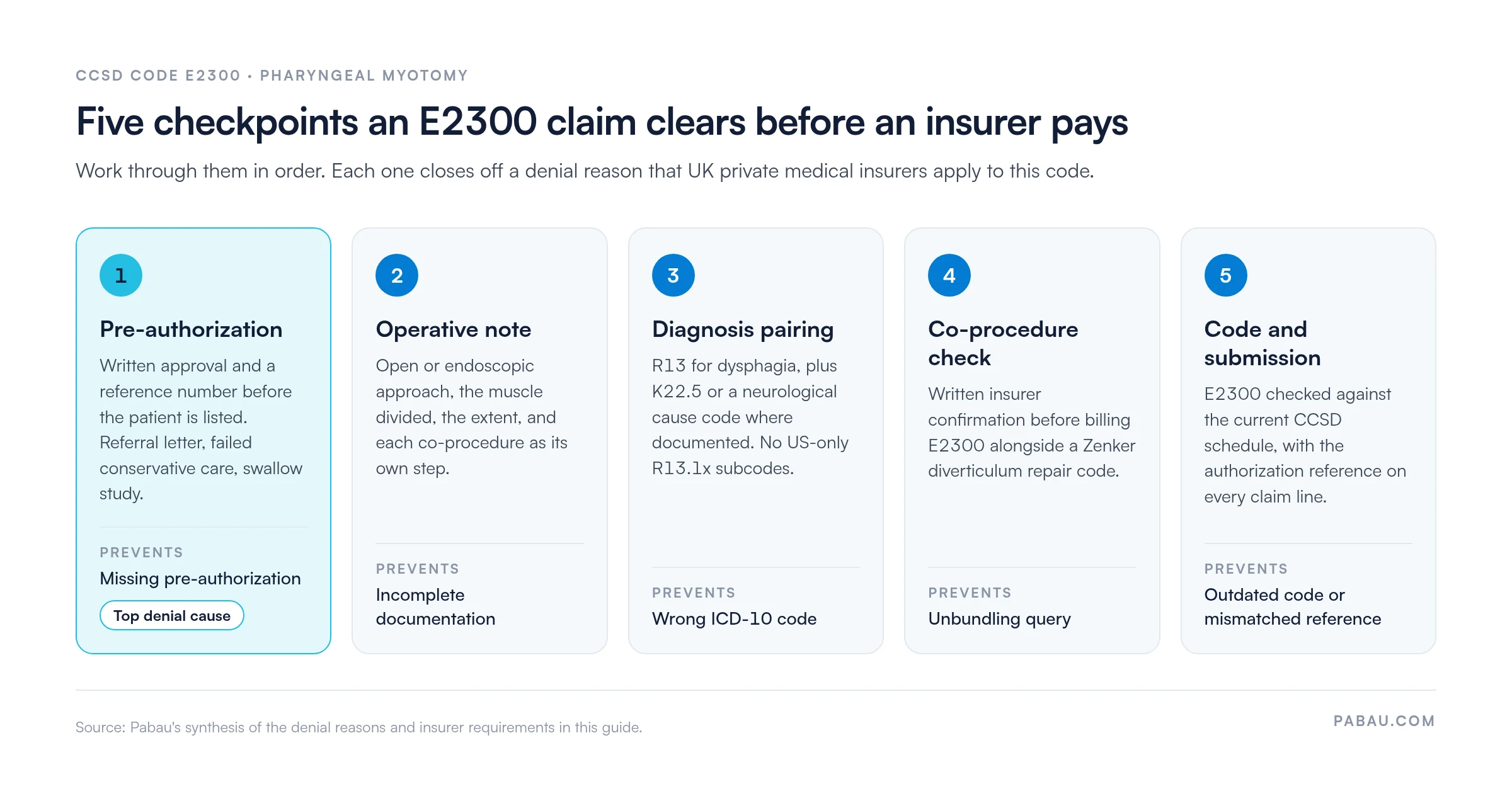
Request pre-authorization in writing and keep the authorization reference number before listing the patient. Record the reference in the patient’s clinical record and include it on every claim line for the same episode. Insurers routinely deny claims where the authorization reference is missing or doesn’t match the procedure coded.
After missing pre-authorization, an incomplete operative note is the second most common reason E2300 claims are denied. PMI payers may request the operative note during a clinical audit or after a query. If the note doesn’t support the code billed, the claim is reversed. A structured patient record with a templated operative note makes a missing element far less likely.
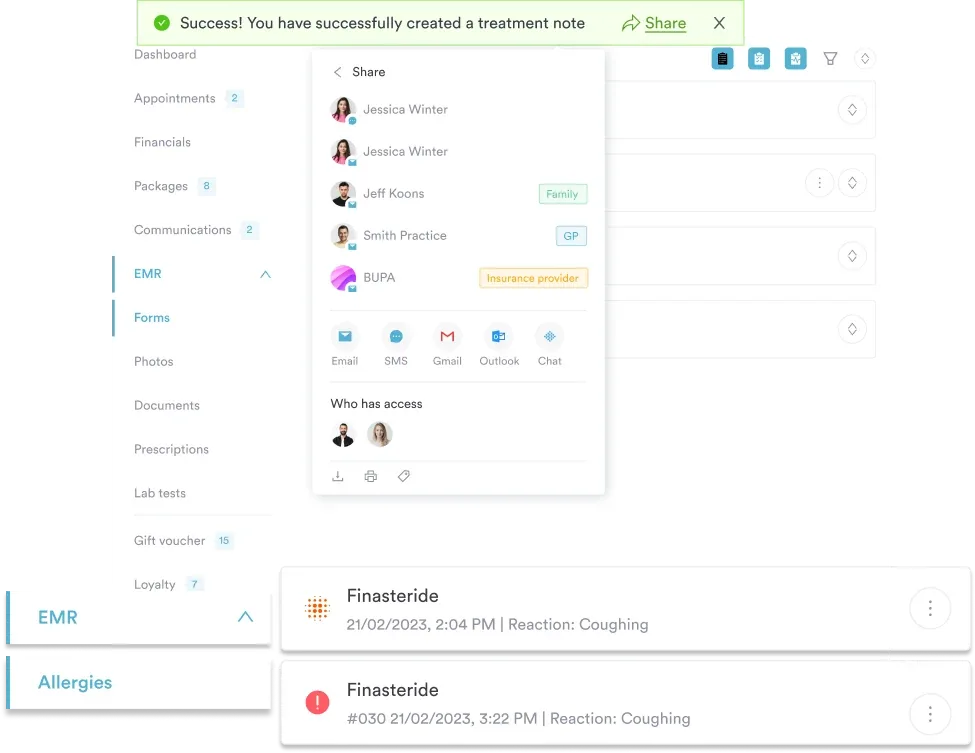
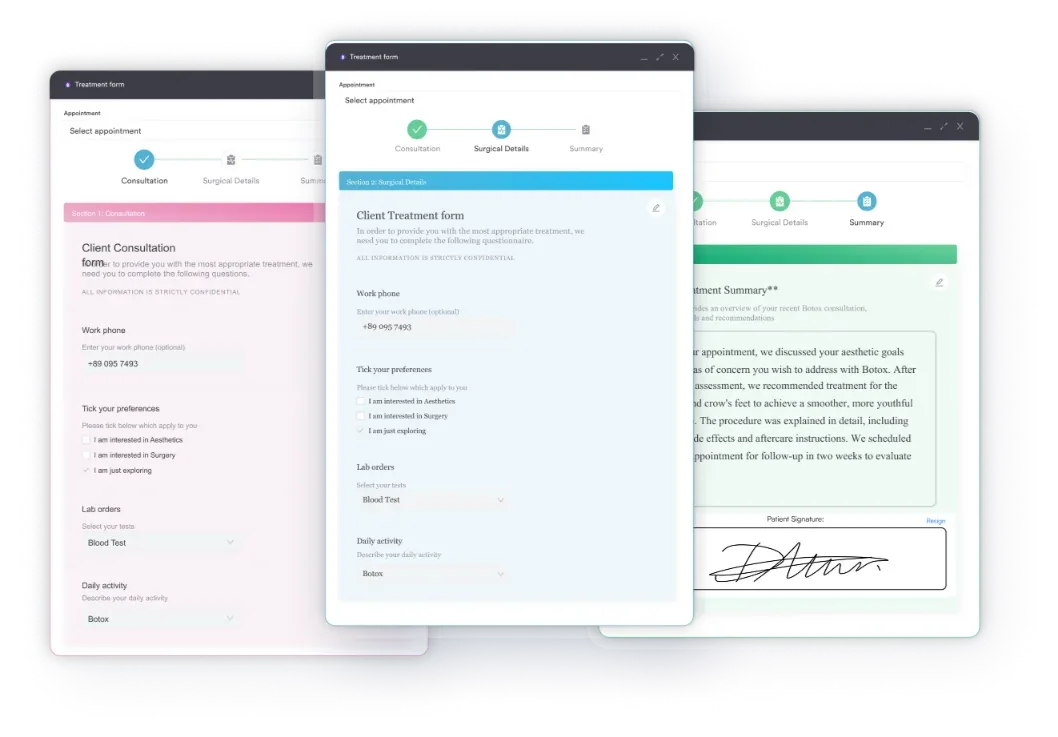
Practice management software like Pabau lets you build custom operative note templates for specific procedures. Each required field prompts the surgeon, so the note supports the claim before it’s signed.
Denials for CCSD code E2300 follow predictable causes, and none of them are unique to pharyngeal myotomy. But E2300 combines a niche procedure, a heavy pre-auth burden and a frequent Zenker co-procedure. That makes it one of the more denial-prone ENT codes. The five checkpoints below each close off a denial reason from the table that follows, so they work as a pre-submission checklist.
Keying an E2300 claim by hand into each insurer’s portal invites transcription errors and leaves a thin audit trail. Pabau’s claims management software is built for UK private practice. It supports CCSD code entry, ICD-10 diagnosis pairing, authorization reference capture and direct submission to PMI portals.
Mandatory fields must be complete before a claim can be submitted. So an E2300 claim without its pre-auth reference or diagnosis code stays in the practice until someone fixes it.
All billing activity in Pabau is stored in line with UK GDPR and wider UK data protection requirements.

Pabau helps UK private practices submit CCSD-coded claims, attach modifiers and link ICD-10 diagnosis codes. It also tracks authorization references across Bupa, AXA Health, Aviva and other PMI payers.

E2300 is a clinically simple code with a heavy billing load. The procedure itself rarely triggers a denial. The paperwork around it does, and nearly all of that paperwork is settled before the patient reaches the operating room.
So build each claim backward from the insurer. Get written pre-authorization first, pair R13 with the documented cause, and confirm any Zenker co-billing in writing. Then let a templated operative note enforce the rest. The trade-off is a few minutes of admin before surgery against weeks of chasing a reversed claim afterward.
Book a demo to see how Pabau keeps E2300 claims complete, from the pre-auth reference to submission.

Need a complete Bupa code reference for your ENT practice? Bupa CCSD codes covers the full Bupa procedure code set used for UK private insurance billing.
Want to understand how Bupa fee schedules are structured? Bupa procedure codes fee schedule breaks down how Bupa reimburses CCSD-coded procedures, including fee tiers.
Billing the diagnostic scope that often comes before surgery? CCSD code E3680 covers endoscopic laryngopharyngoscopy as a sole outpatient procedure.
Comparing billing systems for a UK private practice? Best medical billing software in the UK compares billing platforms built for UK private practices.
CCSD code E2300 covers pharyngeal myotomy, the surgical division of pharyngeal musculature (most commonly the cricopharyngeal muscle) to relieve oropharyngeal dysphagia. It applies to both open transcervical and endoscopic transoral techniques. UK private medical insurers use it to reimburse ENT and head and neck surgeons for this procedure.
Yes, CCSD code E2300 covers both open (transcervical) and endoscopic (transoral) approaches to pharyngeal myotomy. The operative note must explicitly state which approach was used, as insurers may request clinical records to support the claim.
Billing E2300 alongside a Zenker diverticulum repair code may be possible. First, confirm with your insurer that both codes are separately reimbursable under its CCSD schedule rules. Some payers treat the myotomy as included within the diverticulum repair code. Get written confirmation before billing both codes, and document each procedure as a distinct step in the operative note.
Before granting pre-authorization for pharyngeal myotomy, most UK PMI payers require a specialist referral letter and evidence of failed conservative management. That evidence might be documented botulinum toxin injection or swallowing therapy. Payers also expect a radiological or endoscopic report confirming cricopharyngeal dysfunction. Requirements vary by insurer and can change, so always check the current insurer billing manual.
Pair E2300 with R13 (Dysphagia) for cricopharyngeal dysfunction. In WHO ICD-10, which UK private insurers use, R13 has no subcodes. Add K22.5 when a Zenker diverticulum is also present. Add a neurological cause code, such as G20 for Parkinson disease, when the dysphagia has a documented neurological cause.
Yes, Bupa requires pre-authorization before pharyngeal myotomy is performed. It typically asks for a consultant referral letter, evidence of conservative management, and supporting radiological or endoscopic investigations. Submit the request through Bupa’s portal and record the authorization reference before the patient is listed for surgery. Claims without a valid authorization reference are routinely denied.
The most common denial reasons for CCSD code E2300 are a missing or expired pre-authorization reference and an incorrect ICD-10 diagnosis pairing. Unbundling queries when Zenker diverticulum repair is also billed are another. So is operative documentation that doesn’t support the procedure coded. A pre-submission billing checklist prevents each of these.