

CCSD code G5100: Bypass of duodenum billing guide
CCSD code G5100 bills a bypass that leaves the duodenum in place CCSD code G5100...

Last Updated: Oct 16, 2026
E0850 is the CCSD code for removal of foreign body from cavity of nose. UK private medical insurers use it to bill the whole removal episode, from assessment through extraction to post-removal review, whatever the object.
Most patients are young children. When removal needs general anaesthesia, the anaesthetist bills a separate CCSD anaesthesia code alongside E0850.
Let Pabau's smart automation suggest the right codes, reduce claim denials, and keep your practice compliant—effortlessly.
Automate repetitive tasks and focus on what matters most—your patients.
Reduce coding errors and ensure compliance with the latest regulations.
Clean claims, fewer denials, and faster reimbursements.
Powerful insights and reporting to help your practice thrive.
HIPAA compliant SOC 2 certified GDPR-compliant Trusted by 4,000+ clinics worldwide

CCSD Code E0850 covers nasal foreign body removal in the UK private healthcare code set. US HCPCS E0850 is unrelated and describes a free-standing cervical traction stand.
Most presentations are in children, and young children may need general anaesthesia, which adds a separate anaesthesia claim and extra documentation.
A supportable E0850 claim documents the foreign body type, its location, the removal technique, the anaesthesia used and the clinical indication.
A missing documentation element is a leading denial trigger, alongside missing pre-authorisation and same-session rhinoscopy billed as a separate code.
Pabau, the practice management platform we build, captures structured procedure notes and submits UK insurer claims from the same patient record.
CCSD Code E0850 is defined by the Clinical Coding & Schedule Development group (CCSD) as “Removal of foreign body from cavity of nose.” It sits in the nose and nasal cavity section of the ENT chapter of the CCSD codes schedule. UK private medical insurers, including Bupa, AXA Health, Vitality Health and WPA, use that schedule for procedure-level billing.
US HCPCS also has a code E0850, but it describes a traction stand, free standing, for cervical traction. That is durable medical equipment, unrelated to nasal surgery, so never carry HCPCS E0850 into a CCSD claim. US coders report intranasal foreign body removal under CPT instead, with CPT 30310 covering removal under general anaesthesia.
Nasal foreign body removal follows a structured clinical sequence. The approach varies with patient age, object type and depth of impaction.
ENT surgeons and rhinologists perform most planned E0850 procedures under private insurer cover. Emergency physicians and paediatricians also remove nasal foreign bodies in acute settings. Their billing pathway through private insurers differs from a consultant-led outpatient episode.
The clinical setting shapes the claim. An outpatient procedure billed by a consultant under a recognised insurer arrangement is the straightforward E0850 case. Removal in theatre under general anaesthesia generates surgeon, anaesthetist and facility fees, each submitted separately. Those three claims need to describe the same episode, or the insurer will query them.
A valid E0850 claim rests on a clinical note that captures the full procedure episode. Insufficient documentation is one of the most common reasons CCSD claims are rejected on audit or review. Structuring the record at the point of care is faster than reconstructing it later.
Capture the required fields in a digital procedure note during or straight after the procedure, so the claim is complete before it is submitted.
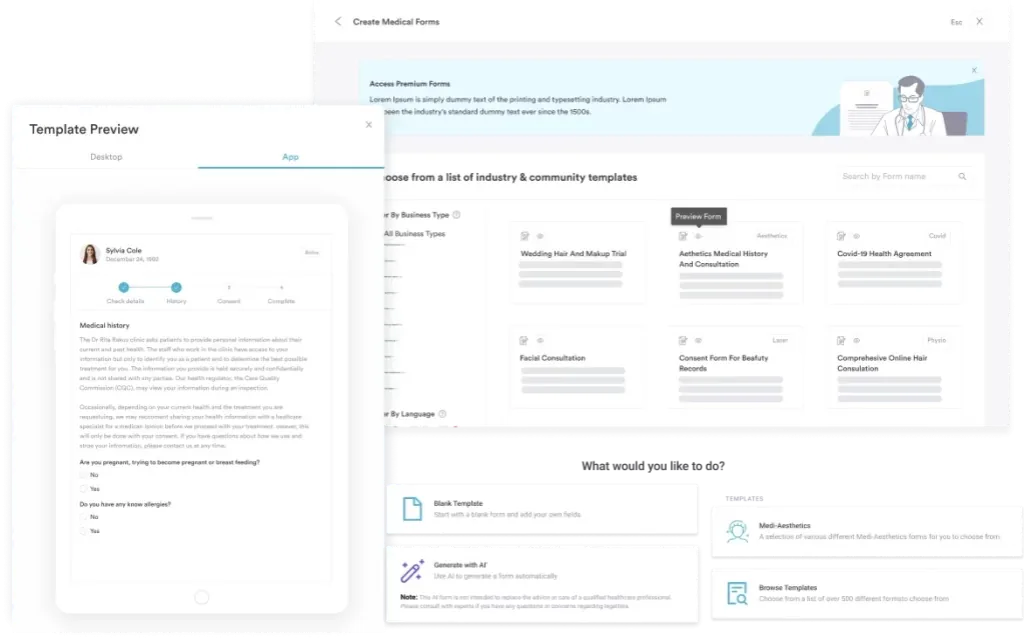
The minimum documentation elements for a supportable E0850 claim are:
Operative notes for theatre cases should also record the consent process and the scrub team present. Add the procedure duration if the anaesthetist bills on time-based units.
Major UK private insurers handle prior authorisation for CCSD-coded procedures through their provider portals. The table below shows where to verify each insurer’s requirements. Fees change every year, so take them from the insurer rather than a secondary source.
When submitting an emergency claim retrospectively, document the clinical urgency clearly in the notes. Include the time of presentation, the immediate risk identified, and why waiting for pre-authorisation was not clinically safe. Insurers review these cases differently from elective claims.
Several CCSD codes sit close to E0850 in the nose and nasal cavity section, and choosing the wrong one gets a claim denied. Turbinate work such as E0440 shares the section but treats a different structure. For how Bupa applies the schedule, see Bupa CCSD procedure codes.
Check current code validity against the CCSD Technical Guide (October 2025) or the relevant insurer’s code portal before use.
CCSD bundling rules differ from NHS HRG tariff logic, and carrying NHS assumptions into private billing is a common mistake. Under CCSD, a procedure code represents a complete clinical episode. Investigation, intervention and routine post-procedure assessment belong to that episode unless a separate, distinct procedure is performed.
For E0850, the positions below apply. Verify current bundling rules with each insurer directly.
The Healix fee schedule, linked in the insurer table above, publishes explicit unbundling guidelines for CCSD-coded procedures. Other insurers set out bundling rules in provider manuals on their portals.
Denials for CCSD Code E0850 cluster around five recurring causes. Each is preventable with the right documentation and workflow controls.
Structured procedure note templates and a pre-submission check against this list stop most of these denials before the claim leaves the practice.
Mapped onto the claim, each of those causes has one checkpoint that stops it.
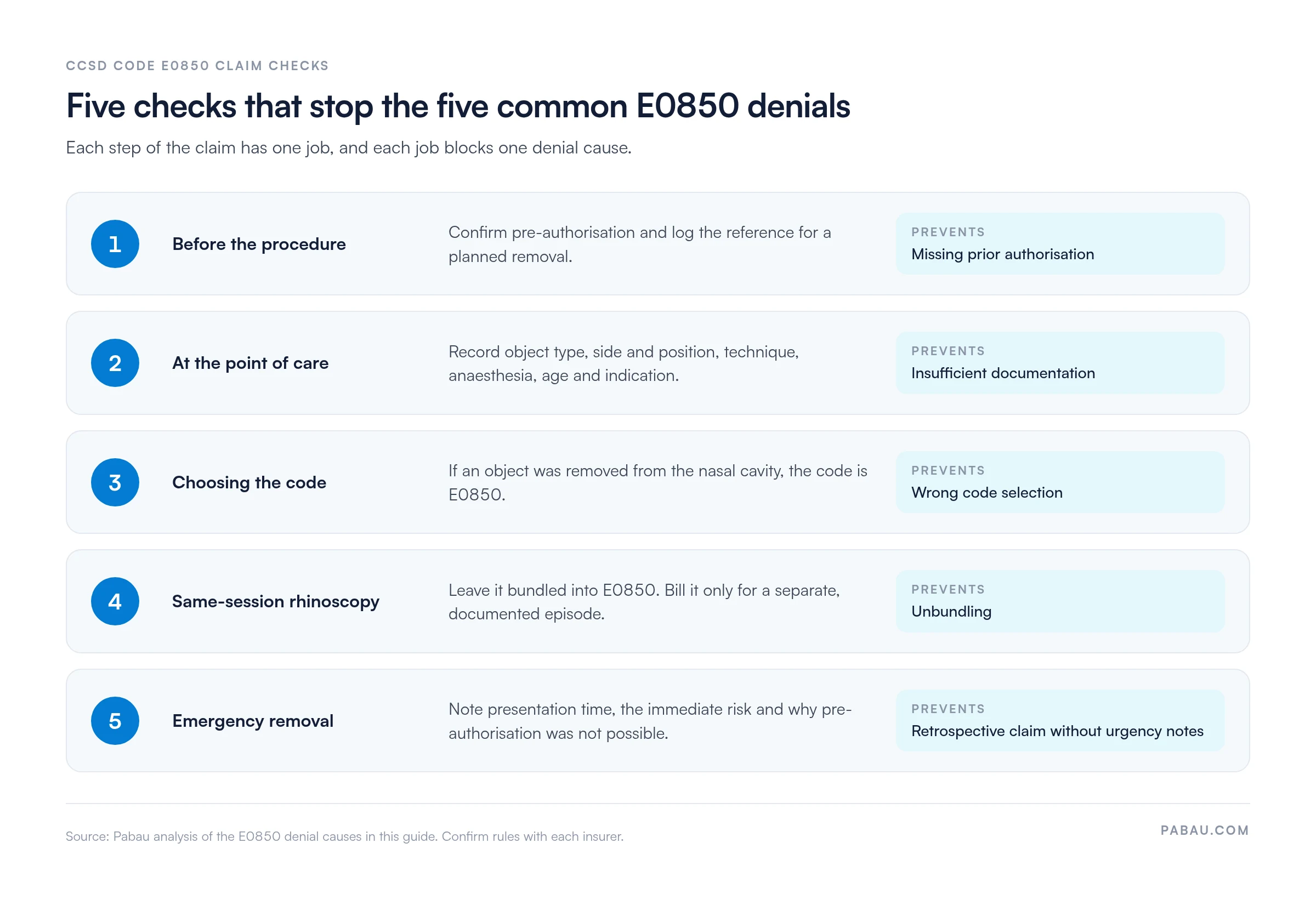
CCSD does not use CPT-style modifiers. The code schedule and insurer-specific rules handle billing adjustments instead of appended alphanumeric modifiers. Several situations still change how E0850 is submitted or valued.
The main billing context variations for CCSD Code E0850 are:
Before submitting an E0850 claim with multiple procedures or bilateral removal, check that insurer’s multiple and bilateral procedure rules in its provider manual. The rules differ across Bupa, AXA Health, Vitality and WPA, and applying one insurer’s reductions to another is a frequent billing miscalculation.
Private ENT practices billing CCSD procedures often type the same details into a note, an invoice and an insurer portal. In Pabau, the procedure note, patient record and invoice sit in one place. Its claims management software then submits UK insurer claims through Healthcode without re-keying.
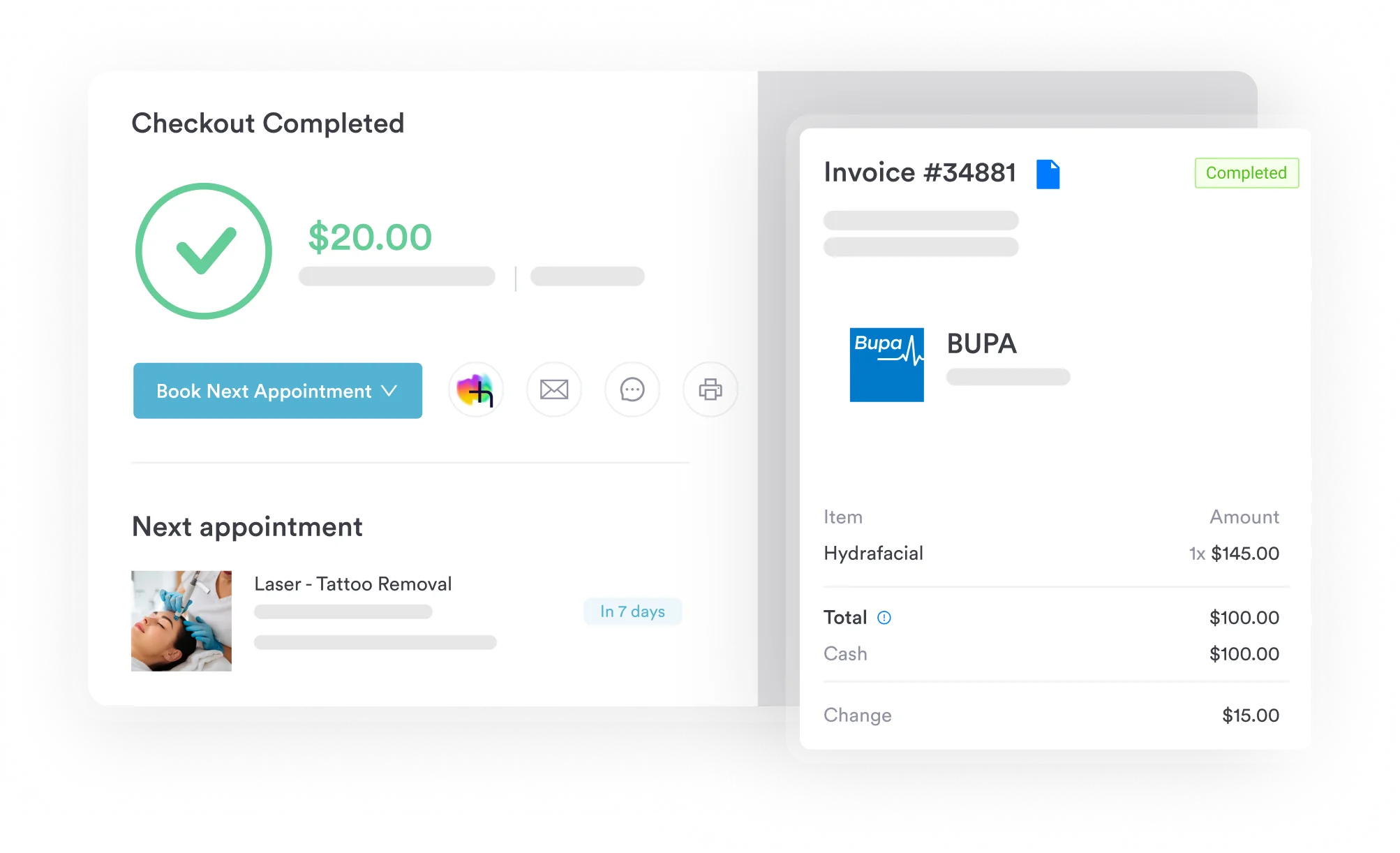
The capabilities that matter most for E0850 billing are:
For practices that also handle private GP referrals, surgical episodes and multi-insurer contracts, the patient record holds the full episode in one place. Book a demo to see how it handles CCSD billing for ENT and surgical procedures.
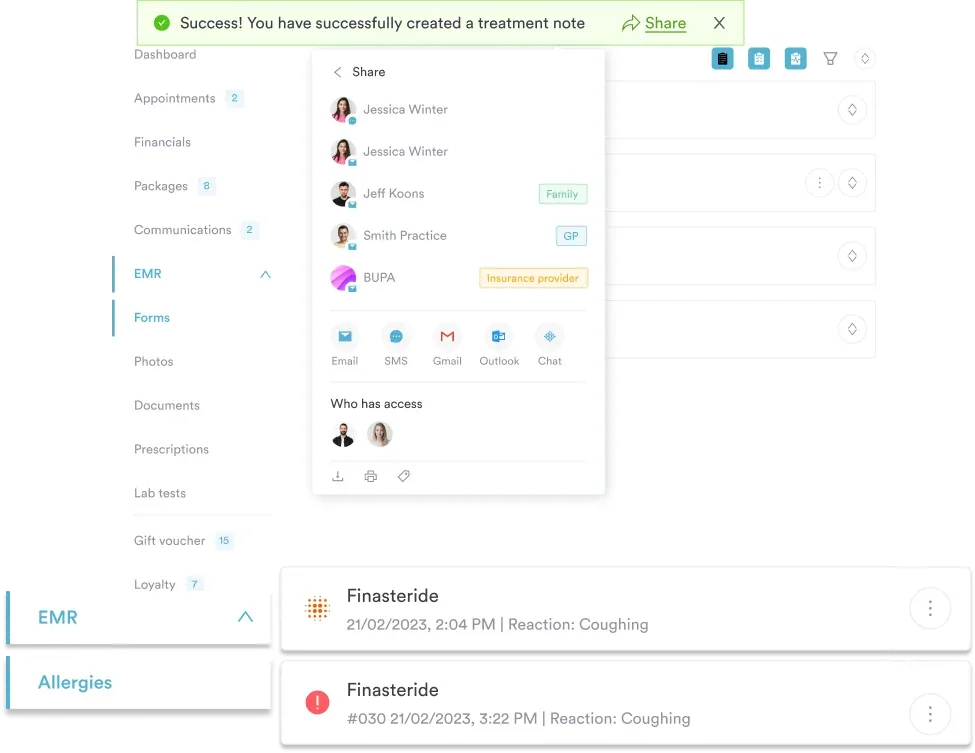

Pabau keeps the procedure note, the patient record and insurer claim submission in one system, so E0850 claims go out with the documentation insurers check.

The code is the simple part of an E0850 claim. Claims fail on what surrounds it: a missing pre-authorisation reference, a thin procedure note, or a rhinoscopy billed in the same session.
So settle those before the procedure date. Build the documentation checklist into your note template, confirm each insurer’s pre-authorisation and emergency rules, and keep same-session rhinoscopy off the invoice.
The trade-off is a few minutes of structure at the point of care against weeks of chasing a queried claim. Book a demo to see how Pabau links the procedure note, patient record and insurer claim for ENT procedures.

Billing across multiple UK private insurers? Bupa CCSD procedure codes is a reference guide to how Bupa applies the CCSD code set for surgical and ENT procedures.
Treating a nosebleed after removal? CCSD code E0380 covers billing for nasal septum cauterisation, the related procedure for epistaxis control.
Sending a nasal lesion for histology? CCSD code E0330 explains how biopsy of the septum of the nose is coded and documented.
Choosing billing software for a UK practice? Best medical billing software in the UK compares the systems UK private practices use to code, submit and track insurer claims.
CCSD Code E0850 covers removal of a foreign body from the cavity of the nose, in the CCSD schedule used by UK private medical insurers. It applies to the whole removal episode, from assessment through extraction to post-removal review, whatever the object.
Select E0850 as the procedure code. Your clinical note should document the foreign body type, side and position, removal technique, anaesthesia used, patient age and clinical indication. Submit with a valid pre-authorisation reference where the insurer requires one for planned procedures. For theatre cases, the anaesthetist bills their own CCSD anaesthesia code separately.
E0850 applies to both paediatric and adult presentations. The code does not change based on patient age. Where a child needs general anaesthesia for removal, the anaesthetist bills it under a separate CCSD anaesthesia code. Document the clinical reason GA was needed, as this is reviewed on paediatric claims.
It depends on the insurer and the clinical context. Planned outpatient removals typically require pre-authorisation from insurers such as Bupa, AXA Health and Vitality Health. Emergency presentations are often handled differently, so confirm each insurer’s emergency rules. Where pre-authorisation was not possible, document the urgency and explain it when you submit retrospectively.



