HCPCS code Q4154: Biovance billing, Medicare rate and denial guide
HCPCS code Q4154: definition and code details HCPCS code Q4154 is a Level II cod...

Last Updated: Oct 6, 2026
Billable Code Specific Code
E0310 is the CCSD code for submucous resection of nasal septum, the operation that removes deviated septal cartilage or bone from beneath the mucosal lining. UK private insurers pay it when the deviation causes functional nasal obstruction, not for cosmetic reshaping.
The code applies only when the operative note records tissue being excised. Septoplasty, where the septum is reshaped and repositioned, carries a separate CCSD code. Insurers expect pre-authorization before admission and objective evidence of impaired nasal airflow.
Let Pabau's smart automation suggest the right codes, reduce claim denials, and keep your practice compliant—effortlessly.
Automate repetitive tasks and focus on what matters most—your patients.
Reduce coding errors and ensure compliance with the latest regulations.
Clean claims, fewer denials, and faster reimbursements.
Powerful insights and reporting to help your practice thrive.
HIPAA compliant SOC 2 certified GDPR-compliant Trusted by 4,000+ clinics worldwide

CCSD code E0310 covers submucous resection of the nasal septum, where septal cartilage or bone is removed rather than repositioned as in septoplasty.
Medical necessity needs objective evidence of functional impairment, such as septal deviation causing nasal obstruction, chronic sinusitis, or sleep-disordered breathing.
Every major UK private insurer requires pre-authorization before the procedure. Claiming without prior approval is the most common reason E0310 claims are denied.
The operative note decides the code, so it has to name the structures excised and confirm the submucous technique.
Pabau, the practice management platform we build, handles CCSD code entry, document attachment, and electronic submission to UK private insurers.
CCSD code E0310 is the procedure code for submucous resection of the nasal septum, its official descriptor. It sits in chapter 5 (ear, nose, and throat) of the CCSD schedule, the procedure coding framework UK private insurers and independent hospitals use. The code covers one technique only. The surgeon elevates the mucoperichondrial flap and removes deviated cartilage or bony spurs instead of repositioning them.
CCSD codes are maintained by the Clinical Coding and Schedule Development Group, which includes representatives from the British Medical Association and major UK private insurers. Practices billing Bupa, AXA Health, Aviva, WPA, Cigna, or Healix use CCSD codes as their primary coding language. Our searchable CCSD code library lists the codes that sit alongside E0310 in the ENT chapter.
E0310 is a surgical procedure code. Consultations, post-operative reviews, and anesthetic services each carry their own CCSD code and are billed separately.
Submucous resection of the nasal septum is usually performed under general anesthetic. The ENT surgeon makes a hemitransfixion or Killian incision inside the nose. The mucoperichondrial and mucoperiosteal flaps are then elevated on one or both sides of the septum. Once the flap is raised, deviated cartilage and bony spurs are excised, leaving a framework that supports the overlying mucosa.
The key clinical difference from septoplasty is what happens to the tissue. In a submucous resection (SMR), septal tissue is removed. In a septoplasty, it is reshaped and repositioned without excision. That difference drives the CCSD coding decision, so the operative note must describe the technique clearly enough for the coder to assign E0310 with confidence.
Key procedural steps typically documented in the operative note:
Without this level of detail, a coder cannot confirm that the procedure meets the E0310 descriptor. The insurer then has grounds to query the claim.
Insurers pay E0310 claims when a documented functional indication is present. Cosmetic correction of a visible nasal deformity alone does not meet the medical necessity threshold. The clinical record must show that the patient has a structural septal abnormality causing measurable functional impairment.
Accepted clinical indications for submucous resection of the nasal septum include:
Cosmetic-only presentations, such as a patient wanting a straighter-looking nose without functional symptoms, do not qualify for E0310 under UK private insurers’ clinical policies. Where both elements are present, only the functional component is claimed from the insurer. Any cosmetic component is charged directly to the patient.
Submucous resection and septoplasty are distinct procedures with separate CCSD codes. Assigning the wrong code is a common source of queries and rejections, particularly when the operative note does not specify the technique in sufficient detail.
Sometimes the surgeon uses elements of both techniques in one session. Code the primary procedure from the dominant technique described in the operative record. Where there is genuine ambiguity, the coder should seek clarification from the operating surgeon before submission.
Submucous resection is often performed alongside other nasal procedures in the same operative session. Knowing which CCSD codes can accompany E0310, and which pairings invite an unbundling query, keeps the claim clean.
Always verify combination billing with the specific insurer before submitting. Division of turbinate adhesions has its own code, E0440, and the same unbundling check applies before it joins an E0310 claim. Our guide to Bupa CCSD procedure codes shows how Bupa approaches code combinations for ENT procedures.
A well-documented patient record is the foundation of a successful E0310 claim. Insurers audit submissions, and thin documentation is a reliable route to a query or outright rejection. Records built around the information points below give claims the best chance of first-pass acceptance.
The clinical record supporting an E0310 claim must include:
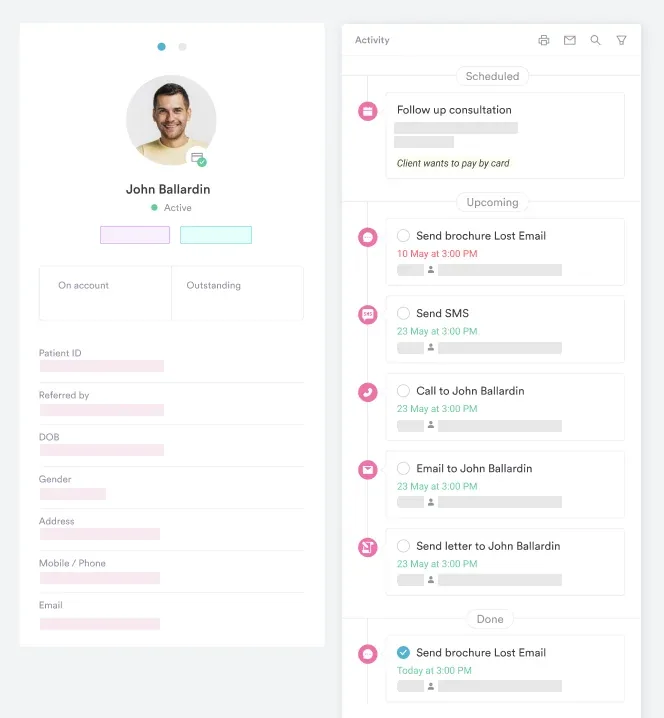
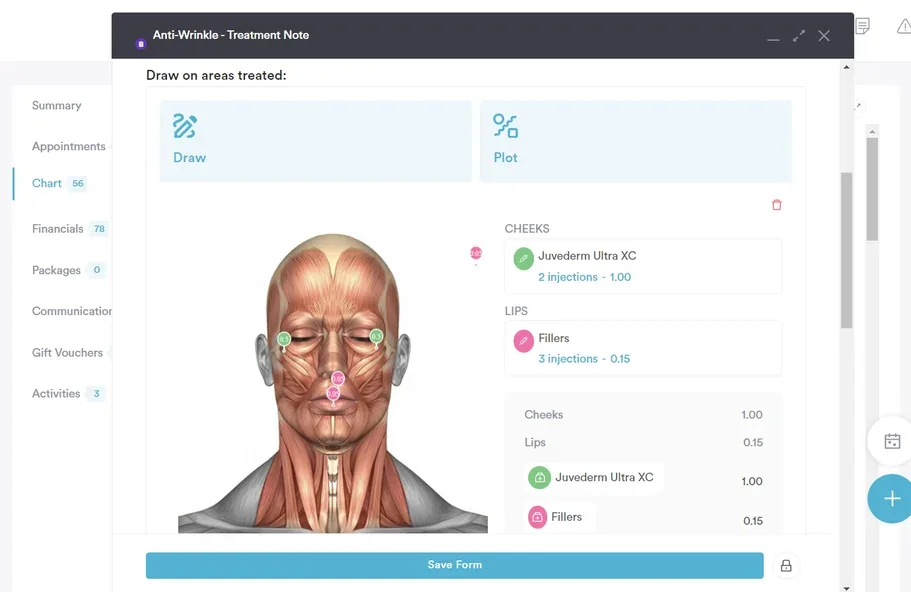
Digital clinical forms set up to capture these data points cut the risk of a missing-information rejection. With templated operative note prompts and pre-operative assessment forms, the coder has the indication, technique, and excised structures on file before the claim goes out.
Build a pre-claim checklist into your billing workflow: Before submitting any E0310 claim, confirm the pre-authorization reference number is on the invoice. Then check that the operative note names the excised structures and the pre-operative assessment states the functional indication. A two-minute check here saves weeks of back-and-forth with the insurer.
Every major UK private medical insurer requires pre-authorization for elective nasal septum surgery before the patient is admitted. Insurers treat it as a condition of payment. An E0310 claim for a procedure done without prior approval is almost always refused, however well the notes support medical necessity.
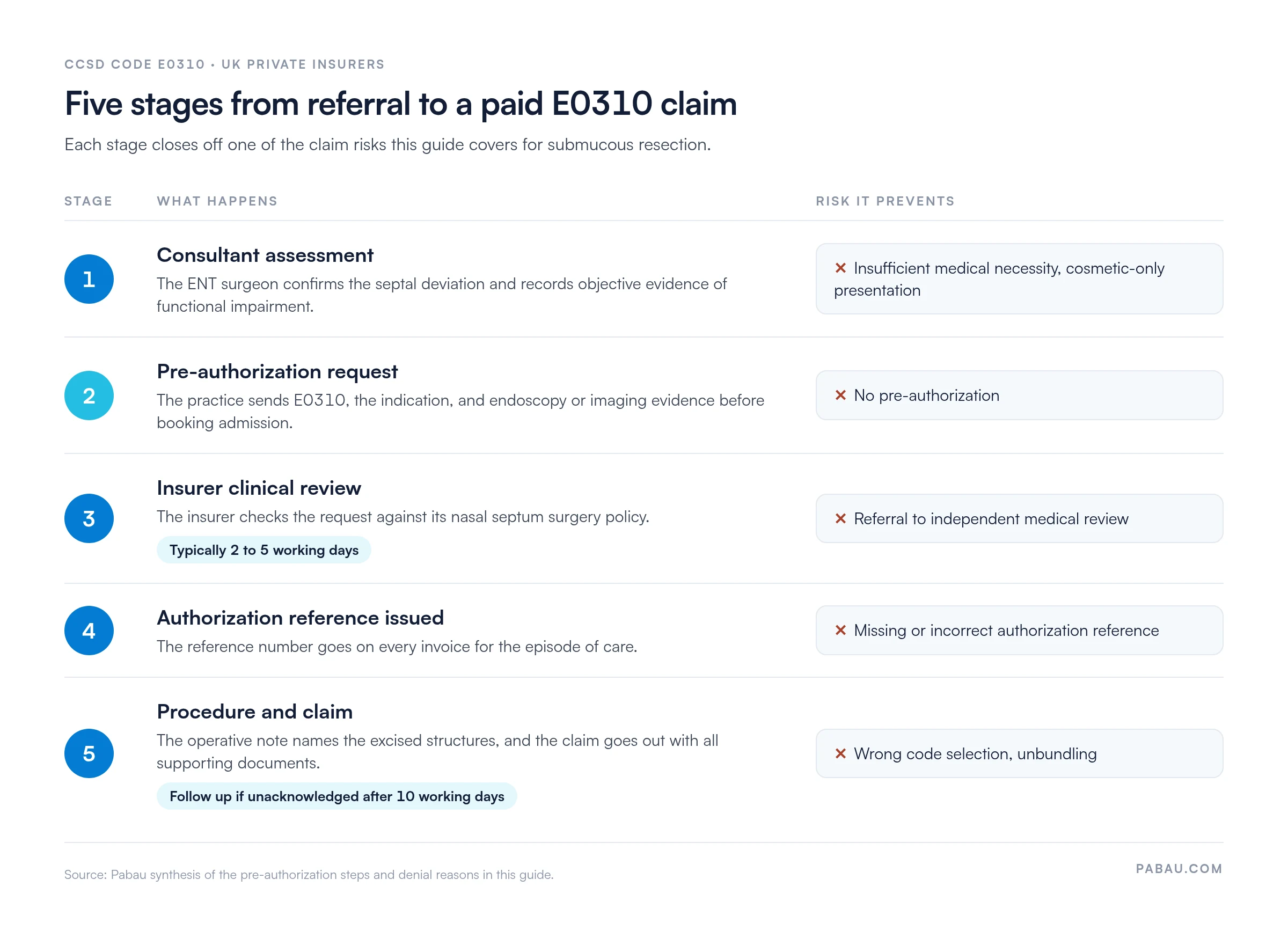
The pre-authorization process for E0310 typically involves the following steps:
Each of those stages also closes off one of the denial reasons covered later in this guide, as the flow below shows.
Some insurers, including Bupa and AXA Health, may request independent medical review for cases where the functional indication is less clearly documented. Sending objective evidence with the pre-auth request, not symptom history alone, makes that referral less likely and speeds up approval. The AXA Health procedure codes portal allows ENT practices to check code-specific requirements and submit authorization requests directly.
Denial patterns for E0310 are consistent across UK private insurers. Most rejections fall into a small number of categories, and each has a straightforward corrective action.
Logging every denial in denial-tracking claims software shows whether a pattern is emerging. One insurer might keep querying the medical necessity evidence, for example. Spotting that lets you fix the workflow once instead of arguing each claim.
Underpayment is the quieter cousin of denial. The Aviva fee schedule and the Healix fee schedule publish current procedure values for CCSD-coded ENT claims. Check the invoiced amount for E0310 against them before submission.
Review your E0310 claim-to-payment cycle quarterly. If days-to-payment is rising or denial rates are above 5%, audit a sample of recent claims for missing pre-auth references and incomplete operative notes. Those two issues account for most slow or unpaid E0310 claims in UK private ENT practice.
The line between cosmetic and functional nasal surgery is the most important one a UK private insurer draws when assessing an E0310 claim. All major UK private medical insurers exclude cosmetic procedures from standard cover. The clinician and the practice carry the burden of showing that a submucous resection is functional.
Insurers assess functional impairment using objective and subjective evidence. Relying on symptom history alone, particularly a patient’s self-reported sense of nasal blockage, is rarely sufficient. The strongest claims include at least one objective measurement alongside the clinical history.
Objective measures that support the functional threshold:
Where a patient has both functional and cosmetic concerns, the pre-operative assessment must address only the functional component. Any cosmetic element, including changes made to improve nasal appearance, is invoiced directly to the patient and kept off the insurer claim. Blending functional and cosmetic language in clinical notes is a reliable way to trigger a query or denial.
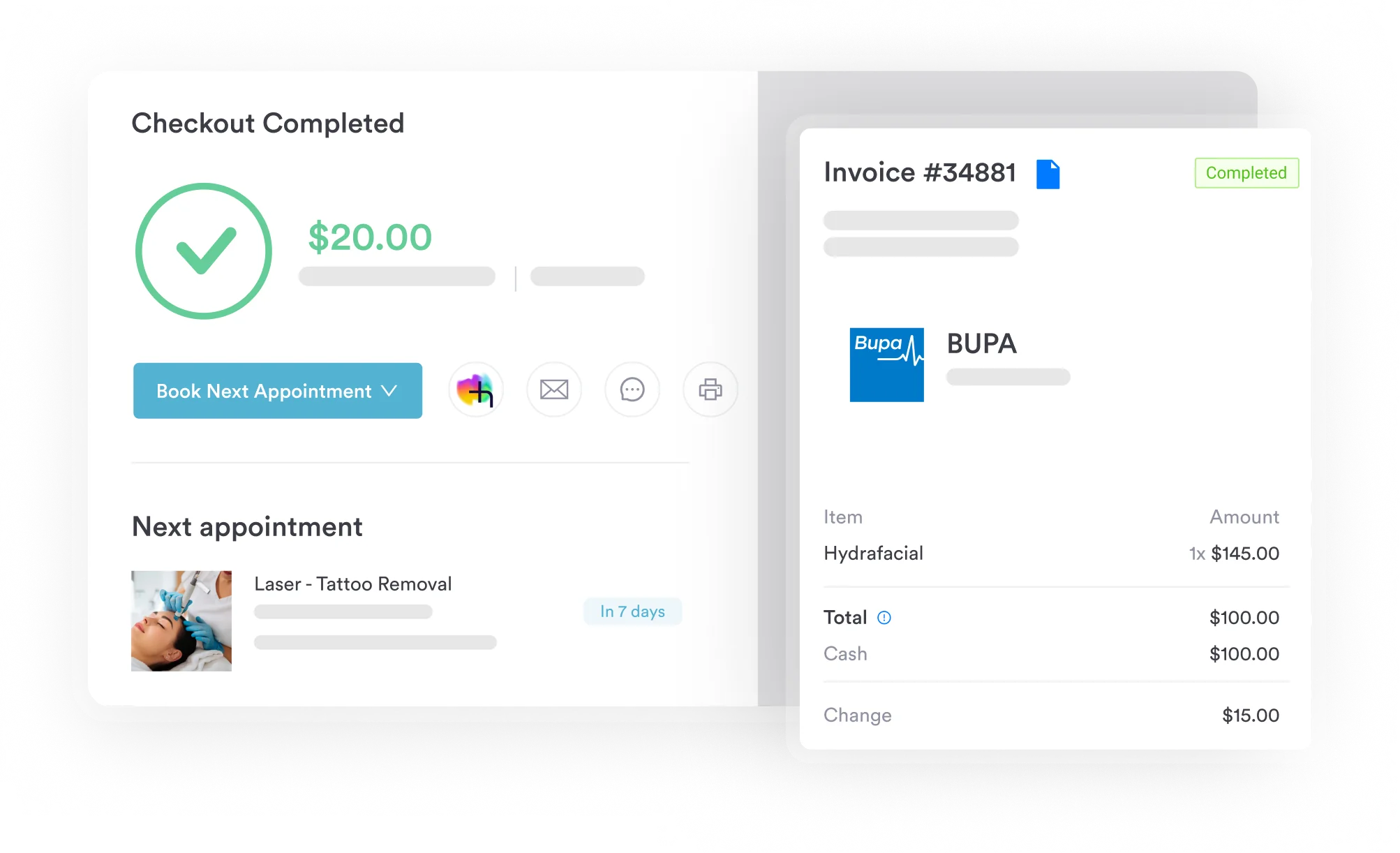
In many ENT practices, the pre-auth reference lives in an email, the operative note in a separate system, and the invoice in a spreadsheet. Each handover is a chance for the claim to go out incomplete. Pabau, our practice management and billing platform, keeps all three on the patient’s episode and supports CCSD-coded invoicing for UK private insurers.
A typical E0310 billing workflow in Pabau looks like this:
The result is a claim that leaves with its reference, code, and evidence attached. Your team spends less time answering insurer queries and more time with patients.

Pabau keeps pre-authorization references, operative notes, and CCSD-coded invoices on one patient episode, so ENT claims reach insurers complete. Book a demo to see the workflow in your practice.

Choosing E0310 is the easy part. If the operative note says cartilage or bone was excised beneath the flap, the code follows. The claims that fail are the ones where the paperwork around the code was built after the surgery.
So fix the order of work. Capture objective airflow evidence at the first consultation, and secure the authorization before booking the operating slot. Then template the operative note to name what was removed. Do that, and most E0310 queries never arrive.
Want pre-auth references and operative notes to travel with every ENT claim? Book a demo to see how Pabau handles CCSD billing for private surgical practices.

Need Bupa-specific CCSD requirements? Bupa CCSD codes covers how Bupa structures its CCSD fee schedule and submission rules for UK private practice.
Adding turbinate work to the same list? CCSD code E0440 explains coding division of turbinate adhesions, a procedure often discussed alongside septal surgery.
Took a septal biopsy before surgery? CCSD code E0330 covers the separate code for biopsy of the nasal septum.
Billing septoplasty for US patients? CPT code 30520 walks through the US septoplasty code and its fee schedule.
Working through a denied claim? Denial codes in medical billing explains what common denial codes mean and how to respond to each one.
CCSD code E0310 covers submucous resection of the nasal septum. Deviated septal cartilage and bone are removed from beneath the mucosal lining to relieve nasal obstruction. It differs from septoplasty, where tissue is repositioned rather than excised.
Submucous resection (E0310) physically excises septal cartilage or bone. Septoplasty reshapes and repositions the cartilage without removing it. The two carry separate CCSD codes, so the operative note must state the technique used.
Yes. All major UK private medical insurers, including Bupa, AXA Health, Aviva, Cigna, and WPA, require pre-authorization before elective nasal septum surgery. A procedure done without prior approval almost always goes unpaid, however strong the documentation.
The record needs a pre-operative assessment with objective evidence of functional impairment and an operative note naming the excision technique and structures removed. Add the anesthetic record, post-operative notes, and the insurer’s pre-authorization reference on the invoice.
Turbinate reduction may be billed with E0310 when it is clinically indicated, done in the same session, and documented separately in the operative note. Each insurer’s unbundling rules still apply, so confirm the combination with the insurer before submitting.
Yes, all three cover it where a documented functional indication is present and pre-authorization has been obtained. Cosmetic-only presentations are excluded. Bupa’s CCSD code search and the AXA Health procedure codes portal show current fee levels and authorization rules for E0310.