HCPCS Code Q4175: Billing, coverage, and documentation guide
HCPCS Code Q4175: Code Description and Product Identity HCPCS Code Q4175 is the ...

Last Updated: Nov 20, 2026
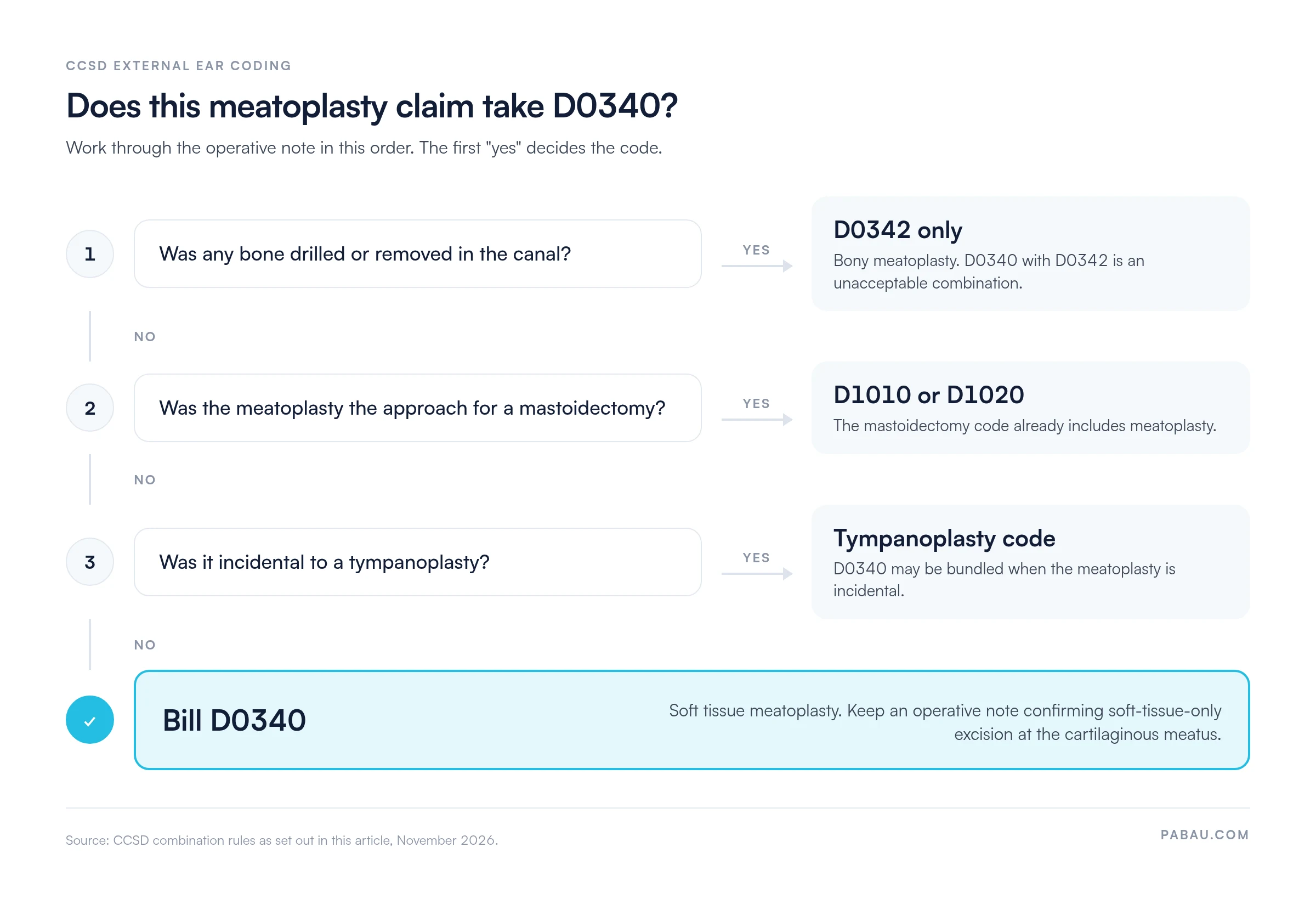
D0340 is the CCSD code for soft tissue meatoplasty of the external auditory canal. It covers surgical widening of the ear canal opening by excising soft tissue at the cartilaginous meatus. Common reasons include acquired stenosis, chronic otitis externa and keratosis obturans. Bony work is a different code, D0342, and the two are never billed together.
UK private insurers such as Bupa, AXA Health, Aviva, Vitality and WPA use CCSD codes to bill procedures in private practice. The CCSD Group maintains the schedule but does not set fees, so each insurer sets its own fee and pre-authorization rules for D0340. Confirm cover with the insurer before surgery, and keep an operative note that confirms soft-tissue-only excision.
Let Pabau's smart automation suggest the right codes, reduce claim denials, and keep your practice compliant—effortlessly.
Automate repetitive tasks and focus on what matters most—your patients.
Reduce coding errors and ensure compliance with the latest regulations.
Clean claims, fewer denials, and faster reimbursements.
Powerful insights and reporting to help your practice thrive.
HIPAA compliant SOC 2 certified GDPR-compliant Trusted by 4,000+ clinics worldwide

CCSD Code D0340 covers soft tissue meatoplasty only. Bony meatoplasty is D0342, and the two are never billed together.
The procedure widens the cartilaginous meatus by excising soft tissue, most often for stenosis, chronic otitis externa or keratosis obturans.
Missing or mismatched ICD-10 codes and absent pre-authorization are common causes of D0340 claim rejections.
UK private insurers such as Bupa, AXA Health, Aviva and Vitality bill on CCSD codes, and each sets its own fee and pre-authorization rules.
Pabau, a practice management platform, records insurance policies, cases and authorization codes, and tracks prior authorization on the case.
CCSD Code D0340 is the procedure code for soft tissue meatoplasty of the external auditory canal in the CCSD schedule. The CCSD Schedules hold the standard procedure codes for the UK private healthcare sector, and private medical insurers bill on them.
The official descriptor covers surgical enlargement of the external meatus through excision of soft tissue only. The code sits in the ear, nose and throat chapter, under External Ear.
The CCSD Group maintains the code descriptors and combination rules, but it does not decide reimbursement or fees. Each insurer, including Bupa, AXA Health, Aviva, Vitality, WPA and Healix, sets its own fee for D0340. Check the patient’s insurer fee schedule before quoting a fee, since the same code can pay differently across insurers.
For practices billing several ENT procedures, Pabau’s reference on CCSD procedure codes explains how the CCSD schedule is structured. It also covers how UK insurers apply their own fee schedules to each code.
The external auditory canal (EAC) is the cartilaginous and bony passage running from the outer ear to the tympanic membrane. Soft tissue meatoplasty widens the external opening of the canal by surgically excising the cartilaginous soft tissue that forms the meatus.
The larger canal entrance allows better drainage and easier hearing aid fitting. It also gives easier clinical access to the deeper canal and middle ear.
The procedure differs from bony meatoplasty and canaloplasty in one respect: the tissue removed. D0340 applies only when the obstruction or narrowing arises from soft tissue at the cartilaginous meatus, not from bony overgrowth deeper in the canal.
An ENT surgeon who also drills bony exostosis bills the bony meatoplasty code, D0342, instead. CCSD lists D0342 as an unacceptable combination with D0340, so the two are never billed together.
Surgical steps in a soft tissue meatoplasty:
Step 6 is not optional for billing purposes. Without operative notes confirming soft tissue excision, insurers are likely to treat the claim as unsupported and deny it.
D0340 is the correct code when the procedure performed is specifically soft tissue meatoplasty and the clinical indication relates to the cartilaginous external meatus. The table below maps the most common indications to their ICD-10 equivalents.
When bony exostosis (H61.8) causes the narrowing, the right code is bony meatoplasty, D0342, not D0340. If soft tissue and bony work happen in the same session, bill D0342 alone. CCSD lists D0340 with D0342 as an unacceptable combination. D0340 also cannot be billed with mastoidectomy codes D1010 or D1020, because those codes already include meatoplasty.
UK private insurers check that the ICD-10 diagnosis supports the CCSD procedure code on the claim. A D0340 claim with a diagnosis that does not support soft tissue meatoplasty is likely to be queried or rejected. The indications table lists the four codes that support it: H61.3, H60.8, H60.4 and H95.8. Bony exostosis, H61.8, points to D0342 instead.
Two pairing errors come up often.
Always use the most specific ICD-10 code available, and make sure the diagnosis in the clinical file matches the submitted code exactly.
Canaloplasty and meatoplasty are frequently confused in clinical notes and billing submissions. The key distinction for CCSD D0340 purposes is tissue type: D0340 covers soft tissue at the cartilaginous meatus only. The table below shows neighboring ENT codes and the decision rule for each.
One frequent error is billing D0340 when bony work makes D0342 the correct code. Another is billing tympanoplasty alone when a separate, significant soft tissue meatoplasty also took place and should be coded too. Both errors expose the practice to insurer audits and fee recovery.
The order of checks matters, because the first one that applies decides the code. The flow below runs them in that order.
Surgery on bony growths in the canal sits elsewhere in the External Ear codes. Removing multiple bony exostoses is D0280, and removing a solitary osteoma of the canal is D0812.
The closest US CPT equivalent to CCSD Code D0340 is CPT 69310, reconstruction of the external auditory canal (meatoplasty). It is used, for example, for stenosis due to injury or infection.
This mapping is approximate and informational only. The American Medical Association maintains CPT for US billing, and UK private insurers do not accept it in place of a CCSD code. If a US insurer covers an overseas patient, follow that insurer’s own guidelines. For claims to UK insurers such as Bupa, AXA Health, Aviva, Vitality and WPA, bill CCSD D0340.
CPT 69310 is worded as reconstruction of the canal, and CCSD has its own code for that, D0820. Match the operative note to the CCSD descriptor rather than to the CPT wording.
If a referring clinician or overseas insurer asks for a CPT equivalent of D0340, note CPT 69310 for reference only. Always submit the CCSD code on claims to UK private insurers. A CPT code sent in place of a CCSD code is likely to be rejected.
A D0340 claim will not survive an insurer audit or clinical review unless the clinical file contains specific documentation confirming that the procedure was soft-tissue-only. The following elements are required.
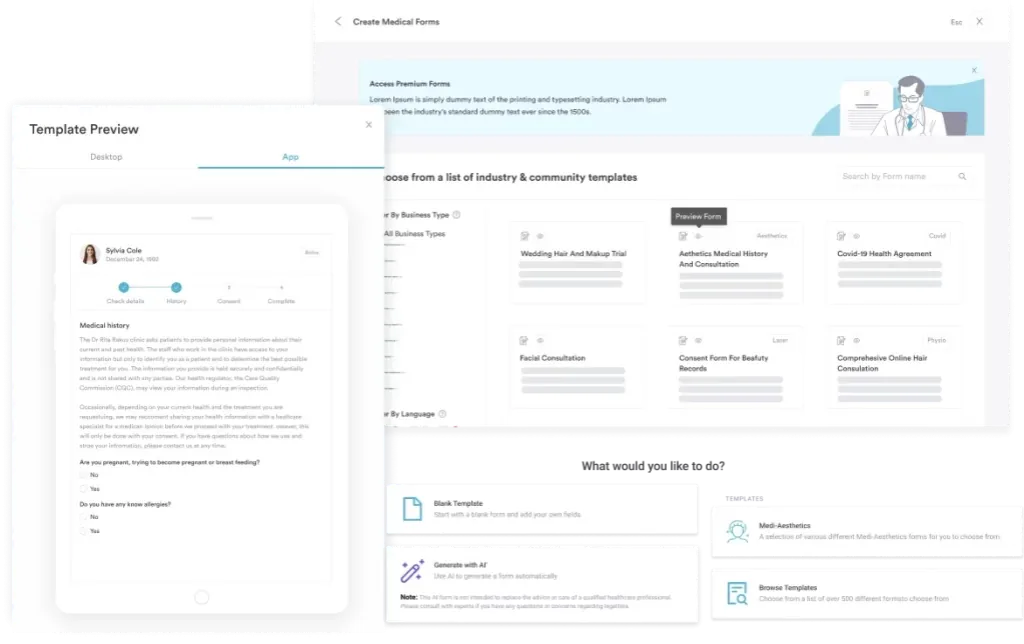
An operative note template can prompt the surgeon to confirm soft-tissue-only scope before the claim goes out. Keeping the pre-operative diagnosis, operative notes and billing code in one patient record also makes an insurer audit quicker to answer.
Most UK private medical insurers require pre-authorization before planned surgery such as soft tissue meatoplasty, though each insurer sets its own rules. Treating a patient without a pre-authorization number is a common reason for rejection, and it is also one of the easiest to prevent.
Insurer rules differ. Bupa, AXA Health, Aviva, Vitality, WPA and Healix each set their own pre-authorization process and the clinical information they need. As a general guide, most insurers ask for the following before they approve D0340:
Cover also depends on the patient’s policy. Some policies exclude or limit certain treatment, and insurers may decline surgery they see as cosmetic. Acquired stenosis with documented functional impact is easier to justify than a purely cosmetic meatoplasty. Never assume cover or pre-authorization. Confirm both with the insurer before scheduling the procedure.
Soft tissue meatoplasty under general anesthesia usually means two invoices to the insurer: the surgeon’s and the anesthetist’s.
In UK private practice both bill against the same CCSD procedure code, D0340, and each is paid at that insurer’s fee for the role. The procedure date, code and operative times must match across both invoices, or the insurer may query the claim.
Insurers set their own rules for bilateral procedures, including whether the second side is paid at a reduced rate. The CCSD Group does not set these rules. Check the patient’s insurer fee schedule before billing both ears in one session.
D0340 claims fail for predictable reasons. Most denials trace back to one of six root causes, each of which has a clear resolution path.
The Healix fee schedule lists each CCSD code’s procedure fee, anesthetic fee and unacceptable combinations. Knowing how each insurer defines bundled and separately billable work helps you avoid rejections on complex ENT sessions.
CCSD billing accuracy for surgical ENT codes depends on two things. The right code must be selected at the time of billing, and the right documentation must be in the file to defend it. Practice management software addresses both.
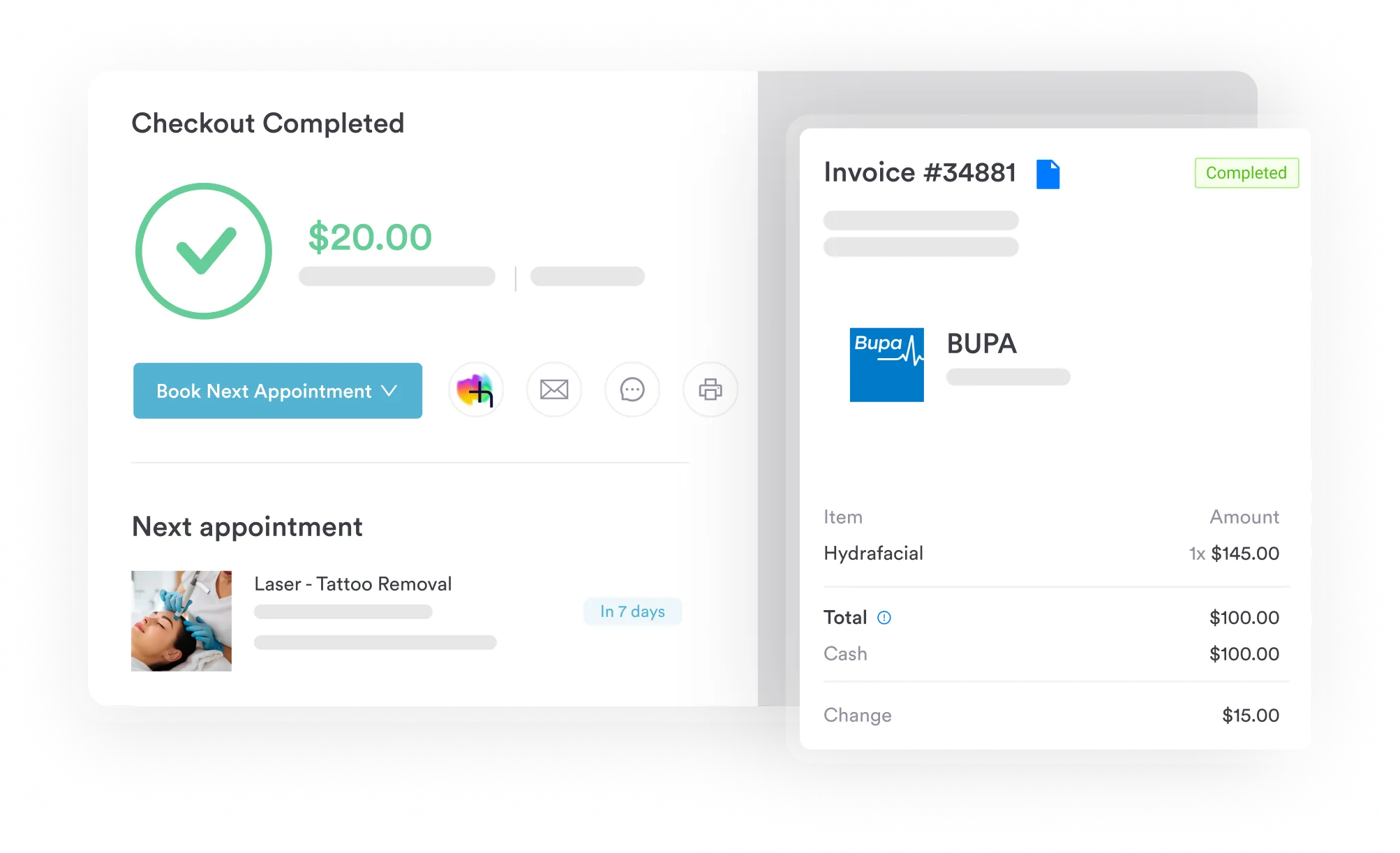
Pabau’s claims management tools record insurance policies, cases and authorization codes and track prior authorization on the case. For ENT practices billing D0340, that keeps the pre-authorization number, the patient’s policy and the claim in one record. Billers can see before surgery whether the authorization number is on file, so fewer D0340 claims come back rejected for a missing one.
For other procedures across the schedule, Pabau’s CCSD code library explains how UK private insurers use CCSD codes, with a reference page for each code.

Pabau records insurance policies, cases and authorization codes and tracks prior authorization on the case for every CCSD procedure your ENT practice bills.

D0340 rewards precision. Bill it only when the operative note shows soft tissue excised at the cartilaginous meatus, and switch to D0342 as soon as bone is involved.
Keep the order of work fixed. Pre-authorization comes first, then the operative note, then the claim. The trade-off is a few minutes of checking before surgery against weeks of appeals after it.
To see how Pabau keeps the policy, the authorization number and the claim on one patient record, book a demo.

Need a broader CCSD code reference? CCSD procedure codes and billing guide covers how the CCSD schedule is structured and how UK private insurers set fees for surgical codes.
Struggling with claim denials across multiple procedures? Pabau’s claims management software records insurance policies, cases and authorization codes and tracks prior authorization on the case for ENT practices.
Billing other external ear procedures? CCSD Code D0310 for ear reconstruction covers the neighboring External Ear code for microtia and anotia, with its documentation and billing rules.
Is the canal itself being rebuilt? CCSD Code D0820 for canal reconstruction explains when reconstruction of the external auditory canal takes its own code.
Cleaning the canal after meatoplasty? CCSD Code D0702 for aural microsuction covers aural toilet by microsuction and how insurers bill it.
CCSD Code D0340 covers soft tissue meatoplasty of the external auditory canal. That is surgical widening of the external meatus by excising soft tissue at the cartilaginous canal opening. It does not cover bony canal surgery, canaloplasty, or meatoplasty performed as an incidental approach for a larger procedure such as mastoidectomy.
Meatoplasty (D0340) addresses the soft tissue at the external meatus, widening the opening by excision. Canaloplasty addresses the bony canal, typically by drilling to remove exostoses or bony narrowing. Billing D0340 when bony work was performed is miscoding. Bony meatoplasty has its own code, D0342, and CCSD does not allow D0340 and D0342 together.
Usually, yes. Most UK private medical insurers, including Bupa, AXA Health, Aviva, Vitality and WPA, require pre-authorization before planned surgery such as D0340. Each insurer sets its own process and the information it needs. Treating without a pre-authorization number is a common reason for rejection. A retrospective request may be declined, depending on the insurer.
The closest CPT equivalent is CPT 69310, reconstruction of the external auditory canal (meatoplasty). This mapping is informational only. UK private insurers bill on CCSD codes, so submit D0340, not a CPT code.
The most commonly paired ICD-10 codes are H61.3 (acquired stenosis of external ear canal) and H60.8 (other otitis externa, which includes chronic otitis externa). Keratosis obturans takes H60.4, cholesteatoma of external ear. Post-surgical stenosis takes H95.8, or H61.3 with the prior surgery documented. Bony exostosis, H61.8, points to bony meatoplasty, D0342, instead. An unspecified or mismatched ICD-10 code is a common cause of insurer queries and rejections.
Yes. When meatoplasty is performed under general anesthesia, the anesthetist invoices the insurer separately, against the same CCSD code at that insurer’s anesthetist fee. Both invoices must show the same procedure date and aligned operative times. If both ears are treated in one session, follow the insurer’s rules for bilateral procedures and record both sides in the operative report.
The clinical file must contain a pre-operative diagnosis with its ICD-10 code and signed informed consent naming the procedure. It also needs an operative report confirming that only soft tissue was excised from the cartilaginous meatus. Add anesthesia notes aligned to the operative time, and record laterality (left, right, or bilateral). Without operative detail confirming the soft-tissue-only approach, a D0340 claim is hard to defend on audit.