CCSD Code D1910: Middle ear polypectomy billing guide
What CCSD code D1910 covers CCSD code D1910 is the procedure code used to reimbu...

Last Updated: Oct 7, 2026
D0310 is the CCSD code for reconstruction of the external ear for anotia or microtia using cartilage. UK private medical insurers use it to authorize and pay for congenital ear reconstruction, usually built from the patient's own rib cartilage.
The code sits in the CCSD ear, nose and throat chapter under External Ear and carries a Complex rating. It covers congenital absence or malformation only, not cosmetic otoplasty or repair after trauma.
Let Pabau's smart automation suggest the right codes, reduce claim denials, and keep your practice compliant—effortlessly.
Automate repetitive tasks and focus on what matters most—your patients.
Reduce coding errors and ensure compliance with the latest regulations.
Clean claims, fewer denials, and faster reimbursements.
Powerful insights and reporting to help your practice thrive.
HIPAA compliant SOC 2 certified GDPR-compliant Trusted by 4,000+ clinics worldwide

CCSD Code D0310 covers reconstruction of the external ear for anotia (complete absence) or microtia (partial absence) using cartilage, not cosmetic ear reshaping.
Pair D0310 with a specific ICD-10 diagnosis: Q16.0 (congenital absence of auricle) for anotia or Q17.2 (microtia) for microtia.
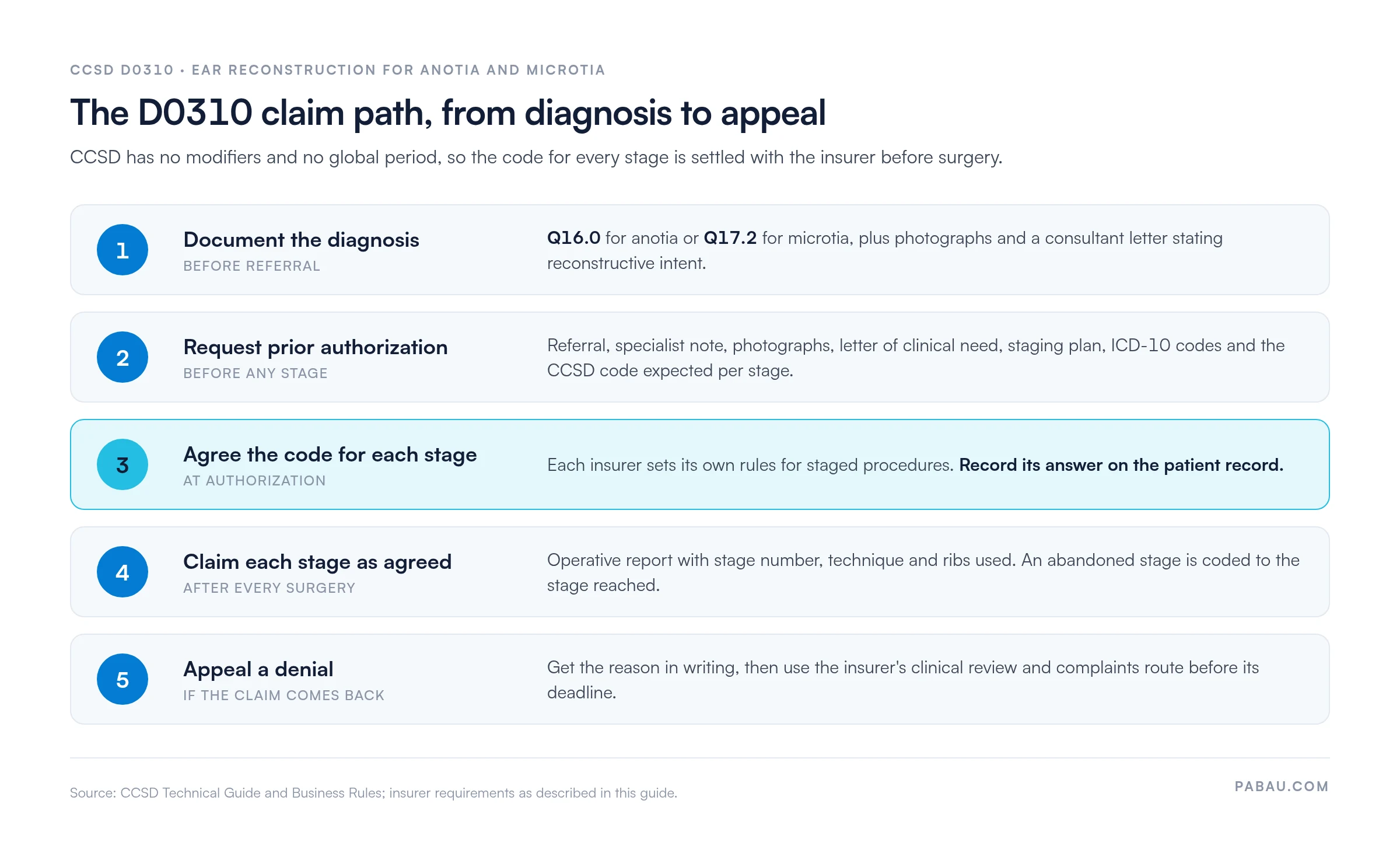
CCSD has no modifiers and no global period. Staged claims rest on the single-code principle, the unacceptable combinations list and each insurer’s own rules.
Confirm at pre-authorization how the insurer wants each reconstruction stage authorized and claimed, and keep its answer on the patient record.
Pabau, our practice management and billing software, tracks every reconstruction stage and its authorization, so missing documents surface before a claim goes out.
CCSD Code D0310 is defined by the Clinical Coding and Schedule Development (CCSD) group as: Reconstruction of external ear for anotia/microtia using cartilage. It appears in the CCSD schedule including Bupa, AXA Health, Aviva, Vitality, and Allianz Care. To compare D0310 with neighboring ear procedures, browse our full list of CCSD codes.
Two conditions fall within D0310’s scope:
D0310 does not cover otoplasty (cosmetic ear pinning for prominent ears), repair of traumatic ear loss, or auricular prosthesis fitting. Selecting D0310 for any of those procedures invites a denial or an audit.
D0310 captures a complex reconstructive procedure, not a single surgical event. Surgeons at UK plastic surgery practices mainly use two techniques: Brent (typically four stages) and Nagata (two stages). Both build the ear framework from the patient’s own rib cartilage.
The core surgical steps are:
An alloplastic alternative uses a porous polyethylene (Medpor) framework instead of rib cartilage, often in a single stage. D0310’s descriptor specifies cartilage, so ask the insurer which code it expects before booking an alloplastic reconstruction. Coverage rules for implant frameworks also vary by insurer.
Most surgeons perform the procedure when the child is aged six years or older, when the rib cartilage is developed enough for harvest. This age guidance is widely accepted in the reconstructive surgery literature, though individual insurers may set their own age criteria.
Microtia reconstruction spans several surgical sessions separated by months, so each stage raises a billing question. CCSD answers it differently from US coding. The CCSD Technical Guide and Business Rules has no modifiers and no global period.
Instead, three principles from the guide shape how a D0310 episode is coded:
Because the unacceptable combinations are guidelines only, Bupa, AXA Health, Aviva, Vitality and WPA can each treat the same pair differently. Record each insurer’s answer on the patient record, so the billing team claims later stages the way the insurer agreed. The path below shows where that agreement sits in a D0310 claim.
UK private medical insurers take diagnosis codes from the WHO edition of ICD-10, not the US-only ICD-10-CM. A non-specific diagnosis code is a common technical cause of D0310 denial, so use the most specific code the documented clinical picture supports.
Don’t reach for Q17.3 to record hearing loss. Category Q17 excludes congenital ear malformations that cause hearing impairment, and those sit in Q16 instead. So canal atresia with microtia is coded under Q16 rather than paired with Q17.2. Never submit D0310 with a generic congenital anomaly code that doesn’t name the ear defect.
Insurers routinely treat ear surgery as cosmetic by default. D0310 claims succeed when the clinical record makes the reconstructive basis unambiguous. The distinction matters because most private medical insurers exclude cosmetic procedures but cover reconstructive surgery for congenital anomalies.
The key differences a claims reviewer looks for:
The operative report and the consultant’s letter of clinical need must use explicit reconstructive language throughout. Phrases like “improving appearance” without a congenital deformity qualifier invite a cosmetic denial, even when the indication is legitimate.
Meeting medical necessity for D0310 means the clinical record must address the criteria insurers check at pre-authorization and claims review. Applying thorough medical billing compliance standards from the outset prevents most documentation-related denials.
What the operative report must include:
What the pre-operative documentation must include:
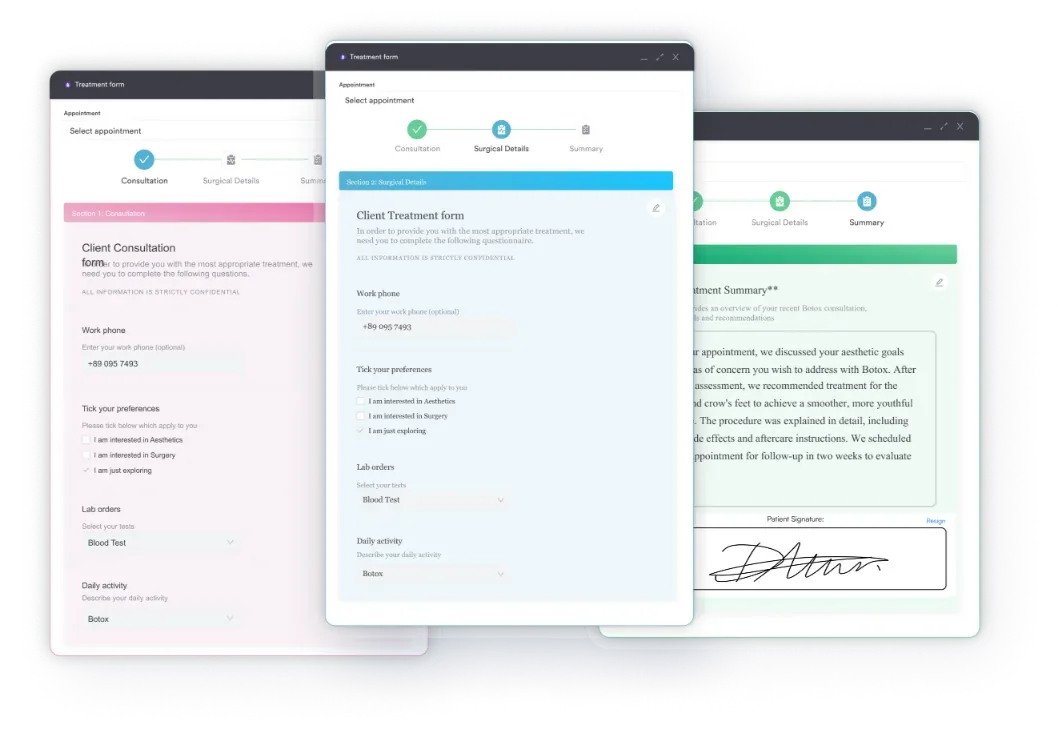
Practices using digital consent and intake forms can build these documentation checkpoints into the pre-surgical workflow. That reduces the chance of a missing element at claim time.
Most UK private medical insurers require prior authorization for D0310 before any surgical stage. Billing without it is one of the easiest denials to prevent and one of the hardest to overturn afterwards.
A complete pre-authorization request for D0310 typically includes:
If an insurer declines a pre-authorization request, ask for the reason in writing and use its clinical review process. A consultant letter that answers that reason directly gives the reviewer what it needs. Supporting literature on the psychosocial and developmental impact of untreated microtia can strengthen the case. Decision times vary by insurer, so build them into the surgical schedule.
Build a standard D0310 prior authorization packet as a reusable template in your practice management system. Include the referral letter, consultation note, photograph checklist, letter of clinical need template and diagnosis code set. A pre-assembled packet speeds up authorization and cuts resubmissions.
D0310 carries a higher denial risk than most codes because insurers view ear surgery as cosmetic by default. The most common denial reasons and their preventive actions are:
Each insurer runs its own appeal route, usually a clinical review followed by its formal complaints process. Ask which route applies and what deadline the insurer sets, then work to that deadline.
Send the same documentation package as the pre-authorization request, plus a letter that answers the stated denial reason. Name the congenital diagnosis (Q16.0 or Q17.2) and cite the insurer’s own policy on reconstructive surgery for congenital conditions. Attach clinical photographs, the operative report and supporting literature on reconstructive need.
Structured denial management workflows that track denial reasons by code help practices spot recurring patterns and fix them at the source.
CCSD does not set fees. Its guide states that the complexity structure and the fee for a procedure are for each funder and provider to agree by contract. D0310 carries a Complex rating in the CCSD schedule, but practices should confirm contracted rates directly with each insurer.
Our guide to Bupa CCSD codes explains how Bupa organizes the schedule by chapter.
These insurer tools help practices look up CCSD codes and fees:
Cover generally follows established reconstructive surgery principles. Insurers pay for congenital deformity correction where clinical need is established, the procedure meets their policy criteria, and pre-authorization has been granted. NHS-funded treatment follows separate commissioning criteria and sits outside the CCSD scope.
Several adjacent procedures share superficial similarity with D0310. Picking the wrong one, or blurring their indications, leads to denials that are harder to overturn than a missing letter.
Cosmetic ear pinning has its own CCSD code, D0330, for pinnaplasty. If the ear is anatomically complete, that is the code to check, not D0310.
Congenital ear reconstruction runs across two to four surgical stages, often months apart. Authorization letters, photographs and stage notes easily end up spread across inboxes and folders. That is how a later stage gets claimed in a way the insurer never agreed.
Pabau keeps the whole reconstruction episode in one patient record. Pabau’s insurance claims management tools show billing teams every open claim, authorization status and denial pattern from a single dashboard.
Digital forms collect the documentation each insurer asks for before surgery. Your billing team sees what is missing before the claim goes out, not after it comes back.
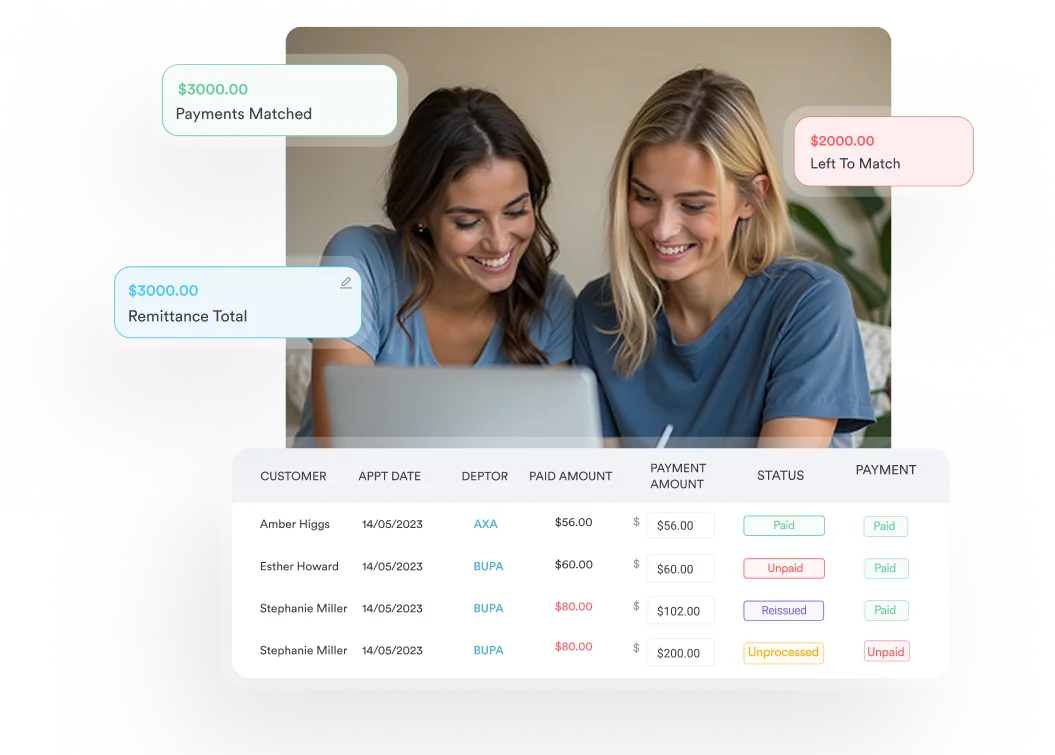

Pabau helps plastic surgery and ENT practices track prior authorization status, staged billing episodes, and denial reasons across every D0310 claim. No stage slips through between surgeries.

D0310 claims rarely fail because the procedure isn’t covered. They fail when practices bill a UK code with US habits, reaching for modifiers and global periods that CCSD doesn’t have. The practices that get paid treat each reconstruction as one authorized plan. They agree with the insurer how every stage will be coded before the first incision, then document the congenital basis at each stage.
Pabau gives plastic surgery and ENT billing teams one place to run that plan, from authorization tracking to the claim for each stage. Book a demo to see how Pabau handles reconstructive surgery billing workflows end to end.

Coding cosmetic ear pinning instead? CCSD code D0330: Pinnaplasty billing guide covers the separate code for correcting prominent ears.
Removing a preauricular appendage? CCSD code D0132 covers excision of an accessory auricle, another congenital external ear procedure.
CCSD Code D0310 covers surgical reconstruction of the external ear for anotia (complete congenital absence) or microtia (partial congenital malformation) using cartilage. That is usually the patient’s own rib cartilage. It does not cover cosmetic ear reshaping (otoplasty), auricular prosthesis fitting, or repair of traumatic ear loss. Check with the insurer before using it for an alloplastic (Medpor) framework.
D0310 applies to congenital absence or malformation of the ear that needs surgical reconstruction. Otoplasty corrects prominent or protruding ears that are anatomically complete. Otoplasty is cosmetic and excluded from most private medical insurance policies. Submitting D0310 for an otoplasty, or the reverse, leads to a denial and can prompt an audit.
UK private medical insurers take ICD-10 codes from the WHO edition, not the US-only ICD-10-CM. Use Q16.0 (congenital absence of (ear) auricle) for anotia and Q17.2 (microtia) for partial malformation. Q16.1 can be added alongside Q16.0 when the external auditory canal is also absent or narrowed. It is not paired with Q17.2, because category Q17 excludes the whole Q16 block. Q17.3 (other misshapen ear) describes neither anotia nor microtia, and category Q17 excludes malformations that cause hearing impairment.
Yes. Most UK private medical insurers require prior authorization before any surgical stage. The request should include the GP or specialist referral, clinical photographs and a consultant letter of clinical need. Add the proposed staging plan and the relevant ICD-10 diagnosis codes. Billing without an authorization reference on file is a straightforward and avoidable denial.
CCSD has no modifiers and no global period, so US-style staged billing with modifier 58 does not apply. Under the CCSD single-code principle, one code describes a procedure and its routine component parts. The unacceptable combinations list flags codes that should not be claimed together, but CCSD calls it guidance only. Each insurer sets its own rules for staged procedures, so confirm at pre-authorization how every stage will be claimed.
Ask the insurer for the denial reason in writing, then use its own clinical review or complaints process. Write a letter that answers that reason directly and names the congenital diagnosis (Q16.0 or Q17.2). Cite the insurer’s own policy on reconstructive surgery for congenital conditions. Attach clinical photographs, the operative report and supporting medical literature, and check the deadline the insurer sets.