ICD-10 Code S42.444P: Medial epicondyle fracture, right humerus
ICD-10 Code S42.444P: full descriptor and code validity ICD-10 Code S42.444P car...

Last Updated: Oct 13, 2026
Billable Code Specific Code
Z21 is the billable ICD-10-CM code for asymptomatic human immunodeficiency virus [HIV] infection status.
Let Pabau's smart automation suggest the right codes, reduce claim denials, and keep your practice compliant—effortlessly.
Automate repetitive tasks and focus on what matters most—your patients.
Reduce coding errors and ensure compliance with the latest regulations.
Clean claims, fewer denials, and faster reimbursements.
Powerful insights and reporting to help your practice thrive.
HIPAA compliant SOC 2 certified GDPR-compliant Trusted by 4,000+ clinics worldwide

ICD-10 Code Z21 is a billable FY 2026 code for asymptomatic HIV infection status, effective October 1, 2025.
Z21 applies only when a patient tests HIV-positive but has no signs, symptoms, or HIV-related conditions.
Never use Z21 when B20 applies. The Excludes1 note prohibits coding them together, and once a patient is coded B20, subsequent encounters stay B20.
Pabau’s claims management software and Claim.MD integration help clinics submit accurate HIV-status codes and catch Z21 vs B20 errors before claims reach the payer.
ICD-10 Code Z21 is the billable/specific ICD-10-CM diagnosis code for asymptomatic human immunodeficiency virus [HIV] infection status. It became effective October 1, 2025 for fiscal year (FY) 2026. This reference covers the clinical criteria for Z21, its distinction from B20, sequencing guidance, documentation requirements, and the related codes coders encounter most often.
Z21 and B20 are mutually exclusive ICD-10-CM codes, one of many Excludes1 pairs covered in the diagnostic codes guide. Assigning one when the documentation supports the other is a frequent coding error, since the cues that separate them are often subtle.
The single most important rule in HIV ICD-10 coding: Z21 and B20 are Excludes1 codes. They cannot be assigned together in the same encounter. Choosing between them comes down to one clinical question: does the patient have signs, symptoms, or conditions attributable to HIV?
The “once-B20-always-B20” rule carries significant audit risk. Once a provider has documented and a coder has assigned B20, that status should be coded B20 at every subsequent encounter. This holds even if the patient is currently asymptomatic. Reverting to Z21 for a later visit is an ICD-10-CM guideline violation.
All four conditions below must be satisfied before assigning ICD-10 Code Z21. Missing any one of them means a different code applies.
Check the full problem list and prior encounter notes before assigning Z21. A prior B20 assignment anywhere in the record permanently changes the appropriate code for that patient, even if the current visit note only mentions routine HIV monitoring.
Sequencing errors with Z21 are a common denial trigger. The guidelines in ICD-10-CM Section I.C.1.a set out when Z21 can and cannot serve as the principal diagnosis.
Z21 may be sequenced as the principal, or first-listed, diagnosis only when the encounter is solely for monitoring or managing asymptomatic HIV status. No other condition can have driven the visit. Examples include routine HIV monitoring appointments, prescription refill visits for antiretroviral therapy with no presenting complaint, and encounters specifically documented as HIV status checks.
Z21 is demoted to a secondary code when another condition is the reason for the visit. A patient with documented asymptomatic HIV status might come in for an unrelated problem, such as a fracture or hypertension management. That presenting condition becomes the principal diagnosis, and Z21 is added as an additional code to reflect HIV status.
A coder cannot assign Z21 on clinical inference alone. The provider’s documentation must support three explicit elements. Maintaining patient record documentation that captures all three is the difference between a clean claim and an audit flag.
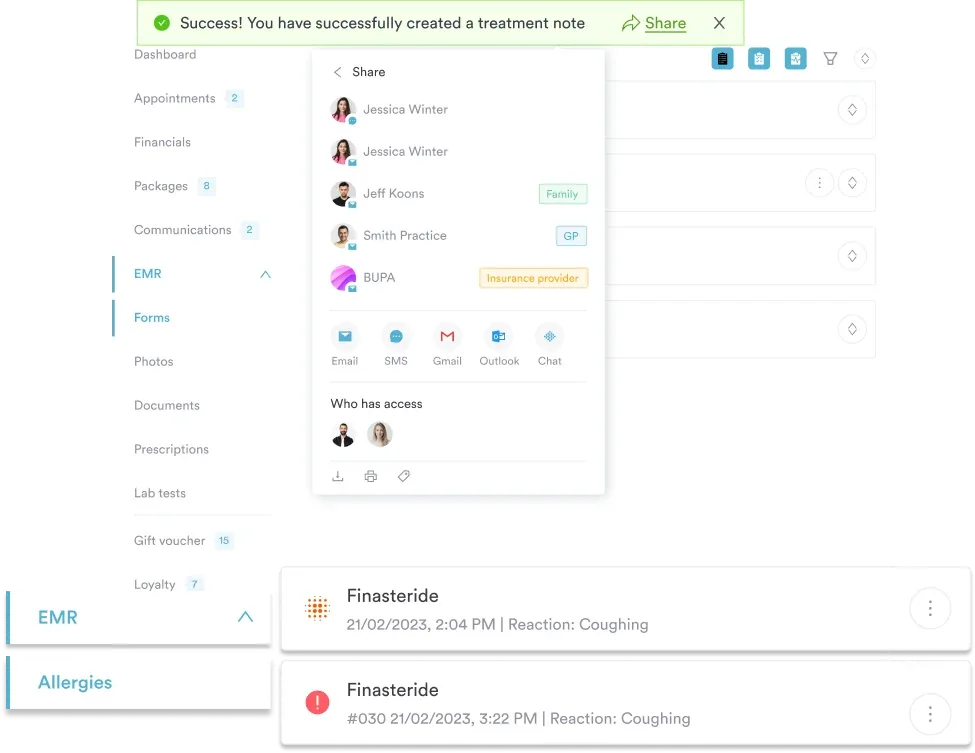
Good documentation practices generally require specificity at the condition level, and HIV coding is no exception. A query to the provider is appropriate when the note mentions HIV but does not clarify symptom status. Ensure this aligns with your practice’s medical billing compliance workflows.
Understanding the Excludes notes and related codes prevents both under-coding and over-coding in HIV-positive patient encounters.
For coding validation and crosswalk support, the CDC/NCHS ICD-10-CM web tool provides the official U.S. code lookup by fiscal year. The CMS ICD-10 codes page hosts the FY 2026 tabular list and Official Guidelines.
Three scenarios fall outside the standard Z21 workflow. Each has its own coding logic.
When a pregnant patient has HIV, whether asymptomatic or symptomatic, the O98.7- code series takes priority. The specific code within O98.7- depends on the trimester or delivery status. Neither Z21 nor B20 is the appropriate primary code in an obstetric encounter for an HIV-positive patient. Z21 or B20 may be added as secondary codes depending on symptom status, but O98.7- leads the sequence.
A positive HIV test is not always definitive on the first result. When the test returns indeterminate or inconclusive, assign R75. Z21 requires a confirmed positive status. Using Z21 for an inconclusive result overstates certainty and creates a permanent record entry that may misstate the patient’s HIV status.
Infants born to HIV-positive mothers who have not yet had their own confirmatory testing are coded Z20.6, not Z21. Z20.6 covers contact with and suspected exposure to HIV. Coders often pair it with P00.2 (Newborn affected by maternal infectious and parasitic diseases) to document the exposure. Z21 is an adult status code and should not be applied to a newborn pending HIV confirmation.

Pabau’s built-in claims management and Claim.MD clearinghouse integration help clinics catch Z21 vs B20 coding errors before they reach the payer. See how it works for sexual health and primary care practices.

These are the errors that appear most frequently in claim audits and denial queues. Each one has a direct fix.
Systematic denial management workflows that include HIV-code logic checks catch most of these errors before claims leave the practice. For practices billing through a clearinghouse, validation edits provide a second catch layer that flags payer-level code conflicts in the submission workflow.
Accurate Z21 assignment depends on clean documentation upstream and consistent coder access to the patient’s full coding history. It also needs a claims workflow that validates code pairs before submission. Practice management platforms that integrate clinical documentation with billing keep those three steps working together.
Specifically for Z21 vs B20 accuracy, integrated claims management software can flag Excludes1 conflicts before a claim reaches a payer. Clearinghouse edits then add a second validation layer. Practice management software like Pabau connects to Claim.MD’s clearinghouse network, which runs real-time eligibility checks across 400+ payers. It also validates ICD-10-CM code pairs against payer-specific editing rules at submission. This catch layer reduces denial rates on status-coding errors that are easy to miss manually.
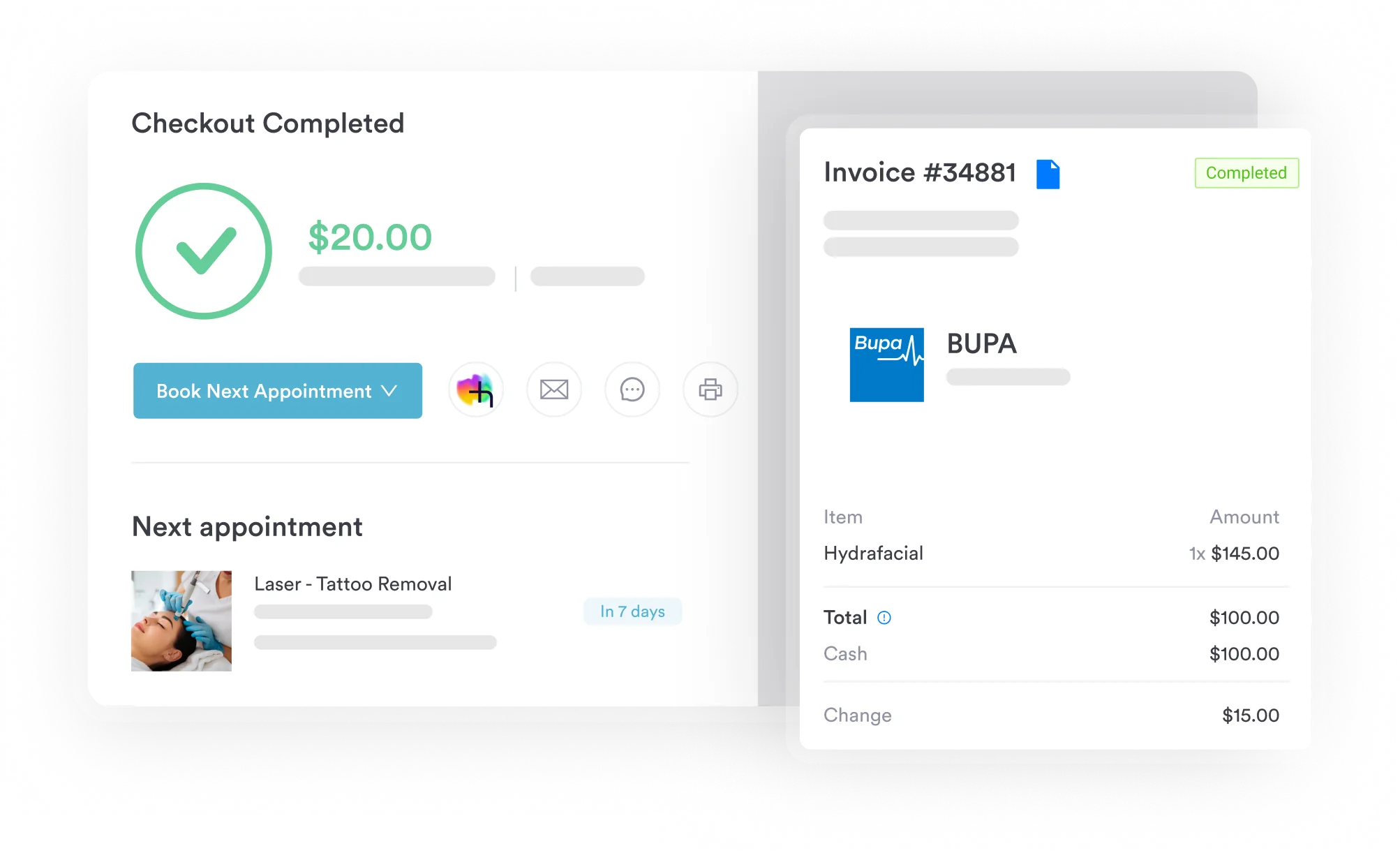
Maintaining HIPAA compliance adds another layer of obligation for practices managing HIV records. HIV serostatus is protected health information under HIPAA and many state laws. An EHR system with auditable access logs and role-based permissions helps practices meet both coding accuracy and privacy requirements simultaneously.
Build a Z21 vs B20 alert into your EHR problem list workflow. When a coder selects Z21, the system should automatically check whether B20 appears anywhere in prior encounter notes. Catching the switch point at documentation is faster and cheaper than correcting a denied claim.
The Z21 vs B20 decision is one of the most audit-sensitive coding choices in HIV patient management. Z21 works only for confirmed, asymptomatic HIV-positive patients with no prior B20 history. Any other presentation routes to B20 or a related code. Sequencing, documentation specificity, and the once-B20-always-B20 rule are the three pressure points where errors accumulate.
Practices that build these rules into their EHR and claims submission workflow catch errors before they cost time and reimbursement. To see how Pabau’s revenue cycle management tools and Claim.MD integration support accurate ICD-10-CM coding at scale, book a demo.

Need a compliant framework for HIV patient documentation? HIPAA compliance for clinic software covers the data security and access-control requirements that apply to sensitive diagnoses like HIV serostatus.
Want to reduce denial rates on ICD-10-CM claims? Clean claim submission outlines the elements that clearinghouses validate before claims reach payers, including code-pair edits.
Exploring how clearinghouse validation works? Medical claims clearinghouse explains the role of clearinghouses in catching code conflicts like Excludes1 violations before submission.
ICD-10 Code Z21 is a billable ICD-10-CM diagnosis code used to document asymptomatic human immunodeficiency virus [HIV] infection status. It applies when a provider confirms HIV-positive status, through a positive test or a documented diagnostic statement. The patient must show no signs, symptoms, or HIV-related conditions. It became effective October 1, 2025 for FY 2026.
Z21 is for asymptomatic HIV-positive patients with no HIV-related signs, symptoms, or conditions. B20 is for patients with confirmed HIV disease who have symptoms or HIV-related conditions, including AIDS. They are Excludes1 codes and can never be assigned together. Additionally, once B20 has been assigned, it must be used at all future encounters, even if the patient later appears asymptomatic.
Use Z21 when the patient has a confirmed positive HIV test with no HIV-related signs, symptoms, or active conditions. Z21 also requires no prior B20 assignment in the record. If any of those four conditions are not met, B20 or another code applies. Z21 cannot be used for inconclusive HIV tests (use R75) or during pregnancy (use O98.7-).
Yes. Z21 is a billable/specific ICD-10-CM code valid for claim submission and reimbursement. It is not a placeholder or non-billable header code. The FY 2026 version became effective October 1, 2025.
Yes, but only when the encounter is specifically for HIV status monitoring or management and no other condition drove the visit. If the patient presented for an unrelated condition, such as hypertension or a routine physical, that condition sequences as principal. Z21 is then listed as an additional code.
During obstetric encounters, HIV in a pregnant patient is coded with the O98.7- series, not Z21 or B20. O98.7- covers HIV disease complicating pregnancy, childbirth, and the puerperium. The specific O98.7- code depends on the trimester or delivery status. Z21 or B20 may be added as secondary codes to reflect symptom status.