

ICD-10 Code S42.444P: Medial epicondyle fracture, right humerus
ICD-10 Code S42.444P: full descriptor and code validity ICD-10 Code S42.444P car...

Last Updated: Oct 13, 2026
Billable Code Specific Code
S55.899D is the billable ICD-10-CM code for other specified injury of other blood vessels at forearm level, unspecified arm, subsequent encounter.
The code is valid for HIPAA-covered transactions. It also sets out documentation requirements and CPT billing context for the 2026 ICD-10-CM edition, effective October 1, 2025.
Let Pabau's smart automation suggest the right codes, reduce claim denials, and keep your practice compliant—effortlessly.
Automate repetitive tasks and focus on what matters most—your patients.
Reduce coding errors and ensure compliance with the latest regulations.
Clean claims, fewer denials, and faster reimbursements.
Powerful insights and reporting to help your practice thrive.
HIPAA compliant SOC 2 certified GDPR-compliant Trusted by 4,000+ clinics worldwide

S55.899D is a billable ICD-10-CM code for other specified injury of other blood vessels at forearm level, unspecified arm, subsequent encounter.
The 7th character D means the patient is in the active healing phase, not that this is their second visit.
S55.899D sits in the S55.8xx subcategory, alongside separate subcategories for the radial artery, the ulnar artery, and forearm veins.
Documentation must name the vessel, the side, and the phase of care before this code holds up under payer review.
Practice management software like Pabau captures those three elements during the visit, so claims go out with the right character first time.
Per the CDC’s ICD-10-CM tool, S55.899D is valid for HIPAA-covered claims submission. It belongs to the 2026 ICD-10-CM edition, which became effective October 1, 2025.
Breaking the code down by component makes the structure clear. S55 is the category for injury of blood vessels at forearm level. The fifth and sixth characters .89 denote other specified injury of other blood vessels.
The 7th character D specifies a subsequent encounter. No portion of this code is a placeholder, so all seven characters are required for a valid claim.
The 7th character is where most S55.899D coding errors originate. Under ICD-10-CM Official Guidelines Section I.C.19, a subsequent encounter is not the patient’s second visit. It is care given during the active healing phase, after the initial treatment episode has ended.
A patient discharged from the ED after a forearm vascular laceration repair returns to the vascular surgery clinic for wound checks and staple removal. Those follow-up visits use character D. The initial ED encounter used character A. If the patient later develops chronic ischemia, character S applies instead. Each Administrative Contractor publishes its own coverage articles, so a national answer is often the wrong one.
Rehabilitation visits during that same healing window also carry character D. The setting does not change the character. The phase of healing does.
A patient can receive multiple subsequent-encounter visits, all coded D, across different facilities. The 7th character tracks the phase of healing, not the provider count. For sequela coding, S55.899S is sequenced first, followed by the code describing the nature of the late effect.
Other injury chapters extend the same idea with extra characters.
Document the phase of care in the medical record before selecting the 7th character. Phrases like ‘patient presents for wound check following forearm vascular repair’ directly support the D character and reduce payer audit risk.
S55 is the three-character category covering all injuries of blood vessels at forearm level within the S00-T88 injury chapter. CMS ICD-10-CM resources confirm that S55 is not billable on its own. Coders must select a subcategory with full character specificity.
S55 organizes forearm vascular injuries into five subcategory groups based on the vessel involved. S55.899D falls into the other blood vessels subcategory, S55.8xx, which captures vessels that are neither the radial artery, the ulnar artery, nor a vein.
Within S55.8xx, the sixth character 9 in S55.899D signals an unspecified arm. If the treating physician documents a left or right forearm, the coder should use S55.892x or S55.891x instead. Accurate laterality is a client records priority and a common audit focus for payers.
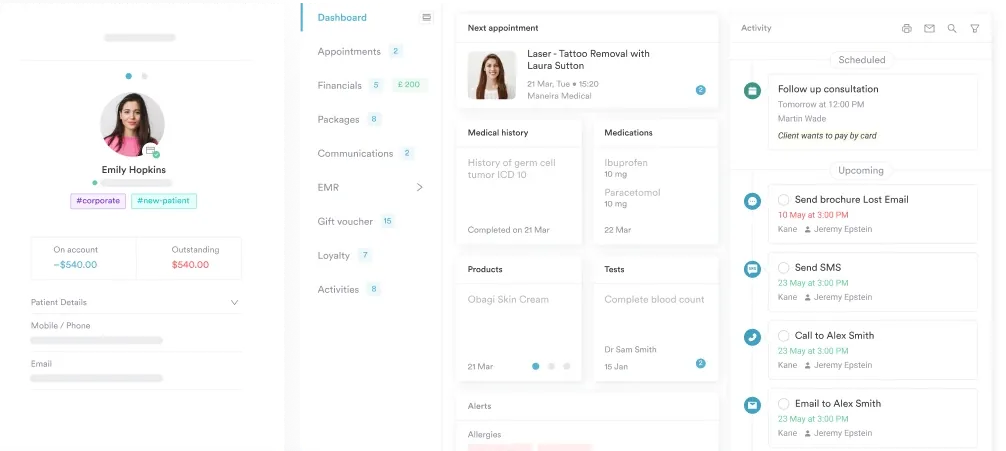
Injury recovery often runs through occupational therapy, and occupational therapy software tracks function from assessment to discharge.
Coders reach ICD-10 Code S55.899D through the ICD-10-CM Alphabetic Index by starting with the main term for the type of injury. The AAPC Codify ICD-10-CM lookup and the CDC’s official tool both reflect the same index pathways. Common index routes include:
After identifying the base code through the index, always verify it in the Tabular List. The Tabular List confirms billable status, applicable-to notes, and any Excludes1 or Excludes2 restrictions.
The index alone is never sufficient for final code selection. Neighboring forearm-level codes follow the same route, including S56.114S for a flexor tendon strain.
Three documentation elements must be present before you select ICD-10 Code S55.899D:
Miss any one of these and the claim carries audit exposure the day it goes out.
Category S55 carries exclusion notes that shape code selection, and the tabular list is where you confirm them. Coders working with HIPAA-compliant coding workflows should check these before finalizing any S55.899D claim.
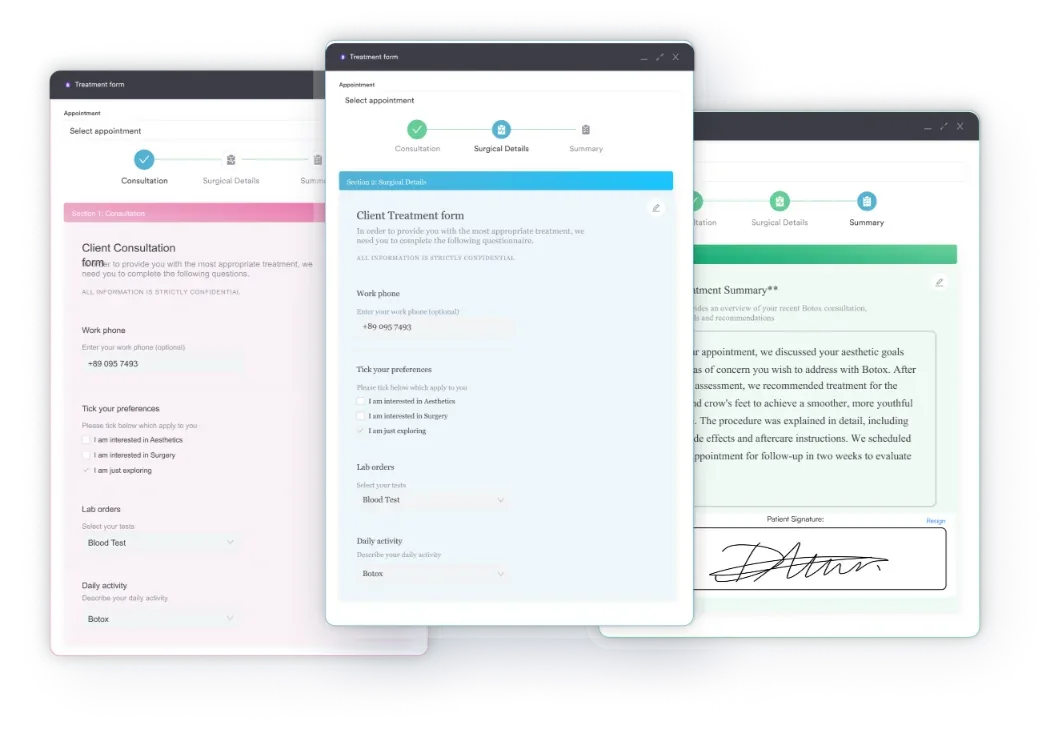
Three avoidable mistakes account for most rejected S55.899D claims. Structured digital intake forms help capture the required specificity while the patient is still in the room.
That external cause code carries its own 7th character, matched to the same phase of care. A forearm injury from an e-bike collision would pair S55.899D with a matching cause code such as V26.41XD. Cause codes outside road traffic follow the same rule, so a burn from a merchant-vessel fire takes V93.00XD at a healing-phase visit.
Documentation has to survive an audit or an appeal months later, especially when a payer queries the 7th character assignment.
S55.899D is a diagnosis code, not a procedure code. On a claim it pairs with one or more CPT codes describing the services delivered at the follow-up visit. The correct CPT depends on what the clinician did, not on the diagnosis alone.
Practices running sports medicine software or vascular surgery workflows meet this code most often with the CPT codes below.
Verify every pairing against current CMS policy guidance and the applicable Local Coverage Determinations before submitting. CPT-to-ICD-10 medical necessity crosswalks show whether a procedure code is supported by an S55.899D diagnosis under a given payer’s policy.
Catching a mismatch before submission removes one of the most common reasons for a first-pass denial. The same discipline applies to other sequela codes.
Query the payer’s LCD or NCD before submitting vascular injury CPT codes alongside S55.899D. Covered indications vary by payer. Medicare and commercial insurers set different medical necessity thresholds for duplex scanning and wound debridement.
A wrong 7th character usually surfaces only after the payer rejects the claim. The coder reopens the chart, checks the phase of care, corrects the character, and resubmits. That loop costs days of cash flow on a visit that was clinically straightforward.
Practice management software like Pabau moves the check earlier. Encounter forms capture the vessel, the side, and the phase of care while the patient is still in the room. The coder then works from a note that already carries the three elements S55.899D needs.
Pabau’s claims management tools then follow each submission through to payment. Rejections arrive with their reason attached instead of sitting in a queue, so your team can fix a character and resubmit the same day.

Pabau’s claims management tools help practices submit codes like S55.899D accurately, track rejection reasons, and resubmit faster. Your billing team spends less time on rework and more time on patient care.

The 7th character is a clinical judgment written as a single letter. Decide it from the phase of care described in the note, not from how many times the patient has been seen. Coders who read the note first rarely have to guess.
Laterality is the other half of the decision. If a side appears anywhere in the record, S55.899D is the wrong code. Save the unspecified arm option for records that genuinely never name one, and query the physician when a side should have been documented.
Book a demo to see how Pabau captures vessel, side, and phase of care at the point of the visit.

Billing destruction of a vascular skin lesion? Vascular lesion destruction billing guide covers CPT 17106 for lesions under 10 square centimeters and the codes that split by size.
Billing the repair rather than the follow-up? C1887 explains how catheter supply codes and modifiers are reported on vascular claims.
ICD-10 Code S55.899D is a billable ICD-10-CM diagnosis code. Its full description is “Other specified injury of other blood vessels at forearm level, unspecified arm, subsequent encounter.” Use it when a patient returns for routine follow-up after initial treatment of a forearm vascular injury. The injured vessel must be one that is not the radial artery, the ulnar artery, or a named vein.
Yes. S55.899D is a billable ICD-10-CM code valid for HIPAA-covered transactions in the 2026 edition, effective October 1, 2025. It is a fully specified seven-character code. You can submit it on professional or facility claims without an additional specificity qualifier.
All three share the same base description and differ only in the 7th character. S55.899A covers the initial encounter, when the patient first receives active treatment. S55.899D covers subsequent encounters during the active healing phase. S55.899S covers sequela, meaning late effects such as chronic vascular insufficiency that appear after healing.
Use character D once the patient has received initial active treatment and is now in the healing phase. Typical D visits include wound checks, staple or suture removal, physical therapy follow-ups, and vascular monitoring. Switch to character S when healing is complete and the visit concerns a late complication.
The most common pairings are 99213 and 99214 for established-patient office visits, 97597 for wound debridement, and 93971 for extremity duplex scanning. The CPT code follows the service performed, not the diagnosis. Verify each pairing against the payer’s LCD or NCD before submitting.
Three elements are required. The record must identify the injured vessel as other specified, meaning not the radial artery, ulnar artery, or a named vein. It must state laterality, or explain why laterality cannot be specified. It must also show that the visit falls in the subsequent-encounter phase, through language such as follow-up wound check. An external cause code from V00-Y99 is recommended alongside it.




