

ICD-10 Code S42.444P: Medial epicondyle fracture, right humerus
ICD-10 Code S42.444P: full descriptor and code validity ICD-10 Code S42.444P car...

Last Updated: Oct 13, 2026
Billable Code Specific Code
S12.14XS is the billable ICD-10-CM code for type III traumatic spondylolisthesis of second cervical vertebra, sequela.
That last part is where claims come apart. The sequela suffix looks interchangeable with the subsequent-encounter suffix, and coders reach for it too early. Payers notice. A sequela claim filed while the bone is still knitting gets denied. So does one with the diagnosis codes in the wrong order.
The rules here are short but exact. Get the healing status, the sequencing and the placeholder X right, and S12.14XS clears without a fight.
Let Pabau's smart automation suggest the right codes, reduce claim denials, and keep your practice compliant—effortlessly.
Automate repetitive tasks and focus on what matters most—your patients.
Reduce coding errors and ensure compliance with the latest regulations.
Clean claims, fewer denials, and faster reimbursements.
Powerful insights and reporting to help your practice thrive.
HIPAA compliant SOC 2 certified GDPR-compliant Trusted by 4,000+ clinics worldwide

ICD-10 code S12.14XS covers Type III traumatic spondylolisthesis of the second cervical vertebra, sequela.
The S suffix applies only after the C2 fracture has healed and a residual condition needs treatment.
S12.14 accepts six 7th characters, not three, so XB, XG and XK are valid codes too.
Sequela claims list the residual condition first and S12.14XS second, as the injury that caused it.
Practice management software like Pabau keeps injury type, healing status and follow-up notes on one patient record.
S12.14XS is a valid, billable ICD-10-CM code in the FY2026 edition, effective October 1, 2025. Its parent code, S12.14, is not billable. Submit the parent alone and the claim never reaches an adjudicator.
The code sits in the S10-S19 block for injuries to the neck, inside category S12 for cervical vertebra fractures. The CMS ICD-10-CM code set is the source of record for its status and effective date. Here is the reference data in one place.
Type III traumatic spondylolisthesis of C2 is the most unstable form of what surgeons call a hangman fracture. Both pedicles of the axis break, the C2 body slips forward on C3, and the C2-C3 facet joints dislocate. The disc and the ligaments between the two vertebrae give way with it.
The second cervical vertebra, or axis, is the pivot the head turns on. Breaking it takes real force. Motor vehicle collisions cause most of these injuries. Falls from height and axial loading through the skull account for much of the rest.
Surgeons grade the injury with the Levine-Edwards classification, and the grade in the note decides the code.
Documentation has to name the grade and the level. A note that says only C2 fracture or cervical injury will not support S12.14XS, however clear the imaging looks.
Sequela is the condition left behind once an injury has run its course. The 7th character S marks the visit as treatment for that residual condition rather than for the fracture. Section I.C.19 of the ICD-10-CM Official Guidelines sets the rule.
Chronic neck pain, cervical radiculopathy, post-traumatic instability and myelopathy are the usual residuals after a C2 injury. Each is a diagnosis in its own right, with its own code.
Sequela coding almost always takes two codes, in a fixed order. The residual condition goes first, because that is what the provider actually treated. S12.14XS goes second, naming the injury that caused it.
Reverse that order and the claim reads as active fracture care, which the note will not support. Sequencing is quiet enough to slip past a self-review, so it is worth a deliberate check.
S12.14 accepts six 7th characters. Plenty of reference pages show only A, D and S, which leaves three valid codes off the page entirely.
These suffixes run across the whole injury chapter, not just the cervical spine. Open fractures carry B.
Nonunion is the one worth watching. A fracture that never knits takes K. K and S are not interchangeable. Nonunion means the bone has not healed, so the sequela suffix stays off the claim.
Pull your S12.14 claims from the past 12 months and check two things. First, that every claim carries a 7th character. Second, that healing status was documented at the visit. Missing healing confirmation is what makes D and S drift apart across a single patient’s record.
All six variants describe the same injury. What changes is when the patient is seen and what the provider is treating. Healing status is the pivot, and the wrong suffix is a frequent denial trigger.
If the fracture is still healing, the D suffix applies. Once the provider documents healing and treats a residual condition, the encounter becomes a sequela. Never report D and S together for the same injury at the same visit.
S12.14 cannot go on a claim by itself. It needs a 7th character, and that character has to sit in the seventh position. The X is what holds the sixth position open so the suffix lands correctly.
The X is not standard across the S12.1 family, which trips people up. Sibling codes split at the sixth character into displaced and nondisplaced, so their sixth position is already spoken for.
Unspecified traumatic spondylolisthesis becomes S12.130 or S12.131. Other traumatic spondylolisthesis becomes S12.150 or S12.151. Dens fractures split the same way.
Type III carries no displaced or nondisplaced split. Nothing occupies its sixth character, so ICD-10-CM parks an X there. Drop the X and the code is structurally invalid. The CDC ICD-10-CM web tool confirms the structure in seconds.
Category S12 carries a Code first instruction that most reference pages skip. Any associated cervical spinal cord injury, S14.0 or S14.1-, is sequenced ahead of the fracture code.
That matters here, because Type III is the pattern most likely to involve the cord. When the record documents a cord injury alongside the C2 fracture, the cord code leads.
The same principle holds on a sequela visit. Whatever condition the provider is treating goes first, and S12.14XS follows as the cause. If the visit is for a cord-injury sequela such as S14.122S, that code takes the first position.
Five things have to be in the record before S12.14XS is defensible. Thin documentation is the main reason sequela claims come back denied or get pulled for audit.
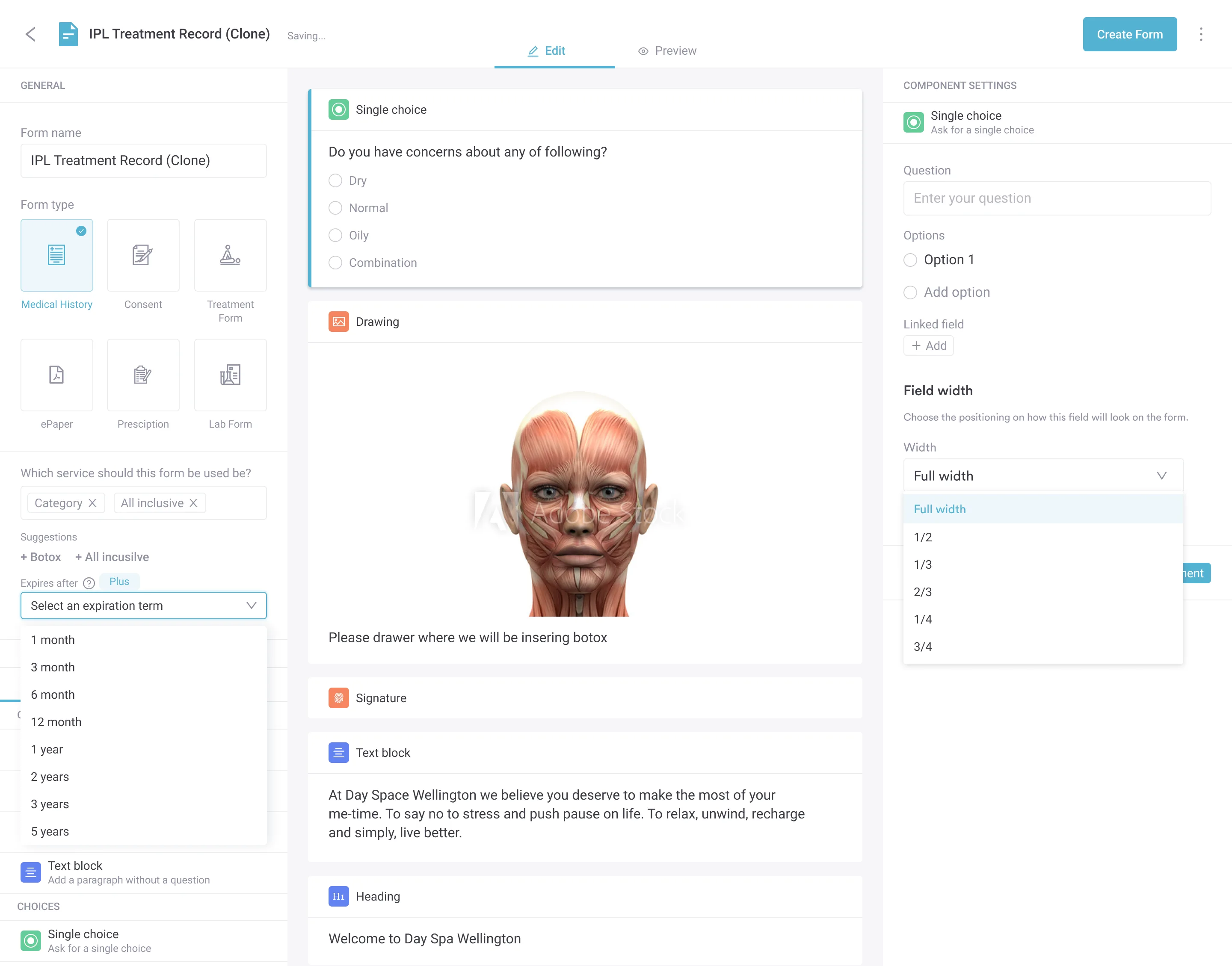
Getting all five into a note is a forms problem more than a memory problem. The coder then stops chasing the provider a week after the visit.
Record retention matters as much as the coding here, because the supporting note may be years old. The HIPAA compliance rules for medical offices cover how long those records stay available and who may access them.
A sequela claim travels the same road as any other, with two extra places to trip. The sequence looks like this.
The clearinghouse catches structure and the payer catches logic. A code that is well formed but sequenced backwards sails through step five and fails step six. That is why the rejection and the denial can arrive weeks apart.
Sequela visits rarely happen in a trauma center. They happen months later, in a spine or pain practice. Athletes often come back through a sports medicine practice instead.
Payer type is the other thing to settle early. A C2 fracture from a car crash often routes through auto liability or workers’ compensation, not the health plan. Those payers ask for the date of injury up front.
Most reference pages list the code and stop there. These four mistakes show up again and again on S12.14 claims, and every one of them is avoidable. A medical coding cheat sheet lays out ICD-10, CPT and HCPCS structure in one place for exactly these checks.
A free lookup settles any of these in seconds. The 2026 entry for S12.14XS shows the full structure. The AAPC code lookup carries the guideline notes for the S12 block.
Catching errors inside the record beats catching them in a post-submission audit. The coder sees healing status and grade on one screen.
Coders working S12.14XS usually need one of three things nearby. A code for the residual condition, a companion for the cord injury, or a sibling for a different fracture pattern.
One warning on that last row. M50.32 on its own is not billable, because the mid-cervical disc codes split again at the sixth character by disc level.
Run a report on your S12.13, S12.14 and S12.15 claims from the past two years. Flag any D suffix used more than six months after the injury with no ongoing healing documented. Those encounters are your sequela review candidates, and each one is worth a look at the note behind it.
Most of the friction on a sequela claim comes from hunting down what was written 14 months ago. The imaging report lives in one folder and the operative note in another. Healing status often sits inside an old dictation nobody has reopened.
Practice management software like Pabau puts that history on a single patient record. Treatment notes, forms, photos, invoices and appointment history sit together. A coder working today’s visit can see what the fracture looked like in month three.
You can also build the prompts into the forms themselves. A spine follow-up form can require injury grade, vertebral level and healing status before it saves.
On the billing side. They also check the insurer details a claim needs before it goes out. Code selection stays with your coder, but the record behind the code is complete when they open it.

Pabau brings patient records, clinical forms and billing into one system. The detail behind a diagnosis code is there when your coder needs it. See how it fits your practice.

S12.14XS is a narrow code doing a narrow job. It marks a C2 fracture that has finished healing and a patient still living with the result. Almost everything that makes the claim work sits upstream of the code, in the note.
So the practical move is to fix the documentation habit rather than the code list. Capture healing status and injury grade at every follow-up, and the suffix picks itself. Skip them, and no lookup tool will rescue the claim.
Practices that keep clinical notes, forms and billing in one place spend far less time reconstructing old injuries. Book a demo to see how Pabau keeps cervical spine documentation ready when the coder needs it.

Working elsewhere in the same code family? S12.120B covers the neighboring dens fracture and shows how a sixth character changes the structure.
Need another sequela worked through end to end? S52.119S applies the same S suffix to a forearm fracture, sequencing rules included.
Coding a subsequent encounter instead? S49.032D shows what the D suffix looks like on a fracture that is still healing.
Billing the rehab side of a healed C2 injury? CPT code 97161 covers the physical therapy evaluation these patients usually start with.
Billing a related chest wall procedure? Anesthesia for rib resection covers billing for partial rib resection with thoracoplasty, including base units and modifier rules.
Not always. External cause codes are optional in ICD-10-CM unless a state mandate or a payer rule requires them. When you do report one on a sequela visit, give the external cause code the 7th character S as well.
Cervicalgia is M54.2. List M54.2 first as the condition being treated, then S12.14XS as the injury behind it. If the pain comes with nerve root symptoms, cervical radiculopathy at M54.12 is usually the better fit.
There is no minimum or maximum interval. Sequela depends on the fracture being healed, not on the calendar. A residual treated three months after healing takes S, and so does one treated ten years later.
The grade in the note. S12.14XS reports a Type III traumatic spondylolisthesis of C2. S12.150S covers other displaced traumatic spondylolisthesis at the same vertebra, meaning a pattern the provider did not grade as Type III.
Only when the note documents the Type III pattern. Hangman fracture is an eponym that spans every Levine-Edwards grade, and ICD-10-CM never uses it. Types I and II fall to the other or unspecified spondylolisthesis codes instead.




