ICD-10 Code S42.444P: Medial epicondyle fracture, right humerus
ICD-10 Code S42.444P: full descriptor and code validity ICD-10 Code S42.444P car...

Last Updated: Oct 13, 2026
Billable Code Specific Code
I44.0 is the billable ICD-10-CM code for atrioventricular block, first degree.
Let Pabau's smart automation suggest the right codes, reduce claim denials, and keep your practice compliant—effortlessly.
Automate repetitive tasks and focus on what matters most—your patients.
Reduce coding errors and ensure compliance with the latest regulations.
Clean claims, fewer denials, and faster reimbursements.
Powerful insights and reporting to help your practice thrive.
HIPAA compliant SOC 2 certified GDPR-compliant Trusted by 4,000+ clinics worldwide

ICD-10 Code I44.0 is the billable ICD-10-CM diagnosis code for atrioventricular block, first degree, valid for HIPAA-covered transactions as of October 1, 2025.
First-degree AV block is defined by a PR interval consistently exceeding 200 milliseconds on ECG, without dropped beats.
Documentation must include a confirmed ECG report with PR interval measurement and a physician interpretation note stating clinical significance.
Pabau’s claims management software and structured clinical records help cardiology and internal medicine practices document and submit I44.0 accurately.
ICD-10 Code I44.0 is the official ICD-10-CM diagnosis code for atrioventricular block, first degree. According to the Centers for Medicare and Medicaid Services (CMS), it is a billable and specific code valid for use in HIPAA-covered transactions. The 2026 edition of ICD-10-CM I44.0 became effective on October 1, 2025.
The code sits within ICD-10-CM Chapter 9 (Diseases of the Circulatory System), block I30-I5A (Other forms of heart disease), under the I44 parent category for atrioventricular and left bundle-branch block. This placement is important for sequencing: when I44.0 appears on a claim, payers expect documentation consistent with a conduction disorder, not a rhythm disorder such as atrial fibrillation.
Use this quick-reference table before submitting I44.0 on any claim. Every field maps to a payer or CMS data point.
First-degree AV block is a cardiac conduction disorder characterized by a consistently prolonged PR interval exceeding 200 milliseconds on a standard ECG or EKG. According to WHO ICD-10 classification and ACC/AHA arrhythmia guidelines, the hallmark of this condition is delayed conduction through the atrioventricular node. Every impulse still reaches the ventricles — no beats are dropped.
That distinction matters for coding. Because no beats are dropped, first-degree AV block is categorically different from second-degree and third-degree block, which involve intermittent or complete failure of impulse conduction.
The condition is often benign and may appear as an incidental ECG finding in otherwise healthy patients, though it can carry clinical significance in certain populations. This includes those on AV-nodal-slowing medications or those with underlying structural heart disease. Coders should never characterize I44.0 as universally benign in documentation.
Managing hypertension and heart disease long-term is exactly what GP clinic software with recalls and reviews is for.
Apply ICD-10 Code I44.0 when a physician has confirmed first-degree AV block based on ECG findings and documented the diagnosis in the medical record. The code is appropriate in cardiology, internal medicine. It can serve as either a primary diagnosis or a secondary diagnosis alongside the underlying condition driving the conduction delay.
Coders using integrated EHR workflows should look for physician language explicitly naming the degree of block. “AV block” without degree specification is not sufficient to assign I44.0 — an unspecified AV block would point toward I44.30 (left bundle-branch block, unspecified) or other unspecified codes depending on context. The degree must be stated.
Claim denials for I44.0 almost always trace back to incomplete documentation. Payers want to see a coherent clinical record that supports both the code and the visit’s medical necessity. The CDC/NCHS ICD-10-CM guidelines reinforce that physician documentation, not just the ECG tracing itself, drives code assignment.
Practices using digital clinical forms can build structured ECG interpretation templates that prompt physicians to record each of these elements before signing off on the encounter note. That structured capture prevents the most common denial trigger: an ECG on file with no accompanying physician narrative.

Build a structured ECG documentation checklist directly into your cardiology encounter template. Prompt for PR interval value, physician-signed interpretation, degree specification, and clinical significance. Practices that capture all four fields at the point of care cut I44.0 denial rates substantially versus those relying on free-text notes.
The I44 category covers atrioventricular and left bundle-branch block. Understanding where I44.0 sits within this family is essential for choosing the right code — especially because the degrees of AV block carry substantially different clinical weight and, in some cases, different payer requirements.
The key differentiator at the point of coding is the ECG interpretation. If the physician documents PR prolongation without dropped beats, I44.0 is correct. If any P wave fails to conduct, the block has progressed beyond first degree. Practices that also bill CPT 00410 for arrhythmia procedures benefit from structured code-selection logic built into their EHR templates.
Several medications commonly used in cardiology and internal medicine can slow AV nodal conduction and produce a first-degree AV block pattern. According to pharmacology references from Purdue CDEK and ACC cardiology guidelines, the primary drug classes associated with drug-induced AV block include beta-blockers, calcium channel blockers, digoxin, and amiodarone.
When a physician documents that first-degree AV block is drug-induced, the encounter documentation should reflect both the conduction finding and the causative agent. Clinicians managing patients who also carry an I10 diagnosis should confirm with their compliance team whether an additional external cause code is warranted under their payer contracts. Coding practice in this area varies by payer and by whether the drug was correctly prescribed versus taken in excess. The filing deadline runs from the date of service, not the date the practice noticed the claim was unpaid. A code lookup that lives beside the desk gets used; one buried in a shared drive does not.
Coding errors involving the I44 category consistently appear in pre-bill audits. The following mistakes are the most frequently flagged by compliance reviewers and AAPC coding forum discussions.
Practices using structured medical forms embedded in their EHR workflows catch most of these issues before a note is finalized. A checklist at the point of documentation is cheaper than a denial appeal.

Pabau’s claims management tools and digital form builder help cardiology and internal medicine practices document I44.0 accurately, capture ECG findings at the point of care, and submit cleaner claims.

The table below covers the codes most frequently used alongside ICD-10 Code I44.0 in cardiology and internal medicine encounters. Coders handling both CPT 93015 stress test billing and cardiac conduction disorders will encounter these regularly. Verified against the AAPC ICD-10-CM code reference.
Incomplete documentation is the root cause of most ICD-10 Code I44.0 denials, and the fix is almost always structural rather than behavioral. When cardiologists are prompted by a well-built encounter template, they capture PR interval values, physician interpretation language, and degree specification as a natural part of note completion, not as an afterthought.
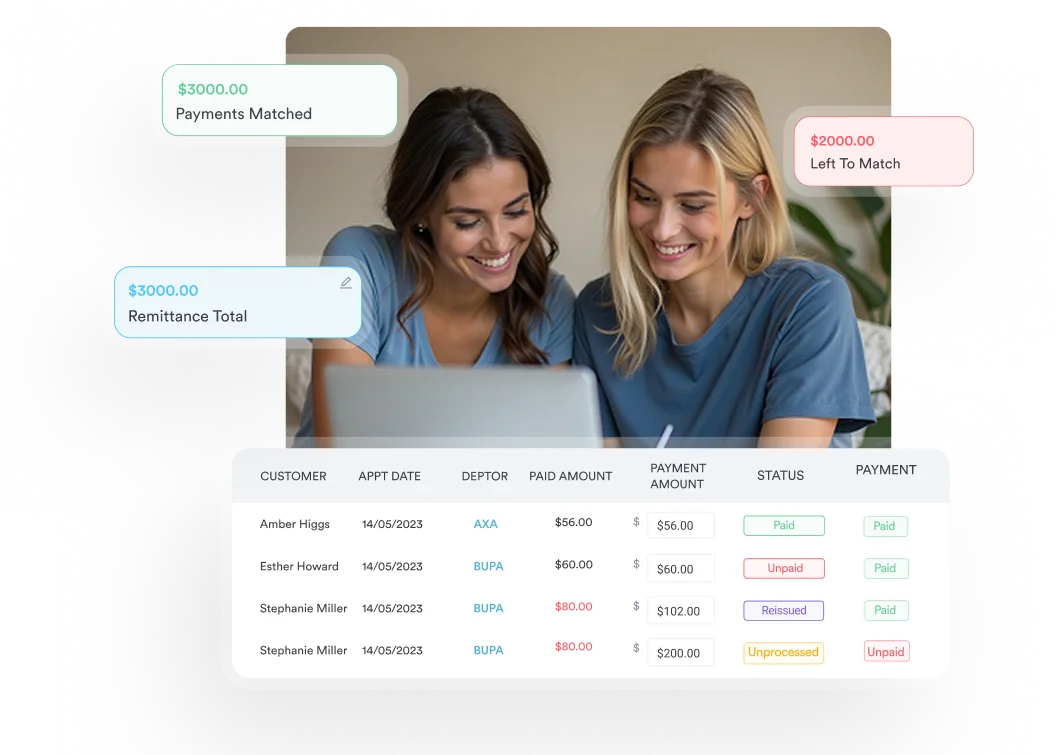
Pabau’s claims management software integrates coding documentation with the billing workflow so that cardiology and internal medicine practices can validate required fields before claims leave the system.
The structured client record supports custom clinical templates that can include ECG-specific prompts. This allows practices to build the I44.0 documentation checklist directly into their standard encounter note. Standardized templates like these reduce coder rework on cardiac conduction encounters significantly.
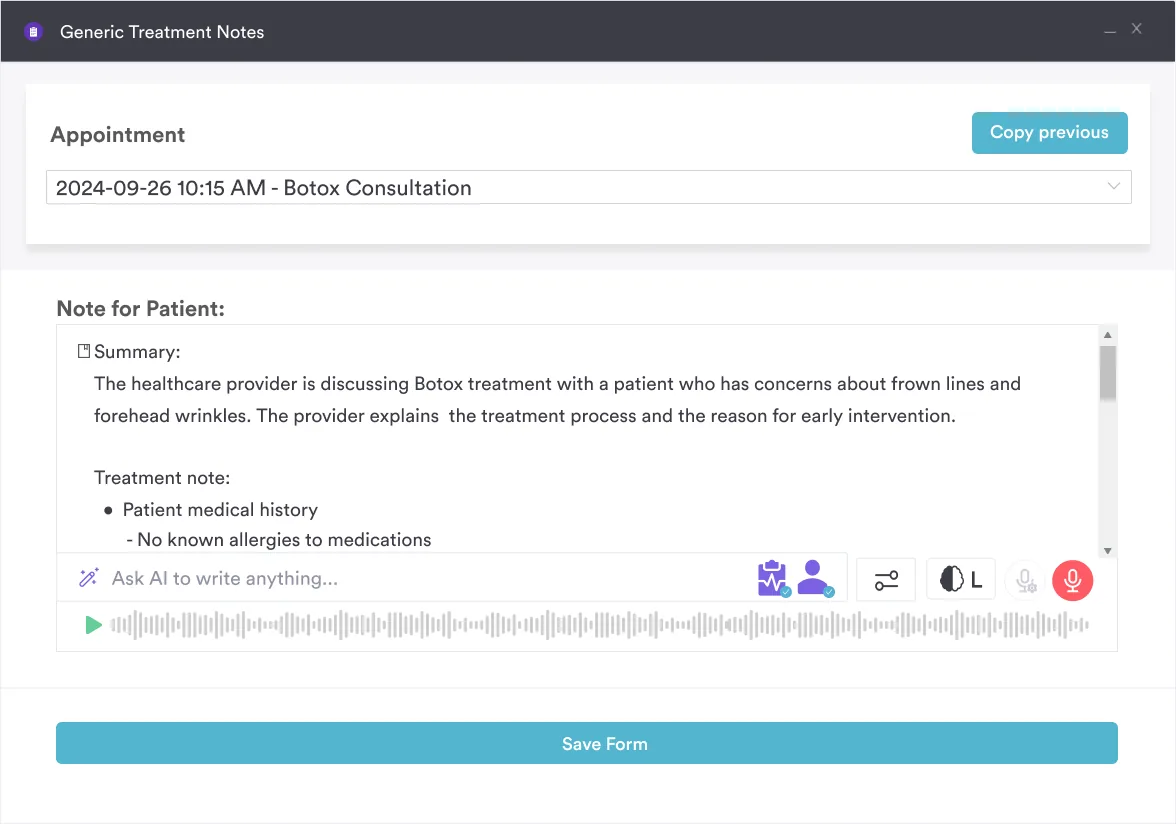
Pabau’s AI medical scribe also captures clinician speech during an encounter and structures it into a clinical note, helping to ensure that degree-specific language and PR interval measurements are included without adding documentation time to the visit.
ICD-10 Code I44.0 is a straightforward billable code when the documentation is complete. The most preventable denials come from missing physician interpretation, absent PR interval values, or degree-unspecified notes that force coders toward less specific alternatives. Building structured ECG documentation prompts into your encounter templates eliminates most of these issues at the source.
Pabau’s claims management and structured record tools give cardiology and internal medicine practices the infrastructure to capture every required element at the point of care. To see how it works in practice, book a demo.

Need a reference for other cardiac diagnostic codes? ICD-10 Code I5A covers non-ischemic myocardial injury, another circulatory-system diagnosis coders frequently document alongside conduction disorders.
Need the code for hypertension-related conduction findings? ICD-10 Code I15.1 covers hypertension secondary to renal disorders, a common comorbidity in patients on AV-nodal-slowing medications.
Coding a confirmed asbestosis diagnosis? ICD-10 code J61 guide covers asbestosis coding for confirmed cases without pleural plaque or tuberculosis.
ICD-10 Code I44.0 is the ICD-10-CM diagnosis code for atrioventricular block, first degree, a cardiac conduction disorder in which the PR interval on ECG consistently exceeds 200 milliseconds but all atrial impulses still reach the ventricles. It is a billable, HIPAA-valid code under Chapter 9 of ICD-10-CM and became effective October 1, 2025 for the FY2026 edition.
Yes. I44.0 is a billable and specific ICD-10-CM code valid for HIPAA-covered transactions. It may be used as a primary or secondary diagnosis code on insurance claims submitted to Medicare, Medicaid, and commercial payers, provided the supporting documentation meets payer requirements.
Use I44.0 when ECG shows a consistently prolonged PR interval greater than 200ms with no dropped beats. Use I44.1 when the ECG shows intermittent failure of conduction, meaning some P waves do not result in a QRS complex. The presence or absence of dropped beats is the deciding factor, and it must be stated in the physician’s ECG interpretation note.
Required documentation includes a confirmed ECG report with the PR interval measurement on file, a physician-signed interpretation naming first-degree AV block specifically, and a clinical note documenting the degree of block and its significance to the encounter. A technician-only ECG reading or an automated system result is not sufficient for code assignment.
Yes, if the physician has confirmed first-degree AV block on ECG, I44.0 applies regardless of whether the cause is drug-induced or intrinsic. When a medication such as a beta-blocker, digoxin, amiodarone, or calcium channel blocker is documented as the causative agent, confirm with your compliance team whether an additional external cause code is required under your payer contracts.
I44.0 most commonly pairs with CPT 93000 (electrocardiogram, routine ECG with at least 12 leads, with interpretation and report) or CPT 93010 (interpretation and report only) when the ECG is performed at the same encounter. Cardiac monitoring codes such as CPT 93224 to 93227 (Holter monitoring) may also appear when long-term monitoring is ordered to assess the conduction finding.