CRM for chiropractors: how to manage patients, bookings and marketing
A CRM for chiropractors is a patient relationship management system built around...

Last Updated: Oct 13, 2026
A health physical exam is a scheduled preventive visit that checks a patient’s overall health before symptoms appear. The provider reviews medical history, measures vital signs, examines the body system by system, and orders age-appropriate screenings. There is no presenting complaint, which is what separates it from a sick visit.
For a practice, the encounter also carries a billing trap. Medicare’s Annual Wellness Visit uses G0438 and G0439, and requires no hands-on exam. A routine preventive physical uses the CPT preventive medicine codes 99381 to 99397. Coding one as the other is the fastest route to a denial.

A health physical exam combines history review, vital signs, a head-to-toe assessment, and age-appropriate screenings in one preventive visit.
The Medicare Annual Wellness Visit uses G0438 and G0439, while a routine preventive physical uses CPT codes 99381 to 99397.
Sports, DOT, pre-employment, and USCIS immigration physicals each follow separate regulatory requirements that a standard preventive exam does not cover.
Structured SOAP documentation, supported by an AI scribe, cuts charting time and keeps coding defensible after each physical.
A health physical exam is a scheduled preventive encounter rather than a sick visit. The clinician evaluates overall health status through history, observation, auscultation, and palpation, without waiting for a presenting complaint.
Physicians, nurse practitioners, and physician assistants all conduct them. Adults are typically seen once a year, though frequency varies by age, risk profile, and insurance plan.
The exam differs from a specialist visit in scope. It covers multiple organ systems in a single encounter and builds a longitudinal record instead of addressing one complaint.
That scope is also why a preventive physical is coded by the patient’s age and status, not by procedure. Accurate documentation is what secures the reimbursement.
Early detection is the clearest clinical argument. Hypertension affects roughly 48% of US adults according to the CDC, and many go undiagnosed until a complication surfaces. A routine physical catches elevated blood pressure, borderline glucose, or a thyroid abnormality before the patient notices a symptom.
For the practice, that early catch turns a short preventive visit into an ongoing chronic disease management relationship. Annual physicals are also a schedulable revenue stream.
Unlike urgent care or specialty referrals, preventive visits are predictable in both volume and timing. A recall system that books next year’s appointment before the patient leaves keeps those slots filled.
A routine physical exam follows a consistent sequence that clinicians adapt to the patient’s age, sex, and risk factors. Knowing the sequence helps practice managers book the right appointment length, staff the intake correctly, and confirm the note covers every reimbursable element.
The encounter opens with a structured review of the patient’s medical history. That covers current medications and allergies, family history of heritable conditions, social history, and the reason for the visit.
Many practices collect it through a digital intake form sent before the appointment, so the clinician enters the room with the history already reviewed. A new medication or a family history of colorectal cancer flagged on that form then drives which screenings get ordered later in the visit.
Clinical staff measure vital signs before the provider enters. Standard measurements include blood pressure, heart rate, respiratory rate, temperature, oxygen saturation (SpO2), height, weight, and body mass index (BMI).
BMI comes from height and weight, scored against the CDC’s adult weight-status categories. Abnormal readings get flagged straight away. A blood pressure above 130/80 mmHg warrants discussion, and an SpO2 below 94% at rest needs further assessment.
The provider systematically examines organ systems in sequence. The table below shows the standard systems reviewed and the primary findings each step targets.
Recording those systems takes standard wording when the findings are unremarkable. Our reference on normal exam findings sets out the accepted phrasing for each body system.
Clinicians order screenings by patient age, sex, and risk factors rather than running a fixed panel for every adult. The US Preventive Services Task Force (USPSTF) publishes evidence-graded recommendations for each screening type. A standard adult physical usually carries these lab orders:
Screenings ordered separately may include a colonoscopy referral, mammography, cervical cytology, or low-dose CT for high-risk smokers.
Several exam types sit under the same label, each serving a distinct regulatory, occupational, or clinical purpose. Each one carries its own documentation and eligibility requirements.
The Medicare Annual Wellness Visit (AWV) and a routine annual physical are separate encounters. They carry different codes, cover different services, and follow different reimbursement rules. Treating them as one visit produces a denial or an undercoded claim.
According to CMS, the AWV is a Medicare Part B benefit that does not include a physical examination of body systems. A routine preventive physical does include a hands-on examination, and traditional Medicare does not cover it as a preventive benefit.
A third code family sits behind that last row. When a patient raises a new problem during a preventive visit, that work is coded separately with a problem-oriented E/M code. The panel below places each of the three in its own branch.
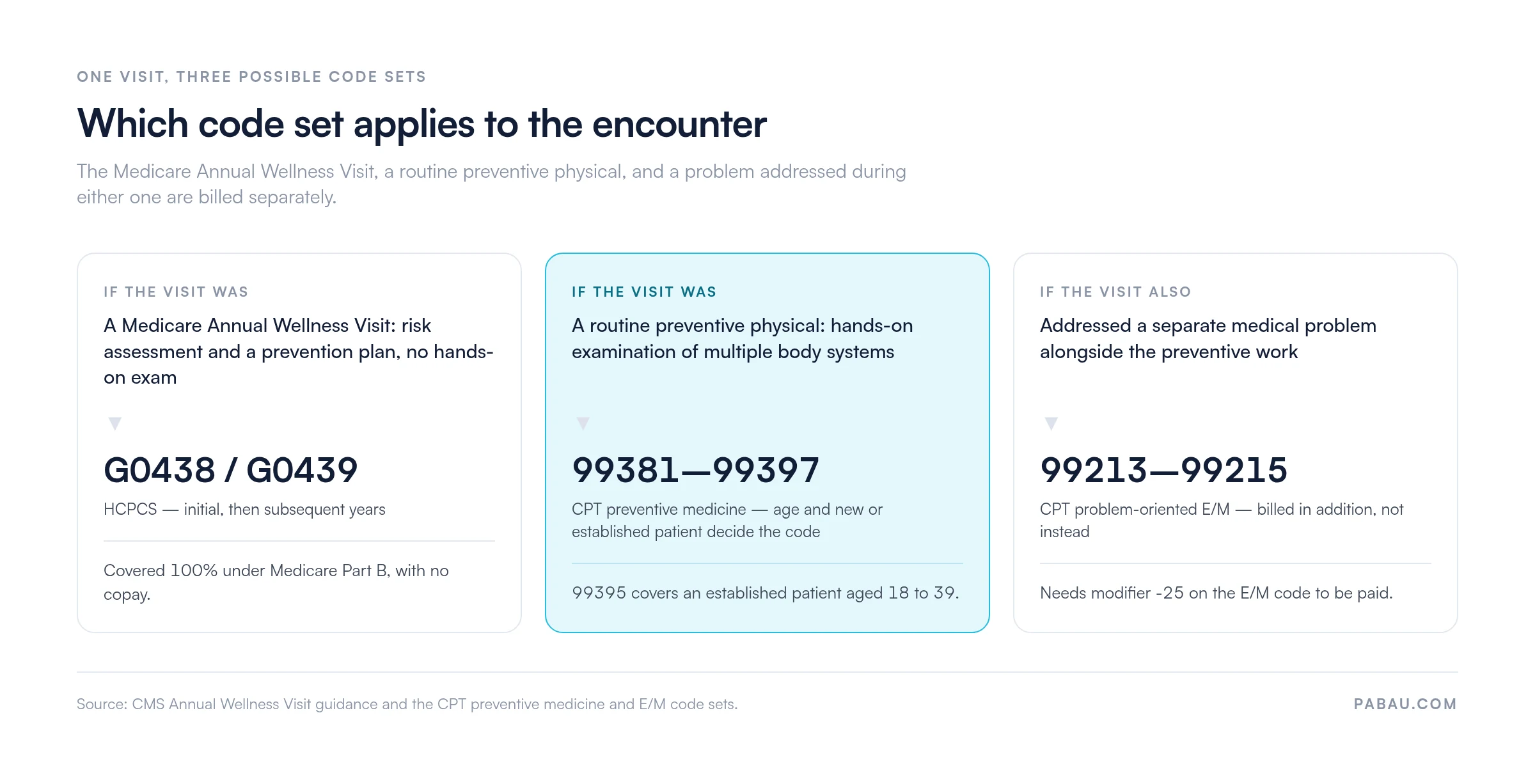
Within the preventive range, age and patient status pick the exact code. An established patient aged 18 to 39 is coded 99395, and the same patient seen for the first time is 99385.
Review your Medicare patient encounters quarterly. If AWV codes and E/M codes are appearing on the same claims without modifier -25, you’re likely facing avoidable denials. Run a coding audit on a sample of 20 physical exam encounters to spot the pattern before it compounds.
Knowing what a physical includes is a different problem from running one on a full schedule. The checklist below breaks the encounter into phases, from pre-visit intake through post-visit documentation. If you want it as a printable form, our annual physical exam checklist covers the same sequence.
Each phase should map to a field the practice captures, so the note builds as the visit progresses.
Accurate documentation decides whether a physical exam is billed correctly, survives an audit, and holds up legally. For problem-oriented office visits (99202 to 99215), E/M level selection follows the 2021 AMA guidelines.
Those rules base complexity on medical decision making (MDM) or total provider time, not on the number of elements documented. Note quality now matters more than note length.
A complete physical exam note follows the SOAP structure. Subjective holds the history and symptoms, Objective the vitals, findings, and lab results. Assessment holds the diagnoses and problem list, and Plan holds treatment, referrals, and the follow-up interval. Our guide to safer clinical notes walks through the format in more detail.
Four documentation habits account for most denials and audit findings:
Auditing a sample of notes against a HIPAA compliance checklist is a practical way to find where documentation is thin, before an external auditor does.
Practices running annual physical programs face the same operational squeeze. The visits are high volume and documentation heavy, and they still have to run on schedule without costing note quality or coding accuracy. Practice management software like Pabau takes each bottleneck in that cycle in turn.
Digital intake forms go out before the appointment, so history collection starts before the clinician enters the room. Pabau Scribe, our AI medical scribe, then transcribes the encounter and drafts a structured SOAP note. The provider reviews and signs it instead of dictating from scratch, which adds up across a full day of physicals.
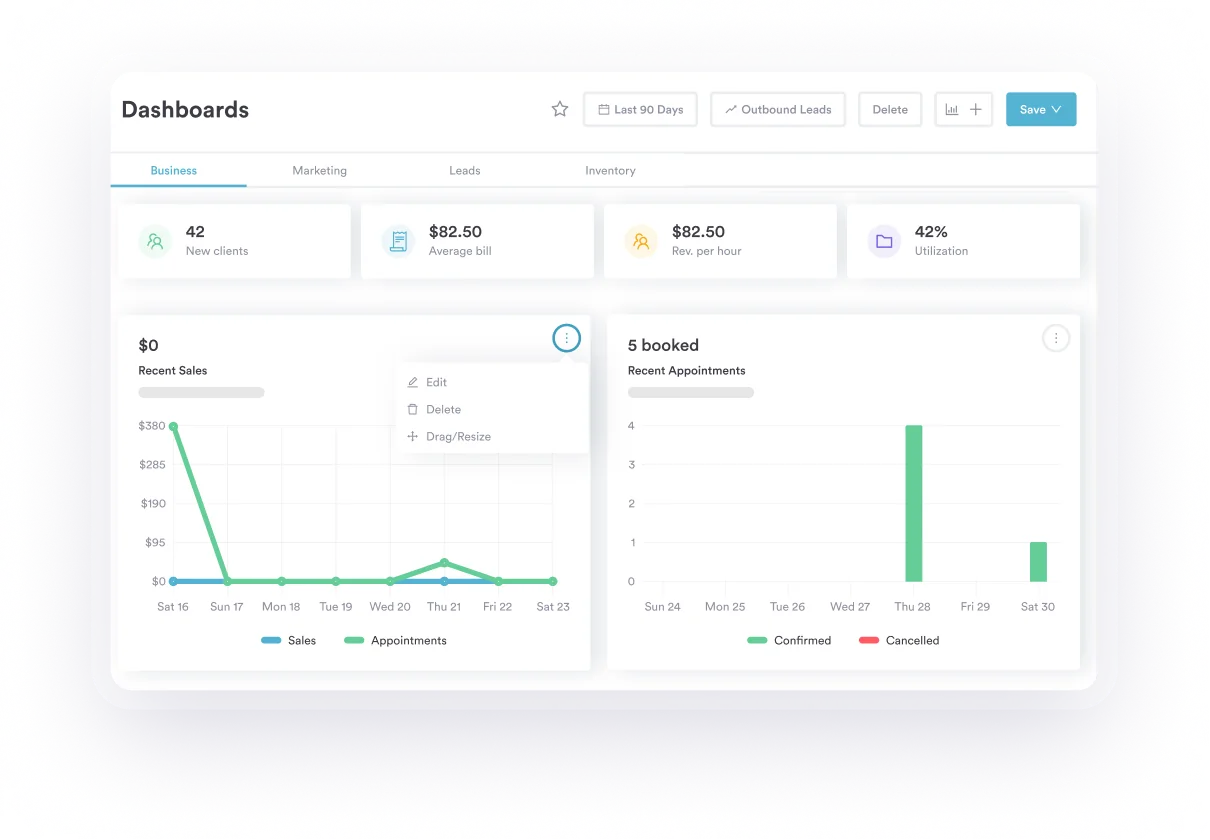
Automated recalls fire at 11 months, prompting the patient to rebook before the year lapses. The intake data, vital signs, and signed note all sit in one patient record.
GP clinic software that keeps scheduling, records, and charting in one place is what makes that continuity possible. Five years on, the next clinician can see how a patient’s health has moved, without chasing a paper chart.
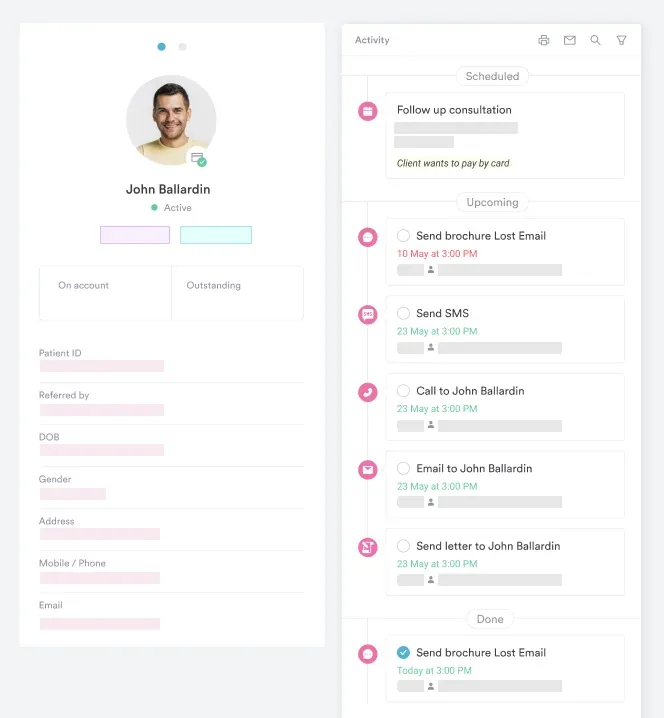

From digital intake forms to AI-assisted clinical notes and automated patient recalls, Pabau helps primary care and preventive health practices run physical exam programs efficiently. See it in action.

Annual physicals reward practices that treat them as a system rather than a series of appointments. The clinical value is settled. What separates a profitable preventive program from a break-even one is operational. The recall list has to be accurate, the note structured, and the code has to match the encounter that took place.
Get the AWV distinction wrong and you lose money on visits you already delivered. Get it right, and the same schedule funds the chronic care relationships that follow. Book a demo to see how Pabau handles intake, charting, and annual recalls for a primary care practice.

Need a documentation format that holds up in an audit? Safer clinical notes walks through SOAP structure and the habits that keep a note defensible.
Documenting a full review of systems at every physical? 14-point review of systems template gives you a ready-made form that covers each system in order.
Comparing the systems a primary care practice runs on? Primary care software compares the platforms practices use for scheduling, charting, and billing.
A health physical exam is a scheduled preventive encounter with a primary care provider. The provider reviews medical history, measures vital signs, and carries out a head-to-toe assessment. Age-appropriate screenings and labs are ordered from what that assessment finds. Unlike a sick visit, it needs no presenting complaint, because the point is to establish baseline health and catch disease early.
A standard physical exam runs through five phases. First comes the medical and social history review, then vital signs: blood pressure, heart rate, temperature, BMI, and SpO2. The provider then examines the organ systems in sequence, covering HEENT, cardiovascular, respiratory, abdomen, musculoskeletal, neurological, and skin. Age-appropriate screening recommendations follow. Lab orders close the visit, typically a lipid panel, HbA1c, CBC, and urinalysis.
The Medicare Annual Wellness Visit does not include a physical examination of body systems. It focuses on health risk assessment, prevention planning, and cognitive screening. A routine physical exam includes a hands-on multi-system examination. It is billed under CPT preventive medicine codes (99381 to 99397), not AWV codes (G0438 and G0439). Both can be billed on the same day using modifier -25 when a separate medical problem is addressed.
The USPSTF recommends screening every adult for hypertension, unhealthy alcohol use, and depression. Blood pressure is checked at each visit, and type 2 diabetes screening applies to overweight adults aged 35 to 70. Other screenings depend on age and risk. Those include lipid panels, colorectal cancer screening from age 45, and low-dose CT for high-risk smokers aged 50 to 80. Mammography, cervical cytology, and osteoporosis screening for women over 65 sit in the same group.
Tell patients to fast for 8 to 12 hours if a fasting glucose or lipid panel is planned. Ask them to bring a current medication list, including supplements, and to note any new symptoms they want to discuss. Insurance information and specialist records from the past year help too. A pre-visit digital intake form removes most of that friction for the patient and the clinical team.