Key Takeaways
Mindbody was built for fitness studios – med spas need clinical tools like EMR, consent forms, and before/after photo management that it cannot reliably provide.
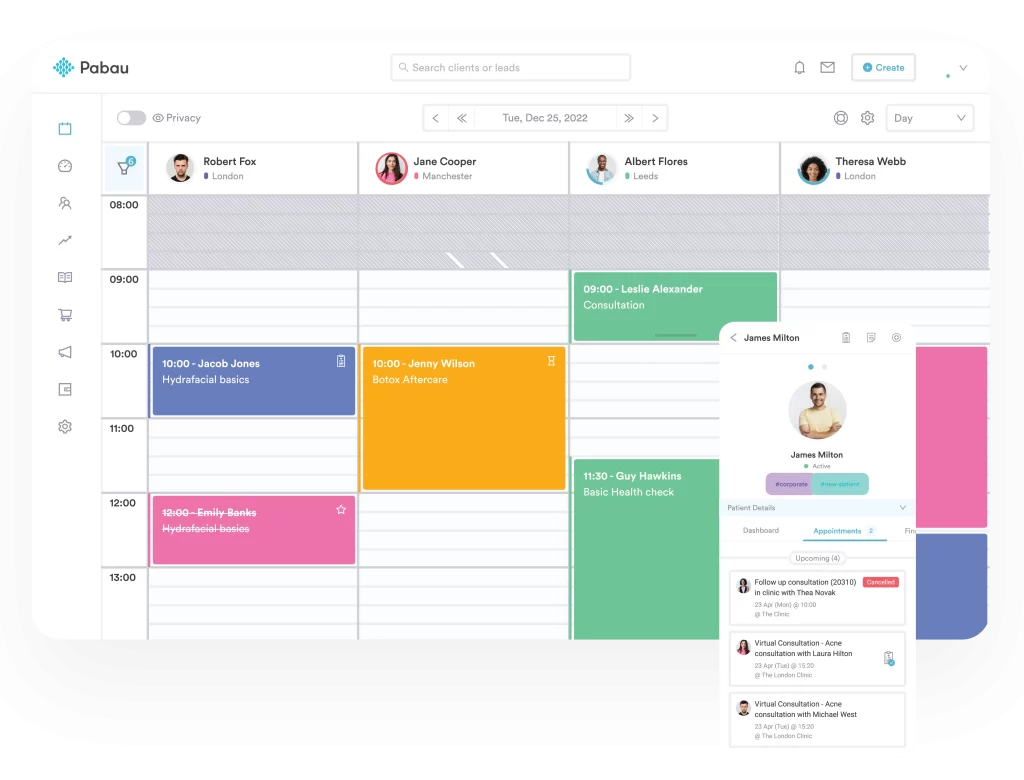
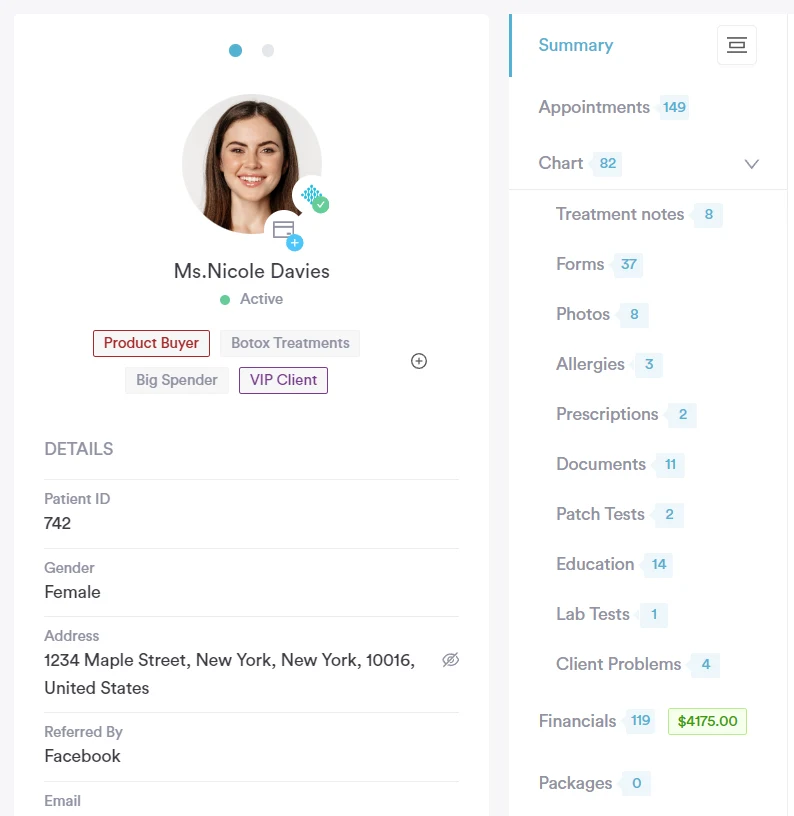
Pabau is purpose-built for medical aesthetics with integrated clinical records, digital consent, injection plotting, and HIPAA-aligned data handling in one platform.
Boulevard and Vagaro serve appointment-heavy businesses well but lack the clinical-grade documentation med spas require for safe, compliant practice.
Zenoti suits enterprise multi-location groups; Aesthetic Record and Jane App offer stronger clinical depth for smaller to mid-size practices.
Pricing, compliance posture, and clinical workflow depth vary significantly – verify all costs and feature availability directly with vendors before switching.
Best Mindbody Alternatives for Med Spas: Overview
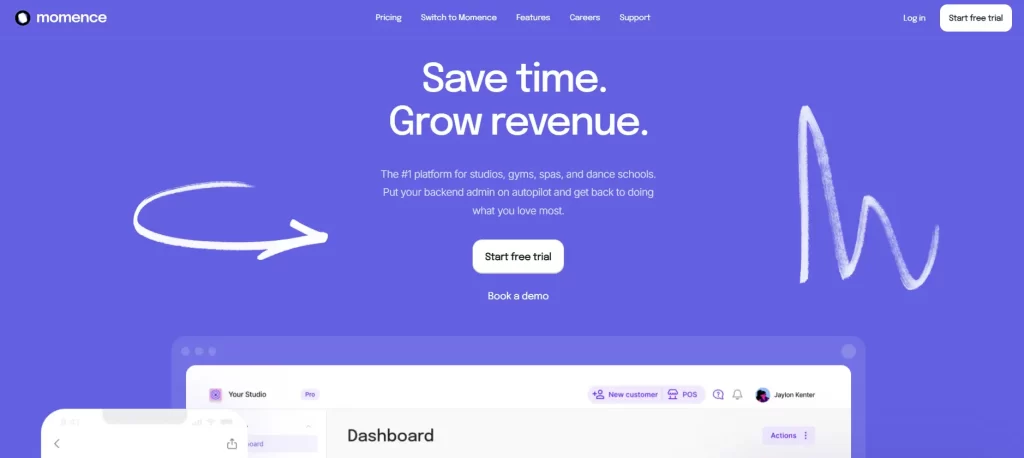
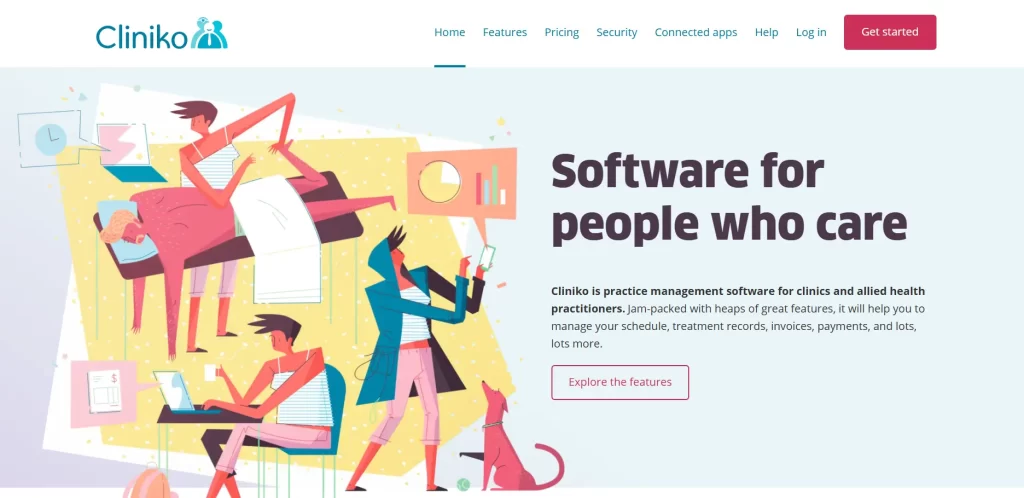
Mindbody built its reputation in yoga studios and fitness centres. For a boutique wellness studio managing class schedules and memberships, it works. For a medical spa managing injectable treatments, Good Faith Exams, consent documentation, and HIPAA-compliant clinical records, the platform shows its limitations quickly. The search for the best Mindbody alternatives for med spas is, at its core, a search for software that understands the difference between a fitness business and a regulated medical practice.
Med spa owners switching platforms consistently cite three pain points with Mindbody: escalating costs as practice volume grows, poor customer support responsiveness, and the absence of native EMR or clinical charting tools. According to Trustpilot reviewers, Mindbody holds a 2.5 out of 5 rating across over 1,100 reviews – with billing complaints and support delays among the most frequent themes. That context matters when evaluating whether a switch is warranted.
This guide evaluates six alternatives – Pabau, Boulevard, Zenoti, Vagaro, Aesthetic Record, and Jane App – across clinical workflows, scheduling, compliance, pricing, and user satisfaction. Each platform is assessed on whether it genuinely serves the operational demands of a medical spa, not just the scheduling needs of a wellness studio.
Best Mindbody Alternatives for Med Spas: Why Clinics Are Switching
The gap between Mindbody’s fitness-studio origins and what a modern med spa requires has widened as the industry has matured. Injectables, laser treatments, medical-grade skincare, and combination aesthetic-wellness services have pushed med spas firmly into regulated medical territory – and the software they use needs to reflect that.
Three operational categories drive most platform switches. First, clinical documentation: med spas need treatment notes, before/after photo management, injection mapping, and patient medical histories stored in a format that supports clinical governance, not just appointment tracking. Second, compliance infrastructure: HIPAA-aligned data storage, audit trails, and consent workflows are non-negotiable for practices administering prescription medications or supervised treatments. Third, cost predictability: Mindbody’s tiered pricing and add-on structure is widely cited in user reviews as difficult to budget for as a practice scales.
The platforms covered in this article approach these problems differently. Understanding how each one handles the consultation-to-treatment pipeline – from first booking through clinical documentation to follow-up care – is what separates a workable switch from a lateral move.
Best Mindbody Alternatives for Med Spas: Key Features to Evaluate
Before comparing platforms, it helps to define what a med spa actually needs from its management software. The feature set that matters most differs significantly from what a fitness studio or hair salon would prioritise.
Clinical documentation: Treatment notes, medical histories, and SOAP-format records tied to individual appointments. Not generic notes – structured clinical records suitable for audit and continuity of care.
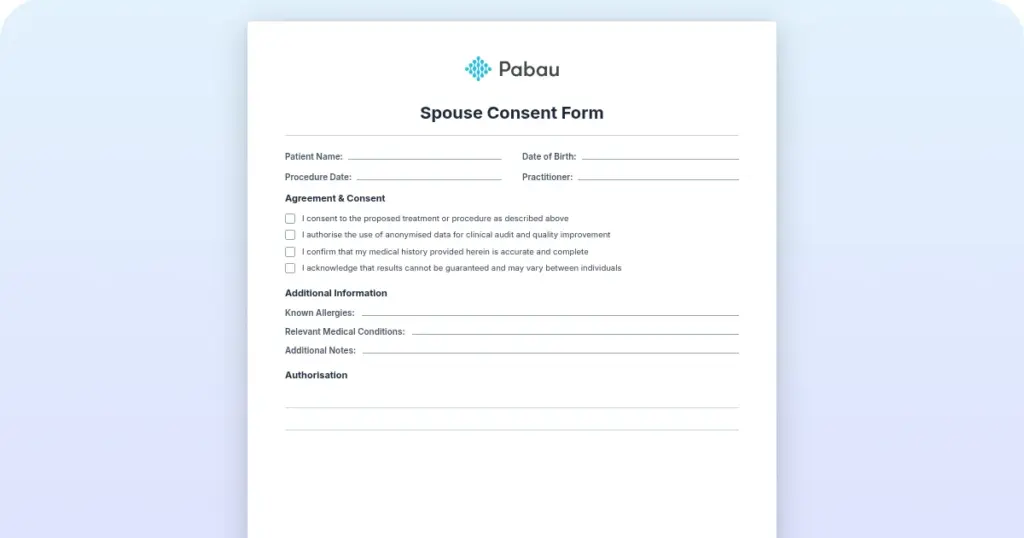
Consent form management: Digital consent forms that can be sent before appointments, signed electronically, and stored against patient records. Consent workflows that support procedures like Botox, dermal fillers, laser treatments, and body contouring.
Before/after photo management: Standardised photo capture, secure storage linked to patient records, and tools for side-by-side comparison to support treatment planning and outcome documentation.
HIPAA-aligned data handling: Secure storage of protected health information, audit trails, access controls, and data handling practices aligned with HIPAA requirements set by the U.S. Department of Health and Human Services. Verify each platform’s compliance posture directly – certification claims vary in substance.
Scheduling for clinical workflows: Appointment management that accounts for consultation lead times, treatment intervals, multi-practitioner booking, and online booking with deposit collection. Class-booking logic is not a substitute.
Inventory and retail management: Stock tracking for injectables, consumables, and retail products. Integration with purchasing workflows to prevent overstock and shortages.
With those categories in mind, here is how each of the best Mindbody alternatives for med spas performs across the areas that matter most to clinical operators.
Best Mindbody Alternatives for Med Spas: Boulevard Pros and Cons
What Boulevard Does Well
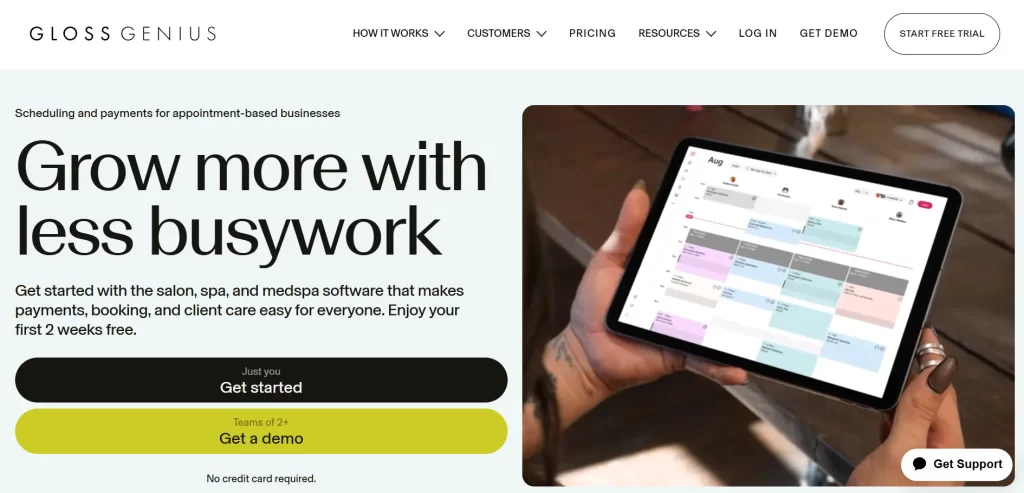
Boulevard positions itself as a premium experience platform for high-end salons, spas, and med spas. Its scheduling engine is genuinely strong – smart booking logic, waitlist management, and a client-facing booking flow that feels polished. Payment processing is tightly integrated, and the interface is consistently praised for being clean and intuitive.
For med spas where the client experience and front-desk efficiency are the primary operational priorities, Boulevard delivers. Its appointment management tools reduce no-shows and support upselling at the booking stage. According to Capterra reviewers, Boulevard holds a 4.6 out of 5 rating across 190 reviews, with the interface and scheduling experience among the highest-rated aspects.
Where Boulevard Falls Short for Med Spas
The clinical depth that distinguishes a med spa from a day spa is where Boulevard shows its limits. Clinical documentation, structured treatment notes, and before/after photo management are not core features. For a practice administering prescription injectables or running nurse-led treatment programmes, the absence of purpose-built EMR tools creates a documentation gap that carries compliance risk.
G2 reviewers note limited customisation options, and the higher price point is a recurring concern for smaller or growing practices. Boulevard is best evaluated as a client experience and operations platform – not as a clinical records system.
Best Mindbody Alternatives for Med Spas: Zenoti Pros and Cons
What Zenoti Does Well
Zenoti is built for scale. Multi-location management, enterprise-grade analytics, and highly configurable workflows make it a strong fit for med spa groups operating across multiple sites or franchise networks. Its reporting capabilities are among the most robust in the category – revenue tracking, staff performance metrics, and inventory analytics are all available in depth.

For operators managing ten or more locations, Zenoti’s centralised configuration and standardised reporting provide genuine operational leverage. Capterra reviewers rate Zenoti at 4.3 out of 5 across 980 reviews, with multi-location support and analytics cited as standout strengths.
Where Zenoti Falls Short for Med Spas
Zenoti’s complexity cuts both ways. Setup and onboarding are consistently described as time-intensive, and the platform’s enterprise orientation can make it unwieldy for single-location or early-growth practices. The cost structure reflects the enterprise positioning – smaller med spas often find the investment difficult to justify relative to the features they actually use.
Clinical documentation depth is also limited relative to purpose-built medical aesthetics platforms. Zenoti is a strong operational platform for large groups; it is not a clinical-first system for practices where medical record quality and compliance documentation are central concerns. Support response times have drawn criticism in multiple G2 reviews, which is worth weighing for any practice that depends on responsive technical assistance.
Best Mindbody Alternatives for Med Spas: Vagaro Pros and Cons
What Vagaro Does Well
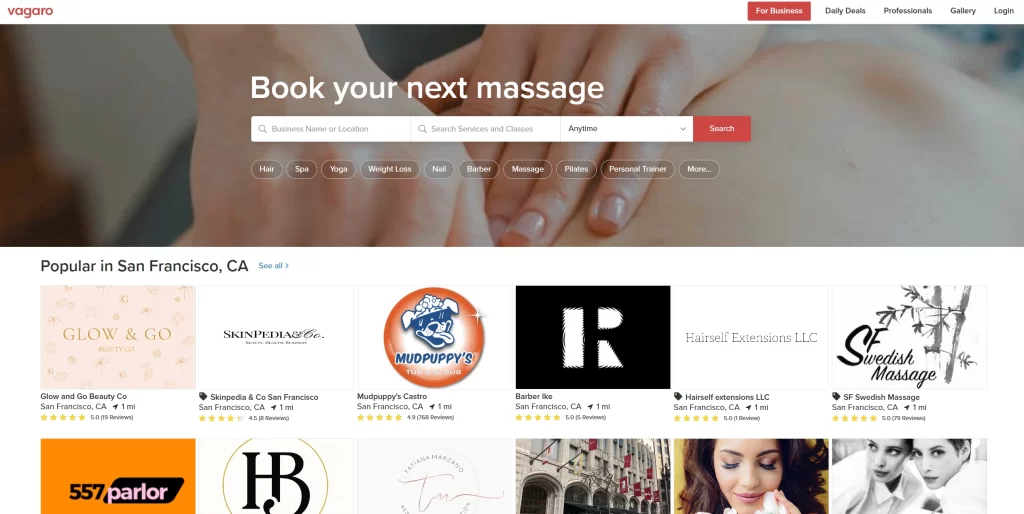
Vagaro competes primarily on accessibility and price. It offers a broad feature set – appointment booking, class management, point of sale, basic forms, and marketing tools – at a price point well below most competitors in this comparison. For a solo practitioner or a very small team launching a new med spa, the lower barrier to entry is a real advantage.
The platform is consistently rated highly for ease of use. Capterra reviewers give Vagaro 4.7 out of 5 across 3,200 reviews – the highest Capterra volume in this comparison – with ease of use and affordability as the dominant positive themes.
Where Vagaro Falls Short for Med Spas
Vagaro’s breadth comes at the cost of depth. Clinical features for med spas – structured EMR, medical-grade consent workflows, injection plotting, before/after photo management – are not part of the core platform. A med spa using Vagaro for scheduling while relying on separate systems for clinical documentation is operating with fragmented records, which creates both workflow friction and compliance exposure.
Payment processing complaints appear across multiple review platforms, and customer support inconsistency is a recurring theme in Trustpilot reviews (3.5 out of 5 across 420 reviews). Vagaro is a sensible starting point for practices not yet running clinical-grade treatments; it is a platform most clinical med spas outgrow.
Best Mindbody Alternatives for Med Spas: Aesthetic Record Pros and Cons
What Aesthetic Record Does Well
Aesthetic Record is the most clinically focused platform in this comparison outside of Pabau. Purpose-built for medical aesthetics, it supports Good Faith Exam (GFE) workflows, before/after photo documentation, consent form management, and treatment notes designed specifically for aesthetic practice. For a practice where clinical compliance is the primary concern – particularly GFE requirements for supervising physicians and nurse practitioners – Aesthetic Record addresses a real gap that general platforms cannot fill.
According to Capterra reviewers, Aesthetic Record holds a 4.4 out of 5 rating across 140 reviews, with GFE workflows and before/after photo management highlighted as standout features. For practices where the medical director oversight model is central to operations, this is a meaningful differentiator.
Where Aesthetic Record Falls Short for Med Spas
The clinical strength comes with limitations on the business management side. Inventory management, staff commission tracking, multi-location support, and marketing automation are areas where Aesthetic Record is less developed than broader platforms. The interface draws some criticism for feeling dated relative to more modern alternatives, and integration options are limited – which can create friction when connecting with payment processors or practice marketing tools.
For practices that need a clinical documentation system first and a business operations platform second, Aesthetic Record is a credible choice. Practices needing both in equal measure may find the gaps on the business side frustrating.
Best Mindbody Alternatives for Med Spas: Jane App Pros and Cons
What Jane App Does Well
Jane App has built a strong reputation in allied health and clinical practice management – physiotherapy, psychology, occupational therapy, and similar disciplines. Its charting capabilities, scheduling flexibility, and telehealth integration make it a clinically credible platform. The system is well-regarded for its clean user experience and the quality of its support team.
For a med spa with a strong allied health component – functional medicine services, mental wellness programmes, or physiotherapy alongside aesthetic treatments – Jane App’s clinical record management is more capable than most general booking platforms. It handles multi-practitioner scheduling effectively and supports online booking with deposit requirements.
Where Jane App Falls Short for Med Spas
Jane App was designed for allied health, not for medical aesthetics specifically. Before/after photo management, injection plotting, aesthetic consent form libraries, and GFE workflow support are not native features. A medical aesthetics practice using Jane App gains a solid clinical charting foundation but will need to build aesthetic-specific workflows on top of a system not designed for them.
Business management features – retail inventory, commission tracking, loyalty programmes, and marketing automation – are also less developed than in platforms that serve the aesthetic and beauty market directly. Jane App is a strong clinical administration tool for the right practice type; it is not a purpose-built med spa management platform.
Best Mindbody Alternatives for Med Spas: Pabau Pros and Cons
What Pabau Does Well
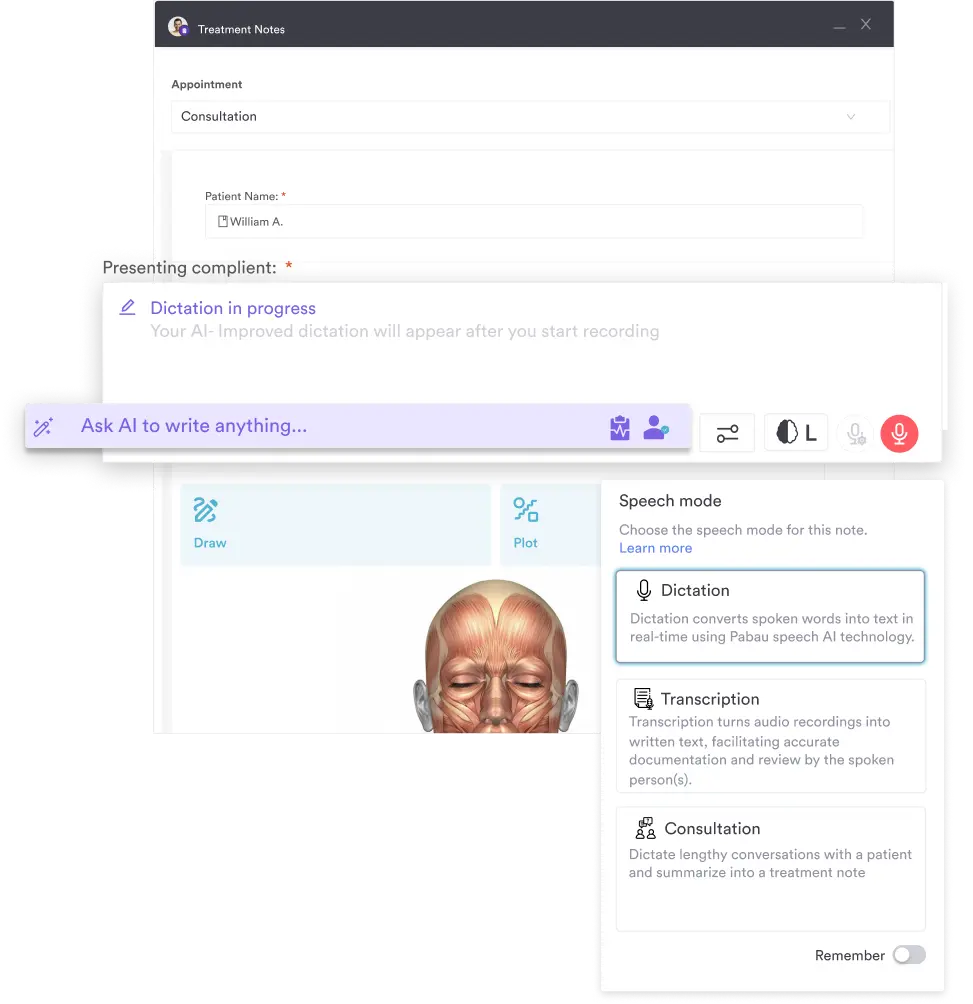
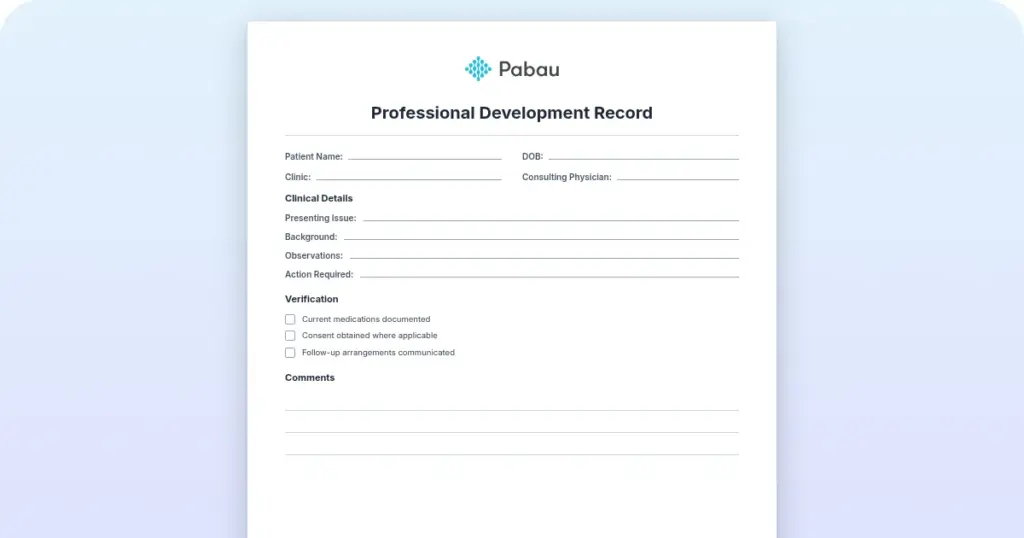
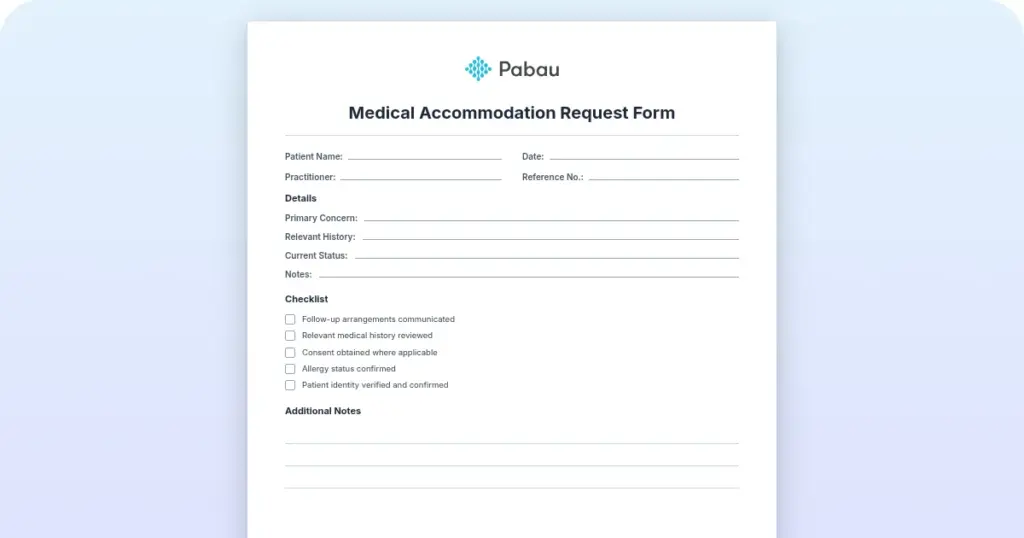
Pabau is designed from the ground up for clinical environments – and medical aesthetics in particular. The platform combines a comprehensive clinical record system with full practice management tools in a single unified workflow. Treatment notes, digital consent forms, before/after photo management, and injection plotting are all native features, not add-ons or integrations with third-party systems.
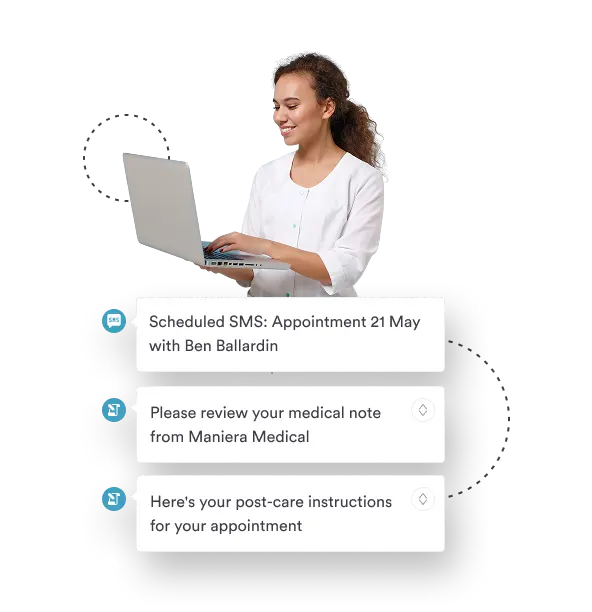
On the operations side, Pabau handles online booking, inventory management, staff commission tracking, membership programmes, and automated client communications within the same platform. This unified architecture is particularly valuable for med spas that have previously operated with fragmented software stacks – separate booking tools, separate EMR systems, separate marketing platforms – and experienced the record-keeping inconsistencies that come with it.
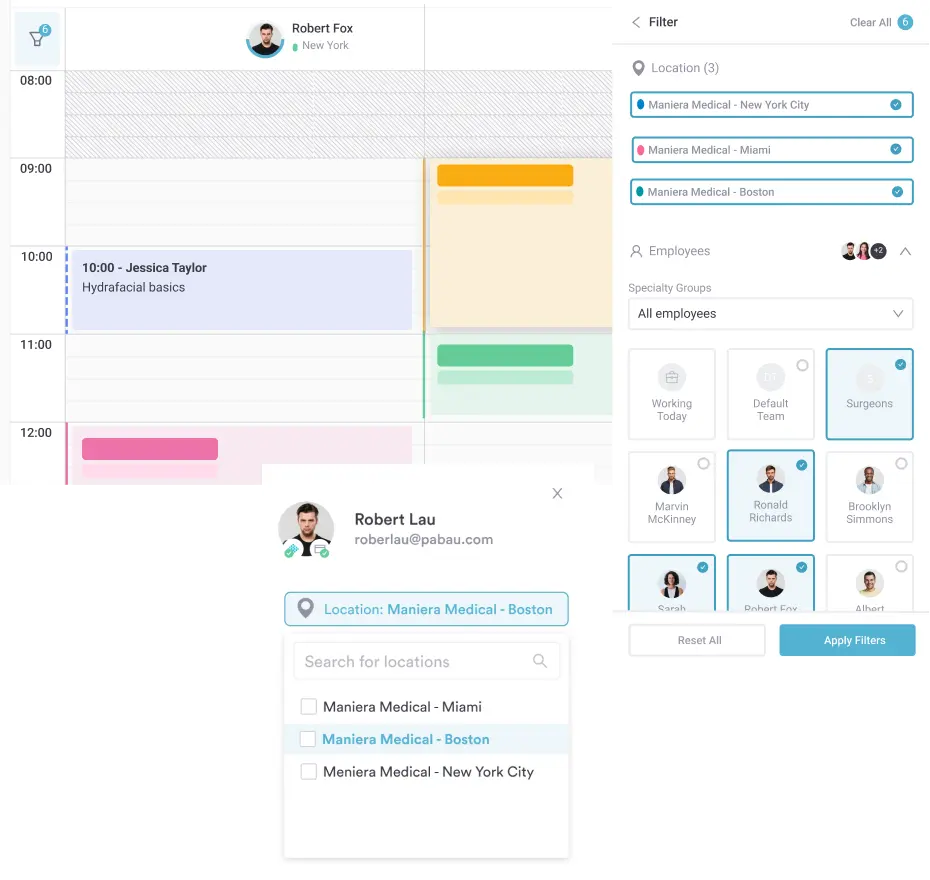
Pabau’s HIPAA compliance posture is designed for healthcare environments, with audit trails, access controls, and data handling practices built for regulated medical practice. The platform also supports multi-location management for growing groups, and its telehealth capabilities extend the clinical workflow into remote consultations. According to Capterra reviewers, Pabau holds a 4.5 out of 5 rating across over 370 verified reviews, with comprehensive clinical documentation and responsive customer support as the most frequently cited positives.
Where Pabau Could Improve
Pabau’s depth comes with an onboarding curve. New users – particularly those migrating from simpler platforms – typically require time to configure the system to their specific workflows. Some reviewers report occasional software bugs during update releases, and the mobile app has drawn requests for continued development. For practices that need full functionality on the go, this is worth factoring into a platform evaluation.
The integration ecosystem, while relevant to clinical and aesthetic practice needs, is smaller than the broader marketplaces offered by Mindbody or Zenoti. Practices with specific integration requirements should verify current availability before committing to a migration.
Best Mindbody Alternatives for Med Spas: Pricing Comparison
Pricing is one of the most frequently cited reasons med spa owners begin searching for Mindbody alternatives. The platform’s tiered structure, add-on costs, and reported fee increases have made total cost of ownership difficult to predict as practices grow. Across G2 reviews (3.9 out of 5, 390 reviews), high pricing and unexpected billing changes are among the most common complaints.
Verified pricing data for all platforms in this comparison is limited – most vendors do not publish full pricing publicly, and rates change. The following reflects what was available from public sources and review data at the time of writing. Always verify current pricing directly with each vendor before making a decision.
Pabau offers subscription-based pricing with comprehensive features included. Pabau’s pricing is available at pabau.com/pricing – the model is designed to be predictable as practice volume grows, without per-transaction fees accumulating on top of subscription costs.
Boulevard positions itself as a premium product with pricing to match. Review data consistently places Boulevard at a higher price point, particularly for smaller practices. Their current pricing is available on their website.
Zenoti pricing is enterprise-oriented and typically quoted through a sales process rather than published publicly. For multi-location groups, the total investment can be significant – reviewers on Capterra note that smaller practices often find the cost difficult to justify.
Vagaro is widely cited in comparison articles as offering lower pricing than Mindbody, with a per-location or per-practitioner model. At the time of writing, review sentiment consistently supports Vagaro as the most affordable option in this comparison, though feature limitations affect the overall value calculation for clinical med spas.
Aesthetic Record and Jane App both offer tiered pricing models. Verify current rates directly, as pricing structures in this category change regularly. Both platforms’ cost structures are generally positioned for small to mid-size practices rather than enterprise groups.
Pro Tip
Before requesting a demo from any med spa platform, map out your current monthly spend across all software tools – booking system, EMR, consent form tool, marketing platform, and inventory tracker. Total fragmented software costs often exceed what a unified platform like Pabau charges, and the comparison becomes more straightforward.
See How Pabau Handles the Full Med Spa Workflow
From first booking to clinical documentation, consent forms, before/after photos, and automated follow-up – see how Pabau's all-in-one platform removes the need for fragmented software stacks in medical aesthetics.
Best Mindbody Alternatives for Med Spas: Clinical Workflow and Compliance
Clinical workflow depth is where the best Mindbody alternatives for med spas separate most clearly. A platform that handles appointment booking efficiently but cannot support structured clinical records, HIPAA-aligned data storage, and consent documentation is not a genuine alternative for a regulated medical practice – it is a lateral move.
The American Med Spa Association (AmSpa) is clear that med spas are medical practices subject to state medical board regulations, federal HIPAA requirements, and FDA device and drug regulations. Software used in those environments needs to support – not compromise – compliance with those frameworks.
Best Mindbody Alternatives for Med Spas: HIPAA and Data Security
HIPAA compliance is not a binary feature a platform either has or lacks. It is a posture – a combination of technical safeguards, administrative policies, and operational procedures. For software evaluation purposes, the relevant questions are: Does the platform store protected health information? Does it provide audit trails for access to patient records? Does it support Business Associate Agreements (BAAs)? Does the data architecture treat clinical records with the security controls appropriate for medical environments?
Platforms built for fitness studios or salons may have general data security measures without the specific healthcare compliance architecture a med spa needs. Pabau is designed with healthcare compliance requirements in mind from the infrastructure level. Aesthetic Record and Jane App also approach compliance from a clinical starting point. Boulevard, Vagaro, and Zenoti should be evaluated directly – their compliance posture relative to healthcare-specific requirements varies and should not be assumed.
Best Mindbody Alternatives for Med Spas: GFE and Telehealth Workflows
Good Faith Exam (GFE) requirements – where a supervising physician or nurse practitioner must assess a patient before certain treatments are administered – have become a central compliance concern for med spas in multiple U.S. states. The software implications are significant: GFE documentation needs to be tied to specific appointments, stored in the clinical record, and accessible for audit.
Aesthetic Record has built GFE workflow support directly into its platform. Pabau supports the documentation requirements through its clinical records and telehealth capabilities, allowing remote GFE consultations to be conducted and documented within the same system used for treatment records. Jane App’s telehealth integration also supports remote consultation documentation, though the aesthetic-specific GFE workflow tools are not purpose-built. Boulevard and Vagaro do not have documented GFE-specific workflow support.
Reviews: What Users Say About Mindbody Alternatives for Med Spas
Pabau User Reviews
According to Capterra reviewers, Pabau holds a 4.5 out of 5 rating across over 370 verified reviews. Positive themes centre on comprehensive clinical documentation, the quality of consent form and before/after photo features, and responsive customer support. Trustpilot reviewers give Pabau 4.6 out of 5 across 180 reviews. Negative feedback focuses on the learning curve for new users and occasional bugs during software update releases – both consistent with a feature-rich clinical platform.
Boulevard User Reviews
Capterra reviewers rate Boulevard at 4.6 out of 5 across 190 reviews. The premium client experience and intuitive interface receive consistent praise. Negative reviews note limited clinical features for med spas and the higher price point relative to what is offered. Boulevard does not have a public Trustpilot profile as of this writing.
Zenoti User Reviews
Capterra reviewers give Zenoti 4.3 out of 5 across 980 reviews. Multi-location support and analytics capabilities are the standout positives. Complex setup, expensive pricing for smaller practices, and support response times are the most consistent criticisms. Trustpilot shows a lower 3.8 out of 5 across 210 reviews.
Vagaro User Reviews
Vagaro has the highest Capterra review volume in this comparison – 4.7 out of 5 across 3,200 reviews, according to Capterra. Affordability and ease of use dominate positive feedback. On Trustpilot, however, the rating drops to 3.5 out of 5 across 420 reviews, with payment processing complaints and support inconsistency recurring across negative reviews.
Aesthetic Record User Reviews
According to Capterra reviewers, Aesthetic Record holds a 4.4 out of 5 rating across 140 reviews. Purpose-built clinical features – GFE workflows, before/after photos – receive the strongest praise. Limited business management features and an interface that some describe as dated are the most consistent areas for improvement. Aesthetic Record does not have a public Trustpilot profile as of this writing.
Best Mindbody Alternatives for Med Spas: Which Platform Should You Choose?
The right platform depends on what your practice actually needs – and honest self-assessment of your primary pain point with your current software is the best starting point.
Choose Pabau if you need a fully unified clinical and business management platform purpose-built for medical aesthetics. Pabau is the strongest choice for practices where clinical documentation, consent management, HIPAA compliance, and operational workflows need to sit in a single system. Particularly well-suited to: aesthetic clinics, medical spas with prescription-grade treatments, multi-location groups, and practices migrating from fragmented software stacks.
Choose Boulevard if client experience and front-desk workflow polish are your primary priorities and clinical documentation requirements are limited. Better suited to day spas and beauty-forward businesses than to clinical med spas administering regulated treatments.
Choose Zenoti if you operate a multi-location group or franchise network where enterprise-grade analytics and centralised configuration matter more than clinical documentation depth. The setup investment and cost are only justified at meaningful scale.
Choose Vagaro if you are launching a new practice with a limited budget and relatively simple service offering – injectable-light or non-clinical treatments. Expect to outgrow it as clinical complexity increases.
Choose Aesthetic Record if GFE compliance workflows and medical aesthetics-specific clinical documentation are your primary need, and you are comfortable managing business operations (inventory, commissions, marketing) in separate tools.
Choose Jane App if your med spa has a significant allied health component – physiotherapy, occupational therapy, mental wellness – and you need a clinical charting system that handles multi-discipline appointment management effectively.
Best Mindbody Alternatives for Med Spas: Use Cases and Scenarios
Platform selection becomes clearer when mapped to specific practice types. Three common med spa scenarios illustrate where each platform delivers and where it falls short.

Scenario 1: Single-Location Injectables-Focused Practice
A nurse-led practice offering Botox, dermal fillers, and skin booster treatments needs: digital consent forms sent before every appointment, treatment notes with injection site mapping, secure before/after photo storage, and a booking system that handles deposits and sends automated pre-care instructions. Pabau handles all of these within a single platform. Aesthetic Record covers the clinical requirements well but requires supplementary tools for business operations. Boulevard and Vagaro cover the booking side but leave the clinical documentation gap unaddressed.
Scenario 2: Multi-Service Med Spa Adding Medical Weight Loss
A med spa expanding from aesthetic treatments into medical weight loss programmes – including GLP-1 prescription services – needs: structured medical history intake, prescription documentation workflow, telehealth for follow-up consultations, and compliance-grade record storage. This scenario demands a platform with genuine healthcare compliance architecture. Pabau’s compliance management and telehealth features support this expansion. Jane App handles the clinical records side well, though its aesthetic-side features are limited. Platforms without clinical-grade documentation are not appropriate for this use case.
Scenario 3: Growing Med Spa Group Across Three Locations
A group with three sites and plans for further expansion needs: centralised patient records accessible across locations, standardised consent and clinical documentation templates, multi-site staff management and commission tracking, and consolidated reporting for business performance. Pabau’s multi-location management addresses these requirements for clinical environments. Zenoti is also viable at this scale, particularly if business analytics are the primary driver – though the clinical depth trade-off remains. For any group using prescription treatments or clinical-grade procedures across sites, clinical documentation capability should be the primary filter.
Pro Tip
When evaluating any platform against compliance requirements, ask vendors directly: Do you provide a Business Associate Agreement (BAA) for HIPAA? How are audit trails managed for clinical record access? Which data centres store protected health information? These questions separate genuine compliance architecture from marketing language.
Expert Picks
Looking for a deeper dive into clinical documentation for medical spas? Medical Spa EMR Software covers what to look for in a clinical records system built for aesthetic practice.
Need to understand HIPAA obligations for your med spa? Do Med Spas Have to Be HIPAA Compliant? breaks down the regulatory requirements and what they mean operationally.
Evaluating Mindbody pricing before you decide? Mindbody Pricing provides a current breakdown of Mindbody’s cost structure to help frame your comparison.
Want to see how Pabau compares directly? Pabau vs Mindbody covers the feature-by-feature comparison in detail.
Conclusion: Finding the Best Mindbody Alternatives for Med Spas
The best Mindbody alternatives for med spas are not just scheduling tools with more features. They are platforms that understand what it means to run a regulated medical practice – where documentation quality, compliance infrastructure, and clinical workflow design are as important as how smoothly online booking works.
Pabau offers the most complete combination of clinical depth and business operations for medical aesthetics practices. Boulevard and Vagaro serve the client experience and booking sides of the operation well, but neither replaces a clinical records system. Zenoti scales effectively for large groups. Aesthetic Record addresses GFE and aesthetic-clinical workflows specifically. Jane App brings strong allied health clinical records to hybrid practices.
No platform suits every practice type equally. The most reliable path to a good decision is mapping your specific compliance requirements, clinical documentation needs, and operational workflows against what each platform genuinely delivers – and verifying claims directly with vendors before committing to a migration.
Content reviewed against current American Med Spa Association (AmSpa) industry guidelines and platform feature documentation available at time of publication.
Frequently Asked Questions
The best software for med spas combines clinical records management, consent form workflows, before/after photo management, and scheduling in a single platform. Pabau is purpose-built for medical aesthetics with all of these features natively. The right choice depends on your practice size, clinical complexity, and compliance requirements – there is no single answer that applies to every med spa.
Mindbody was designed for fitness studios and wellness businesses. It handles class booking and membership management well, but it lacks native EMR, clinical charting, injection plotting, and before/after photo management – features that clinical med spas need. Its compliance posture is better suited to general wellness than to regulated medical practice. Most clinical med spas find they need a platform built specifically for healthcare environments.
Pabau is designed for clinical environments from the ground up; Mindbody is designed for fitness and wellness. Pabau includes native EMR, digital consent forms, before/after photos, injection plotting, and HIPAA-aligned data handling. Mindbody offers stronger class and group booking functionality but does not provide the clinical documentation depth that medical aesthetic practices require. For med spas running clinical treatments, Pabau addresses a fundamentally different set of requirements.
Med spa software should include: EMR and structured treatment notes, digital consent form management, before/after photo storage, online booking with deposit collection, HIPAA-aligned data security, inventory management for clinical supplies, staff scheduling and commission tracking, and automated client communication workflows. Platforms designed for salons or fitness studios typically lack the clinical documentation features that regulated med spa practice requires.
Mindbody pricing is tiered and increases with feature access and practice size. User reviews on G2 and Trustpilot consistently cite escalating costs and unexpected fee increases as pain points. Exact current pricing should be verified directly with Mindbody, as published rates change. Many med spa owners find the total cost of ownership – including add-ons and per-transaction fees – higher than they anticipated when initially selecting the platform.