GLP-1 diet plan
A GLP-1 diet plan is a structured eating framework for patients taking semagluti...

2
Last Updated: Oct 13, 2026

Autonomic testing measures how well the autonomic nervous system controls heart rate, blood pressure, sweating, and digestion.
The standard battery pairs cardiovascular reflex tests with sweat tests, usually heart rate variability, Valsalva, tilt table, and QSART.
Results are graded on the composite autonomic scoring scale, where 0 is normal and 10 means severe autonomic failure.
Preparation decides result quality, so medication holds, caffeine, and antiperspirant need sorting before the appointment is booked.
Practice management software like Pabau keeps referral prep, results, and follow-up appointments attached to one client record.
A patient faints twice a month. She sweats through one side of her shirt and nothing on the other. Standing in a line makes her heart race. Her cardiology workup came back clean, and so did the MRI.
That pattern turns up constantly, and it is what autonomic testing exists to settle. Instead of guessing at nerve function from a normal echo, the battery measures the autonomic nervous system directly, one reflex at a time.
The output is a number rather than a hunch. Getting to a number you can trust, though, depends as much on what happens before the appointment as on the equipment in the lab.
Autonomic testing is a set of standardized procedures that measure how well the autonomic nervous system is working. The ANS runs without conscious input. It sets heart rate, blood pressure, sweating, digestion, and bladder function around the clock.
Two branches share the load. The sympathetic side drives the fight-or-flight response, while the parasympathetic side runs rest-and-digest functions. When one branch weakens, the effects range from constant fatigue to dangerous swings in blood pressure.
According to MedlinePlus at the National Library of Medicine, the core battery includes a tilt table test and a thermoregulatory sweat test. The quantitative sudomotor axon reflex test, known as QSART, sits alongside them. Cardiovascular reflex tests for heart rate variability and the Valsalva maneuver complete the set.
Between them, those tests probe three physiological domains. Cardiovascular reactivity comes first, sweat response second, and pupil reflexes third in the labs that offer pupillometry.
Testing earns its place when symptoms cross body systems and routine investigations keep coming back normal. It maps dysfunction rather than confirming one disease, which is why referrals arrive from neurology, cardiology, and integrative medicine alike.
Those POTS thresholds come from published American Autonomic Society criteria. Good patient care management starts with knowing which of these pictures justifies a referral, and which needs a simpler workup first.
The battery is a stack, not a single procedure. It runs cardiovascular reflex tests, sweat tests, and sometimes pupillometry across two to four hours. Each test probes a different pathway, and only the combination gives a full picture.
These three tests carry the bulk of the diagnosis. They separate parasympathetic control of heart rate from sympathetic control of blood pressure.
The heart rate variability test asks the patient to breathe at six breaths a minute while an ECG records every beat. Healthy parasympathetic tone produces clear swings in heart rate that track the breathing. A flat tracing is one of the earliest signs of diabetic autonomic neuropathy.
Next comes the Valsalva maneuver, which means blowing hard against resistance through a mouthpiece for 15 seconds. The response then runs through four phases.
A missing or blunted phase IV overshoot points to sympathetic adrenergic failure.
The tilt table test is the main tool for POTS and neurogenic orthostatic hypotension. Patients lie flat for 20 minutes first. The table then tilts to between 60 and 80 degrees head-up, with blood pressure and heart rate recorded for up to 45 minutes.
Fainting or near-fainting means an immediate return to flat. Trained staff and a written emergency protocol are not optional for this one. (Also available: staff motivation tips (in French).)
Sudomotor testing checks the sympathetic cholinergic nerves that drive sweat glands. Sweat loss patterns localize the damage. Anhidrosis that begins in the feet and creeps upward is a classic small fiber neuropathy signature.
QSART: A small electrode uses iontophoresis to deliver acetylcholine to four sites on the forearm, upper leg, lower leg, and foot. Each site sweats through the axon reflex, and a capsule measures the volume.
Low or absent output at the distal sites, alongside normal proximal sites, means a length-dependent small fiber problem. The test looks at postganglionic sympathetic sudomotor fibers specifically, and results are read against age- and sex-matched normal values.
Thermoregulatory sweat test: The patient lies in a heated cabinet with an indicator powder, usually alizarin sodium sulfonate or quinizarin, dusted over the skin. As core temperature climbs, sweat changes the powder color and draws a map of where sweating still works.
A technician photographs the result, and the unstained patches are the anhidrotic areas. That map is what separates peripheral, central, and segmental lesions from one another.
Automated pupillometry measures the pupillary light reflex to check both nerve supplies to the iris. A pupillometer fires a calibrated light and tracks constriction and redilation in milliseconds. Slow constriction suggests a parasympathetic problem, and slow redilation suggests a sympathetic one.
Most centers reserve pupillometry for cases like Holmes-Adie syndrome, Horner syndrome, or suspected multisystem autonomic failure.
Referrals come from several directions. Longevity practices that track heart rate variability as a baseline marker sometimes spot the first hint of a problem. Whichever route the patient takes in, they will want to know what the day involves.
Labs vary in the order they use, but the tilt is almost always saved for the end. It is also the part patients remember. Telling them in advance that they may feel faint, and that the table comes down the moment they do, removes most of the anxiety.
Most uninterpretable autonomic studies fail on preparation rather than equipment. Medications, food, and exercise all shift the responses the lab is trying to measure. Labs send written instructions, but the referring practice should reinforce the ones that matter most.
Sending this list automatically through automated pre-appointment workflows beats reading it down the phone. The patient gets the instructions at a point where they can still act on them.
Put the medication hold instructions in the referral letter itself. Labs turn patients away when preparation was wrong, which costs a slot and delays the diagnosis by weeks.
A single test result rarely settles anything on its own. The composite autonomic scoring scale, known as CASS, was built to combine them into one severity grade. According to the peer-reviewed literature on autonomic function tests, CASS runs from 0 to 10 across cardiovagal, adrenergic, and sudomotor domains.
Each subscore draws on a different part of the battery, which is what makes the breakdown worth reporting.
Report all three rather than the total alone, so the referring clinician can see which domain is failing. Take a 62-year-old with 15 years of type 2 diabetes as an example.
Reduced heart rate variability and a blunted Valsalva ratio lift the cardiovagal subscore. Distal sweat loss on QSART adds to the sudomotor side. A total of 4 sits in the moderate band and points to a length-dependent problem rather than a central one.
Context still decides the management. That same score in a 25-year-old with suspected POTS means something different. It usually leads to reconditioning work with physical therapy teams before any drug therapy.
Practices logging results in an integrated EHR system should capture all three subscores, because only then does a repeat test show a trend.
The battery is safe, but a handful of things spoil it. Two are clinical risks worth warning patients about. The rest are process problems a referring practice can prevent.
Protocol drift is the quiet one. Position, rest period, and timing move the numbers here in the same way they do for an ankle brachial index. Two labs following slightly different scripts will not agree.
Consent and contraindication screening for the tilt take two minutes to record and matter most when someone asks about them a year later. Compliance documentation stored with the client record beats a scan in a shared folder.
Most practices run this on memory. The referral letter goes out, prep instructions get read down the phone, and the report comes back as a PDF in someone’s inbox. Nothing connects the three, so the follow-up gets booked by whoever happens to remember.
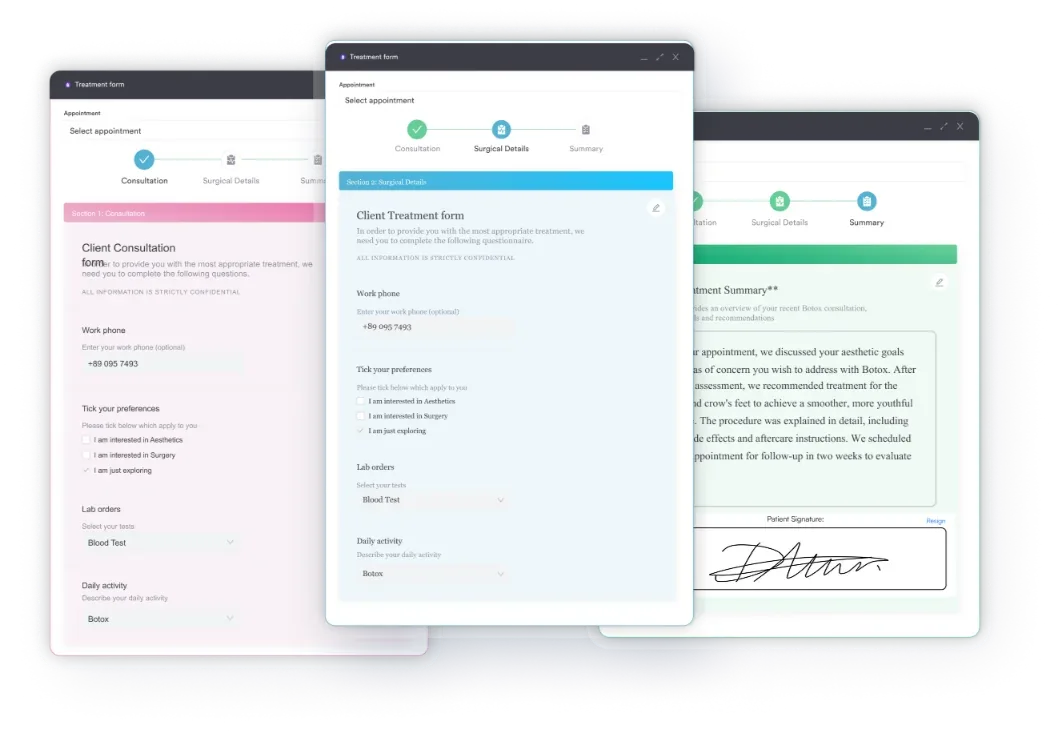
Practice management software like Pabau closes that loop. Digital intake forms collect medication history, prep compliance, and contraindication screening before the patient travels. The lab is no longer the first to discover a problem.
Results then have somewhere to live. Client records hold the three subscores and the report on the same file, with custom fields you can compare at the next visit. Booking the repeat test against that record takes a moment rather than a search.
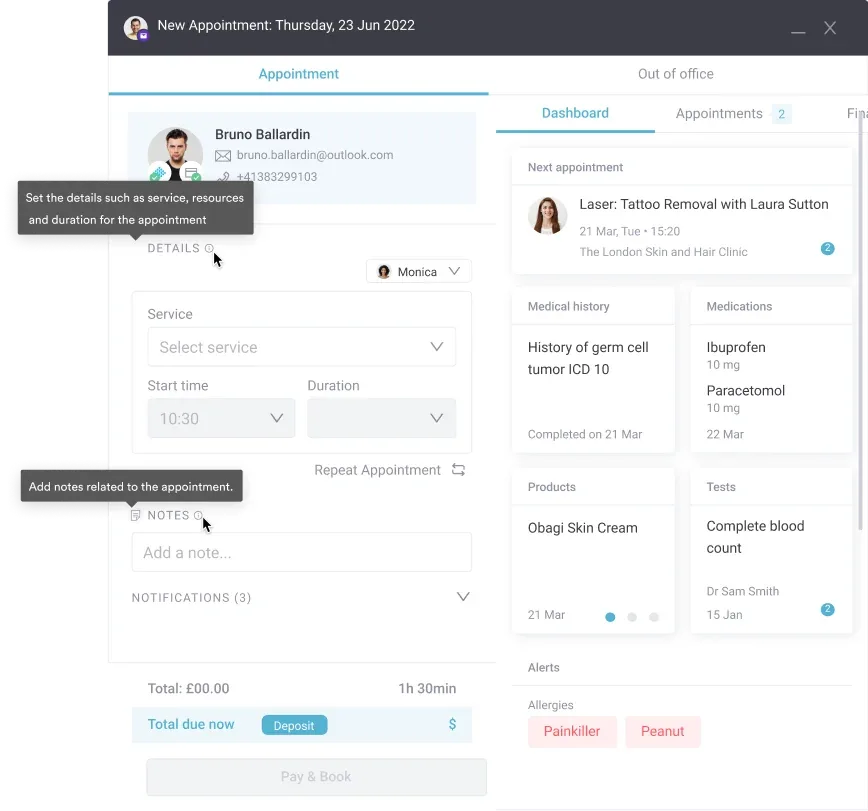

Pabau handles pre-test intake, structured result documentation, and follow-up scheduling from one client record. Nothing waits on someone remembering to chase it.

Autonomic testing gives you a measurement where you previously had a symptom list. That counts for a lot in a patient who has already collected several normal scans. The CASS breakdown then tells you which domain to treat first.
The catch is that a measurement is only as good as the day it was taken. Preparation, coaching, and a report that lands somewhere findable decide whether the result changes anything. Get those three right and a repeat test in 12 months will actually mean something.
If the admin around specialist diagnostics is what slows your practice down, it is worth seeing the alternative. Book a demo to watch intake, records, and follow-up scheduling run from one client file.

Suspecting a food trigger behind symptoms? Elimination diet plan template gives you a 7-day meal plan, a foods-to-avoid list, and a symptom diary template.
Ready to reintroduce foods after an elimination diet? Elimination diet reintroduction chart tracks phased food reintroduction over 3-day intervals with symptom monitoring built in.
Coaching patients on daily lifestyle habits? Healthy habit checklist template tracks nutrition, exercise, sleep, hydration, mental health, and preventive care habits in one printable form.
Onboarding patients for a medical cannabis program? Medical cannabis patient intake template structures the assessment that sets the tone for safe, informed treatment decisions.
Fielding questions about regenerative injection options? Amniotic injection therapy explains amniotic tissue injections, a regenerative option patients now ask about for osteoarthritis pain.
Coverage varies by payer and by indication. Most plans expect documented symptoms, a clear clinical question, and evidence that simpler investigations came first. Checking prior authorization before the appointment avoids the familiar problem of a completed test and a denied claim.
A trained technologist usually runs the battery, and a neurologist with autonomic training interprets it. Testing happens in a dedicated autonomic laboratory, often inside a neurology department, because neither the equipment nor the normative data is portable.
No. Wearables that report heart rate variability can flag a pattern worth investigating, but they are not diagnostic. The battery needs controlled conditions, calibrated equipment, and comparison against normative data that consumer devices do not provide.
Turnaround varies, and one to three weeks is typical. Traces are recorded on the day, but scoring, the CASS calculation, and the written interpretation happen afterward. Ask the lab for its turnaround time so follow-up can be booked realistically.
Yes, and it happens often. A normal battery rules out measurable autonomic failure, not the symptoms themselves. Mild or intermittent dysfunction can sit inside normal ranges, so a clean result redirects the workup rather than closing it.