Orthopedic examination template: Free 6-stage form (PDF)
An orthopedic examination is a structured physical assessment of the bones, join...

2
Last Updated: Oct 16, 2026
An upper body weight workout plan is a structured program that trains the chest, shoulders, back, biceps, and triceps with weights and bodyweight movements.
Two or three sessions a week, built around a handful of compound lifts and logged every time, is enough to add strength and size. The template below gives you the schedule, the sets and rep ranges, the rest periods, and the space to record what you lifted.
The equipment matters less than the three principles underneath it. Add a little load or a rep each week, cover pushing and pulling in equal measure, and leave enough recovery between sessions. A plan built that way protects the shoulders, keeps the front and back of the body in balance, and keeps progress moving.
A ready-to-use training plan for chest, shoulders, back, biceps, and triceps. It carries a weekly schedule, sets and rep ranges, rest periods, beginner modifications, and a column for the weight you used each session.
Download template
An upper body weight workout plan trains the chest, shoulders, back, biceps, and triceps with weights and bodyweight movements.
Two or three sessions a week, spaced 48 to 72 hours apart, leave enough recovery time between them.
Progressive overload drives the result. Add weight, add a rep, cut rest, or tighten your form each week.
Logging every set and rep keeps progression visible, so you never repeat the same weights session after session.
An upper body weight workout plan organizes exercises into a sequence that trains the arms, chest, shoulders, and back. The template you are about to download supplies the structure. It names the exercises and sets the number of sets and reps. A column for the load you used means progression is recorded rather than remembered.
Most upper body plans follow one of two shapes. A push/pull split puts pressing movements on one day and pulling on another. A full upper-body day trains the lot two or three times a week. Beginners usually progress faster on full upper-body sessions, while experienced lifters benefit from the extra volume a split allows.
A complete upper body program targets five primary muscle groups. Each serves a specific function in movement, and imbalances between them lead to poor posture, shoulder impingement, and reduced performance. Here is what you will train:
Training all five groups prevents the weak points that cap compound strength and raises injury risk. A balanced plan gives pressing (chest, shoulders, triceps) and pulling (back, biceps) equal effort, which keeps the shoulder joint healthy. Where the rear delts and mid-back lag behind, a short block of scapular stabilization exercises restores control before you load the shoulder overhead.
The two most common upper body structures are the push day / pull day split and the full upper-body day. Your choice depends on training frequency and recovery.
Push/pull split (recommended 3-4 days per week): One session focuses on pressing movements (chest, shoulders, triceps); another focuses on pulling (back, biceps). Separating them allows higher volume per muscle group and better recovery.
Full upper body (recommended 2-3 days per week): Each session trains all five muscle groups in one workout. Beginners see faster progress with this structure because every muscle is trained more frequently. Each session takes 45-60 minutes.
Rest at least one full day between upper body sessions. Training again before you have recovered leads to fatigue, missed workouts, and stalled progress. Muscle is built in the recovery window, so the days between sessions count as part of the plan.
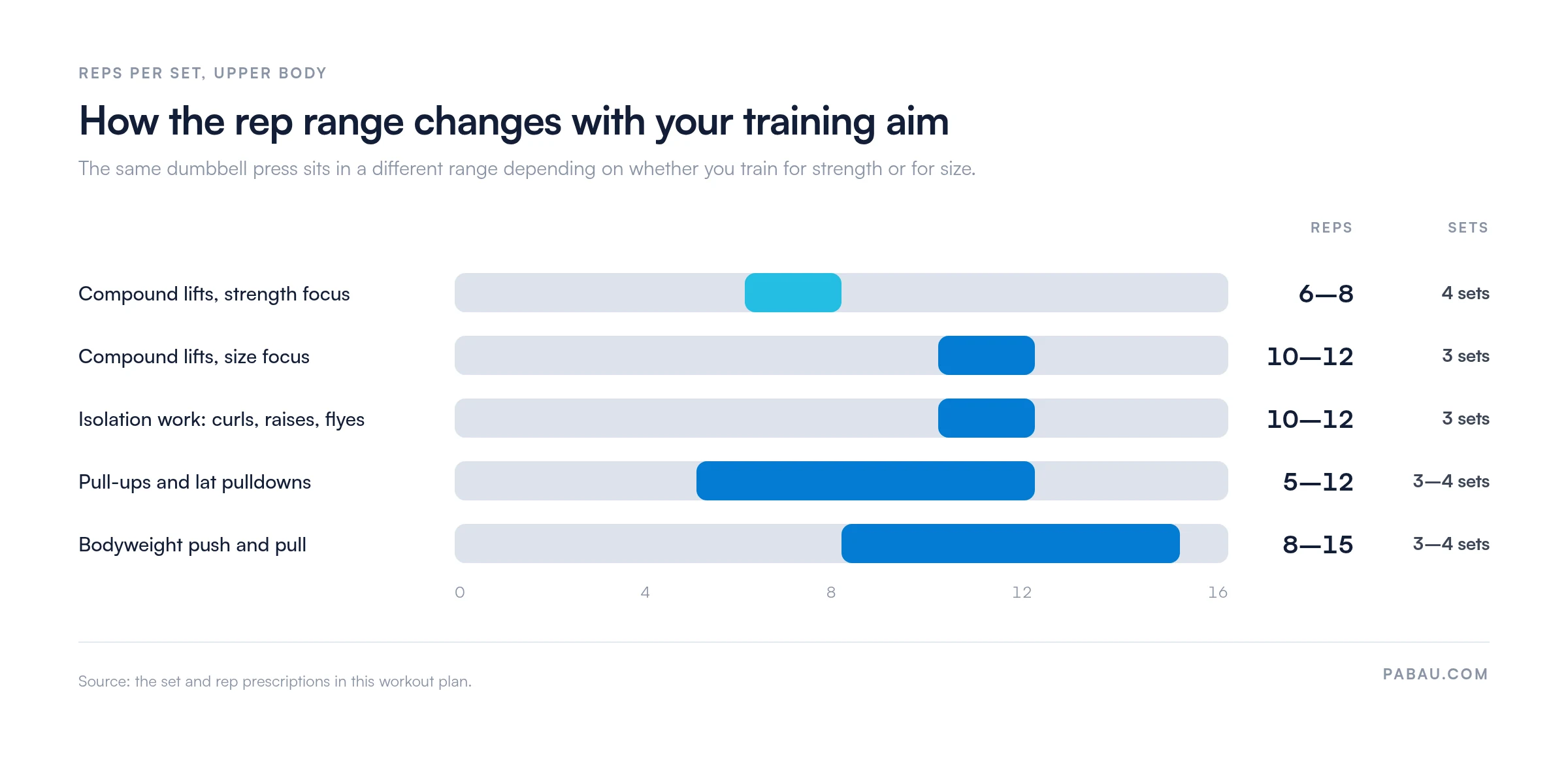
Volume is only half the decision. The rep range you pick sets what the session trains, and the same lift belongs in two different ranges depending on the aim:
Here is a practical 3-day full upper-body split using dumbbells and bodyweight. Each session includes a warm-up, main compound lifts, and isolation finishers. Rest 48-72 hours before repeating.
Download the full template and adjust the exercises, rest periods, and load to match your equipment and current strength.
If you are new to resistance training, use lighter loads, longer rest periods, and higher rep ranges to build foundational strength and movement quality. Form and consistency come first; heavy weights come later.
Dumbbells offer better balance and stability than barbells, because each side of the body has to work independently. That reduces side-to-side imbalances and suits home training. Here are the core movements to include.
Bodyweight movements build upper body strength and muscle without a single dumbbell. They work best in higher rep ranges of 8 to 15 per set. The load is fixed, so the effort has to come from volume and leverage.
Bodyweight-only plans progress best when you add resistance bands or move to a harder variation. Record the reps you reached each session, because that number is the only load you can control.
Progressive overload is the single most important principle in an upper body weight workout plan. Muscles adapt quickly to a stimulus they have already met, so the challenge has to rise week by week.
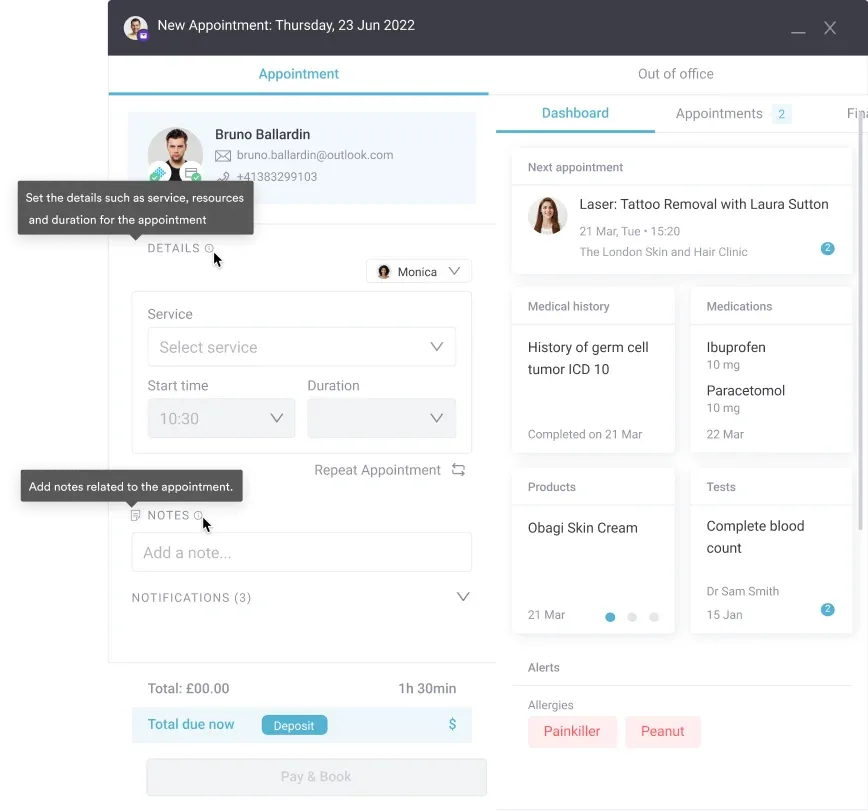
Progression only shows up if someone writes it down. Progress tracking software stores each session’s weights and reps against the client record, so a trainer can see the trend at a glance. The same weight for the same reps three sessions running is the signal to change a variable.
Injury prevention and recovery quality depend on proper warm-up and cool-down routines. Include these in every session.
Warm-up (5-10 minutes before your first lift): Raise your heart rate, lubricate your joints, and prepare your nervous system. Start light and build intensity.
Cool-down (5 minutes after your last set): Lower your heart rate and reduce muscle soreness through static stretching.
Adaptation happens between sessions. Sleep 7-9 hours per night and eat enough protein, around 0.7-1 gram per pound of bodyweight, to support muscle growth.
Your template is ready to download. Here is how to run it, whether you are training yourself or writing programs for someone else.
Share the finished plan through a client portal rather than as an email attachment. The client opens the current version, and your team sees the same one.
Clients who train between appointments need the same plan in a format they can follow alone. Drop the session into a home exercise program template and keep the loads and rep targets identical to the ones you set in the practice.
Women benefit from resistance training as much as men do. Hormonal differences (lower testosterone, higher estrogen) do not prevent muscle growth. They affect the rate slightly, not the principle, so the progressive overload approach stays the same.
Common female-specific goals and how the plan addresses them:
The one adjustment worth making is load tolerance. Many women report feeling more confident at a slightly higher rep range of 10 to 12 per set, though this varies by individual. Start light and let the progressive overload process do the work.
Track how your training feels across the menstrual cycle if it affects your sessions. The evidence on cycle-phase strength differences is mixed: some studies favor the follicular phase, and several recent trials find no reliable difference at all. Treat your own log as the better guide, and use the template’s weekly structure to adjust by feel.
Most trainers hand out a PDF and then track the results somewhere else. The plan sits in a downloads folder, the weights end up in a notes app, and a month later nobody can line the two up.
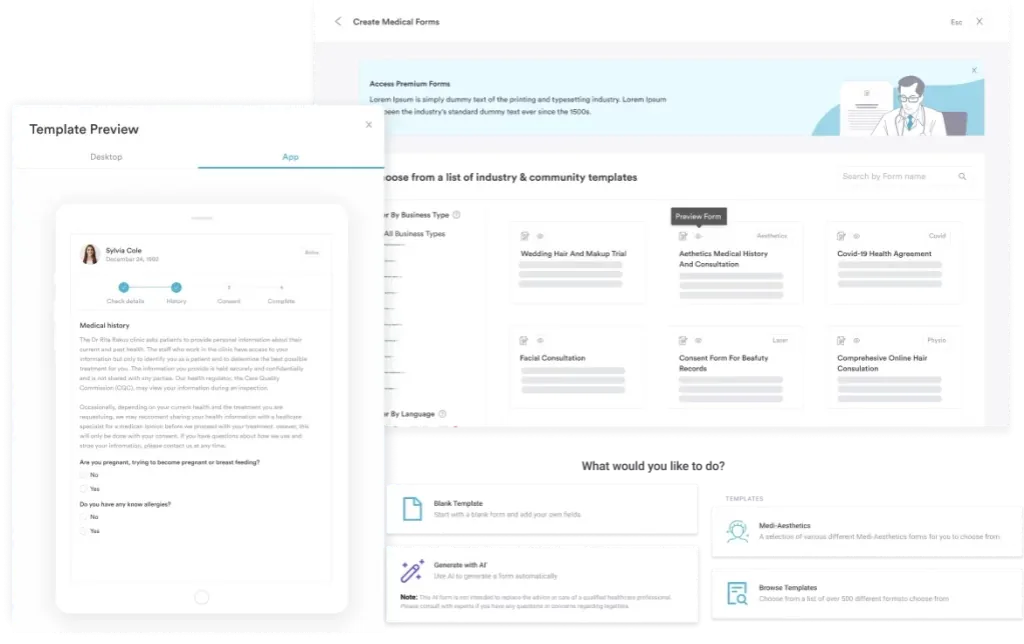
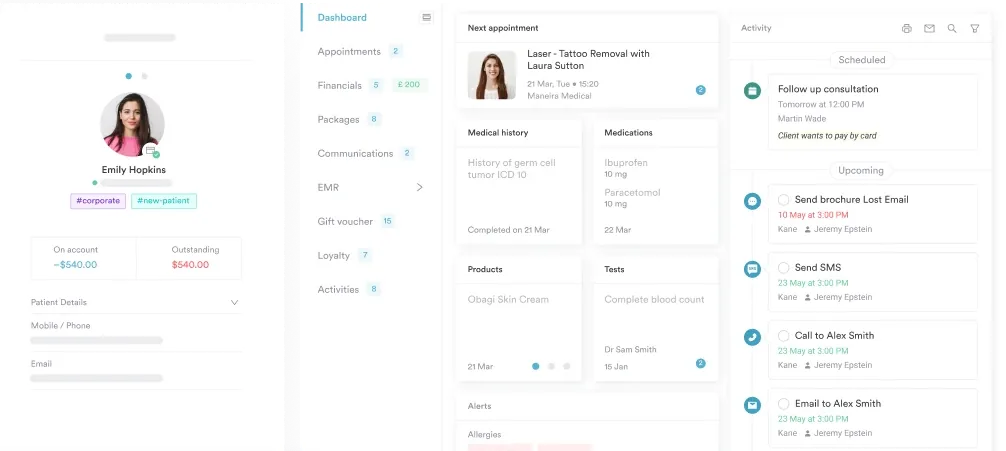
Pabau, our practice management software, stores the program and the session history on the same client record. You build the upper body plan once as a digital form, attach it to the client, and log each session’s weights and reps against it. Practices that run rehab and strength work side by side hold the same information in physical therapy EMR software. Bookings, notes, and progress then sit in one place.
Before a session you open one record. It shows what was lifted last time, what the target was, and whether the client has stalled. That turns the next load into a decision you can defend, and it gives you something concrete to show at the four-week review.

Pabau stores the program, the session log, and the booking on the same client record. Your team sees the current plan and the weights behind it without chasing a spreadsheet.

The plan matters less than the record of what you lifted. Two honest sessions a week will beat four you cannot remember. Download the template, fill in your starting weights, and let the numbers decide when to move up.
Expect the first clear jump in strength within four to eight weeks, then expect it to slow. When it does, change one variable rather than the whole program. Running this across a caseload makes the record-keeping the hard part. Book a demo to see how Pabau keeps each client’s plan and session history in one place.

Training someone new to lifting? Beginner workout plan for women sets out a four-week build-up with lighter loads and simpler movement patterns.
Programming for an older client? Strength exercises for older adults covers safe loading, seated variations, and the balance work that belongs beside them.
Need a baseline before you set the load? Muscular strength test gives you a repeatable way to record starting strength for each client.
Shoulders or mid-back holding the pressing work back? Postural stability exercises show what to build before you add load overhead.
Include at least one pressing movement (bench press, push-ups, shoulder press) and one pulling movement (rows, pull-ups). Add isolation work for the smaller muscles, such as curls, lateral raises, and tricep extensions. The template provides a complete list of options for each movement type.
Beginners should train upper body 2-3 days per week, spaced at least 48 hours apart. Experienced trainees often benefit from 3-4 days using a push/pull split. More than 4 days per week requires careful nutrition and sleep management.
Yes. Push-ups, pike push-ups, pull-ups (with a doorway bar), dips, and inverted rows build significant upper body strength. Add resistance bands to increase difficulty as you progress. The template includes bodyweight variations for every major movement pattern.
A 2-3 day full upper-body plan at moderate intensity (8-12 reps per set) is ideal. Use lighter weights, focus on form quality, and progress by adding reps before adding weight. Avoid complex splits until you have built foundational strength over 6-8 weeks of consistent training.
45-60 minutes is optimal for most trainees. This includes 5-10 minutes of warm-up, 35-50 minutes of working sets, and 5 minutes of cool-down. Sessions longer than 60 minutes often signal too much volume or excessive rest periods.
A push day trains pressing movements (chest, shoulders, triceps). A pull day trains pulling movements (back, biceps, rear delts). Separating them allows higher volume per muscle group and better recovery than full upper-body sessions, but it requires more weekly training days.