Therapeutic interventions list
A therapeutic interventions list is a reference of evidence-based treatment tech...

Last Updated: Oct 13, 2026

A things I can control worksheet sorts one stressor into three rings: what the client controls, what they influence, and what they cannot change.
The three-ring version is a later adaptation of Stephen Covey’s model, which named only a circle of concern and a circle of influence.
Two questions decide every item, and the middle ring is where most sessions go wrong.
Clients who file influence items under control build action plans they cannot finish, then read that as proof they are helpless.
The free PDF holds three labeled sections and one instruction line, so it works on paper or on a tablet.
Pabau’s digital forms store the completed sheet in the client record, so you can compare this month’s sorting with last month’s.
A one-page printable with three labeled sections: Within my control, Influenceable but not fully controllable, and Beyond my control. It opens with a short sorting instruction, plus space for the client’s name and date.
Download templateA things I can control worksheet asks a client to take one worry and break it into pieces. They sort each piece into what they control, what they influence, and what they cannot touch. The exercise lives or dies on that middle ring.
What follows is the session walkthrough, the sorting mistakes to watch for, and how the finished sheet earns its place in the client record.
It hands the client one page with three labeled boxes. Their job is to take a single stressor apart and put each piece in exactly one box.
The sorting is the intervention. Anxiety runs on a blurred picture, where a job interview arrives as one solid threat. Separate the answers a client can rehearse from the hiring decision they will never make, and the threat stops behaving like one object.
Therapists, school counselors, occupational therapists, and coaches all run some version of it. There is no scoring key and no training requirement, which is why the sheet travels so far outside formal therapy.
Two questions decide where an item goes. Can the client change it on their own, today? If not, can their effort shift the odds?
A yes to the first question puts the item in the control ring. A no followed by a yes puts it in influence. A no to both puts it in concern, where the work is acceptance rather than action.
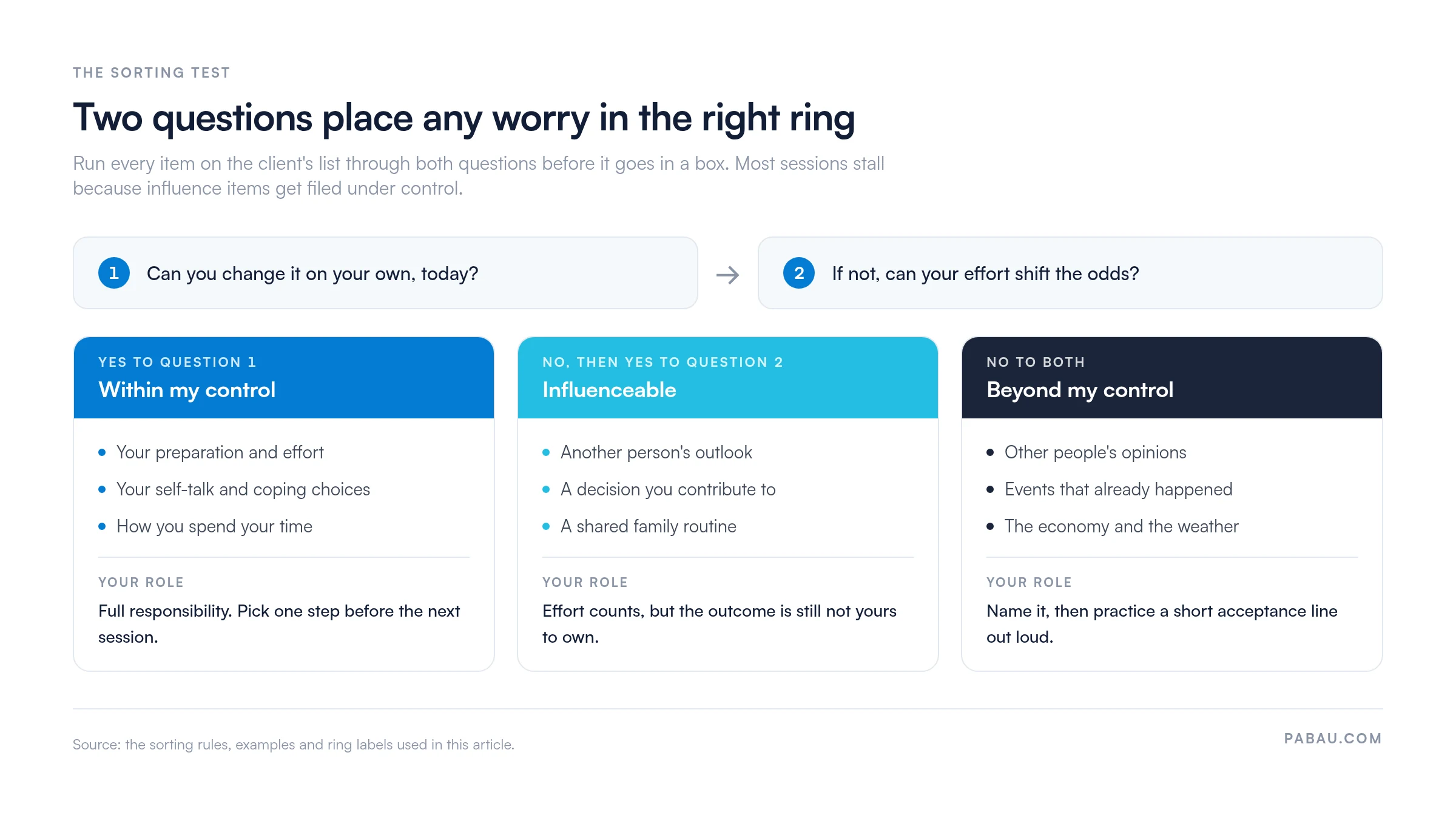
These are the choices a client makes without needing anyone else to agree:
These move when the client puts effort in, but the result belongs to someone else:
These hold still whatever the client does:
Covey never wrote about a circle of control. The 7 Habits of Highly Effective People sets out two circles. One holds whatever occupies you, and the smaller one inside it holds what your effort can reach.
The three-ring version came later. Popular adaptations split the innermost items out and called them a circle of control, which is the shape most printable worksheets now use.
The distinction matters when a client asks where the model comes from, and it matters more when the middle ring gets skipped.
Take a client worried about a strained relationship. The partner’s mood belongs in concern. How that partner sees the week ahead sits in influence, because an honest conversation moves it. Whether the client rehearses that conversation beforehand is squarely control.
Some clients respond better to a drawn diagram than to three boxes. The circle of control worksheet lays the same three rings out as nested circles.
Budget 20 minutes for a first pass. Five of those go on the stressor alone, because a vague stressor produces a vague sheet.
The order matters. Clients who pick actions before they finish sorting almost always act on an influence item, which brings us to the mistakes worth watching for.
The sheet fails in predictable ways. These four cover most of what goes wrong in a first session:
The three rings hold at every age. What changes is the language, the examples, and how much of the sorting you do together.
Anxiety needs a threat plus a sense that the client’s own effort will not change it. The worksheet takes the second ingredient apart in three ways.
Run through these six points while the client is still in the room.
That last point is the one practices lose. A sheet completed on paper in a Tuesday session is rarely in the room a month later. The comparison that makes it useful never happens.
Most software for therapy practices can store the completed form against the client’s chart, which turns a handout into a record you can reread.
Most practices hand the sheet out, watch it go home in a bag, and leave a one-line note behind. The next time the worry comes up, the therapist is working from memory.
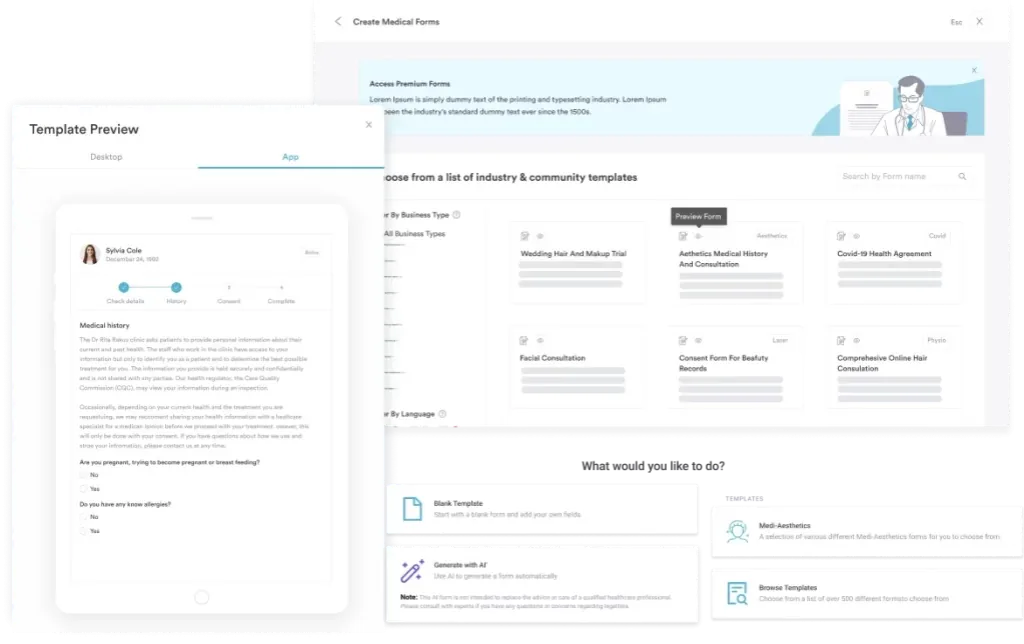
Practice management software like Pabau closes that loop. You build the three rings once as a digital form, then assign it to a client before or after the session. The completed version files itself against their record.
Clients fill it in on a phone, so the sorting happens while the worry is live rather than the night before the next appointment. You open their chart, see last month’s sheet next to this month’s, and the session opens with a comparison instead of a recap.
Forms, client records, and scheduling come with every Pabau subscription, so none of it waits on an upgrade.
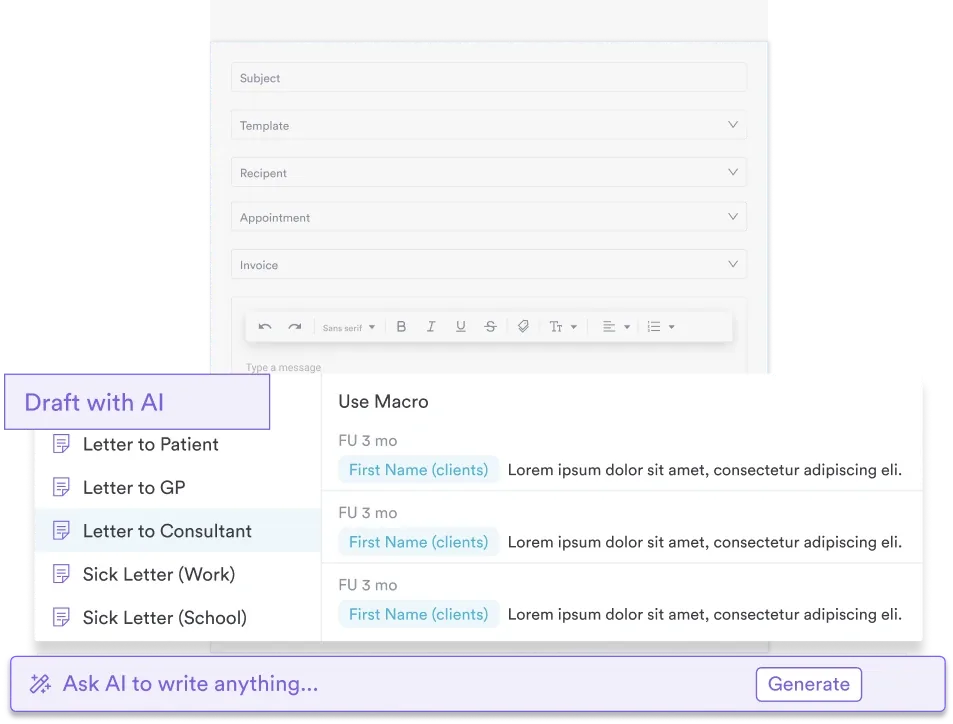

Send the worksheet as a digital form, store the completed copy in the client’s record, and pull it up again at the next session. Every Pabau subscription includes it.

The worksheet is only as good as the sorting. Get the middle ring right and a client leaves with one action and one worry they have agreed to stop carrying. Get it wrong and you have handed them a list of tasks that were never theirs.
Print the sheet, run it once against a live stressor, then read what the client put in the influence box. That box tells you more about how they are coping than a score ever would.
The version that keeps working is the one you can find again in six weeks. Book a demo to see how Pabau files completed worksheets in the client record and brings them back into the next session.

Wondering whether the problem is belief rather than circumstance? Locus of control worksheet separates what a client believes about control from where control sits.
Need a way to work the concern ring? Cognitive defusion covers the ACT techniques that help clients unhook from thoughts they cannot argue away.
Working with a client in acute distress? Crisis intervention strategies for clinicians sets out what to do when a sorting exercise is the wrong tool for the moment.
Handing out more homework than you can track? Therapist burnout prevention looks at the boundaries that keep a caseload workable.
The download button at the top of this page gives you the PDF. It holds three labeled sections, a short instruction line, and space for a name and date. There are no reflection questions or action-plan pages inside.
No. Locus of control describes a personality trait, how far a person believes outcomes follow from their own actions. The circle of control is an exercise that sorts one situation. A client with an external locus often finds the sorting harder, which is useful information.
Whenever a new stressor takes hold, and roughly monthly for a recurring one. Comparing two sheets on the same worry shows whether items are migrating from concern toward influence, which is the change worth tracking.
Yes, with one change. Have everyone sort the same shared stressor, such as an exam week, so the group can argue about which ring each item belongs in. That disagreement teaches the distinction faster than a private sheet does.
Yes. The worksheet carries no scoring key and makes no diagnosis, so it sits comfortably in classrooms and coaching sessions. Refer on if a client’s sorting keeps surfacing distress you are not resourced to hold.