Montgomery-Åsberg Depression Rating Scale (MADRS)
The Montgomery-Åsberg Depression Rating Scale (MADRS) is a clinician-administer...

Last Updated: Oct 6, 2026
A therapy aid worksheet is a structured clinical tool that guides mental health practitioners through assessment, symptom tracking, and therapeutic planning in one document. It holds the client’s presenting concerns, severity ratings, treatment goals, and measurable progress, so a single form covers intake and every session after it.
Scattered session notes make progress hard to prove. A standardized worksheet supports clinical decisions and tracks between-session homework in a consistent format. It also holds up under quality review and regulatory audit.
This guide covers what the form does and how to use it in five steps. It maps worksheets to CBT, DBT, and mindfulness work. Then it shows how digital delivery keeps completion on track.
A ready-made assessment structure covering presenting concerns, symptom severity, treatment goals, progress tracking, and clinical recommendations. Suitable for individual therapy across CBT, DBT, mindfulness, and integrative approaches.
Download template
A therapy aid worksheet is one standardized document covering baseline concerns, symptom severity, therapeutic goals, and progress indicators.
Worksheets work as in-session psychoeducation tools and as between-session homework that builds client accountability.
CBT, DBT, mindfulness, and trauma-informed care each rely on worksheet types matched to their core interventions.
Practice management software like Pabau assigns, collects, and tracks worksheet responses inside the client record.
A therapy aid worksheet is the practitioner’s structured companion through assessment and the therapeutic work that follows. It replaces scattered session notes with a fixed structure. That structure covers presenting concerns, baseline symptom severity, treatment objectives, and measured progress.
Psychology practice software stores the same structure as a reusable template, so every clinician in the practice documents the same way.
The purpose is diagnostic clarity and accountability. A client arrives describing anxiety, sleep disruption, and work stress. The worksheet walks you through naming the specific conditions and rating their impact on functioning.
PHQ-9 scores cover depression and GAD-7 covers anxiety. From those numbers you identify the modality that fits and set measurable change targets.
Between sessions, clients complete the exercises you assigned. That might be a thought record in CBT, a distress-tolerance chain in DBT, or a body-scan log in mindfulness work. They return with their responses, which gives you a record of engagement and skill practice.
Homework stops being an abstract suggestion at that point. It becomes a documented clinical intervention you can track across the course of treatment.
Five sequential steps take the worksheet from a blank form to an adjusted treatment plan. The sequence below shows what each step leaves behind in the client record.
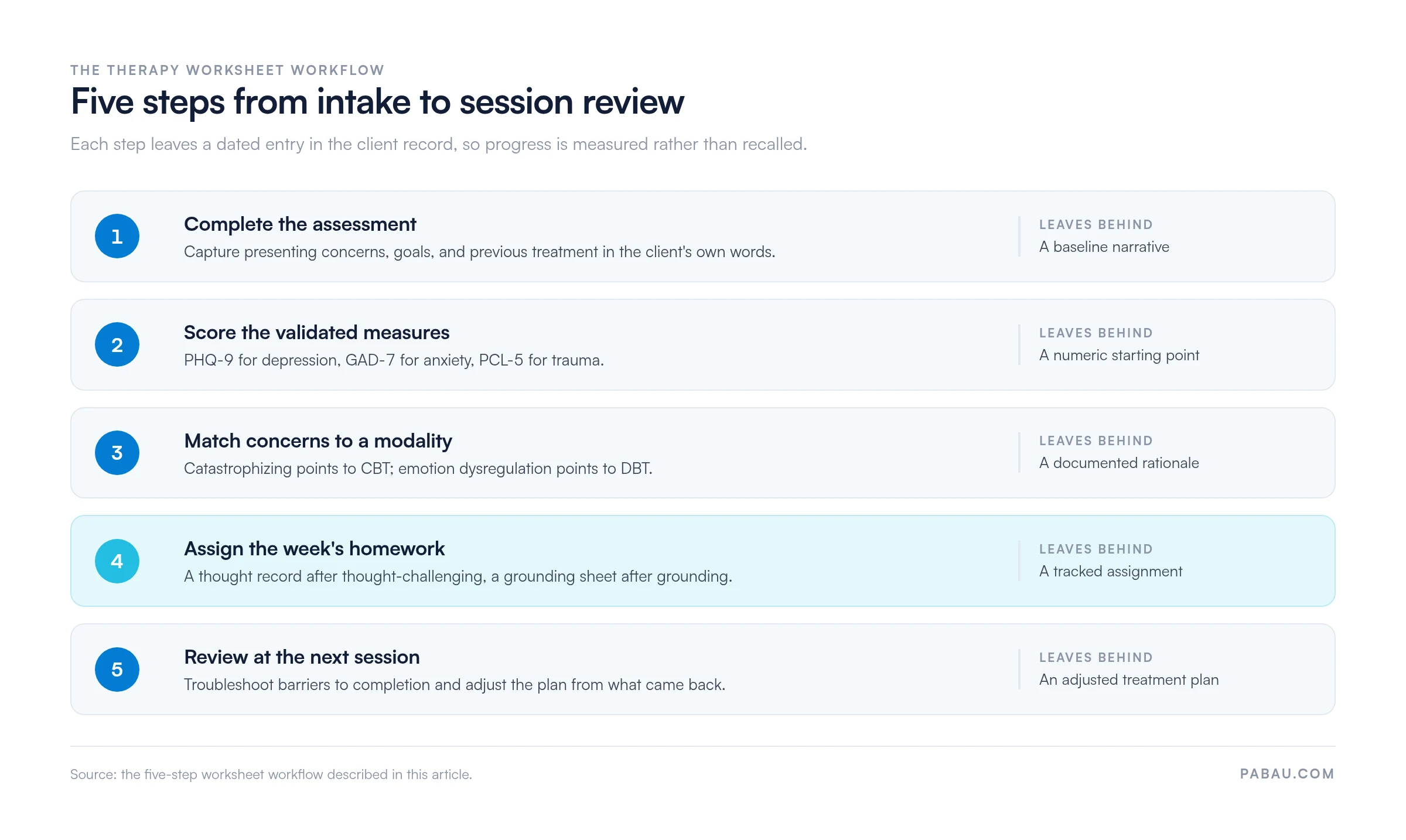
First, complete the assessment section at intake or early in the therapeutic relationship. Fill it in together, or have the client complete it beforehand. This captures their own account of what brought them in, which symptoms distress them most, and what they want to change.
Second, score any validated measures the worksheet embeds, such as PHQ-9 for depression, GAD-7 for anxiety, or PCL-5 for trauma. These baseline scores give you a quantified starting point, which is what makes later progress measurable.
Third, align the presenting concerns with your therapeutic modality. Anxiety with perfectionism and catastrophizing points toward CBT’s cognitive restructuring and exposure hierarchies. Emotion dysregulation and self-harm urges point toward DBT’s distress tolerance and emotion regulation modules.
Fourth, assign worksheets as homework matched to that week’s clinical focus. After teaching thought-challenging in session, assign a thought record before the next appointment. After introducing a grounding technique, send a grounding worksheet home to practice.
Fifth, review completed worksheets at the start of each session. Acknowledge the effort, troubleshoot barriers to completion, and use the responses to adjust your approach. The worksheet becomes the client’s voice in the work between appointments.
One more stage follows once a client meets their goals. A termination worksheet reviews progress, names early warning signs, and records the support the client leans on next.
Every mental health practitioner benefits from structured worksheets, including psychologists, counselors, clinical social workers, psychiatrists, nurse practitioners, and coaches. They pay off fastest in three situations.
Volume decides it for most teams. Software built for group therapy practices holds every clinician to the same template and the same review rhythm. Paper filing rarely sustains either for long.
Worksheets matter just as much in community mental health, where evidence of intervention is required for licensing and funder reporting. In private practice, a documented clinical method gives referrers a reason to send you clients.
The strongest worksheets are modality-specific, because each approach targets different cognitive, behavioral, and emotional processes.
CBT worksheets focus on the thought-feeling-behavior triangle. A thought record asks the client to describe a triggering situation, identify automatic thoughts, and rate belief in them. They then examine the evidence and write a balanced alternative.
Behavioral activation logs track completed activities against mood ratings, which reverses the avoidance that depression drives. Both sheets operationalize CBT’s core mechanism, where changing thoughts and behavior changes emotion.
DBT worksheets emphasize skills and acceptance. TIPP sheets guide clients through distress tolerance using temperature, intense exercise, paced breathing, and paired muscle relaxation. Emotion regulation sheets such as ABC PLEASE and opposite action address the dysregulation that drives self-harm urges.
Each DBT sheet doubles as psychoeducation about how the nervous system responds under pressure. A ready-made DBT therapy worksheet saves you rebuilding those modules for every client.
Mindfulness worksheets track practice frequency and quality. A daily log captures meditation duration and type, whether that is a body scan, breath focus, or loving-kindness. Ratings of calm, clarity, and self-compassion follow each sitting. Over weeks the log shows how practice volume relates to symptom improvement.
Structured worksheets deliver three measurable benefits. The first is clinical accountability. You hold a written record of what was discussed, what was assigned, and what came back, which supports quality review, supervision, and regulatory compliance.
The second is client engagement and outcomes. Clients who complete worksheets between sessions show higher treatment adherence and faster symptom improvement than those relying on weekly sessions alone. Kazantzis and colleagues reported in Behavior Therapy that homework completion is one of the strongest predictors of CBT response.
The third is lower clinician cognitive load. The worksheet holds each client’s baseline anxiety score, current behavioral goals, and last week’s homework. You spend session time on clinical work instead of reconstruction.
Large libraries of free printable therapy worksheets are available online. Therapist Aid offers hundreds of evidence-based sheets organized by topic and by modality. Topics run from anxiety and depression through coping skills, self-esteem, and grief.
SAMHSA’s resource center and the American Psychological Association publish free clinical handouts too. Look for sheets that cite peer-reviewed research, and check that any embedded measure comes with scoring instructions.
Anxiety and depression generate the most worksheet requests, because they are the two most common presenting concerns in mental health practice.
Anxiety worksheets include worry logs, exposure hierarchies, and safety plans. A worry log records the worry cycle and reality-tests catastrophic predictions. An exposure hierarchy ranks feared situations by intensity and plans gradual exposure. A safety plan lists grounding techniques and support contacts.
Depression worksheets emphasize behavioral activation and thought restructuring. A daily activity log tracks planned and completed activities against mood ratings, which makes the activity-mood link visible. Thought worksheets capture the rumination and self-blame that sustain depression, then challenge them with Socratic questions.
Coping skills worksheets teach distress tolerance for acute emotional pain, and emotion regulation for longer-term balance. They name a specific technique and track how often the client practices it. Frequency data is what shows a client that practice and relief are connected.
Trauma worksheets follow trauma-informed principles of safety, choice, and empowerment. Psychoeducation sheets explain the neurobiology of trauma and normalize the response. Grounding worksheets teach the 5-4-3-2-1 sensory technique.
Trauma narratives are written accounts processed in session, and they help discharge emotional charge and update memory storage. Introduce them only once safety and coping skills are established.
Worksheet language and examples have to fit the client’s developmental stage.
Many libraries, Therapist Aid included, publish age-appropriate versions of the same tool. An adult thought record becomes a “thought detective” sheet for a 10-year-old. The intervention stays developmentally matched without losing the underlying therapeutic principle.
Worksheets only work if clients complete them, which means normalizing them from the first session. Explain what the form is for when you hand it over at intake. One version: “This is our shared map. It shows what we are working toward and tracks whether our approach is working.”
Review completed worksheets at the start of the next session. Ask what was easy, what was hard, and what they learned. That signals completion matters and their effort was noticed.
Name the specific win when it happens: “You completed all five thought records, which is exactly the practice that helps anxiety improve.” Over time clients internalize the habit. They start self-assigning sheets and tracking their own progress.
Store completed worksheets in a standardized format in the client record. Name each file by date and worksheet type, for example 2026-09-15-thought-record.pdf. Over months that builds a longitudinal record of what the client learned, with setbacks logged as data you can work with.
A worksheet library solves the content problem by handing you high-quality clinical tools. The workflow problem stays open. You still have to send a sheet to a specific client, track completion, chase a reminder, and file the response in the clinical record.
Practice management software like Pabau closes that loop. A therapist uploads the worksheet as one of their digital intake forms and assigns it to a client. The client completes it online, and the submission lands in their record automatically.
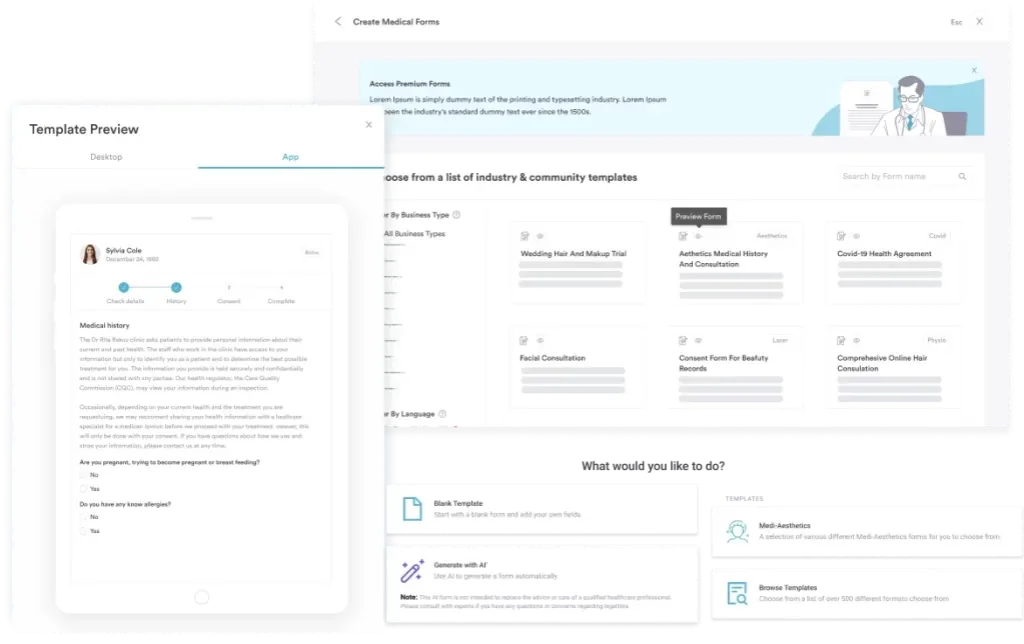
Clients reach the form through a secure client portal rather than an email attachment. From there you can set automated reminders when a worksheet is not returned by the session date.
You can also report on homework completion across the caseload and read worksheet responses alongside your clinical notes. Administrative time drops and the record stays complete.
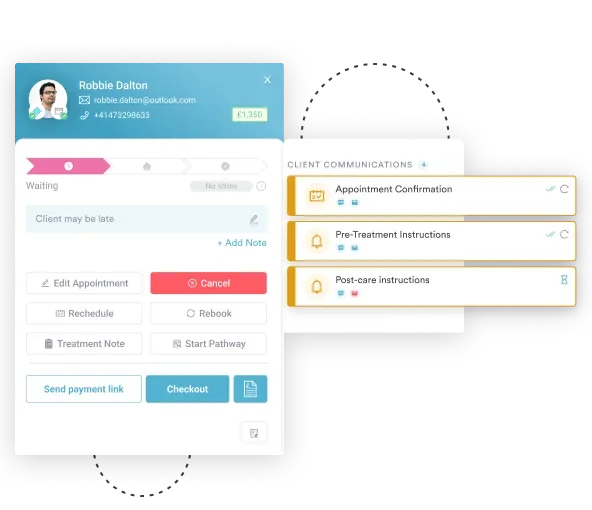
Clients feel supported rather than chased, because the reminder arrives on schedule and carries no reproach. Completion is visibly expected and tracked, which lifts follow-through above printed sheets handed over at the door.

Pabau’s digital forms and client portal send worksheets to clients, chase completion automatically, and file responses in the clinical record. Therapists spend session time on therapy instead of paperwork.

Pick one worksheet and make it standard for your next ten intakes. A single structure used consistently tells you more about your caseload than five formats used occasionally.
The trade-off worth remembering is that a worksheet only earns its keep if it comes back. Assignment is cheap and review is the work. Practices that build the review step into the session are the ones whose completion rates hold.
Start with the free template above, then decide whether paper or digital delivery suits your caseload. Book a demo to see how Pabau assigns worksheets, chases completion, and files responses in the client record.

Need a fuller intake assessment? Psychiatric evaluation template covers history, mental status, and risk in one structured document.
Teaching cognitive restructuring? ABCDE CBT worksheet walks clients through activating event, belief, consequence, dispute, and effect.
Want a ready-made thought record? 7-column thought record gives clients a repeatable format for challenging automatic thoughts between sessions.
Working with younger clients? Therapy worksheets for kids use illustrations and concrete examples suited to limited reading ability.
Building motivation for change? Change plan worksheet helps clients name a goal, the steps toward it, and the obstacles they expect.
Yes. Worksheets used in CBT, DBT, and mindfulness-based interventions are supported by decades of peer-reviewed research. Homework completion itself is a strong predictor of treatment outcome across modalities. Meta-analyses in Behavior Therapy and the Journal of Consulting and Clinical Psychology both report this.
Yes, with appropriate training. Coaches, health educators, and peer counselors use worksheets successfully. What matters is understanding the principle behind each sheet, such as CBT’s thought-behavior link. That lets you adapt it to the client in front of you instead of applying it mechanically.
Weekly at minimum for acute presentations such as active anxiety, depression, or crisis, and twice monthly for maintenance or prevention. The dose should match symptom severity and the stage of treatment. Early phases usually need more homework, and later phases can taper as skills become automatic.
Explore the barrier first. It may be shame about writing, overwhelm, or a belief that the sheet will not help. Adapt by offering verbal completion, reducing the frequency, or switching to a modality that suits the client better. Forcing worksheets damages the alliance.
Free libraries provide excellent clinical content. Software adds the workflow around it: you send the sheet, track completion, store responses in the record, and set reminders. Solo practitioners with small caseloads manage fine on free printable sheets. Group practices gain more from automation.
Store them in the client’s clinical record with dates, review them in supervision, and use the responses to adjust treatment. Keep them for the duration of the therapeutic relationship plus your state’s retention requirement, which is typically five to seven years. Secure digital storage beats paper filing.