Mental health self-care checklist
A mental health self-care checklist is a structured daily tool for tracking the ...

6
Last Updated: Oct 20, 2026

A positive reframing worksheet moves a client from an automatic negative thought to a balanced one they can defend.
The download is a blank two-page form with 11 prompts, plus header fields for the date, practitioner, and client.
The form names no cognitive distortions, so you supply the labels while the client works on the accuracy prompt.
Reframes that hold up cite evidence, so watch for affirmations the client cannot support.
Practice management software like Pabau assigns the form, files the returned copy, and shows you who still owes one.
A blank two-page form with 11 writing prompts. It runs from the distressing situation through to reframed thoughts, strengths, and practical next steps. Date, practitioner, and client fields sit at the top.
Download templateA positive reframing worksheet takes a client from an automatic negative thought to a balanced one they can defend. The hard part is rarely the session. It is 11pm on a Tuesday, when the thought arrives and the structure isn’t there.
That is what this form is for. It runs blank across two pages, from the situation itself through to strengths and practical steps.
Hand it over well and you also get a dated record, filed in the mental health practice software that holds the session note. Below you will find the walkthrough, the distortions worth naming aloud, three worked examples, and the errors that stall a session.
Positive reframing is a cognitive technique with a narrow job. The client tests a thought against evidence, then writes a version that survives the test. Nobody is asked to feel good about what happened.
The worksheet turns that into steps a client can follow without you in the room. It draws on Albert Ellis’s Rational Emotive Behavior Therapy and Aaron Beck’s cognitive therapy. Psychology practice management software can store the finished sheets, but the method itself predates every platform by decades.
The premise underneath it is simple. Thoughts, feelings, and behaviors pull on each other. Change the thought that starts the chain and the feeling behind it has less to stand on. The sheet makes that chain visible, which is why clients trust it more than they trust reassurance.
Plan a full slot for the first attempt. Two pages of writing takes longer than it looks, and the first sheet sets the standard for the ones after it. The prompts fall into four stages, so you always know where you are on the page.
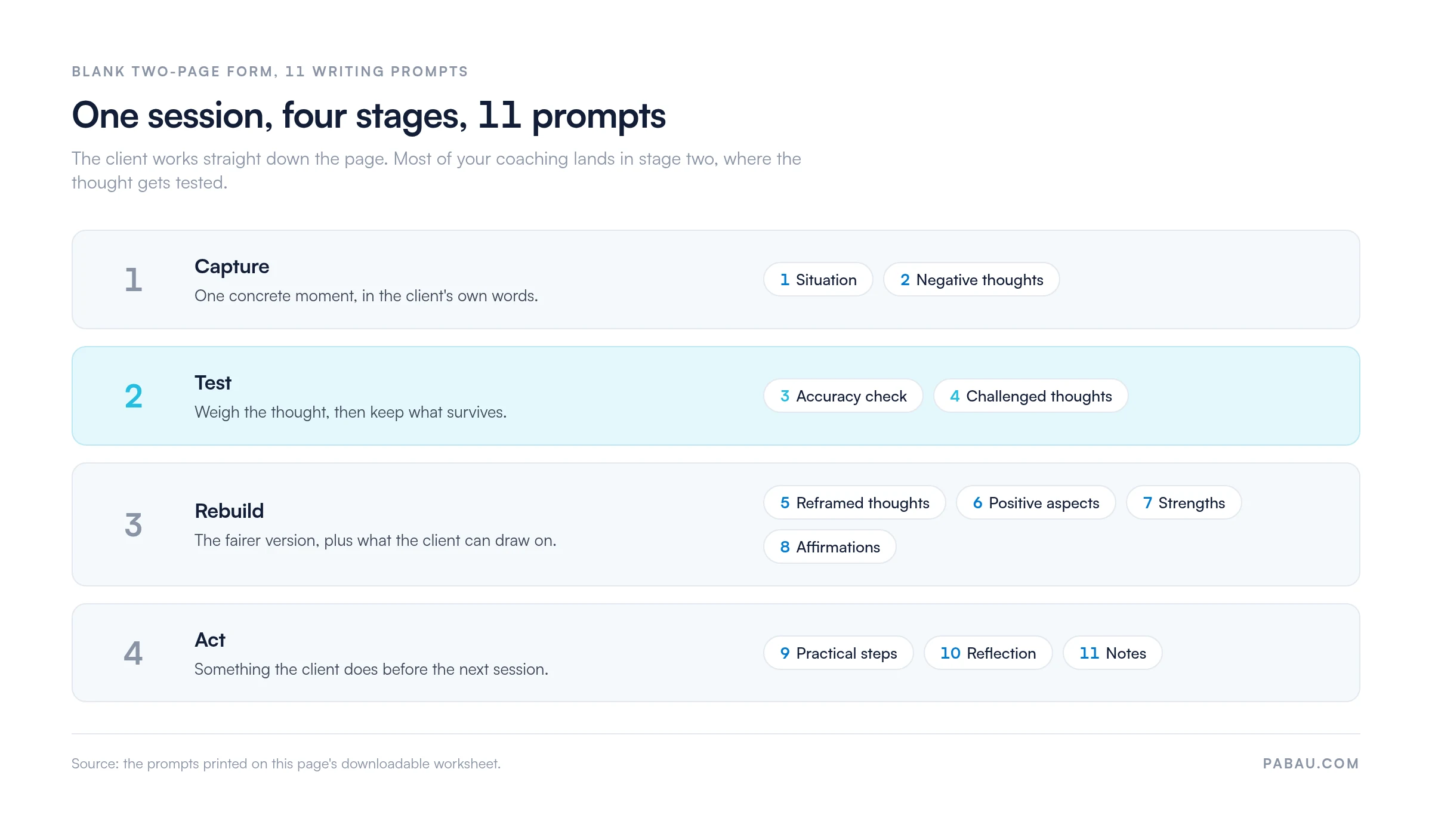
Header fields for the date, practitioner, and client sit above the prompts. Fill those in yourself before the client starts writing.
Two minutes of checking saves a wasted week of homework. Before a client takes the form away, confirm all five:
Plan around one absence. The form carries no distortion checklist, and no columns for evidence for and against. If you teach distortion labels, name them yourself while the client works on the accuracy prompt. They can write each label beside the thought it belongs to.
Once the sheet comes back, therapy workflow management systems let you attach it to the session note. The work then sits with the record of the session it came from.
Adults and older adolescents, roughly 14 and up, get the most from it. The prompts assume a client who can watch their own thinking and write about it. Across that group, five presentations come up again and again:
It holds up in individual sessions, group work, couples work, and self-guided use with proper psychoeducation first.
Most automatic thoughts fall into a handful of patterns. The seven below cover the bulk of what you will hear. Keep the table open when a client stalls on the accuracy prompt.
Naming the distortion often does work on its own. The label gives the client something to hold at arm’s length, which is enough distance to examine the thought.
The download arrives blank, so model it first. Each example below follows the sheet’s own prompts.
Social anxiety. Situation: a conversation where nothing came to mind. Thoughts: “I’m awkward. Everyone thinks I’m boring.” Accuracy check: all-or-nothing thinking plus mind-reading, when people did ask questions and the conversation ran 20 minutes. Reframe: “I was quieter than usual, and one quiet hour doesn’t make me boring.”
Work performance. Situation: a manager asked for a revision. Thoughts: “I’m incompetent. I’ll be fired.” Accuracy check: catastrophizing, since revisions are routine and the last review raised no concerns. Reframe: “Revisions are part of the job. I can fix this and resubmit.” Practical step: ask which sections need work.
Interpersonal conflict. Situation: a friend took three hours to reply. Thoughts: “They’re angry. They hate me now.” Accuracy check: personalization plus mind-reading, with no sign of anger and plenty of ordinary reasons for a slow reply. Reframe: “My friend is probably busy.” Practical step: ask them tomorrow if the worry is still there.
Each reframe is specific, evidence-led, and small enough to act on. Homework like that is one of the few patient engagement strategies that survives a bad week.
Four failure patterns show up often enough to plan for. Each one has a quick fix.
Session time back. The client writes while you watch, then you discuss what they wrote. That runs faster than talking a thought apart from scratch.
Documentation that shows the work. A completed sheet records which cognitive work happened, and when. It supports treatment planning. It also helps you meet record-keeping standards under HIPAA in the US and GDPR in the UK.
Homework that transfers. Clients who fill a sheet in the moment practice reframing where the thought lives, not where the therapist is. With secure client resource sharing, you can assign the form and see who has finished it.
Progress you can measure. Reframes are dated text. Read three months of them in a row and the shift in realism is visible on the page.
Individual work. Introduce the form when the client reports one specific anxious or low thought. Do the first two sheets together, then send it home.
Group work. Give each member their own situation, let them write, then read the reframes out. Peers offer reframes the writer never considered, and the room sees that distorted thinking is common rather than a personal defect.
Homework rhythm. One or two sheets a week is plenty. Ask for a sheet when a thought genuinely bites, rather than on a schedule.
Treatment plans. Tie the form to a named goal, then review it weekly. “Reduce anxiety about public speaking: complete a sheet whenever a speech-related thought arrives.”
The form is one intervention, not a substitute for assessment. A licensed therapist, counselor, or coach still has to judge whether cognitive work fits the picture in front of them.
Refer the client to urgent support, whether that is a crisis line, an emergency department, or a same-day appointment, if any of these appear:
Carrying several high-risk clients at once takes something out of you as well. Our notes on therapist burnout prevention are worth a read before you take on more.
This is one of dozens of forms you hand out across a month. Printing them, filing them, and chasing the ones that never come back is a quiet drain on the week.
Pabau is practice management software built for practices like yours. Upload the reframing worksheet once, then use digital worksheet distribution to send it out through secure client resource sharing. The client completes it online, the copy lands in their record, and you can open it in the next session.
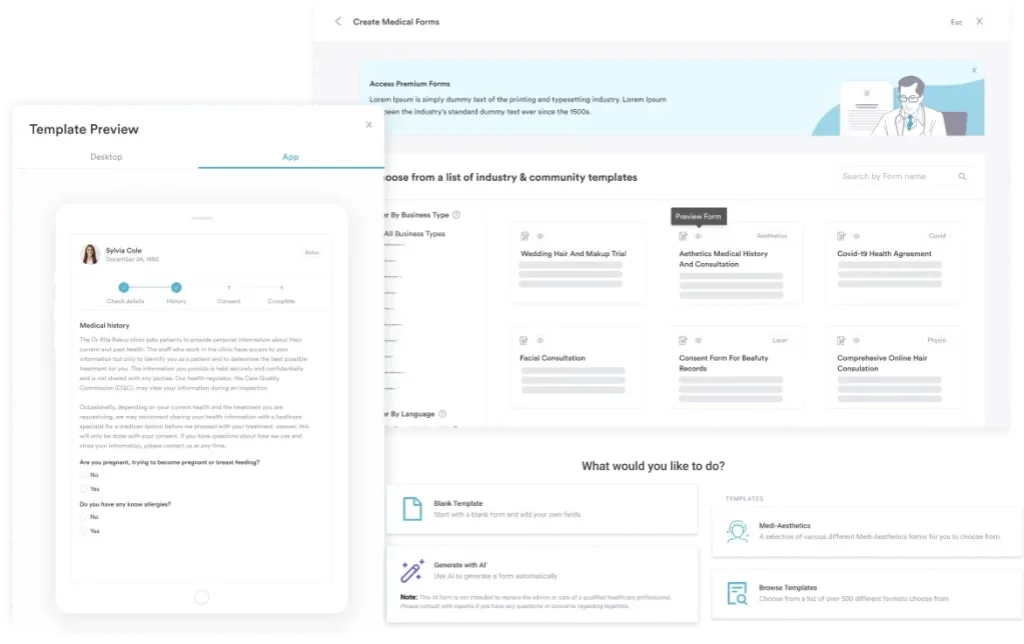
You can also let clinical workflow automation handle the sending. Attach the form to an appointment type so it goes out on its own, or add it to the pre-appointment steps a client works through. Pabau then tracks who has completed which form, so nobody drops off your homework list unnoticed.
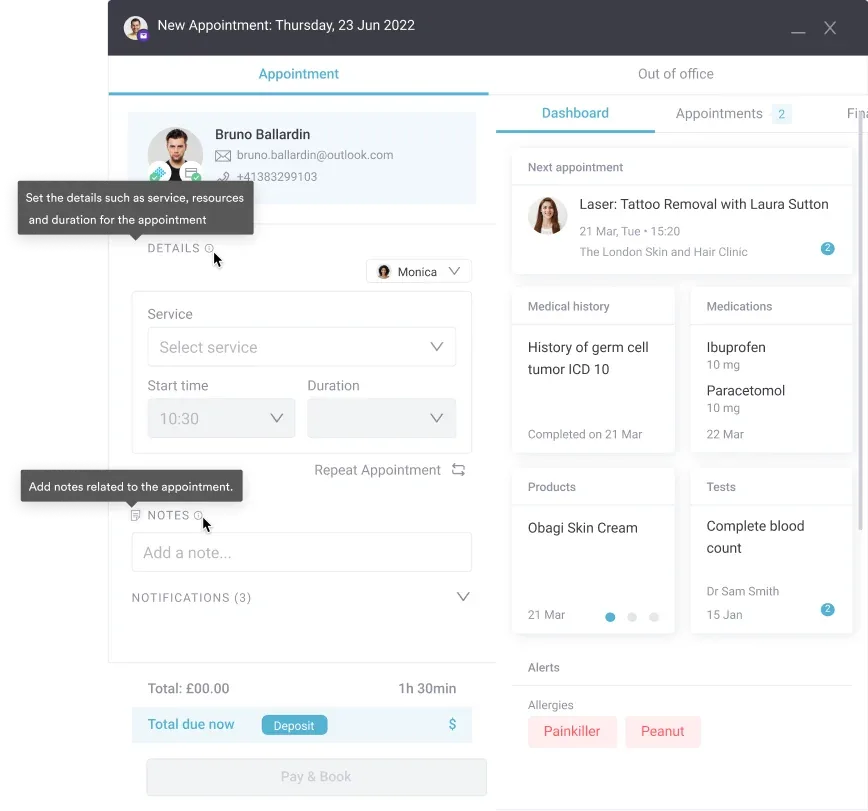

Pabau’s digital forms and client portal let you assign the reframing worksheet and see who has completed it. The finished copy stays in the client record. Book a demo to see it on your own workflow.

Reframing fails quietly. The client agrees in the room, then the old thought wins on Wednesday night. A blank form with 11 prompts is the cheapest defense against that, because it holds the sequence when you are not there.
So pick two clients this week, model the first four prompts with each of them, and agree where the finished sheets will live. Two sheets and a filing habit beat a folder of blank PDFs.
Want that filing to happen on its own? Book a demo with Pabau to see how the forms you hand out get assigned, tracked, and filed against the client record.

Need a plan for the sessions reframing cannot carry? Crisis intervention strategies for clinicians covers the de-escalation steps to reach for first.
Want the baseline that reframing works against? Psychiatric evaluation template captures the history and symptom picture before you pick an intervention.
Not sure how a completed sheet reaches your notes? SOAP notes for social work shows where worksheet outcomes belong in the record.
No. Cognitive restructuring is the whole method, from spotting a thought to testing it and rebuilding it. Reframing is the rebuilding step. The form walks a client through both halves, which is why it sits comfortably inside a wider CBT plan.
One or two sheets a week suits most clients. Ask for one when a thought genuinely bites, rather than on a fixed schedule. Daily sheets tend to get copied from the last one, and the entries get thin.
Go back to the accuracy prompt and ask what they would say to a friend in the same position. Write their answer down word for word. A rough reframe in the client’s language beats a polished one in yours.
Not as written. The wording assumes a client who can observe their own thinking, which is roughly 14 and up. Younger children do better with drawing-based thought records and shorter prompts, worked through with you rather than at home.
Treat it as clinical record, so your usual consent, storage, and retention rules apply. Tell the client where the sheet will live and who can read it. Clients rarely object once they know, and it prevents an awkward deletion request later.