Stroke impact scale: Free PDF, scoring and MCID by domain
The stroke impact scale (SIS) is a 59-item questionnaire in which stroke survivo...

2
Last Updated: Oct 13, 2026

The free printable covers 14 external body parts plus five internal organs, for learners from preschool through grade 2.
Four activity formats sit in one file: labeling, matching, fill-in-the-blank, and cut-and-paste.
Three versions are included, so preschool, kindergarten, and English language learners each get the right level.
An answer key and teacher notes come with the download, so marking a class set takes seconds.
Practices can send and store the completed sheet against a client record using practice management software like Pabau.
This file bundles labeling, matching, fill-in-the-blank, and cut-and-paste activities covering 14 external body parts and five internal organs. Preschool, kindergarten, and ESL versions are included, plus a full answer key and teacher notes.
Download templateTeachers, therapists, and ESL instructors reach for a parts of the body worksheet more than almost any other early-years printable. It builds anatomical vocabulary, body awareness, and the first layer of health literacy.
This free download covers external anatomy and internal organs in the same file. You get four activity formats, three grade-level versions, and an answer key, so nothing else needs sourcing.
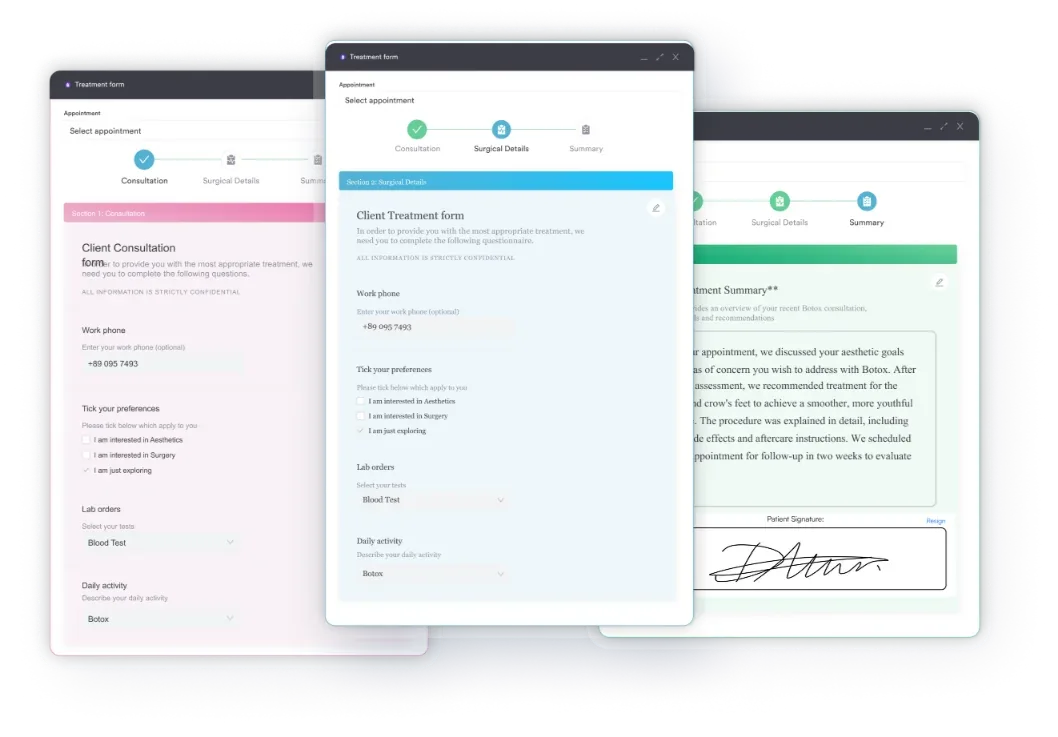
The download bundles four activity formats, so one file covers several learner needs.
Every version ships with the answer key, so you can mark work quickly and spot who needs another pass.
The worksheet covers the 14 external body parts that anchor most early anatomy curricula. The table below shows the grade level where each one usually appears. Terms like wrist and elbow also matter to occupational therapy teams, who need precise language in an assessment.
Many printable body-part sheets stop at the skin. This one adds a dedicated internal section covering the heart, lungs, brain, stomach, and liver.
Students label each organ and read one line on what it does. That sets up the idea that the body has depth, which makes later anatomy work far less abstract. Practitioners who need the adult vocabulary for the same structures can keep a medical terminology reference alongside it.
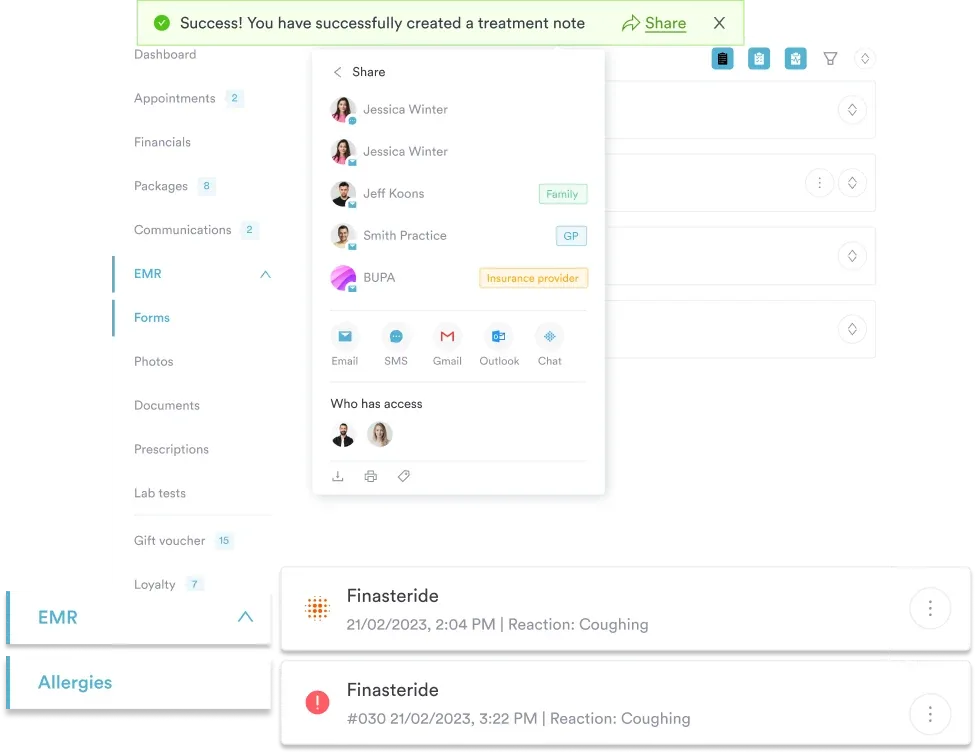
Naming is only half the job, so each body part carries a plain-language function line.
Teaching function next to location turns the sheet into a health lesson rather than a vocabulary drill. Pair it with the nutrition label worksheet if you are building a wider health unit.
Five steps get the most out of a single printing.
Three versions ship in the same file, so a mixed-age group is covered. The preschool sheet uses bigger images and fewer parts. The kindergarten sheet adds a full word bank and guided writing lines. The ESL sheet leans on pictures, pronunciation notes, and matching.
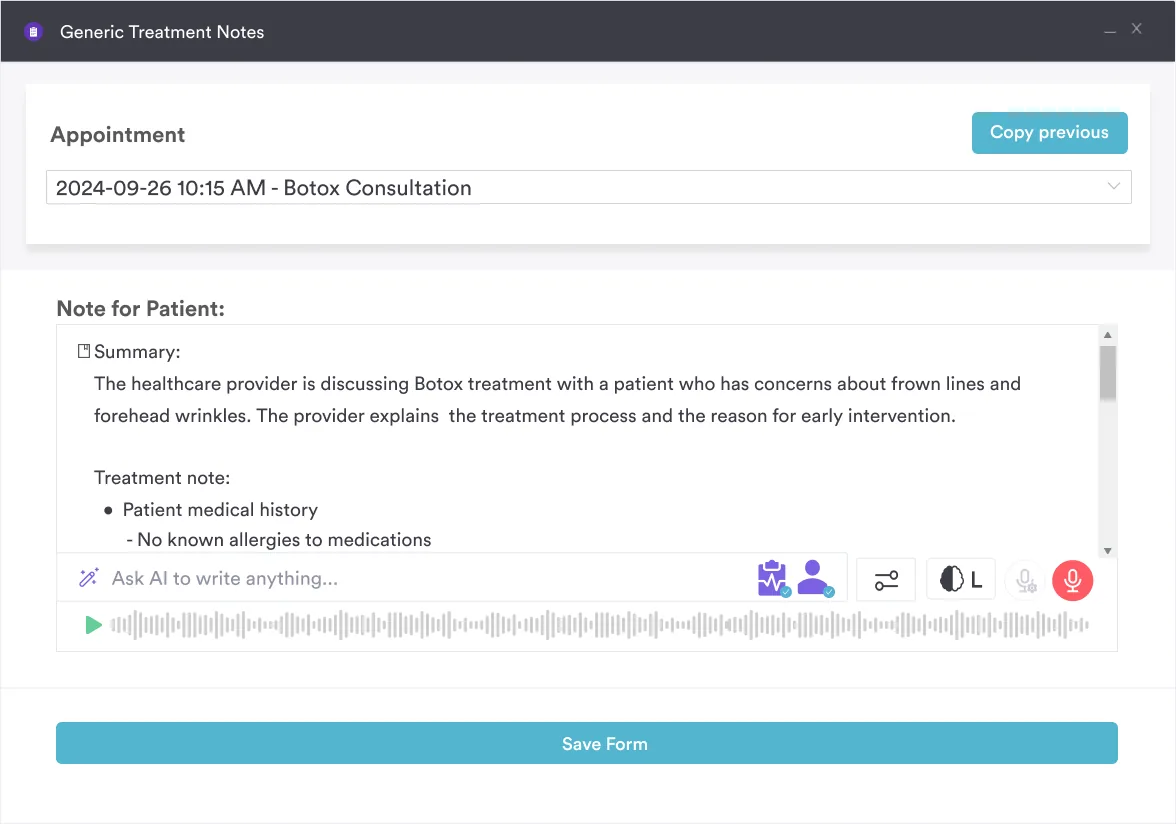
The preschool sheet keeps to the six largest external parts: head, arms, legs, hands, feet, and belly. Activities stay at cut-and-paste and color-and-label, so writing is never the barrier. Most children this age can point to and name a handful of parts on request, a milestone tracked in the ASHA development chart.
The kindergarten sheet extends the scope to 14 body parts and asks students to write the labels from a word bank. They trace dotted letters or write freehand, which builds fine motor control and spelling together. A matching variant lets students who are not writing yet still show what they know.
English language learners do best with picture-word matching and a clear pronunciation cue. This version keeps text to a minimum, color-codes the word bank, and adds simple pronunciation guides.
Instructors tracking single-word vocabulary can line it up against a picture vocabulary test. Speech therapy practices use the same format when a client is rebuilding everyday nouns.
The answer key shows a completed version of every activity type, so marking takes seconds. Teacher notes on the last page map the progression from preschool to grade 1. They also suggest differentiation and list extension ideas for students who finish early.
The worksheet arrives as one PDF sized for both A4 and US Letter. There is no sign-up, no email capture, and no paywall. Print a full class set or a few copies for small group work, whichever the lesson needs.
Laminate a class set and hand out dry-erase markers. Students can label the diagram, wipe it, and label it again, which gives you repeated practice from one printing. Practices running the same education session every week get the same saving.
Therapy and health practices usually hand a sheet like this over on paper at the end of a session. The copy goes home, it gets lost, and nobody records which version the client worked through.
Practice management software like Pabau keeps the handout with the client record instead. You attach the worksheet to the client’s file and send it to the client portal ahead of the visit.
The next clinician opens the record and sees which sheet the client already completed. That saves repeating an activity, and it keeps education work in the same place as the clinical records. Practices using digital intake forms can collect the finished sheet back the same way.

Pabau keeps handouts, intake forms, and treatment notes in one client record. Your team can send a worksheet before the visit and see what came back after it.

Print the version that matches the group in front of you, not the most complete one. A preschooler who fills in six parts with confidence has learned more than one who copies 14 labels and remembers none.
The internal organs section is where this sheet earns its keep. It gives you somewhere to go when a child asks what sits under the skin, and it sets up the anatomy work of later grades.
If your practice hands out education material like this every week, the filing is the part that costs you time. Book a demo to see how Pabau sends, stores, and tracks client handouts in one place.

Curious what massage therapists earn? massage therapist salary guide breaks down pay by employment model, location, specialization, and client volume.
Scoring a lateral step-down test? lateral step down test scores five criteria on a 6-point scale from good to poor.
Testing a patient’s static balance? modified Romberg test adds a 30-second time estimate to the classic balance exam.
Working with a client on visual attention? Visual scanning worksheet uses the same label-and-locate format for scanning practice.
Looking for the next printable in the sequence? Life skills worksheet moves from naming the body to looking after it.
A parts of the body worksheet teaches children to identify, name, and locate the major external and internal body parts. It does that through diagrams, labeling exercises, matching activities, and fill-in-the-blank tasks. Preschool through grade 2 classrooms, therapy settings, and ESL instruction all use it to build vocabulary and body awareness.
Yes. This template is a completely free printable covering external body parts, internal organs, functions, and several activity formats. No account, email, or subscription is required. Download it and print immediately.
Preschoolers aged 3 to 4 usually master the six largest external parts: head, arms, legs, hands, feet, and belly. Kindergarten and grade 1 students expand to 14 parts, adding neck, shoulders, elbow, wrist, chest, stomach, knee, and ankle. Internal organs such as the heart, lungs, brain, and stomach come in from grade 1 onward.
Picture-word matching, pronunciation guides, and minimal-text formats work best. This worksheet includes an ESL variant with color-coded word banks, simplified sentence frames, and matching exercises. Those build vocabulary without asking for advanced reading fluency.
Yes. The download includes a complete answer key with correct responses for every activity format and grade-level variant. Teacher notes on differentiation and extension strategies come with it.
Yes. Speech-language pathologists, occupational therapists, physical therapists, and nurses use it for body awareness and health literacy work. It also helps when preparing a patient for a procedure. The internal organs section is especially useful for explaining how the body works during treatment planning conversations.