Fun journal prompts for adults
Fun journal prompts for adults are short, open-ended questions that make sitting...

Last Updated: Oct 6, 2026

A food journal is a weekly record of what a patient eats and drinks at breakfast, lunch, dinner, and snacks.
The downloadable template is a blank weekly form. It carries one field for the week being recorded and four meal fields for each day, Monday through Sunday.
The form asks the patient to write entries daily and hand the whole week in at the end. Patterns then show up across seven days instead of one meal.
Open text fields suit a first assessment better than calorie columns. You learn timing, portions, and context before you set any numeric targets.
Pabau’s digital forms and client records let nutrition practitioners send the same food journal to every patient and keep completed weeks on the patient file.
A blank weekly food record with one field for the week being logged. Each day from Monday to Sunday gets separate Breakfast, Lunch, Dinner, and Snacks fields. It opens with the instruction the patient needs. Fill it in daily, then hand the full week in at the end.
Download templateA food journal records what a patient eats and drinks across one week, meal by meal. The template above is the blank form itself. This page covers what belongs in each field, how to read a finished week, and how to fold the record into a nutrition consultation.
The layout is deliberately plain. There are no calorie columns, no macro totals, and no symptom scores. Each day gets four open fields for breakfast, lunch, dinner, and snacks, plus one line at the top for the week being recorded.
That simplicity earns its place at the start of a program. A patient who has to look up numbers for every meal usually stops logging within days. A patient who just writes down what they ate keeps going, and you get seven honest days instead of two precise ones.
A food journal is a written record of the food and drink a patient takes in over a set period, usually one week. The patient logs meals as they happen. You read the completed record and use it as the starting point for a dietary plan.
The form explains that job to the patient in its opening lines. It says the record helps the two of you see patterns in the diet together. The program you design then fits their needs rather than a generic template.
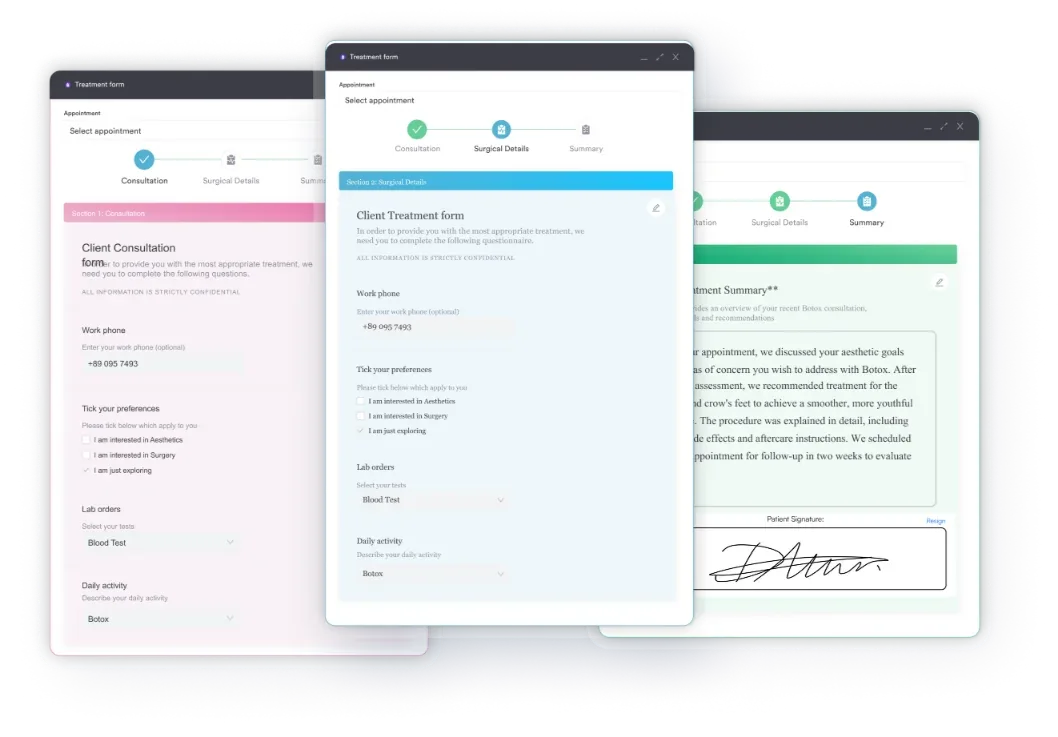
Practices that run on practice management software like Pabau send this out as a digital intake form rather than a printout. The patient fills it in on their phone through the week, and the finished record lands on their file.
The download is a blank weekly form, not a worked example. Here is what you get when you open it:
Every field is open text. That leaves the level of detail up to you and the patient. Agree on what a good entry looks like before they start. The table below is the brief we would give a first-time logger.
Notice what makes those entries useful. Each one names the food, gives a rough portion, and adds a time. None of them needs a kitchen scale.
Print it, share the PDF, or send it as a digital form. The habit you are building matters more than the format:
For practitioners running several patients through this at once, automated workflow reminders take the chasing off your front desk. The patient gets the nudge, and you get the completed week without a phone call.
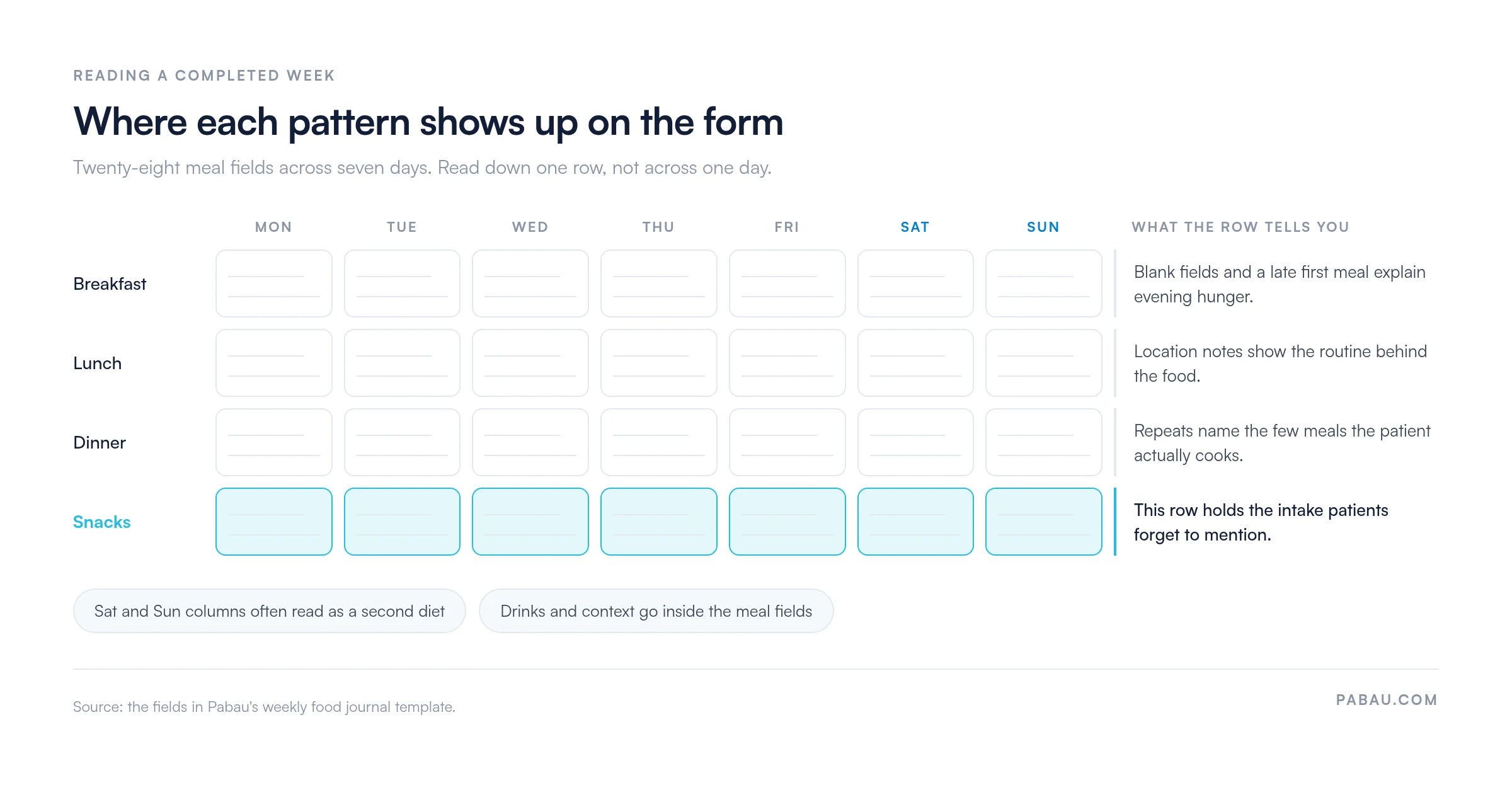
A completed food journal answers questions a consultation rarely gets to. Read the week down the page rather than day by day, and these patterns surface fast:
The grid below maps those patterns onto the part of the form where each one appears.
Start by asking the patient what they noticed. People spot their own patterns while they write, and their answer often points straight at the change worth making.
Then pick two changes, not ten. A journal makes it tempting to comment on every meal, but a week only supports a couple of realistic swaps. Write those two into the plan and set the next review a week or a month out.
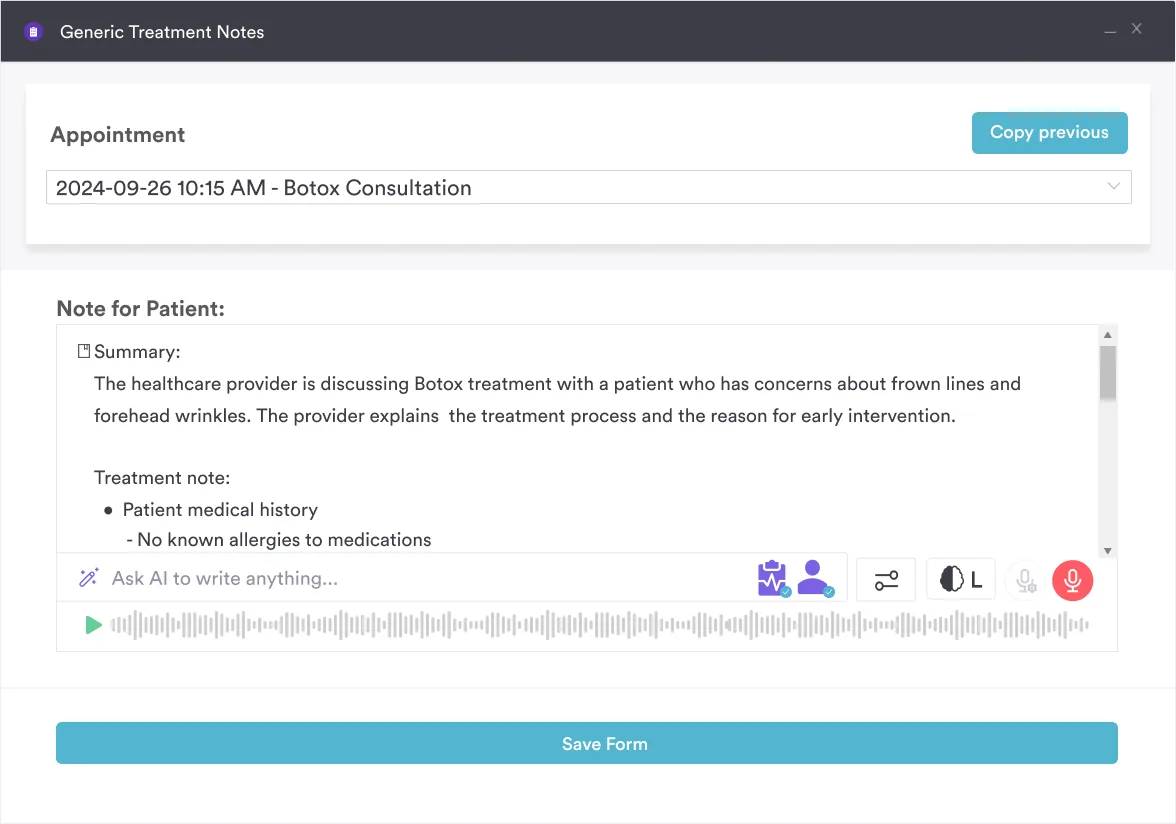
Keep the completed journal on the record next to your notes. When the patient logs another week later, the comparison is the evidence that the plan is working. AI-assisted clinical documentation can draft the note while you talk, so the review is written up before the patient leaves.
The form is general enough for any practitioner who needs to see a patient’s diet before advising on it:
Weight management and metabolic programs get the most out of the form. A dated baseline week is what every later week gets measured against. Weight loss clinic software keeps that whole run of weeks on one patient file.
You see the week the patient had, not the week they remember. Recall interviews miss snacks, drinks, and portion creep. A daily log catches them because it is written at the time.
The first consultation gets shorter and sharper. With the record in front of you, the appointment goes straight to the two or three changes worth making. You skip the interview about last Tuesday.
Patients notice their own habits. The act of writing an entry before eating is itself an intervention. Many patients cut a snack or move a meal in week one without being asked.
You get a baseline to measure against. One dated week before the plan starts turns every later week into a comparison, which makes progress visible to the patient.
The record stays with the patient file. Completed forms kept on the record let the next practitioner read that week for themselves.
Ask for one baseline week before you change anything. A week logged under the patient’s normal routine gives you something to compare the next month against. It also shows the patient where their own habits sit before any advice lands.
On paper, this form takes four hand-offs. You print it, the patient takes it home, it comes back as a photo on their phone, and someone files that photo somewhere. By the follow-up, half the weeks are missing and nobody can compare them.
Pabau turns the same form into a digital intake form you send once and reuse for every patient. They complete it through your online booking portal, and the finished week attaches itself to their record. Your notes, their plan, and last month’s journal all sit on the same file.
Reminders handle the part practitioners dislike most. Automated messages nudge the patient midweek and again before the appointment, so you stop spending Friday afternoons chasing forms. When the week does come in, it is already where you need it.
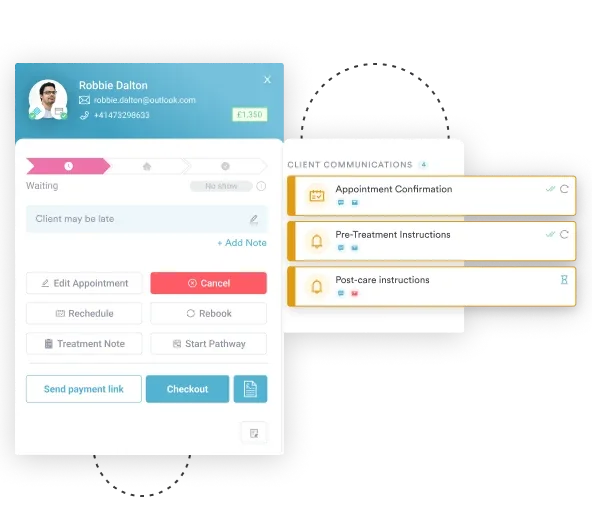

Pabau’s digital forms and client records let you issue the same weekly food journal to every patient. Chase the ones who forget, and read past weeks next to your treatment notes.

A food journal is only as good as the week the patient is willing to write. This form is built for that reality. Four open fields a day and no arithmetic means the record usually comes back finished. A finished week beats a precise log abandoned on day three.
So date the week, ask for meals rather than numbers, and read the seven days as one picture. Then pick two changes and log another week to see whether they held.
Download the template above and send it out ahead of your next nutrition consultation. Book a demo to see how Pabau sends patient forms and chases the late ones. Every completed week stays on the patient record.

Building a plan from the week you just read? Lowering cholesterol meal plan sets out a seven-day table of meals and the nutrient targets behind it.
Patient asking what to put in the cart? Keto grocery list organizes low-carb foods by category and explains the net carb math behind them.
Need a structured starting phase? South Beach diet phase 1 food list shows which foods are in and out for the first two weeks of the plan.
A food journal is a written record of the food and drink a person takes in over a set period, usually a week. This template logs breakfast, lunch, dinner, and snacks for each day from Monday to Sunday. Practitioners read the completed week to see dietary patterns and build a nutrition plan around them.
Write the week being recorded at the top, then log each meal as you eat it rather than at the end of the day. Name the food, give a rough portion, and add the time. Drinks go in the field for the meal they came with, and anything between meals goes under Snacks.
No. This template has no calorie or macro columns on purpose. At a first assessment, timing, portions, and context tell you more than numbers, and open text fields keep patients logging for the full week. Add numeric targets later, once the pattern is clear.
They read the week as one picture rather than day by day, looking for skipped meals, snack intake, drinks, weekend shifts, and repeated meals. The review then turns into two or three realistic swaps. The journal stays on the patient record as the baseline for later comparison.
Not in this form, which has fields for meals only. If you are investigating digestive symptoms or intolerances, ask the patient to note symptoms and their timing next to each entry. You can also pair the journal with a separate symptom diary.