CRM for chiropractors: how to manage patients, bookings and marketing
A CRM for chiropractors is a patient relationship management system built around...

Last Updated: Oct 13, 2026

A clean eating meal plan prioritizes whole, minimally processed foods: vegetables, fruits, lean protein, whole grains, nuts, and seeds.
A structured seven-day plan reduces decision fatigue and makes dietary change significantly easier to sustain for most patients.
Clean eating can support weight loss by naturally reducing caloric density without requiring strict calorie counting.
Practice management software like Pabau lets wellness practitioners assign this plan and track patient measurements directly within the patient record.
Most patients already know they should eat better. What they’re usually missing is structure, not motivation. A clean eating meal plan gives patients a concrete, day-by-day framework built on whole foods rather than restriction, so adherence becomes far more achievable. This guide explains what the plan includes, how practitioners can use it with patients, and which settings benefit most.
A ready-to-use meal planning template covering a 7-day breakfast, lunch, dinner and snack schedule, a whole foods reference list, meal prep guidance, and goal-specific adaptation notes for weight loss, muscle gain, and vegetarian diets.
Download templateA clean eating meal plan is a structured dietary guide that prioritizes whole, minimally processed foods while limiting or excluding ultra-processed products, refined sugars, and artificial additives. It is not a fad diet or a calorie-restriction protocol. The focus is on food quality rather than food quantity.
In the nutrition and wellness field, clean eating broadly describes an approach centered on nutrient-dense, minimally processed foods including vegetables, fruits, whole grains, lean proteins, and healthy fats from nuts and seeds. This aligns closely with the Harvard Healthy Eating Plate model, which nutrition researchers cite as one of the strongest evidence-backed dietary frameworks available.
Clinically, clean eating is relevant across multiple specialties. Practitioners working in longevity care, metabolic health, weight management, and functional medicine regularly use structured meal plans as part of a broader lifestyle intervention protocol.
The template is designed for practitioners to assign during a consultation, then have patients complete and return it for review. Practitioners using digital intake forms can attach the plan directly to the patient record for seamless workflow integration. Here are the five steps for clinical use:
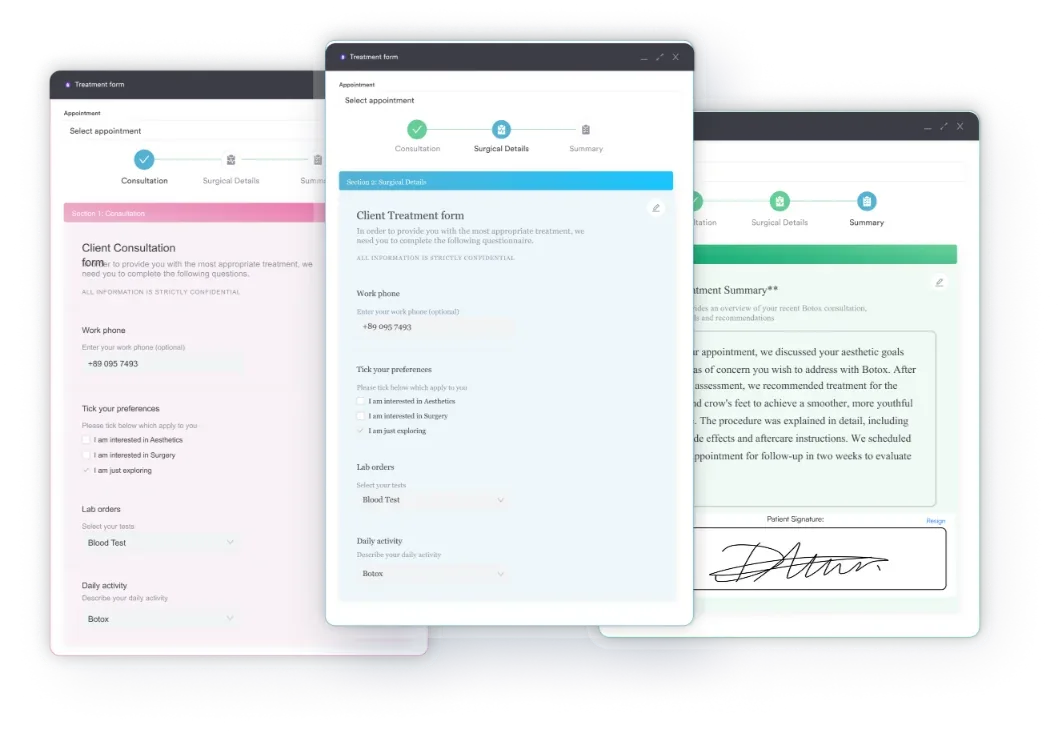
In functional medicine settings, the plan integrates naturally with wider lifestyle protocols covering sleep, movement, and stress management.

Pabau lets you assign dietary templates, track patient measurements, and document follow-up notes without switching between tools. See how it works for wellness and weight management practices.

This template is broadly applicable across any practice where dietary behavior is a meaningful part of patient outcomes. It is not restricted to specialist nutrition practices. The following settings find it most useful:
Practices operating across wellness clinic software environments benefit particularly because the plan’s format is consistent enough to standardize across multiple practitioners and locations.
Standardizing dietary guidance through a consistent template changes the clinical experience for both practitioner and patient. Here are the core benefits:
Attach the completed meal plan to the patient’s digital record rather than keeping it as a standalone PDF. When paired with pre- and post-care instruction workflows, this creates a full dietary audit trail accessible at every subsequent appointment.
Weight loss is one of the most common reasons patients seek a clean eating framework. The evidence supports its use, though the mechanism is worth understanding clearly.
Clean eating does not produce weight loss by magic. It works primarily by replacing calorie-dense, low-nutrient processed foods with higher-volume, lower-calorie whole foods. Vegetables, legumes, and whole grains are more satiating per calorie than refined alternatives, which naturally produces a modest caloric deficit for many patients without active counting.
Research cited by the Mayo Clinic supports whole-food dietary patterns as effective for long-term weight management in the absence of underlying metabolic conditions.
Practitioners should set realistic expectations. Weight loss from dietary change alone typically ranges from 1 to 2 pounds (0.5 to 1 kilogram) per week for patients in a consistent caloric deficit, according to general clinical guidance. Individual variation is significant and depends on baseline diet, activity level, sleep quality, and metabolic health.
For patients with insulin resistance, PCOS, or thyroid disorders, refer to specialist guidance before relying solely on dietary modification. See our overview of metabolic health interventions for a more detailed framework.
Practices with a specific weight management focus benefit from tracking dietary adherence alongside clinical measurements, which gives far richer data for patient reviews than either metric alone.
Linking pre- and post-care instructions to each appointment also ensures patients receive the right dietary guidance before and after procedures or consultations, keeping nutritional support consistent throughout their care journey.
Dietary change stalls without structure. Verbal advice during a consultation rarely survives the first grocery run. A well-designed clean eating meal plan gives patients a concrete framework they can act on immediately, and gives practitioners a consistent, documentable tool they can assign across their entire patient base.
Pabau’s digital forms, measurements tracking, and automated follow-up tools mean practitioners can assign the plan, monitor patient progress, and document dietary outcomes without switching systems. If you want to see how Pabau supports nutrition-focused practices end to end, book a demo with the team.

Ready to cut added sugar completely? 2-week no sugar meal plan gives patients a 14-day meal plan, food list, and tips for managing sugar cravings.
Looking for a broader clinical framework for metabolic patients? Metabolic health interventions covers the clinical evidence behind dietary and pharmacological pathways.
Looking for a longer-term structured plan? 21-day weight loss plan combines daily meal guides, exercise schedules, and progress tracking for sustainable weight management.
A clean eating meal plan is a structured dietary guide built around whole, minimally processed foods including vegetables, fruits, whole grains, lean proteins, and healthy fats. It focuses on food quality rather than strict calorie targets, making it practical for a wide range of patients including those with weight management, metabolic health, or general wellness goals.
Yes, clean eating can support weight loss for many patients by replacing calorie-dense processed foods with more satiating whole foods, which naturally produces a modest caloric deficit. Results vary based on baseline diet, activity, and metabolic health. Practitioners should note that patients with conditions such as insulin resistance or thyroid disorders may need additional specialist support alongside dietary changes.
Begin by reviewing the patient’s dietary history and identifying any food allergies, intolerances, or contraindications. Then assign the template, personalize the goal column (weight loss, wellness, or vegetarian), walk through Day 1 together during the consultation, agree on a weekly meal prep day, and schedule a follow-up check-in at the end of week one.
Not exactly, though the two overlap significantly. Both emphasize whole grains, vegetables, fruits, legumes, and healthy fats while limiting processed foods. The Mediterranean diet is a more precisely defined pattern tied to specific regions and culinary traditions. Clean eating is a broader philosophy that encompasses similar principles but without the geographical or cultural specificity.
Yes, the Pabau Clean Eating Meal Plan template is available as a free PDF download. Practitioners can download it, print it, or share it digitally with patients. It covers a full 7-day meal schedule, a whole foods reference list, meal prep guidance, and goal-specific adaptation notes.