Journal prompts for mental health
Journal prompts for mental health are guided questions that help people process ...

2
Last Updated: Oct 13, 2026

An identifying emotions worksheet helps clients name and understand their feelings using structured prompts, emotion vocabulary, and body awareness exercises.
Naming feelings is the first step toward managing them in CBT and DBT frameworks for emotional regulation.
The worksheet works for adults, teens, and children in therapy, school counseling, and self-guided emotional awareness practices.
Pabau’s digital forms let therapists embed identifying emotions worksheets directly into client records and treatment plans for seamless documentation.
A printable therapeutic tool covering emotion vocabulary, an emotion wheel, body-sensation mapping, and feelings check-in prompts for individual and group sessions.
Download templateAn identifying emotions worksheet gives clients a structured way to name what they feel, using an emotion wheel, a vocabulary list, and body-sensation prompts. It is not a diagnostic tool or a full DBT skills manual.
This article covers what the worksheet contains, who it works for, and how to use it in session. That way, the results feed directly into your treatment notes.
An identifying emotions worksheet is a structured therapeutic tool designed to help individuals recognize, name, and understand their emotional experiences. The worksheet combines emotion vocabulary, visual frameworks like the emotion wheel, and body-awareness prompts to guide clients toward emotional literacy. Emotional literacy means the ability to understand and communicate feelings accurately. In clinical practice, therapists use it as a foundational skill-building exercise in CBT, DBT, and person-centered therapy approaches.
These worksheets serve multiple clinical functions, especially when stored in mental health EMR software instead of loose paper files:
The worksheet format makes emotion identification concrete and non-threatening, especially useful for clients who struggle to articulate internal experiences verbally.
Emotion identification is the cornerstone of emotional regulation. According to the Linehan Institute’s DBT framework, recognizing and naming emotions is the prerequisite skill that precedes all other emotion regulation strategies. When clients cannot identify what they feel, they cannot regulate it. The identifying emotions worksheet teaches the vocabulary and awareness clients need to move from emotional confusion to emotional clarity.
Research in emotional intelligence shows that individuals who can accurately label their feelings demonstrate better emotional coping and therapeutic outcomes. Therapists working in school settings, private practice, and hospital-based mental health services rely on emotion identification worksheets as a foundational assessment and teaching tool.
The Pabau identifying emotions worksheet includes four core sections designed to guide clients through progressively deeper emotional awareness:
The identifying emotions worksheet is applicable across age groups and clinical settings. Its effectiveness depends on adapting it to the specific audience.
Adults benefit most from the full worksheet when presenting with emotion regulation difficulties or trauma histories. It also helps with conditions involving emotional avoidance, such as depression or anxiety disorders. Therapists often introduce the worksheet in the second or third session to document a baseline in the client’s medical records and track progress over time. The detailed emotion vocabulary and body sensations sections resonate with adult clients navigating complex emotional landscapes.
For children under 12, school counselors and therapists use simplified versions emphasizing the emotion wheel with basic primary emotions and concrete body-sensation language. Adolescents ages 13 to 17 can engage with the full worksheet, particularly when working on emotion regulation skills for ADHD, anxiety, or mood challenges. Group therapy and classroom-based social-emotional learning programs, often run through therapy practice management software, frequently incorporate identifying emotions exercises adapted for developmental appropriateness.
Effective use of the identifying emotions worksheet follows a structured introduction-practice-debrief sequence:
For DBT-focused practices, pair the identifying emotions worksheet with skills training in the emotion regulation module. For CBT practices, use the worksheet as a behavioral activation precursor. Identifying emotions often surfaces situational triggers that become the focus of cognitive work.
Emotion identification is not the end goal. It is the necessary foundation for emotion regulation. The DBT emotion regulation module teaches that clinicians must confirm accurate emotion labeling before teaching regulation skills. Once clients can name their emotions, they can apply specific regulation strategies:
The identifying emotions worksheet fits directly into treatment planning:
This data-driven approach strengthens accountability and treatment outcomes.
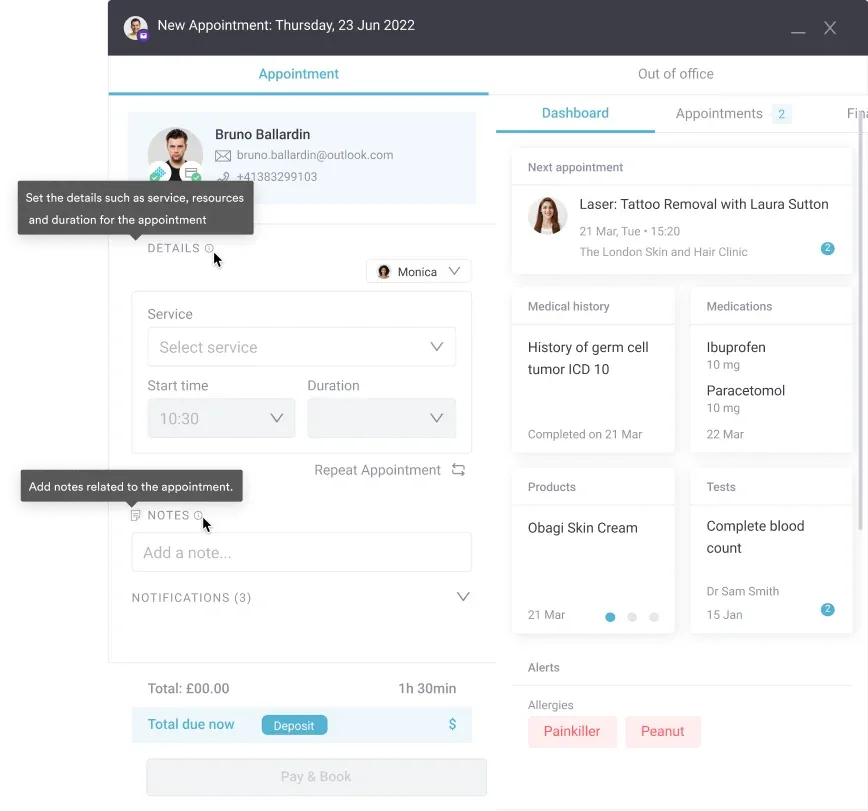
The strength of a standalone PDF worksheet is immediate accessibility. Its limitation is documentation fragmentation. Worksheets live in paper files or separate downloads, disconnected from treatment plans and clinical notes. Pabau addresses this through digital forms integration, enabling therapists to embed identifying emotions worksheets directly into client records.
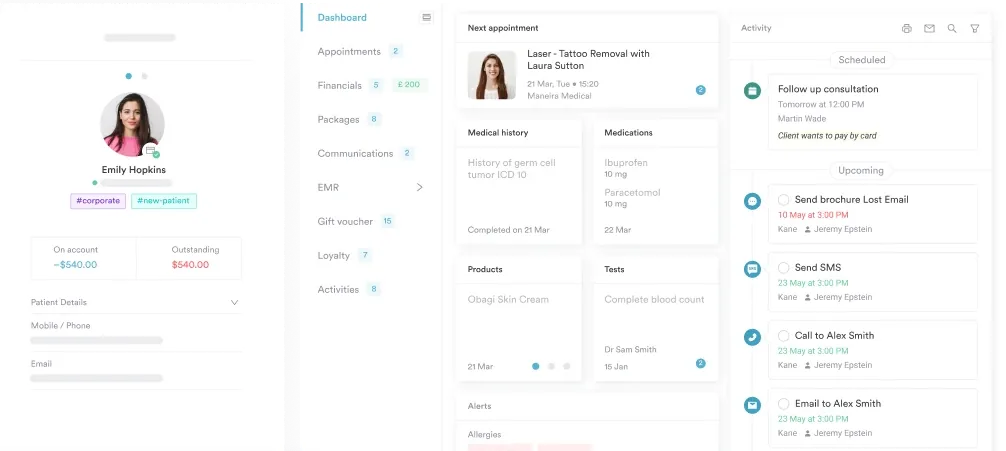
When a client completes the emotion wheel or body sensations mapping within Pabau, the responses populate the client’s clinical record automatically. This creates a longitudinal emotional awareness history that informs treatment planning and demonstrates progress over time.
Additionally, Pabau Scribe, our AI scribe, documents emotion identification findings directly into clinical notes without manual transcription. Therapists can reference worksheet completion and emotion patterns within session summaries and progress notes, maintaining continuity that standalone worksheets cannot provide.
For group therapy and school-based programs, digital form templates reduce printing costs and enable real-time data collection across multiple participants, supporting population-level emotional wellness tracking.

Pabau’s digital forms and Pabau Scribe connect completed worksheets to session notes automatically, freeing therapists from manual paperwork.

The identifying emotions worksheet turns vague emotional confusion into language a therapist and client can work with together. That shift, from “I feel bad” to a specific, nameable emotion, is what makes the later work of regulation possible.
Introduce it early, while trust is still forming, and revisit it whenever a client’s language reverts to generic labels. The pattern it reveals across sessions is often more useful than any single completed sheet.
For practices juggling paper worksheets alongside digital records, book a demo to see how Pabau keeps completed worksheets connected to the client’s treatment plan.

Need a structured emotion assessment tool? Psychiatric evaluation templates extend emotion identification into comprehensive mental health assessment frameworks.
Looking for clinical guidance on emotional processing? Crisis intervention strategies for clinicians show how emotion naming prevents escalation in acute mental health episodes.
Want to pair emotion worksheets with digital intake forms? Digital forms for therapy practices embed identifying emotions worksheets directly into client records for seamless documentation.
The identifying emotions worksheet teaches emotion recognition and labeling, foundational skills for emotion regulation. Therapists use it to help clients develop emotional awareness, increase emotional vocabulary, and recognize the physical sensations paired with specific feelings.
Yes. Children ages 6+ can use simplified versions focusing on primary emotions (happy, sad, angry, scared) and basic body sensations. Adolescents (13+) can engage with the full worksheet including secondary emotions, the emotion wheel, and complex feeling names.
In DBT, emotion identification is the prerequisite for emotion regulation skills training. In CBT, naming emotions clarifies the thoughts and situations triggering them, enabling cognitive restructuring. Both frameworks treat emotion identification as the gateway skill.
The emotion wheel is a visual, hierarchical framework showing how primary emotions (e.g., sadness) branch into secondary emotions (e.g., loneliness, disappointment). The vocabulary list is a flat reference of emotion names organized by intensity. Using both together gives clients visual and linguistic tools for the same skill.
For first-time skill building, introduce and practice in-session, then assign 3-7 daily check-ins as homework. After mastery, reduce frequency to twice weekly or as-needed. Track patterns to identify whether specific situations or triggers consistently activate particular emotions.
Yes. The Pabau identifying emotions worksheet is available as a free printable PDF download for therapists, counselors, and clients. No subscription or login is required to access the template.