EHR ROI: How to calculate and maximize your return
EHR ROI is the financial return a practice earns on its electronic health record...

Last Updated: Oct 15, 2026

A cleaning contract is a binding agreement that sets out the scope of work, the price, the schedule, and who covers damage.
Every cleaning contract needs eight sections, from party details and scope of work through to liability, termination, and confidentiality.
Residential contracts run $50 to $300 per visit. Commercial contracts often run $2,000 to $10,000 or more per month, with far higher insurance limits.
Practice management software like Pabau stores signed contracts on the client record, so the paperwork sits next to the booking history.
A ready-to-sign service contract covering party details, scope of work, service frequency, payment terms, liability, termination, and confidentiality. Fill in your rates and your client’s details, then send it out for signature.
Download templateA cleaning contract is the written agreement that says what you will clean, how often, for how much, and who pays when something breaks. Without one, every disagreement comes down to memory. The template above gives you all eight sections in one file.
This guide walks through what each section does and how to fill the form out for a new client. It also shows where residential and commercial contracts diverge on price, frequency, and insurance.
A cleaning contract is a binding agreement between a cleaning service provider and the client paying for the work. It sets out expectations, payment obligations, and responsibilities on both sides. Solo cleaners and multi-person teams work from the same core document.
The template is a starting point. You customize it with your business details, your client’s information, and your local legal requirements. IRS independent contractor guidance treats a written service agreement as one factor in establishing contractor status. So the contract settles the job and documents how you work.
A written contract protects revenue, limits your liability, and gives you a document to point at when a client disputes the job. Without one, arguments over scope, payment, and cancellation cost you time and money.
Revenue protection: A written contract tells clients they are committed to paying for scheduled visits. Payment terms and late fees are far easier to enforce once they are on paper.
Liability clarity: A liability clause keeps you off the hook for pre-existing damage and client-caused accidents. It also states what you do cover, such as breakage during your own cleaning work.
Professional standing: Clients take a cleaning business more seriously when it works from formal paperwork. A signed contract signals that you are established and insured.
Legal protection: Citizens Advice explains that agreeing a service creates a contract, even when the terms were never written down. Putting them on paper is what makes them easy to prove. In the UK, the Consumer Rights Act 2015 also requires service terms to be transparent and fair.
A complete cleaning contract covers eight sections. The template includes all of them, ready for you to customize.
Confidentiality matters most when you hold keys or clean a client’s home office. Where a client wants stronger cover than the clause gives, pair the contract with a separate non-disclosure agreement.
Both contract types share the same eight sections. They diverge on scope, frequency, payment size, and how much insurance the client expects you to carry. The grid below puts the two side by side.
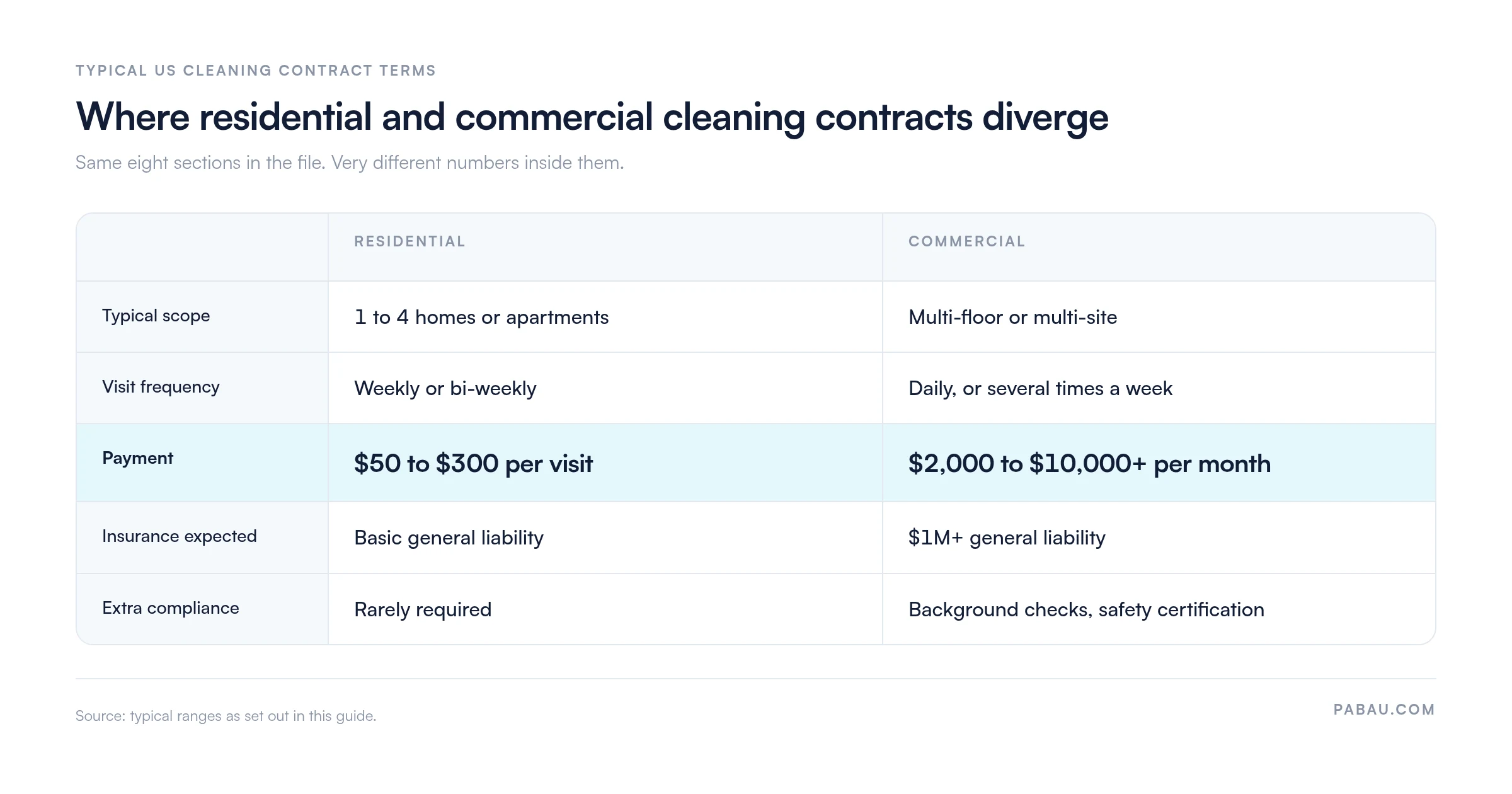
A residential contract covers a house or apartment for an individual homeowner. Scope is narrower and liability is simpler, so the document stays short. Most residential clients want a fixed weekly or bi-weekly slot they can plan around.
A commercial contract covers offices, retail units, healthcare facilities, and multi-tenant buildings. Larger square footage brings higher liability exposure and stricter compliance requirements. That is why these contracts run longer than a residential one.
Work through the nine steps below in order. Each one maps to a section of the file you downloaded.
The file is a PDF you can download, edit, print, or send digitally. Here is the sequence from download to signed copy.

A cleaning contract is one of several agreements a service business signs. If you also take clients on retainer or on a rolling arrangement, the client agreement template covers the wider working relationship.
The contract fixes the payment terms, and each invoice you send applies them. Our invoice template for builders is a one-page printable layout with line items and a balance due, which a cleaning business can adapt.
You lose the document that settles disputes. Arguments over payment, scope, and cancellation come down to one person’s memory against another’s, and the client is usually the one holding the money.
Most cleaning businesses email a PDF and hope they can find it again. The signed copy ends up in a mailbox, a phone’s downloads folder, or a filing cabinet at the office.
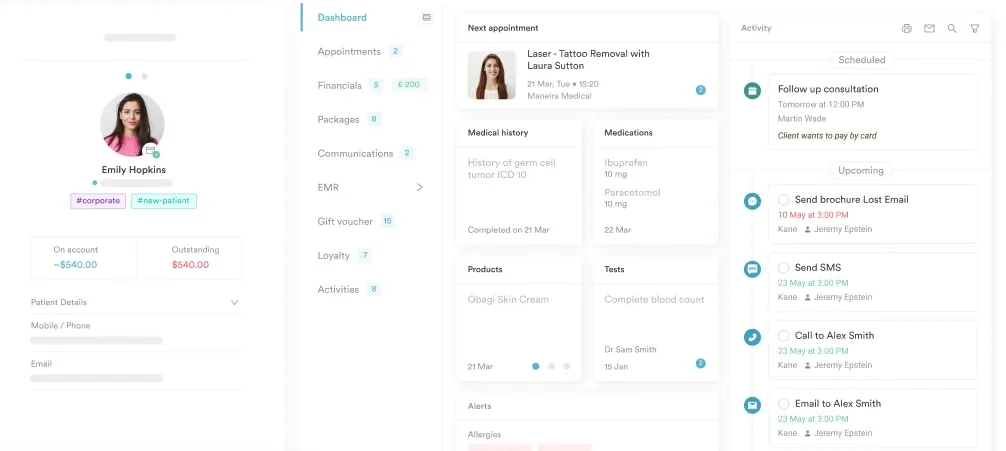
Pabau keeps the contract on the client’s own record instead. Client record management stores the signed file next to the booking history, the invoices, and any notes from previous visits. When a client questions a charge, the answer is one search away.
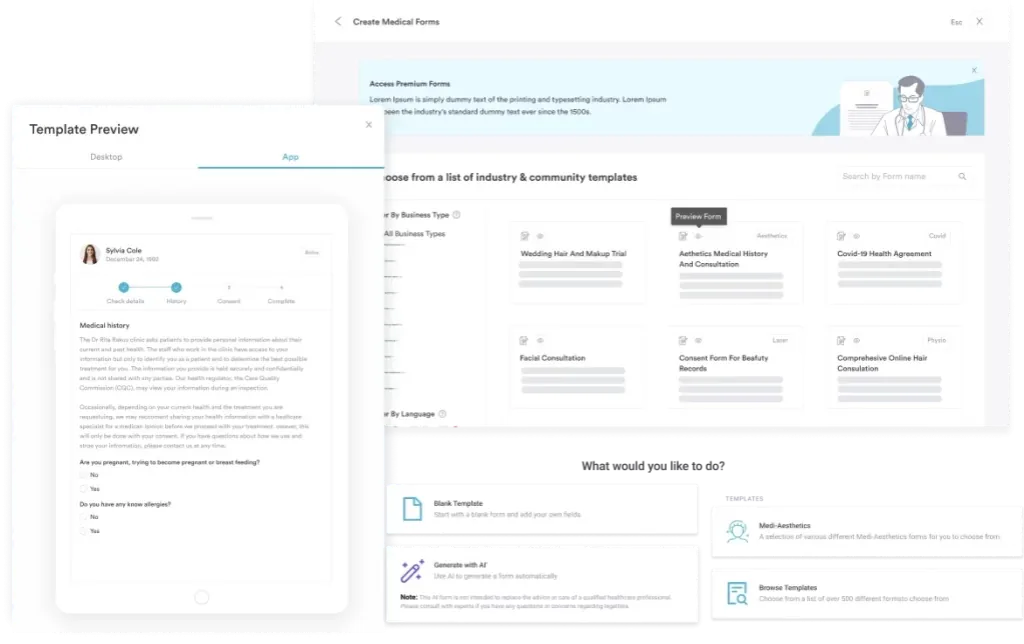
You can also collect the signature inside Pabau rather than outside it. Digital forms send the contract out, capture the signature, and file the signed copy against the record. Set the contract up once as one of your forms for new clients, and every new client signs the same version.
Storing contracts this way also makes repeat scheduling easier. The agreed terms sit beside the calendar, so whoever books the next visit can see the notice period and the rate.

Store signed contracts, collect e-signatures, and keep client details in one place. Book a demo and see the workflow from first contract to repeat visit.

A contract is the cheapest protection a cleaning business can buy. It costs one download and 20 minutes of typing. Then it decides who pays when a vase breaks or a client cancels on a Tuesday morning.
The trade-off worth remembering is specificity. A vague scope of work is quicker to write and far more expensive to argue about later. Spend the extra 10 minutes listing what you do not clean.
Fill the template in for your next new client, and file the signed copy where you can find it in a year. Book a demo to see how Pabau stores signed contracts on the client record, alongside bookings and invoices.

Need a broader agreement for ongoing clients? The client agreement template covers scope, fees, and cancellation across a longer working relationship.
Holding keys or sensitive client information? A non-disclosure agreement template adds a separate confidentiality commitment you can sign alongside the contract.
Onboarding a new client from scratch? The new client intake form template collects contact details, access instructions, and preferences in one pass.
Losing track of who you spoke to and when? A contact log template gives you a dated record of every client conversation.
A cleaning contract needs eight sections. Those are party details, scope of work, service frequency, payment terms, a liability clause, a termination clause, confidentiality, and any special conditions. Special conditions cover pet policies, key security, and access instructions.
Yes. A written contract defines expectations, payment obligations, and liability for both sides. It also supports your status as an independent contractor rather than an employee, which matters for tax.
Yes, once both parties sign it. The template gives you the framework, and your customization and signatures make it a valid contract. Check it against your state consumer protection and labor rules first. In the UK, that means the Consumer Rights Act 2015.
Residential contracts cover individual homes, with narrower scope and lower liability. Commercial contracts cover offices, retail units, and multi-tenant buildings, so insurance limits and compliance requirements run higher. Payment size and visit frequency differ sharply too.
Yes, and you should. Edit it in a PDF reader or convert it to Word, then adjust the payment terms, the scope of work, and the special conditions. The template should describe the services you sell.
Follow the termination clause in the contract you signed. Most cleaning contracts ask for two weeks written notice. Some also charge an early termination fee, and the contract says who pays it. Send the notice in writing and keep a copy.