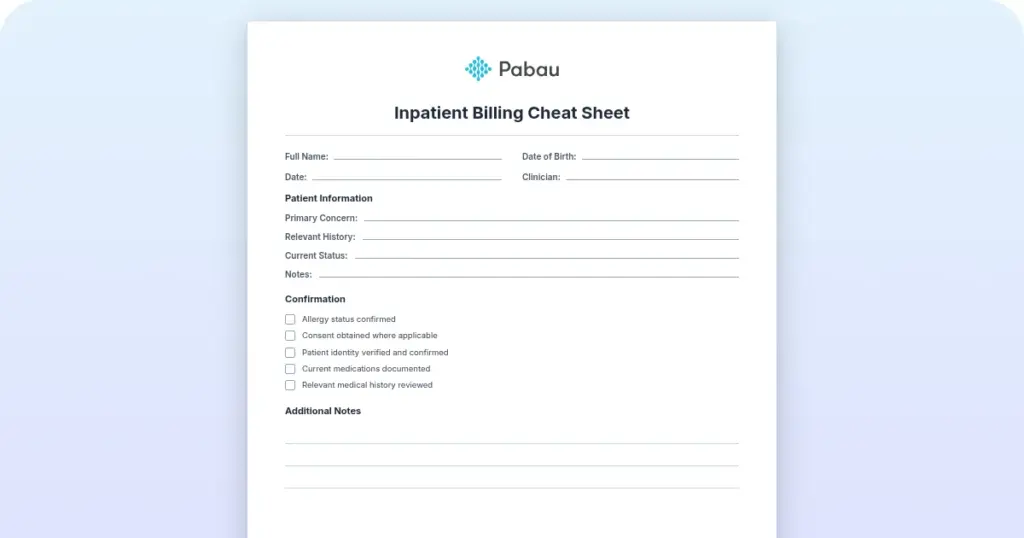
Inpatient billing cheat sheet
An inpatient billing cheat sheet is a quick reference for the codes and claim ru...

Last Updated: Oct 19, 2026
Billable Code
L2112 is the HCPCS Level II code for ankle foot orthosis (AFO), fracture orthosis, tibial fracture orthosis, soft, prefabricated, includes fitting and adjustment. Medicare Part B pays it as a durable medical equipment item under LCD L33686.
Suppliers and orthotists confuse L2112 with L2106, L2114 and L2116. Those codes cover the same tibial fracture orthosis in a firmer material or a custom-fabricated build. Denials, though, usually turn on the physician order and the modifier rather than on the code itself.
Let Pabau's smart automation suggest the right codes, reduce claim denials, and keep your practice compliant—effortlessly.
Automate repetitive tasks and focus on what matters most—your patients.
Reduce coding errors and ensure compliance with the latest regulations.
Clean claims, fewer denials, and faster reimbursements.
Powerful insights and reporting to help your practice thrive.
HIPAA compliant SOC 2 certified GDPR-compliant Trusted by 4,000+ clinics worldwide

HCPCS code L2112 describes a soft, prefabricated AFO for tibial fracture management, with fitting and adjustment bundled in the code.
LCD L33686 governs Medicare Part B coverage, and a missing or late physician order is the leading denial trigger.
Append KX when LCD criteria are met, GA when an ABN was issued, and GY when Medicare excludes the item.
Practice management software like Pabau supports HCPCS billing workflows, documentation capture, and claim submission for DME codes including L2112.
HCPCS code L2112 covers a soft, prefabricated ankle foot orthosis used specifically for tibial fracture management, with fitting and adjustment included in the code descriptor. The table below summarizes the key attributes coders need when building a claim.
Fitting and adjustment are bundled into L2112, and that single detail decides more claims than the code choice does. Billing a separate evaluation or fitting service on the same claim is an unbundling error, and automatic claim editing catches it.
L2112 is a prefabricated code. The orthosis is manufactured to a standard size and adjusted at dispensing. Custom-fabricated AFOs are built individually to the patient’s anatomy and fall under different L-codes, with higher reimbursement and stricter documentation standards. Within the tibial fracture family that custom-fabricated code is L2106. Billing a prefabricated device under a custom-fabricated code is upcoding, so bill what was dispensed.
Every L2112 claim needs a covered diagnosis to establish medical necessity, drawn from the ICD-10-CM codes Medicare recognizes for this device. The codes below are the primary diagnoses that align with tibial fracture orthosis billing under LCD L33686. Always verify the current LCD article, because covered diagnosis lists can be updated mid-year.
Select the 7th character carefully. Medicare distinguishes initial encounters (A), subsequent encounters for routine healing (D), and sequela (S). The encounter type must match the clinical reality documented in the physician’s order. Mismatched 7th characters are a common automated denial trigger.
LCD L33686 governs Medicare Part B coverage of L2112 as a DME benefit. Coverage requires that the orthosis be medically necessary for the patient’s functional needs, as documented in the medical record and the treating physician’s order. Checking the beneficiary’s eligibility before the device leaves the building is the cheapest way to stop a denial.
Medicare will cover L2112 when all of the following conditions are met:
Keeping the record complete from the physician’s order through to dispensing reduces audit exposure. The LCD also specifies non-covered indications, including situations where the orthosis is provided primarily for convenience rather than clinical necessity.
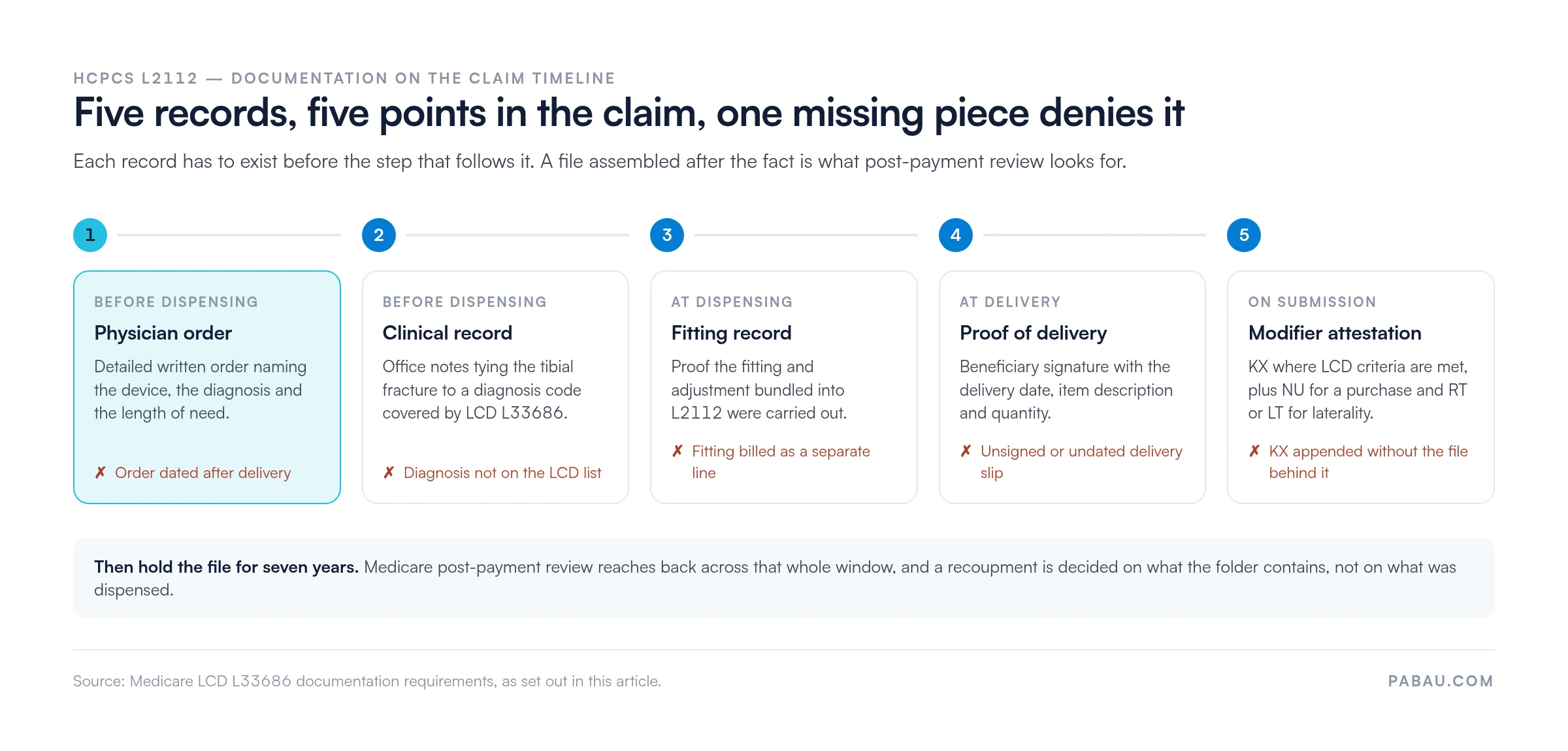
Insufficient documentation is the leading reason L2112 claims fail on post-payment review. Medicare audits for DME orthotic claims look for five specific records, and each one has to exist at a particular point in the claim. Suppliers must retain all records for seven years from the date of service.
The order those five records are created in matters as much as their presence, because each one has to predate the step that follows it. The timeline below maps them onto the claim.
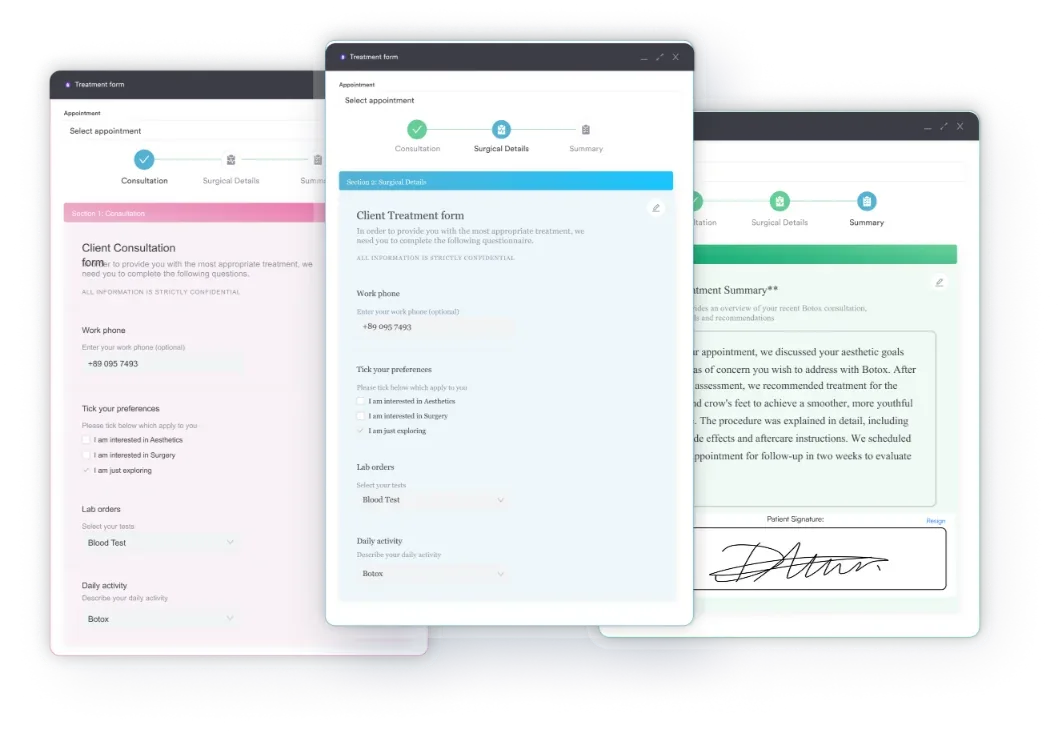
Structured intake forms that capture the order details at entry stop an incomplete file from reaching submission. A superbill listing the treating diagnosis, the HCPCS code, and the dispensing date gives billers one reference document to cross-check before they send the claim.
Run a pre-submission checklist on every L2112 claim. Confirm that the physician order predates dispensing and that the ICD-10 code is covered under the current LCD. Then check that the KX modifier is appended where criteria are met and that proof of delivery is on file. A claim missing any one of those four is the one that gets recouped on review.
Modifier selection directly determines whether Medicare pays the claim, downcodes it, or denies it outright. Each modifier signals a specific billing circumstance to the MAC. Denial management in healthcare pays for itself on DME orthotic claims, because so many of them fail on a single modifier.
The KX modifier carries the most audit risk. By appending it, the supplier attests that documentation in the file supports medical necessity per the LCD. If records are later found to be insufficient, the claim is subject to recoupment. When a claim comes back, read the remark code before resubmitting, because it usually names the modifier that failed.
Medicare reimburses L2112 at the lower of two figures: The supplier’s submitted charge, or the fee schedule allowable. That allowable is set by the DME MAC for the jurisdiction where the beneficiary lives. Allowable amounts for L-codes vary by MAC jurisdiction (A, B, C, D) and are updated annually each January. The CMS Physician Fee Schedule lookup tool and the DMEPOS fee schedule posted by CMS’s HCPCS program are the authoritative sources for current allowables.
Because fee schedule figures change every January and vary by MAC jurisdiction, specific dollar amounts are not cited here. Use the CMS DMEPOS fee schedule tool instead, filtering by L2112 and your MAC jurisdiction code. Confirm the current 2026 allowable before you build your own fee schedule.
Look up your MAC jurisdiction’s current allowable before you submit, rather than after a denial forces a resubmission cycle.

Pabau supports DME suppliers and orthotists with structured claims management, documentation capture, and billing workflows for HCPCS codes including L2112.

Choosing the wrong L-code for an AFO is a common billing error because several codes describe structurally similar devices with different construction or fitting methods. The table below clarifies when each code applies relative to L2112. Use it for crosswalk decisions when the physician’s order leaves the construction method ambiguous.
Two questions settle the crosswalk. First, was the device built individually for this patient from casting material, which points to L2106 rather than L2112? Second, if it came off the shelf, how rigid is it? L2112 is the soft build, L2114 the semi-rigid one, and L2116 the rigid one. Recording the construction method on the dispensing record at the point of order entry is what prevents the error later.
If the device is neither clearly soft nor clearly semi-rigid, check the manufacturer’s PDAC coding advisory letter before billing. The AAPC HCPCS code lookup provides crosswalk references and code history for the L-code series.
DME suppliers billing codes like L2112 run into two recurring problems. The first is a file that turns out to be incomplete only when an auditor asks for it. The second is a submission error that starts a denial cycle.
Pabau’s claims management software handles both, structuring documentation capture and claim submission from the physician’s order through to payment posting.
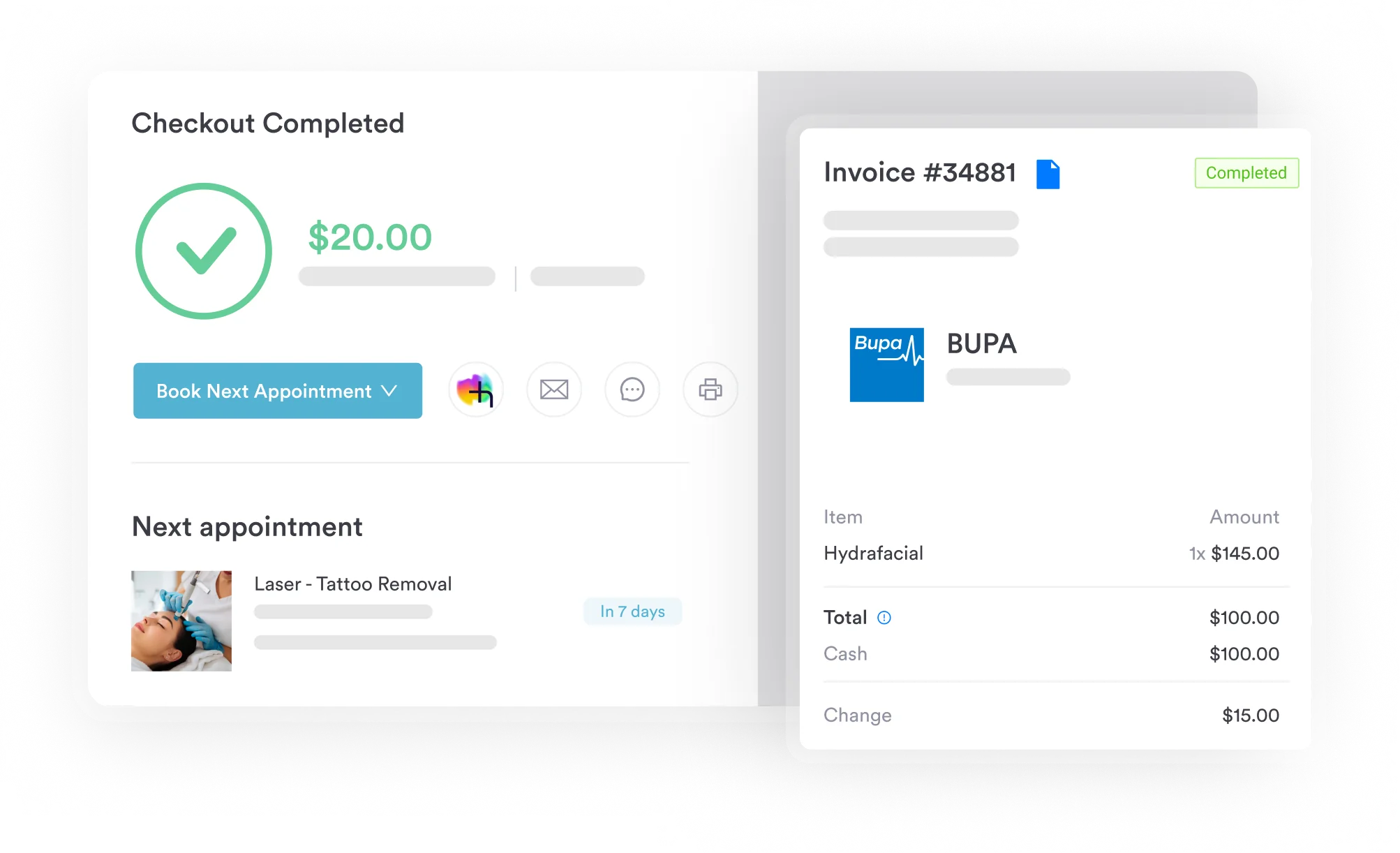
Practices run HCPCS billing alongside clinical services, so the intake form is where most of the record is either captured or lost. A workflow that enforces the documentation requirements at intake cuts the number of claims reaching submission with a field missing. Fewer L2112 claims get denied, and payment arrives faster.
A clean claim on an HCPCS L-code has every required field populated. It also has every modifier justified by documentation before the claim leaves the practice.
Audit a sample of your L2112 claims every quarter. Pull 10 to 15 at random and check each one against the LCD L33686 requirements. Verify that the order date, the ICD-10 code, the KX attestation and the proof of delivery are all in the file. Practices that audit themselves find the pattern before a MAC does.
HCPCS code L2112 is a straightforward code to select when the device is soft, prefabricated, and dispensed for a tibial fracture. The work sits in the documentation. You need a compliant physician order, a covered ICD-10 code, the KX modifier when criteria are met, and proof of delivery on file. Miss any one of those and the claim is exposed to denial or recoupment.
The trade-off worth remembering is that this code pays modestly and audits expensively. A supplier who builds the file as the patient moves through the visit spends a few minutes per claim. A supplier who assembles it when the MAC asks spends far longer and often loses the money anyway. Book a demo to see how Pabau keeps the order, the diagnosis, and the delivery record together on one L2112 claim.

Need to understand how medical billing claims flow end to end? What is medical billing covers the full claims lifecycle from patient encounter to payment posting.
Want to reduce DME claim denials before they happen? Denial management in healthcare explains how to build a proactive denial prevention workflow.
Looking for a structured approach to superbill documentation? Superbill documentation covers what to include and how to align superbills with HCPCS billing requirements.
HCPCS code L2112 covers a soft, prefabricated ankle foot orthosis (AFO) used for tibial fracture management, with fitting and adjustment included in the code. The device is billed to Medicare Part B as a DME item. Medical necessity rests on a physician order and a covered ICD-10 diagnosis.
The Medicare allowable for L2112 varies by DME MAC jurisdiction and is updated each January. Use the CMS DMEPOS fee schedule tool, selecting your jurisdiction (A, B, C, or D), to confirm the current year’s allowable. Medicare pays 80% of the allowable, and the beneficiary owes the remaining 20% after the annual deductible.
The KX modifier is required when the supplier attests that LCD L33686 medical necessity criteria have been met and documentation is on file. Use GA when an Advance Beneficiary Notice has been issued and denial is expected. Append NU for new equipment purchases and RT or LT to indicate laterality when required by your MAC.
Both codes cover a prefabricated tibial fracture orthosis, and the difference between them is rigidity. L2112 is the soft build, while L2114 is semi-rigid and gives more support. Both include fitting and adjustment in the code. Bill whichever one matches the device you dispensed, since the firmer build is not automatically the correct choice.
Required documentation includes a detailed physician order dated on or before dispensing, plus clinical records establishing medical necessity with a covered ICD-10 code. You also need proof of delivery signed by the beneficiary and supplier records confirming that fitting and adjustment were completed. All records must be retained for seven years.
Yes, Medicare Part B covers L2112 for tibial fractures when the claim meets LCD L33686 criteria. That means a covered diagnosis, a compliant physician order, documented medical necessity, and the KX modifier attesting that coverage requirements are satisfied. Claims without a covered ICD-10 code or a pre-dispensing physician order are denied.