

HCPCS code E0198: Water pressure pad billing guide
HCPCS code E0198 is a water pad for a standard mattress HCPCS code E0198 is the ...

Last Updated: Oct 13, 2026
L0622 is the HCPCS Level II code for sacroiliac orthosis, flexible, provides pelvic-sacral support, reduces motion about the sacroiliac joint, includes straps, closures, may include pendulous abdomen design, custom fabricated.
Sacroiliac orthosis (SO), flexible, provides pelvic-sacral support, reduces motion about the sacroiliac joint, includes straps, closures, may include pendulous abdomen design, custom fabricated.
Three clinical elements inside that descriptor decide when L0622 is the right code:
The phrase "may include pendulous abdomen design" means an abdominal panel extension is part of the same device. It does not need a separate code when it is built into the custom fabrication.
Let Pabau's smart automation suggest the right codes, reduce claim denials, and keep your practice compliant—effortlessly.
Automate repetitive tasks and focus on what matters most—your patients.
Reduce coding errors and ensure compliance with the latest regulations.
Clean claims, fewer denials, and faster reimbursements.
Powerful insights and reporting to help your practice thrive.
HIPAA compliant SOC 2 certified GDPR-compliant Trusted by 4,000+ clinics worldwide

HCPCS code L0622 describes a flexible, custom fabricated sacroiliac orthosis that supports the pelvis and limits motion at the SI joint.
L0622 is a DMEPOS code billed under Medicare Part B, and a written physician order must be on file before the device is dispensed.
CMS discontinued Certificates of Medical Necessity in January 2023, so the written order and the medical record now carry the coverage evidence.
Most denials trace back to two errors: billing L0622 for a prefabricated device, and leaving off the KX modifier.
Practice management software like Pabau keeps orders, fabrication records, and fitting notes in one client record, so claims go out complete.
Use the quick-reference table below to confirm the code’s classification before billing.
Medicare covers L0622 only when the record shows documented medical necessity. Coverage sits with each Medicare Administrative Contractor (MAC) and its Local Coverage Determination (LCD). Check the LCD that applies in the patient’s state, because the criteria are not identical everywhere.
Qualifying conditions usually include sacroiliac joint dysfunction, SI joint pain confirmed on examination or imaging, and pelvic girdle instability. Orthotic providers who take referrals from chiropractic practices and pelvic health practices should check that the referring notes spell out functional limitation. The conservative treatment history has to be there too. Revenue cycle management treats coding, submission and collection as one process rather than three handoffs.
Diagnosis alone never carries the claim. A patient can have textbook SI joint pathology and still see the claim denied if the notes stop at the diagnosis line.
Custom fabrication adds a second necessity test. The record has to explain why a prefabricated device will not work for this patient’s anatomy or presentation. Write that down before fabrication starts, not after the claim is denied.
L0622 is covered under Medicare Part B as a DMEPOS benefit. Two conditions apply: the medical necessity criteria are met, and the supplier is enrolled in the DMEPOS supplier program. The CMS fee schedule lookup tool and the annual DMEPOS fee schedule are the authoritative sources for current rates.
DMEPOS fee schedules are updated every year and vary by MAC locality. Verify the amount against the current CMS schedule at the time of billing. Custom fabricated orthoses pay more than their prefabricated equivalents, which reflects the clinical labor in fabrication, fitting, and adjustment.
Check the current L0622 rate on the CMS DMEPOS fee schedule before you quote a patient. Rates vary by MAC locality and change every January. An outdated quote creates a billing discrepancy and a difficult conversation later.
Missing documentation causes more L0622 denials than any other single issue. Under CGS Medicare Jurisdiction C policy, the treating physician’s written order has to be obtained before the device is dispensed. Billing without a valid written order is a compliance failure, whatever the clinical picture looks like.
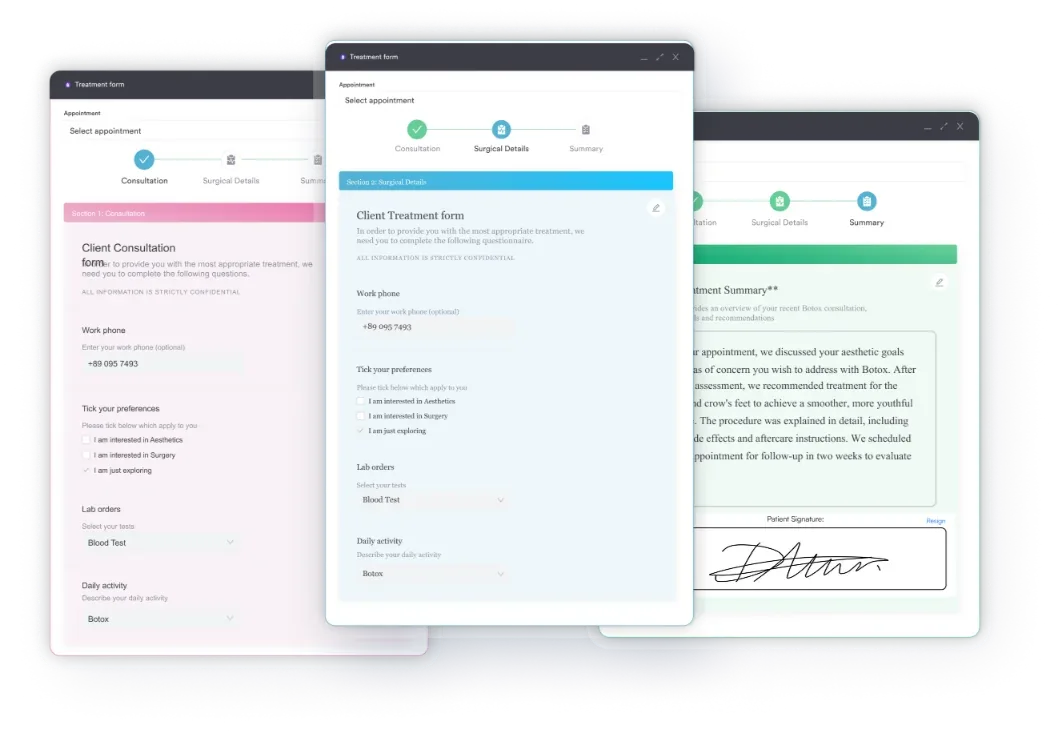
Practices that run on structured medical forms capture this paperwork at the point of care instead of chasing it before submission. Digital intake forms that file the signed order into the patient record the moment it is signed remove the most common pre-billing problem.
Storage matters as much as capture. Keep the custom fabrication rationale, the fitting notes, and the physician order somewhere retrievable for audit, and keep HIPAA-compliant records throughout. A referral that arrives without a clear necessity statement is easier to fix with a medical necessity letter than with an appeal.
Picking the right code is only the first step in an L0622 claim. Modifier use, place of service, and supplier enrollment all decide whether it pays on first submission. A claims management platform that understands DMEPOS rules takes most of the manual checking off your team.
Modifier rules for DMEPOS items are MAC-specific, so confirm them before you submit. The CGS Medicare coding verification process sets out PDAC guidance for suppliers who need to confirm product coding before dispensing. Automated billing workflows can flag a missing modifier before submission rather than at remittance.
None of this is unique to orthoses. Suppliers billing other DMEPOS items, such as such as E0371 or K0455, work to the same enrollment and order rules.
Billing L0622 for a device that is actually prefabricated is a compliance risk. CMS defines custom fabricated as built from raw materials or components for one patient. The measurements, cast, or digital scan come from the treating provider. A stock brace adjusted at the fitting is a different thing entirely.
Keep the fabrication record, including the method used, in the patient file. Audit reviewers look for that evidence first whenever L0622 appears on a claim. A patient record system that timestamps entries and stores fitting records beside the physician order makes an audit far less painful.
The sacroiliac orthosis family runs from L0621 to L0624 and covers two design types across two fabrication methods. Match the device you actually dispensed to the descriptor, rather than defaulting to the code that pays best. The AAPC HCPCS code lookup is a searchable reference for the full L-code range.
Flexible versus semi-rigid refers to the primary structural material of the orthosis, not to optional add-ons. Billing a semi-rigid device under L0622 is a coding error. Codes above L0624, including L0625, are lumbar orthoses rather than sacroiliac ones, so they never stand in for L0622.
The diagnosis submitted with L0622 has to support what the device does: stabilize the sacroiliac joint and reduce pelvic motion. Mismatched diagnosis codes trigger medical necessity denials even when the device itself qualifies, so audit your pairings regularly.
Two details catch coders out here. M54.5 was retired effective October 1, 2021, and replaced by M54.50, M54.51, and M54.59, so the old code now generates an edit. O26.7 is a parent code that needs a further character, which is why the table above uses O26.719.
More importantly, most MACs want a diagnosis specific to sacroiliac pathology before they approve an SI orthosis. A nonspecific low back pain code rarely carries the claim on its own.
A run of L0622 denials at one supplier usually comes back to the same short list of errors. Name them once, build a pre-submission check, and the rework stops. A practice management platform that flags claim-level problems before submission catches most of them early.
Run a five-point check on every L0622 claim before it goes out. Is the written order dated before dispensing? Does the code match the device type? Is the KX modifier applied? Are the fabrication records on file, and does the diagnosis match SI joint pathology? The check takes two minutes and catches most denial triggers.
In most supply operations, the L0622 paper trail lives in three places at once. The physician order sits in an email inbox. The measurements stay in a workshop folder. The fitting notes are on paper at the front desk, and none of it is attached to the claim.
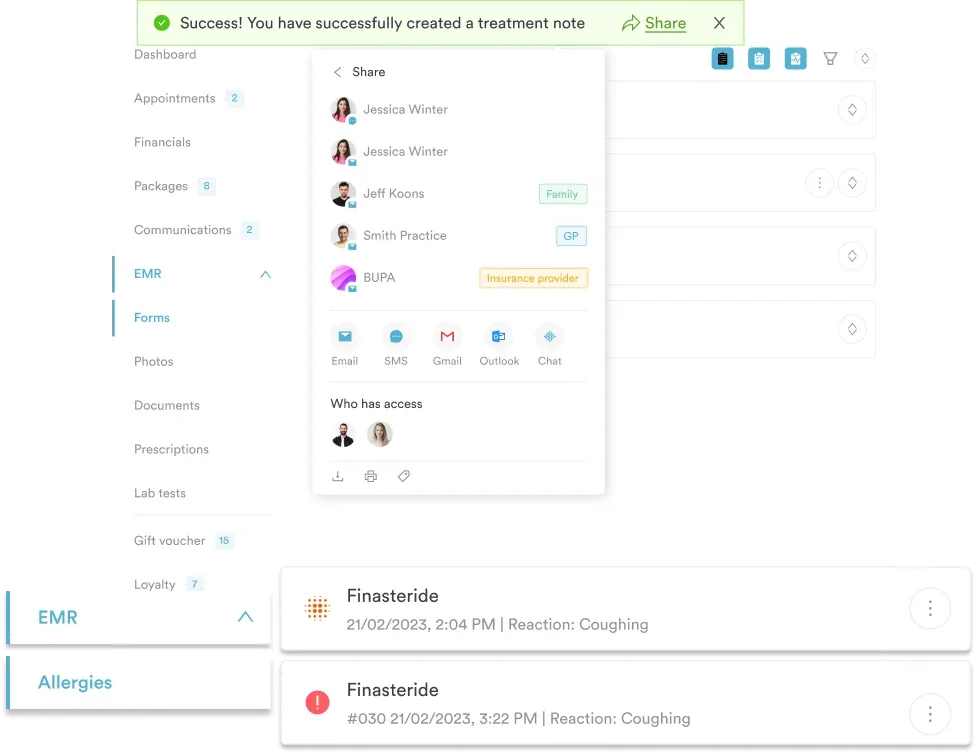
Practice management software like Pabau keeps all of it in one client record. Digital intake and consent forms capture the signed order at the point of care, and every entry is timestamped as it is added. When a reviewer asks for proof, your team opens one file instead of chasing three.
For groups billing DMEPOS across several sites, the same form templates apply everywhere. Billing staff can see whether the order, the fabrication record, and the diagnosis are all present before a claim leaves the building. Fewer claims come back for rework, and an audit request stops being a scramble.

Pabau keeps physician orders, custom fabrication records, and medical necessity notes in one client record. Claims go out complete, and audit requests take minutes instead of days.

L0622 pays reliably when the device and the record agree with each other. The fabrication has to be genuine, documented, and ordered in writing before the device goes out. Almost everything else on the claim follows from that one sequence.
The neighboring codes are close enough to catch people out. A semi-rigid device belongs in L0623 or L0624, and a stock brace belongs in L0621. Check the device in front of you rather than the code you billed last time.
Fix the record and the denials mostly take care of themselves. Book a demo to see how Pabau keeps orthotic orders, fabrication records, and claims in one place.

Billing another sacral-region device? A4290 covers the sacral nerve stimulation test lead, with its own coverage and documentation rules.
Supplying other Medicare DMEPOS items? E0302 walks through the written order and medical necessity rules for a bariatric hospital bed.
Coding lumbar spine procedures too? 22527 explains how percutaneous intradiscal annuloplasty is documented and billed.
Documenting a spinal infection instead? ICD-11 FA90 vertebra infection guide classifies bacterial, fungal, or mycobacterial infection of the vertebral column, including osteomyelitis and discitis.
Documenting a lumbar surgical case? 22102 sets out the coding and operative note detail payers expect.
HCPCS code L0622 is a Level II DMEPOS code for a flexible, custom fabricated sacroiliac orthosis. The device gives pelvic-sacral support, reduces motion at the SI joint, and includes straps and closures. It may also include a pendulous abdomen design. Bill it under Medicare Part B when the necessity criteria are met and a written physician order is on file.
The rate is set by the annual CMS DMEPOS fee schedule and varies by MAC locality. Rates change each January, so verify the amount on the current schedule before you quote a patient. Custom fabricated orthoses pay more than prefabricated equivalents because of the fabrication and fitting labor involved.
You need a written physician order signed before dispensing, plus clinical notes covering examination findings, functional limitations, and treatment history. Add the custom fabrication rationale, the fabrication records, and the fitting and delivery records with the patient’s signature. CMS discontinued Certificates of Medical Necessity for dates of service on or after January 1, 2023. The written order and the medical record carry that evidence now.
L0621 is the prefabricated version of the flexible sacroiliac orthosis, made in standard sizes and fitted at dispensing. L0622 is the custom fabricated equivalent, built for one patient from measurements, a cast, or a digital scan. L0622 reimburses higher and needs fabrication documentation that L0621 does not.
No. Under CGS Medicare Jurisdiction C policy, the treating physician’s written order must be obtained before the device is dispensed. Billing L0622 without one is a compliance violation, and a retroactive order does not fix it. The order must be dated before the date of service on the claim.
Qualifying conditions usually include sacroiliac joint dysfunction, SI joint pain with documented functional limitation, and pelvic girdle instability. Coverage follows the applicable MAC’s LCD, so accepted diagnoses vary by jurisdiction. M53.3 is the most commonly paired diagnosis, and nonspecific low back pain codes alone rarely satisfy payer criteria.



