HCPCS code E0193: Powered air flotation bed billing guide
HCPCS code E0193 covers a complete powered bed HCPCS code E0193 pays for a power...

Last Updated: Oct 13, 2026
E0371 is the HCPCS Level II code for nonpowered advanced pressure reducing overlay for mattress, standard mattress length and width.
HCPCS code E0371 pays for a nonpowered advanced pressure reducing overlay that sits on a standard mattress. Medicare decides this one before the overlay reaches the patient, because prior authorization is mandatory ahead of delivery.
That sequence catches suppliers out. E0371 has sat on the required prior authorization list nationwide since October 2019. No affirmed decision means no tracking number, and no tracking number means an automatic denial.
The criteria are fixed and knowable, though. Once your intake captures the right handful of facts, an affirmed decision usually comes back inside a week.
Let Pabau's smart automation suggest the right codes, reduce claim denials, and keep your practice compliant—effortlessly.
Automate repetitive tasks and focus on what matters most—your patients.
Reduce coding errors and ensure compliance with the latest regulations.
Clean claims, fewer denials, and faster reimbursements.
Powerful insights and reporting to help your practice thrive.
HIPAA compliant SOC 2 certified GDPR-compliant Trusted by 4,000+ clinics worldwide

HCPCS code E0371 covers a nonpowered advanced pressure reducing overlay for a standard mattress, billed to Medicare Part B as durable medical equipment.
Medicare has required prior authorization for E0371 nationwide since October 21, 2019, so the request goes in before the overlay is delivered.
Coverage runs through LCD L33642, which looks for stage 2, 3 or 4 pressure ulcers on the trunk or pelvis.
E0371 is a capped rental item, so each claim carries RR plus KH, KI or KJ depending on the rental month.
Practice management software like Pabau keeps the wound assessments, orders and photos behind an E0371 claim in one patient record.
E0371 pays for one thing, an advanced nonpowered overlay that sits on top of an existing mattress. The official descriptor from the Centers for Medicare and Medicaid Services reads “nonpowered advanced pressure reducing overlay for mattress, standard mattress length and width.”
It’s a HCPCS Level II code, the set CMS uses for equipment and supplies that CPT does not describe. Payment falls under the Part B durable medical equipment benefit at Social Security Act section 1861(s)(6).
Policy article A52490 is strict about what the product itself has to be. An overlay only qualifies as E0371 when it meets all four of these:
One more hurdle trips up new suppliers. Only products that have passed a written coding verification review by the Pricing, Data Analysis and Coding contractor may be billed as E0371.
The product also has to appear on the PDAC Product Classification List under that code. If it doesn’t, the line denies as incorrect coding, however strong the clinical record is.
Yes, E0371 needs prior authorization, and it needs it before delivery. CMS added the five pressure reducing support surface codes to the required list in July 2019, starting with four states. The program went nationwide for dates of delivery on or after October 21, 2019.
Here’s how one E0371 rental moves from order to payment:
Miss step four and the claim never gets reviewed on its merits. Claims for these codes without a decision and a matching UTN are denied automatically.
A non-affirmed decision isn’t the end of it. The DME MAC sends a detailed letter naming what was missing, and CMS permits unlimited resubmissions. Most suppliers who fix the record on the first pass get an affirmation on the second try.
One caution is worth holding onto. An affirmation is a provisional decision, not a payment guarantee. The claim can still be denied later for things the reviewer could not see, such as a missing proof of delivery.
Store the UTN against the rental series, not against a single claim. Every monthly rental claim in that series carries the same tracking number. Pull it from the patient record each month rather than retyping it from the affirmation letter.
Suppliers with a strong track record can now skip the paperwork. CMS judged eligibility on the prior authorization requests suppliers submitted between June 1, 2025 and November 30, 2025. Notifications went out by April 2, 2026, and the first annual exemption cycle opened on June 1, 2026.
The threshold is at least 10 prior authorization requests and a provisional affirmation rate of 90 percent or better. Exempt suppliers stop submitting requests for a year, and any request they do send gets rejected. Exemption is judged separately in each DME MAC jurisdiction.
It isn’t a free pass, though. From January each year, exempt suppliers get a post-payment document request covering a 10-claim sample. Fall below a 90 percent approval rate on that sample and the exemption is withdrawn.
A Group 2 surface such as E0371 is covered when the patient meets any one of three criteria in LCD L33642. Only one has to be true, but the record has to show it clearly.
Criterion 1 is where most requests fail, because the treatment program has six named parts. All of them have to appear in the notes for that month:
Notice what is not on that list. LCD L33642 never mentions a Braden Scale score, and it does not set a numeric risk threshold. A Braden score is useful clinical evidence, but it won’t substitute for the six elements above.
Two limits then govern how long the surface stays covered. When criterion 3 is the basis, coverage generally runs 60 days from the date of surgery. Otherwise, continued use is covered until the ulcer heals. It also continues while the notes show the care plan changing, or the surface still being needed for wound management.
The LCD also expects the chosen surface to stop the patient bottoming out. There is a physical test for that. Slide an outstretched hand palm up under the overlay, beneath a bony prominence such as the coccyx or lateral trochanter.
If you can readily feel the bone, the surface is bottoming out. Run the test three ways: supine with the head flat, supine with the head raised no more than 30 degrees, and side lying.
The covered diagnosis list in policy article A52490 holds 52 codes. Every one is an L89 pressure ulcer code for the back, hip or buttock. Nothing outside that set will support the claim on its own.
The pattern is easy to hold in your head. Take the trunk and pelvis subcategories, then keep only the stage 2, stage 3, stage 4 and unstageable codes.
The exclusions matter just as much, and they are where audits find money. These do not appear on the list at all:
Heel ulcers cause the most confusion here. They are common and serious, but the policy is written around the trunk and pelvis, so the surface is not covered. The wound care itself still bills separately under codes such as 97597.
E0371 sits in the capped rental category, not the purchase category. That single fact decides most of the modifier work, and getting it wrong is a common reason for a rejected line.
Medicare pays a monthly rental for up to 13 months of continuous use. Payment drops by 25 percent from the fourth month onward. After the thirteenth paid month, title transfers to the patient. That happens on the first day after the last rental month, and Medicare then covers reasonable maintenance and servicing.
KX, GA and GZ are not optional. A52490 states that a claim line billed without one of the three is rejected as missing information, so it never reaches a coverage decision.
Two older habits are worth retiring. NU marks new purchased equipment, so it does not belong on a capped rental line. And since January 1, 2023, Certificates of Medical Necessity are gone. A claim that arrives with a CMN attached is rejected and returned.
Work through a real sequence. A patient with a stage 4 sacral ulcer starts on a powered overlay, E0372, in January. By April the wound has worsened, so you switch them to a nonpowered advanced overlay, E0371.
The rental clock does not restart. Both codes are Group 2 overlays, so Medicare treats them as not significantly different. Month four of the original series simply continues on the new code, even if a different supplier takes over.
Change one detail and the answer flips. Move the same patient to a powered Group 2 mattress under E0277 and a new capped rental period does begin. A mattress and an overlay count as different groupings.
CMS treats these five groupings as significantly different from one another:
Place of service is the quiet denial. The clinical record can be flawless, but if the patient was not in a qualifying setting, the DME MAC does not pay. Three questions settle almost every case.
Which POS code goes on a home delivery? POS 12. That covers a private residence, and it is the setting the DME benefit is written around.
Can you bill for a patient living in a facility? Sometimes. A facility only counts as the patient’s home when it does not meet Medicare’s definition of a hospital or a skilled nursing facility. Assisted living and many nursing facilities qualify, so POS 13, 14 or 32 can be correct.
What about a Part A skilled nursing facility stay? Do not bill the DME MAC. During a covered Part A stay, the facility is paid for the equipment. A POS 31 line sends the wrong claim to the wrong payer.
Most denials on this code come from four or five recurring holes. Walk the list once before the request goes out, and again before the claim does. Broader rules on Medicare billing for practices cover the claiming channels and compliance behind every DME denial.
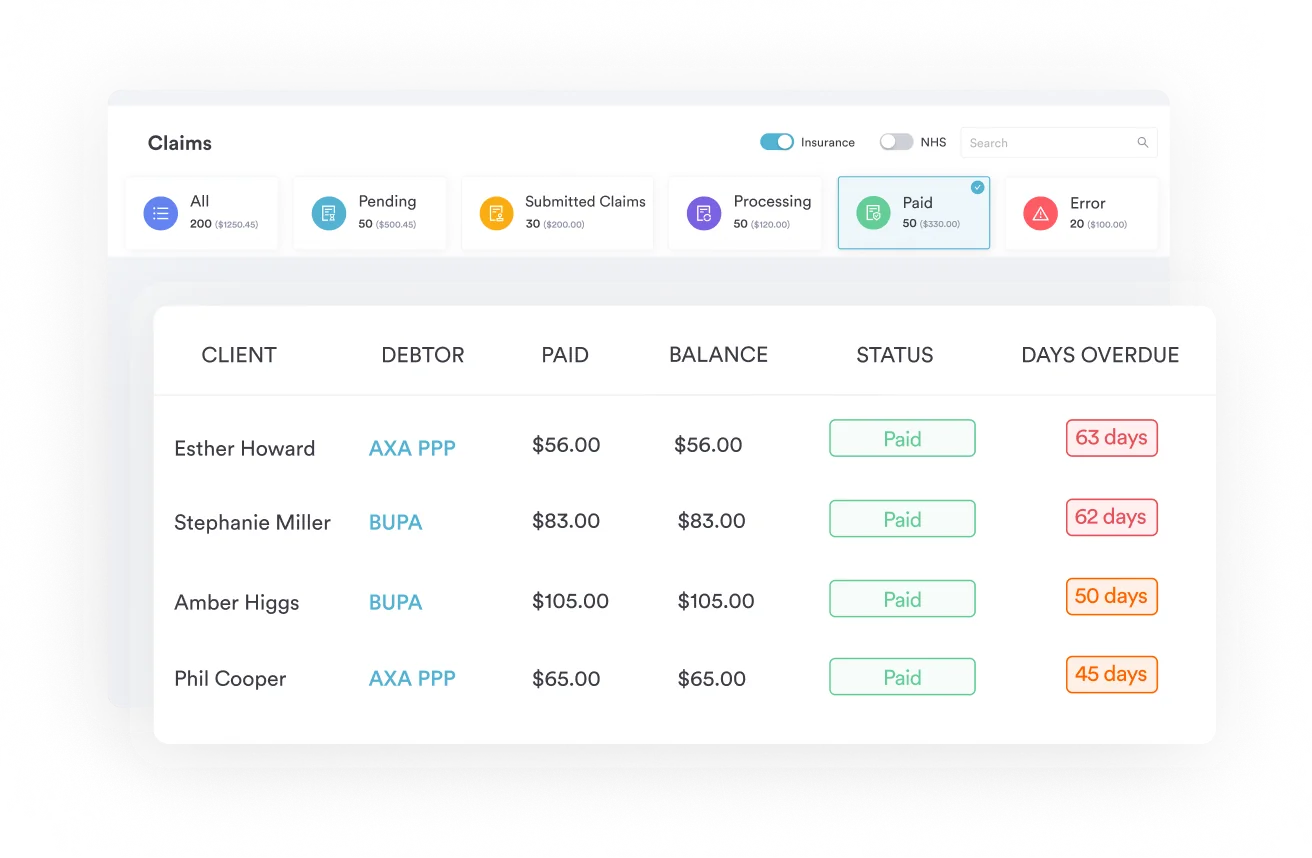
The rate itself is the one thing you can’t memorize. E0371 is priced per state on the DMEPOS fee schedule, which is republished every quarter. Pull the current file rather than the physician fee schedule lookup, which does not price DME at all.
Group 2 holds five codes, and picking between them is a product question rather than a clinical one. Match the code to what the delivery ticket says you supplied.
E0371 against E0373 is the pair that causes the most rework. E0371 lies on top of the patient’s existing mattress. E0373 replaces the mattress and sits straight on the bed frame. Bill one when you supplied the other and the coding is wrong, whatever the intent.
One more thing is worth saying plainly, because it circulates in coding forums and vendor sheets. There is no HCPCS code E0374. Where a crosswalk or product catalog shows it, the item you supplied is almost certainly E0373 or E0277.
The bed frame underneath the surface follows the same DMEPOS rules. Our hospital bed guides for E0293 and E0302 cover that side of the order.
Prior authorization changes what good documentation means. The record no longer has to survive an audit months later. It has to be complete on the day the request goes out. Practices that keep wound notes in one system and billing in another tend to find the missing record at submission. By then the clock is already running.
Practice management software like Pabau closes that distance by keeping the clinical record and the claim in one place. Wound assessments, staged photos, practitioner orders, discharge records and treatment history all sit on the same patient file. Assembling a request package then means pulling records rather than chasing them.
Two features do most of the work here. Pabau’s digital forms can be built around the six elements of the Group 1 treatment program. Nurses then capture ulcer stage, site, turning schedule and nutrition notes at the bedside.
Pabau’s claims management tools then keep each rental month tied to that record, so nothing is reconstructed after a rejection.
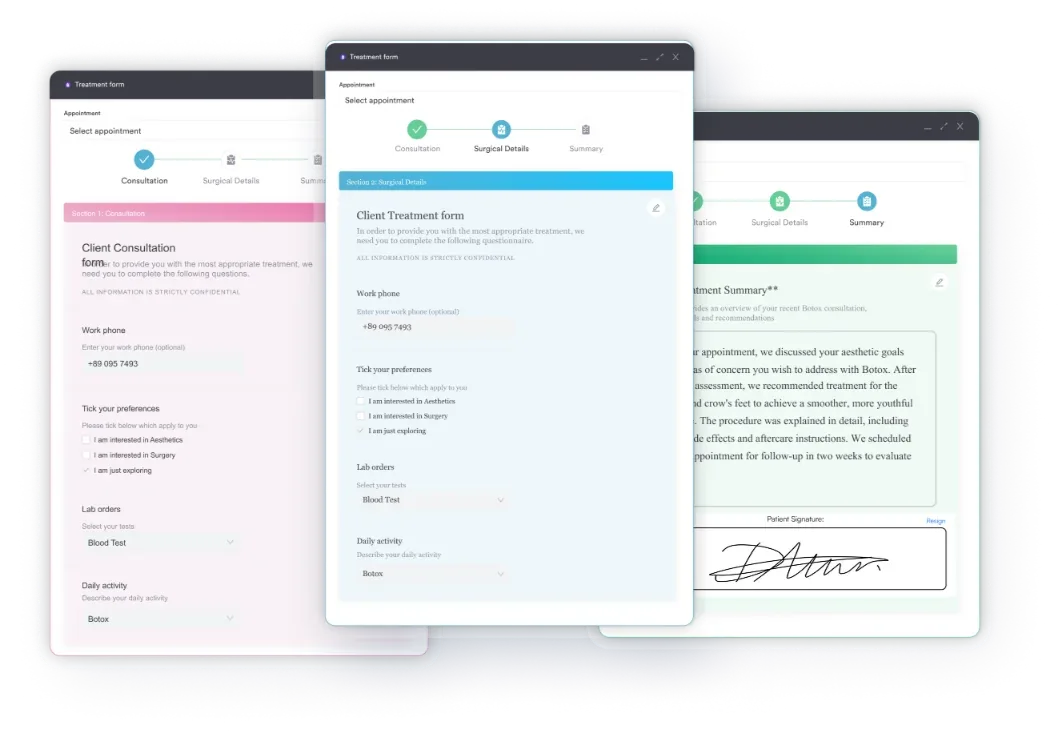
The outcome is a shorter path from assessment to affirmation. Teams in primary care and physical therapy practices see fewer non-affirmed requests, and billers stop rebuilding records that already exist somewhere in the practice.

Pabau keeps wound assessments, orders and claim history on one patient record, so your prior authorization package is complete before the overlay is delivered.

E0371 rewards preparation over persistence. Because prior authorization sits ahead of delivery, an appeal months later cannot rescue a record that was thin on the day of the request.
So build the work backward from the decision letter. Capture the ulcer stage and site the way the ICD-10 list expects, and document all six parts of the treatment program. Then confirm the product sits on the PDAC list before anything ships.
Do that consistently and the 90 percent affirmation rate that earns an exemption stops looking out of reach. The trade-off is straightforward, since more effort upfront buys far less rework later. Book a demo to see how Pabau keeps wound care documentation and DME claims on one record, ready before the request goes out.

Billing the wound treatment as well as the surface? HCPCS code G0281 covers electrical stimulation for chronic pressure ulcers that have stopped improving.
Reaching for a skin substitute? HCPCS code Q4101 sets out the Apligraf billing rules for chronic wound care.
Certifying a home health plan of care? HCPCS code G0179 explains the physician recertification rules that sit alongside a DME order.
Debriding an ulcer down to bone? CPT code 11044 walks through the depth rules that decide which debridement code you bill.
Coding a microcephaly diagnosis? ICD-10 code Q02 for microcephaly covers the billable, terminal code for microcephaly, valid for fiscal year 2026.
No. E0371 is not on the CMS list of codes that require a face-to-face encounter and a written order prior to delivery. A Standard Written Order is still mandatory before you bill, and the medical record still has to support the Group 2 criteria.
The supplier submits it in almost every case, and CMS calls that party the requester. A beneficiary may send their own request, though CMS encourages them to work through the supplier. The practitioner supplies the records either way.
Not always. Advantage plans must cover at least what Original Medicare covers, but they set their own authorization forms, timelines and supplier networks. Check the plan’s own DME policy before you deliver.
Once the patient owns it after 13 rental months, Medicare’s five-year reasonable useful lifetime applies. Before that point, a replacement is payable only if the item is lost, stolen or damaged beyond repair.
Only if you hold an Advance Beneficiary Notice signed before delivery. Add the GA modifier so the denial shifts liability to the patient. Without that notice, the charge stays with you.