

HCPCS code E0198: Water pressure pad billing guide
HCPCS code E0198 is a water pad for a standard mattress HCPCS code E0198 is the ...

Last Updated: Oct 13, 2026
K0877 is the HCPCS Level II code for a group 4 standard power wheelchair. Its full descriptor reads: power wheelchair, group 4 standard, single power option, sling/solid seat/back, patient weight capacity up to and including 300 pounds.
K0877 sits in the standard tier of the group 4 family. The heavy duty equivalent is K0879, which covers patients weighing 301 to 450 pounds. Medicare treats group 4 chairs as not reasonable and necessary in the home. K0877 is therefore billed through the upgrade and advance beneficiary notice route.
Let Pabau's smart automation suggest the right codes, reduce claim denials, and keep your practice compliant—effortlessly.
Automate repetitive tasks and focus on what matters most—your patients.
Reduce coding errors and ensure compliance with the latest regulations.
Clean claims, fewer denials, and faster reimbursements.
Powerful insights and reporting to help your practice thrive.
HIPAA compliant SOC 2 certified GDPR-compliant Trusted by 4,000+ clinics worldwide

HCPCS code K0877 covers a group 4 standard power wheelchair, single power option, sling or solid seat and back, up to 300 pounds
K0877 is not a bariatric code; the group 4 sibling for 301 to 450 pounds is K0879, described as heavy duty
K0835 is a group 2 chair with the same 300 pound ceiling, so the K0877 comparison is about performance tier, not weight
Medicare denies group 4 power wheelchairs as not reasonable and necessary under LCD L33789, so K0877 runs through the upgrade and ABN route
Certificates of medical necessity ended for dates of service on or after January 1, 2023; a standard written order and a face-to-face encounter replace them
K0877 is not on the CMS required prior authorization list, which reaches PMD codes K0800 through K0864
HCPCS code K0877 describes a power wheelchair, group 4 standard, single power option, with a sling or solid seat and back. Its patient weight capacity runs up to and including 300 pounds. That 300 pound ceiling is part of the descriptor itself, so K0877 is a standard tier code rather than a bariatric one.
Group 4 chairs meet higher performance and durability specifications than groups 1 through 3 in CMS’s HCPCS Level II code set. Within group 4, the word standard marks the base performance tier. However, it says nothing about weight capacity beyond the 300 pound limit already written into the descriptor.
Single power option means the chair supports one powered seating function. That function is usually tilt, recline, or a power elevating leg rest. Chairs carrying more than one powered function sit under the multiple power option codes, K0884 through K0886. Meanwhile, chairs with none sit under K0868 through K0871.
The sling or solid seat and back descriptor confirms that the chair uses conventional seating. Seat comfort and build quality play no part in the code choice. A specialized postural support system would push the device into complex rehab technology territory and a different code.
K0877 sits in the K series of HCPCS Level II, which CMS maintains through its annual HCPCS update. The code remains active in the current CMS HCPCS Alpha-Numeric file.
The table below summarizes the metadata that matters before you build a K0877 claim.
Medicare’s position on group 4 chairs is blunt. The Power Mobility Devices LCD (L33789) states that group 4 PWCs have added capabilities that are not needed for use in the home. If they are provided, the LCD says, they will be denied as not reasonable and necessary.
That denial applies to the whole group 4 family: K0868, K0869, K0870, K0871, K0877, K0878, K0879, K0880, K0884, K0885, and K0886. Even so, it does not make K0877 unbillable — Medicare simply will not pay for the group 4 base as a covered item, which changes how the claim is built, not whether it can be submitted.
The general power wheelchair criteria still govern the claim, because the covered chair inside an upgrade claim has to meet them. LCD L33789 requires all of the following to be documented in the medical record:
The home assessment is the weakest item in many power wheelchair files. As a result, denials often cite thin evidence that the chair can be used in the patient’s living space. Flag it on the checklist before the order is finalized, so it never reaches the claim unanswered.
Weight is not what separates K0877 from K0835. Both cap at 300 pounds. K0835 is a group 2 chair and K0877 is group 4, so the choice between them is a performance tier decision. The code for the 301 to 450 pound band in group 4 is K0879, not K0877.
Medicare treats the group 4 base as not reasonable and necessary. Consequently, there is no covered K0877 allowable to bill and collect in the ordinary way. What the program pays is set by the covered chair the patient qualifies for, and the beneficiary may owe the difference.
Power wheelchair bases are also paid as capped rental items rather than outright purchases. The rental period runs 13 months, after which ownership transfers to the beneficiary. Complex rehabilitative power wheelchairs are the exception: suppliers must offer a purchase option when the chair is first furnished.
Locality matters as well. Allowable amounts differ by DME MAC jurisdiction and locality. The CMS DMEPOS fee schedule files are the authoritative source for the current figures. Pulling the current file beats reusing last year’s numbers.
Fee schedule amounts change each January. Pull the current file before you submit, and confirm the locality matches the patient’s permanent address rather than the delivery address.
A group 4 chair reaches the patient through Medicare’s upgrade provisions. The supplier furnishes the group 4 device, bills the covered chair the patient qualifies for, and handles the difference with the beneficiary. The DME MACs set out two routes, and which one you use depends on whether the patient is charged.
The diagram below maps both routes onto the modifier lines a K0877 claim carries.
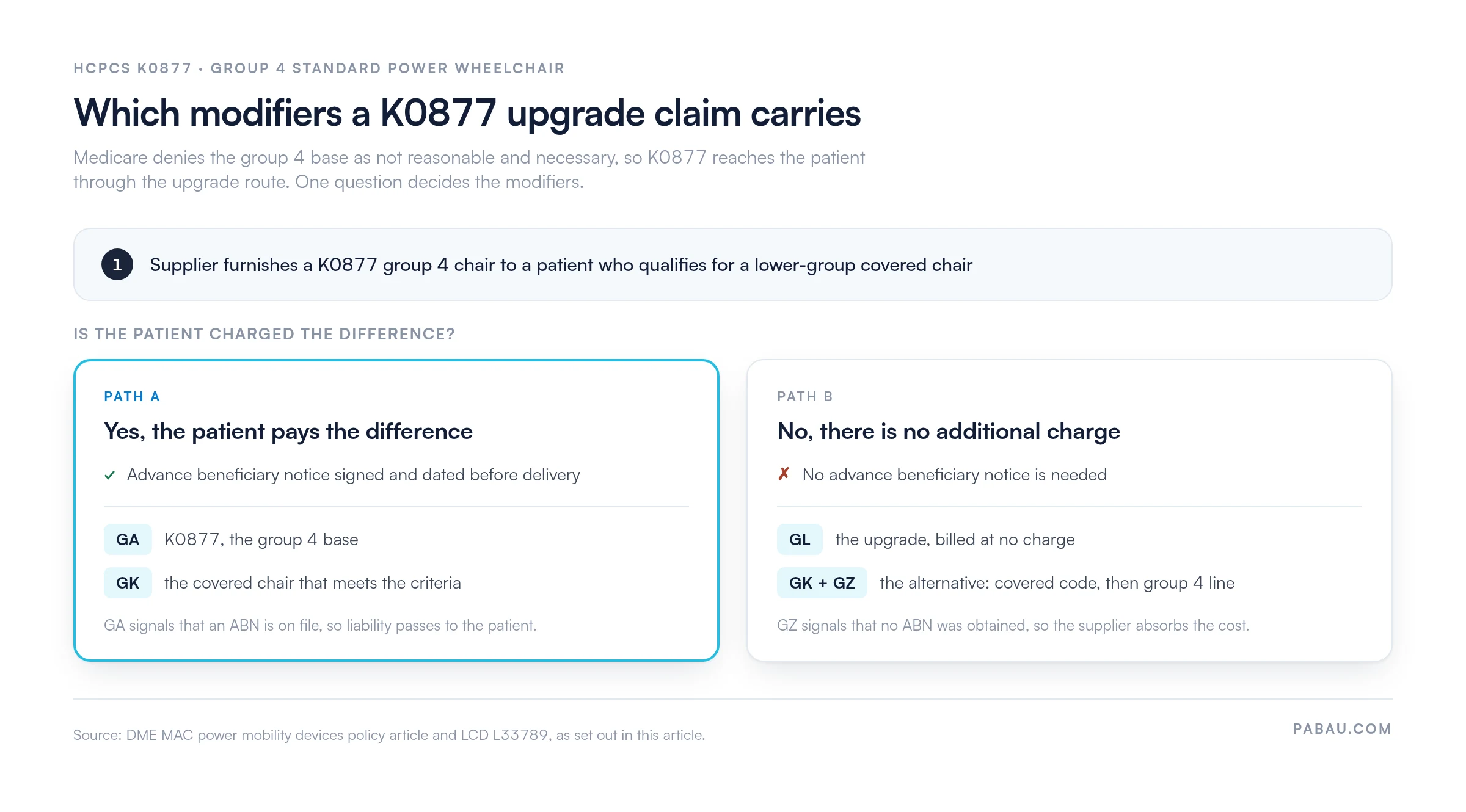
The policy article for power mobility devices puts the modifier rule plainly. Where the requirements for the KX or GY modifier are not met, the GA or GZ modifier must be added to the code. GA signals that an ABN is on file. In contrast, GZ signals that no ABN was obtained, which means the supplier cannot hold the patient liable.
Get the ABN signed before delivery, not after. Otherwise, an ABN dated after the chair arrives does not transfer financial liability, and the supplier absorbs the cost of the upgrade.
K0877 is not on the CMS required prior authorization list. That list reaches power mobility device codes K0800 through K0864, and it stops short of the group 4 codes K0868 through K0886.
The logic follows from coverage. Prior authorization is a condition of payment for items Medicare can pay for. A group 4 base is denied as not reasonable and necessary, so there is no payment decision to authorize in advance.
The covered chair inside your upgrade claim is a different story. If the patient qualifies for a group 3 base such as K0856, that code carries a nationwide prior authorization requirement. Submit the request and secure an affirmative decision before the chair is delivered.
The DME MAC sends its decision letter by the fifth business day, and no later than seven calendar days. That timeline covers an initial request and a resubmission alike. Expedited requests, however, are decided within two business days, where a delay would seriously jeopardize the patient’s health.
An affirmative decision is not a payment guarantee. In addition, delivery must follow within six months of the determination, and the claim must carry the authorization number.
CMS discontinued certificates of medical necessity and DME information forms for dates of service on or after January 1, 2023 (MLN Matters SE22002). As a result, claims with those forms attached are rejected outright.
Form CMS-484 is the oxygen CMN and never applied to power mobility devices. The power wheelchair CMN, Form CMS-843, was retired in 2005, so any K0877 workflow still collecting either form is collecting paperwork Medicare won’t accept.
The medical record plus a standard written order stand in their place. Every item below should be complete and current before the claim is submitted.
Store K0877 records with the patient’s DME order, not a separate folder, using audit-ready claims management. DMEPOS documentation must be retained for seven years from the date of service.
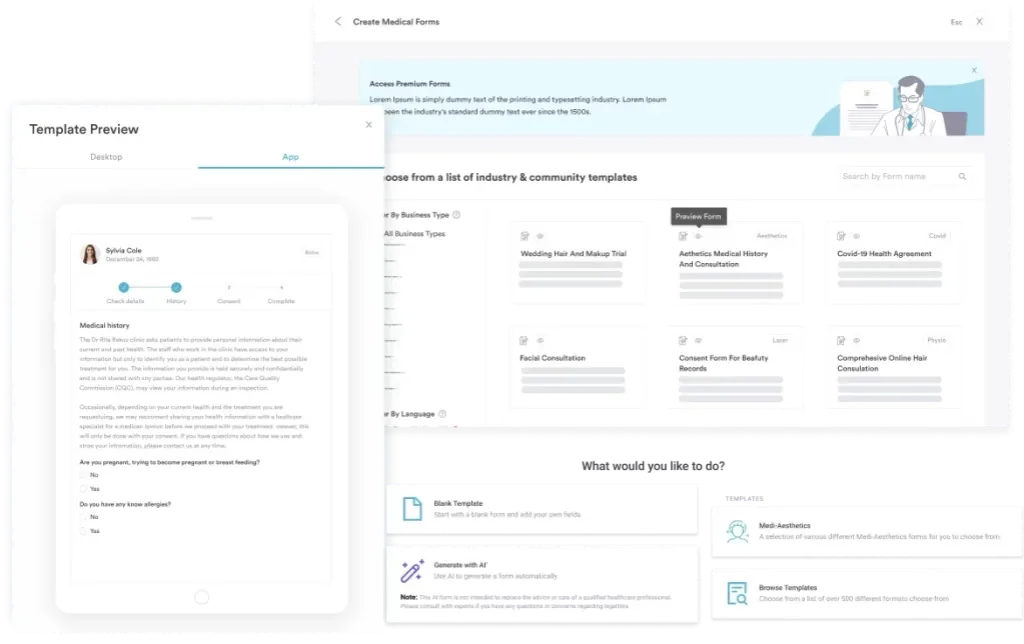
Signatures are the usual bottleneck. Digital forms collect both signatures without chasing paper, so the chair ships sooner and the claim goes out clean.
The closest comparison for K0877 is K0879, the group 4 heavy duty code. K0835, however, sits in group 2 and belongs to a separate question. Both group 4 codes carry a single power option and use a sling or solid seat and back. The weight band and the performance tier are what separate them.
K0835 belongs in a separate conversation. It is a group 2 standard chair with a single power option and the same 300 pound ceiling as K0877. Weight never decides between the two. Instead, the performance tier does, and group 2 is the tier Medicare will pay for when the criteria are met.
HCPCS Level II sorts power wheelchairs by performance group, seating configuration, powered seating functions, and weight capacity. Our HCPCS Level II library covers the other code families a DME supplier bills alongside power mobility. When the device or the patient falls outside the K0877 specification, one of the codes below usually applies. Confirm the current descriptor with the AAPC HCPCS Level II code lookup before billing.
If the chair you are supplying does not match a listed descriptor exactly, contact the Pricing, Data Analysis and Coding (PDAC) contractor before you bill. PDAC issues coding verifications for DMEPOS products and can confirm which HCPCS code fits a specific device. Otherwise, billing K0898 without that verification raises your audit exposure sharply.
K0877 denials cluster around two things: a misread of what the code covers, and paperwork built on rules that expired years ago. The patterns below are the ones worth designing your process against.
A pre-submission checklist catches most of these before the claim leaves the practice. For suppliers running high order volumes, denial management workflows that group rejections by root cause show which step keeps failing. K0877 claims are won at document level, so review the file before you review the code.
Build a three-question check before any K0877 claim goes out. Is the documented weight 300 pounds or less? Is the ABN signed and dated before the delivery date? Does the GK line carry the covered chair the patient qualifies for? Those three questions head off most group 4 denials.
K0877 denials usually start somewhere between the clinical visit and the claim. The face-to-face note sits in the chart, the standard written order sits in a folder, and the ABN sits in a drawer. Nobody sees the set as a whole until the remittance advice arrives.
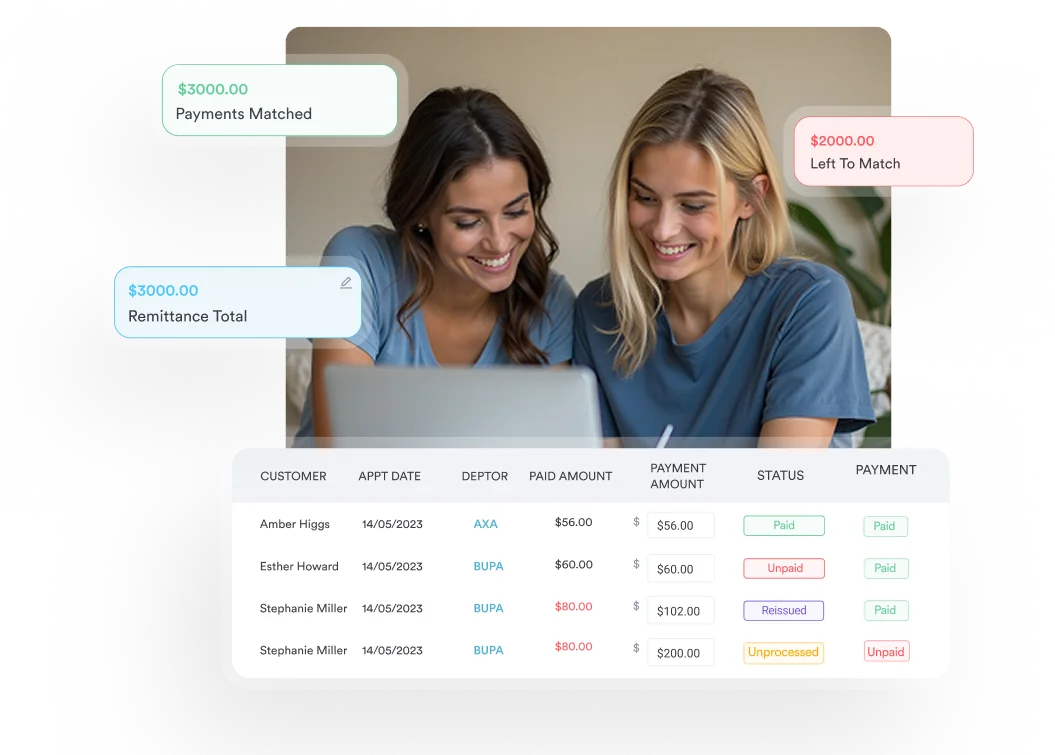
Practice management software like Pabau keeps those records on one patient timeline instead of across three systems. Clinical notes, signed forms, and order dates sit together. A biller can confirm that the face-to-face date falls inside the six-month window before the order.
From there, Pabau’s claims management tools carry that evidence into the claim itself. Teams see which supporting documents are missing and hold the submission until they arrive. They can also track denials by cause rather than one at a time.
The result is fewer rework cycles on group 4 claims, which are the ones that cost the most administrative time per dollar recovered.

Pabau’s claims management tools help DME suppliers and healthcare practices track written orders, ABNs, and supporting records, then submit HCPCS claims with fewer errors. See how it fits your workflow.

K0877 is a group 4 standard power wheelchair code with a 300 pound ceiling. It is not a bariatric code, and its nearest sibling is K0879 rather than K0835. Getting that straight decides whether a claim is a planned upgrade or an avoidable denial.
Medicare denies group 4 bases as not reasonable and necessary, so your claim turns on which covered chair the patient qualifies for. Answer that with a documented face-to-face encounter, a standard written order, and an ABN signed before delivery. Accordingly, the certificate of medical necessity has no part in that file anymore.
Pabau links that documentation to the claim and flags what is missing before submission. Book a demo to see how it fits your billing process.

Need guidance on HCPCS billing workflows? What is medical billing covers the end-to-end process from claim creation to payment posting for DME and healthcare practices.
Concerned about claim denials eating into revenue? Superbill documentation explains how to structure billing records that reduce post-payment audit exposure.
Want fewer DME claims coming back unpaid? Clean claim submission sets out the checks that get a claim paid on the first pass.
HCPCS code K0877 is the Level II code for a group 4 standard power wheelchair. The descriptor adds a single power option and a sling or solid seat and back. Its patient weight capacity runs up to and including 300 pounds, so it is a standard tier code rather than a bariatric one.
No. K0877 caps at 300 pounds, which is the standard weight band in group 4. The group 4 code for the 301 to 450 pound range is K0879, described as heavy duty. Billing K0877 for a patient above 300 pounds is a miscoded claim.
No. The CMS required prior authorization list covers power mobility device codes K0800 through K0864 and does not reach the group 4 codes. If your upgrade claim bills a covered group 3 base such as K0856, that code does require prior authorization before delivery.
No. CMS discontinued certificates of medical necessity and DME information forms for dates of service on or after January 1, 2023. Claims received with those forms attached are rejected and returned to the supplier. Form CMS-484 is the oxygen CMN and never applied to power mobility devices.
K0877 claims are processed by the DME MAC for the patient’s permanent address. Noridian Healthcare Solutions handles jurisdictions A and D, while CGS Administrators handles B and C for the rest of the country. Each contractor publishes its own billing guidance alongside the power mobility devices LCD.



