CPT code 21011: Excision of soft tissue tumor of the face
CPT code 21011: Official descriptor and procedure overview CPT code 21011, as pu...

Last Updated: Oct 8, 2026
G0161 is the HCPCS Level II code for services performed by a qualified speech-language pathologist, in the home health setting, in the establishment or delivery of a safe and effective speech-language pathology maintenance program, each 15 minutes.
G-codes occupy a specific lane within the Healthcare Common Procedure Coding System. They cover Medicare services that cannot be adequately reported using a CPT code. G0161 sits in the home health therapy series next to G0159 for physical therapy and G0160 for occupational therapy.
Let Pabau's smart automation suggest the right codes, reduce claim denials, and keep your practice compliant—effortlessly.
Automate repetitive tasks and focus on what matters most—your patients.
Reduce coding errors and ensure compliance with the latest regulations.
Clean claims, fewer denials, and faster reimbursements.
Powerful insights and reporting to help your practice thrive.
HIPAA compliant SOC 2 certified GDPR-compliant Trusted by 4,000+ clinics worldwide

HCPCS code G0161 covers speech-language pathology maintenance program services by a qualified SLP in the home health setting, billed per 15-minute unit.
G0161 applies to both establishing and delivering a safe and effective maintenance program, each with distinct documentation requirements.
Medicare coverage requires a physician-certified plan of care (CMS-485); billing without it triggers automatic claim denial.
G0161 units are reported on the claim, but payment comes from the bundled home health rate rather than a per-unit fee.
Practice management software like Pabau helps home health billers track G0161 unit counts, attach supporting documentation, and reduce denial rates.
Only a qualified speech-language pathologist may bill HCPCS code G0161. Billing it under an unlicensed clinician, or under an assistant without proper supervision, is an audit trigger.
Under CMS definitions, a qualified SLP must hold a current state license and meet applicable Medicare enrollment requirements. Home health agencies using speech therapy practice management tools can cross-reference provider credentials against billing records before claims go out the door.
Physician assistants, registered nurses. This code is exclusive to speech-language pathology services.
HCPCS code G0161 is restricted to the home health setting. Billing it for an outpatient clinic visit, a skilled nursing facility, or any other care environment is a coverage mismatch that payers will reject.
Achieving patient compliance at home starts with understanding what the setting means under Medicare. The patient must be homebound, under a physician-certified plan of care, and receiving services through a Medicare-certified home health agency.
G0161 covers two distinct service components. The difference matters because the documentation requirements are not the same for each.
The Jimmo v. Sebelius settlement clarified that Medicare covers maintenance therapy even when the patient is not expected to improve. Coverage turns on two things. Either the patient’s condition would worsen without skilled SLP services, or the program is complex enough to need a qualified clinician to administer it safely. Session notes have to reflect that standard in plain terms. Secondary payers often allow a shorter window than the primary, so the filing deadline differs by claim.
Each unit of HCPCS code G0161 equals 15 minutes of direct service time. CMS uses the 8-minute rule for timed therapeutic services: a provider must deliver at least 8 minutes of a service to bill one unit.
For sessions spanning multiple 15-minute increments, total direct time determines units. Per CMS’s standard 8-minute rule chart, 38 minutes of direct service bills as 3 units. Two full 15-minute units account for 30 minutes, and the remaining 8 minutes meets the threshold for a third. Documenting start and end times in session notes is essential for audit defense.
Medicare Part A covers G0161 when billed through a Medicare-certified home health agency during a qualifying home health episode. The service bundles under the Home Health Prospective Payment System (HH-PPS). The agency receives a bundled episode payment rather than a fee-for-service rate per visit.
That bundling catches billers out. Units of G0161 do not each earn their own check. They still sit on the claim, though, and an auditor will still compare them against the times in the note.
Use the CMS Physician Fee Schedule lookup tool to confirm current figures for your Medicare Administrative Contractor (MAC) jurisdiction. Rates vary by geography and are updated annually through the HH-PPS rule. Never rely on a static dollar amount cited outside a current-year CMS publication.
Home health billers using claims management software can flag G0161 claims for unit-count verification before submission. That heads off the most common denial trigger for this code series.
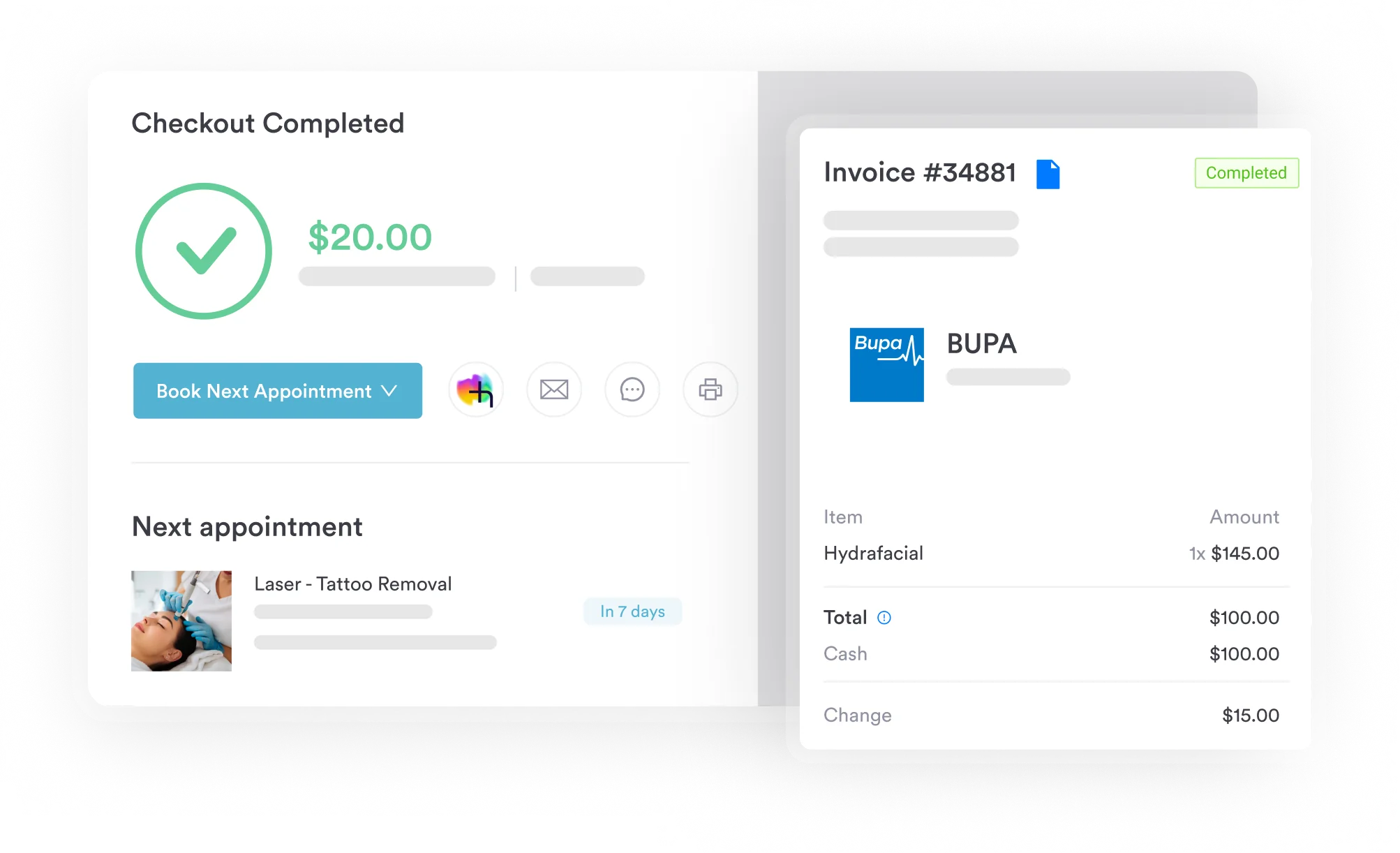
Tracking preventive services is simpler in software for GP clinics that logs each visit against its billing code.
Missing or insufficient documentation is the top reason G0161 claims face post-payment audits. The burden of proof rests entirely on the clinical record, and a reviewer only sees what the SLP wrote down at the time.
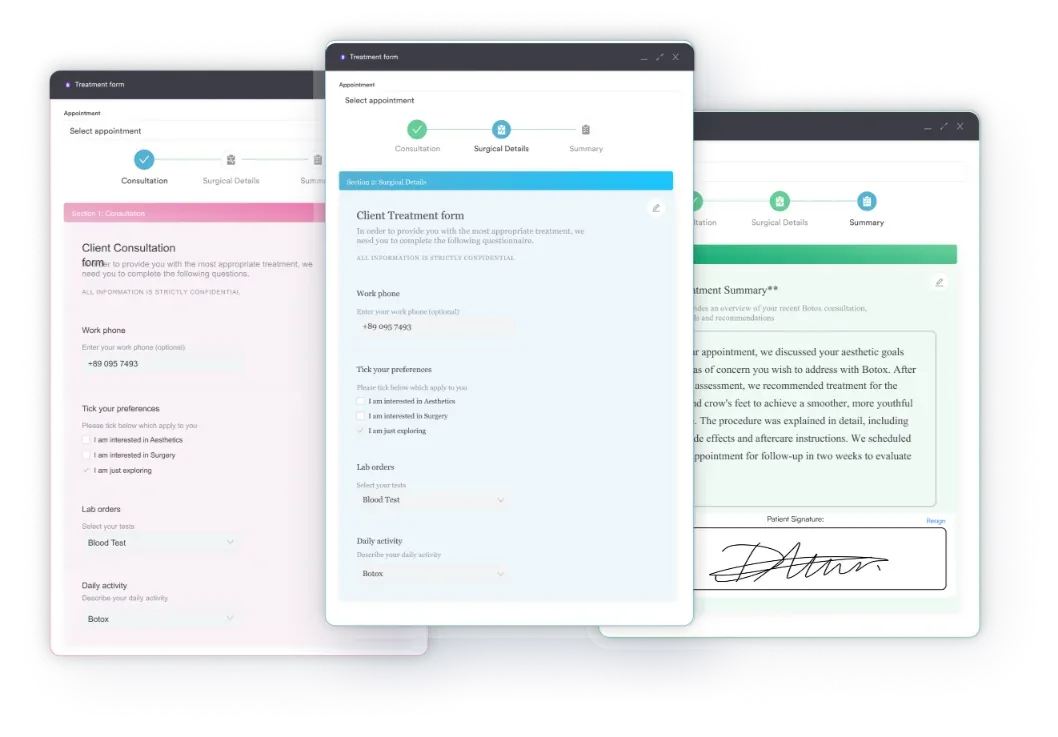
Use digital intake forms to capture structured clinical information at the point of care, so missing fields get caught before an OIG reviewer finds them. Structured medical documentation forms also make it faster for physicians to certify plans of care.
Document start and end times for every G0161 session in the clinical note, not just total minutes. Auditors calculate unit counts from the timestamps. A note reading ’45 minutes of treatment’ is far harder to defend than one reading ‘Session 9:00 AM to 9:45 AM, 3 units billed.’
The OIG’s annual work plans consistently target home health therapy billing. G0161 appears in audit samples because the maintenance program concept is frequently misunderstood and incorrectly documented.
Agencies with HIPAA-compliant billing practices built into their workflows catch these errors before claims go out. A pre-submission review step.
G0161 belongs to a home health therapy G-code series. Billers routinely need to tell it apart from adjacent codes covering physical and occupational therapy maintenance programs in the same setting. The AAPC’s HCPCS Level II code lookup carries current descriptors and coverage notes for the full G-code series.
That happens when a patient receives both skilled SLP treatment visits and a maintenance program in one episode. Each code needs its own documentation entry, reflecting the service type delivered on that visit date.
Run a quarterly internal audit comparing the G-codes billed per episode against the clinical notes. Find the visits where G0153 and G0161 are billed on the same date, then confirm the documentation separates skilled treatment from maintenance program delivery. This is the scenario auditors look for first.
Most home health agencies assemble a G0161 claim from three places. Visit times sit in a scheduling tool, the signed CMS-485 sits in a folder, and the session note sits somewhere else again. A biller then reconciles all three by hand before the claim goes out.
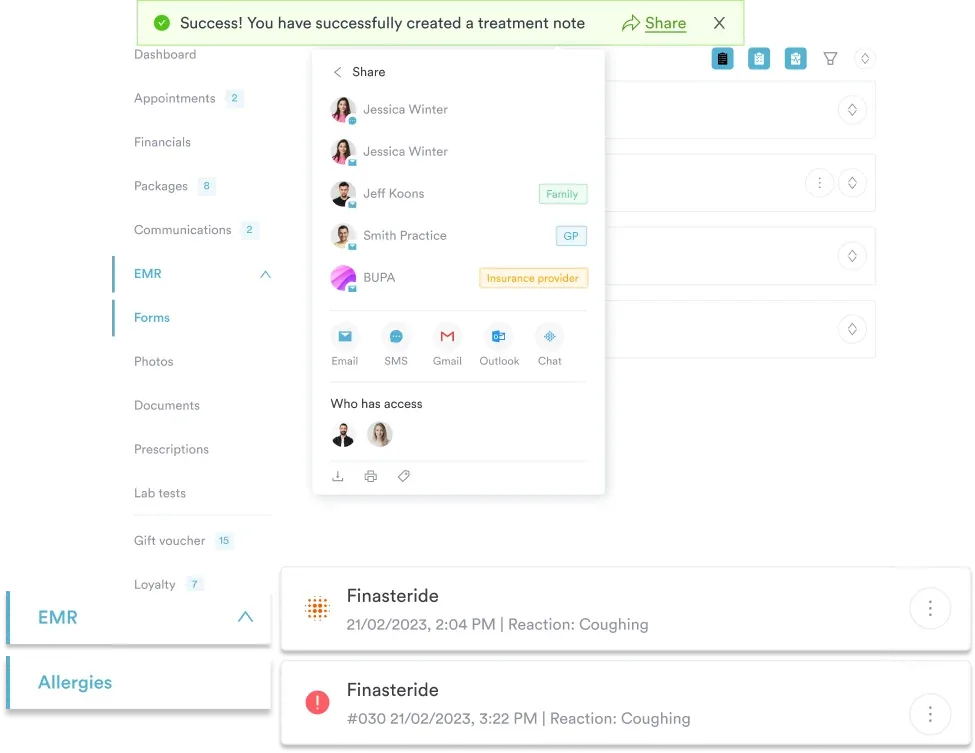
Practice management software like Pabau holds them in one patient record. The SLP logs start and end times inside the visit note. The unit count then comes from timestamps rather than a recollection at the end of the day. Certification dates sit on the same record, which means a lapsed 60-day period shows up before the next visit is booked.
Note templates can prompt the SLP for the Jimmo details a reviewer wants: functional status, deterioration risk, and why the program needs a licensed clinician. Pabau Scribe, our AI scribe, drafts that note from the visit itself, so your clinicians are not writing up six homes at 9pm.
You can also build automated billing workflows that hold a G0161 claim back until the plan of care is signed and the units reconcile. The result is a claim file that answers an audit letter without a hunt through paper.

Pabau helps home health agencies and SLP practices track timed service units, attach plan-of-care documentation, and submit clean G0161 claims without switching between systems.

Billing G0161 correctly comes down to three things: the right provider, the right setting, and the right documentation. Miss any one of them and you are looking at a denial, or a post-payment audit months later.
The trade-off worth remembering is that G0161 units do not each earn a separate payment, yet they carry the whole audit risk of the visit. That makes the minute-by-minute note the most valuable thing your SLPs produce. Jimmo gives home health teams a workable coverage standard, but only where the clinical record spells it out.
Pick one thing to tighten this quarter, and make it timestamps on every session note. Book a demo to see how Pabau tracks G0161 units, certification dates, and documentation in one place.

Billing home health visits delivered by an assistant? G0157 sets out how physical therapist assistant time is reported under a home health plan of care.
Coding social work visits in the same episode? G0155 covers clinical social worker services in home health, in the same 15-minute unit structure.
Need to report aide visits alongside therapy? S9122 explains how home health aide hours are billed and documented.
Billing extra time on a lengthy visit? prolonged E/M billing guide covers billing each additional 15 minutes of E/M time beyond the primary procedure.
Billing outpatient detox services? ambulatory detox billing guide covers how to report ambulatory alcohol and drug detoxification services under Medicare.
HCPCS code G0161 is a Medicare HCPCS Level II G-code covering services by a qualified speech-language pathologist in the home health setting. It pays for the establishment or delivery of a safe and effective speech-language pathology maintenance program, billed per 15-minute unit. Home health agencies use it when an SLP designs or delivers an ongoing maintenance program for a homebound patient.
Only a qualified speech-language pathologist enrolled with Medicare may bill G0161. The SLP must be providing services under a Medicare-certified home health agency and a physician-certified plan of care. Other therapy disciplines, including physical therapists and occupational therapists, use separate G-codes for their maintenance programs.
Each unit of HCPCS code G0161 equals 15 minutes of direct service time. CMS applies the 8-minute rule, so at least 8 minutes of direct service must be provided to bill one unit. For longer sessions, total direct treatment time sets the number of units. A 38-minute session bills as 3 units under the standard CMS chart.
Yes, Medicare Part A covers G0161 when billed through a Medicare-certified home health agency under an active home health episode. Coverage does not require the patient to be expected to improve. The Jimmo v. Sebelius settlement confirmed that maintenance therapy is covered where skilled SLP involvement is needed to administer the program safely or prevent deterioration.
You need a signed and dated CMS-485 plan of care listing SLP services. You also need an initial SLP assessment with the maintenance program design, plus session notes with start and end times for each visit. Functional status reassessments supporting the Jimmo standard and physician recertification every 60 days are also required. Missing or unsigned plan-of-care documentation is the most common reason G0161 claims are denied or recouped.
G0153 covers skilled speech-language pathology treatment visits under a home health plan of care, where the goal is typically restorative. G0161 covers the establishment or delivery of a maintenance program, where the standard is holding current function rather than improving it. Both are per-15-minute home health codes, and each needs separate documentation for the service delivered on that visit date.
Yes, HCPCS code G0161 is restricted to the home health setting by its official CMS descriptor. Billing it for services delivered in an outpatient clinic, a skilled nursing facility, or any other setting will result in claim denial. Providers delivering similar SLP maintenance services outside home health should use the applicable CPT codes for that care environment.