

HCPCS code E0198: Water pressure pad billing guide
HCPCS code E0198 is a water pad for a standard mattress HCPCS code E0198 is the ...

Last Updated: Oct 13, 2026
C1892 is the HCPCS Level II code for introducer/sheath, guiding, intracardiac electrophysiological, fixed-curve, peel-away.
One word in that descriptor decides the claim. A sheath that splits and peels away is C1892. A sheath that comes out intact is C1893. Operative notes often skip that detail, so the device line goes out on a guess.
That guess is where denials and audit findings start. Reading the descriptor closely, then checking the note before the claim leaves the department, takes about a minute.
Let Pabau's smart automation suggest the right codes, reduce claim denials, and keep your practice compliant—effortlessly.
Automate repetitive tasks and focus on what matters most—your patients.
Reduce coding errors and ensure compliance with the latest regulations.
Clean claims, fewer denials, and faster reimbursements.
Powerful insights and reporting to help your practice thrive.
HIPAA compliant SOC 2 certified GDPR-compliant Trusted by 4,000+ clinics worldwide

HCPCS code C1892 covers a fixed-curve, peel-away guiding sheath used inside the heart during electrophysiology procedures.
Only hospital outpatient departments report C1892, and only on a UB-04 claim under Medicare’s outpatient payment system.
The peel-away design is the only thing separating C1892 from C1893, so the operative note has to name it.
Device costs are usually packaged into the procedure payment, so check the current OPPS Addendum B before you expect a separate line.
Pabau keeps procedure notes and claim submission in one system, so fewer outpatient claims stall on missing detail.
C1892 is a Level II HCPCS code maintained by the Centers for Medicare and Medicaid Services (CMS). It sits in the C-code range, which CMS reserves for the hospital outpatient prospective payment system (OPPS).
Long description: Introducer/sheath, guiding, intracardiac electrophysiological, fixed-curve, peel-away
Short description: Intro/sheath, fixed, peel-away
That fifth row matters more than it looks. Physician offices and ambulatory surgical centers (ASCs) cannot report C-codes to Medicare at all. If C1892 turns up on a CMS-1500 professional claim, the payer rejects it.
Five terms make up the long description, and each one narrows the device further. Read them in order and the difference from C1893 becomes obvious.
Only that last term separates C1892 from C1893. Everything above it is shared, which is exactly why the two codes get swapped.
Both codes describe the same fixed-curve guiding sheath for intracardiac EP work. The sheath design is the only variable, and it decides which code you report.
The operative note has to state the peel-away attribute outright. A note that says only introducer sheath gives the coder nothing to work with. Query the proceduralist when that happens. It is a two-minute email that saves a rebill.
OPPS does not pay device codes from a line-item fee schedule. CMS groups codes into Ambulatory Payment Classifications (APCs), and the APC rate covers everything assigned to it. Payment for C1892 therefore turns on packaging rather than on a published device rate.
Every code in OPPS Addendum B carries a payment status indicator. Device codes usually carry N, which means the cost is packaged into the payment for the procedure. The device line still belongs on the claim. It simply does not generate money of its own.
A small number of device categories qualify for transitional pass-through payment instead. CMS pays those separately for a limited period, then the payment folds back into the procedure. Pass-through status expires, so never assume last year’s treatment still applies.
Check the Addendum B entry for C1892 before you forecast anything from it. CMS republishes APC assignments and status indicators with every annual OPPS final rule, and quarterly updates move things too. The AAPC HCPCS lookup works as a quick sanity check, but the final rule is the source that counts.
Medical necessity applies whatever the APC says. Coverage follows the Local Coverage Determination (LCD) for the procedure and the clinical indication written in the note.
C-codes do not behave like CPT codes, and treating them the same way sends claims straight back. Six rules come up on almost every EP claim.
The device line starts in the lab, not in the billing office. Following it end to end shows where it usually breaks.
Step three is where claims stall. The CDM has already picked a code, and the note has to support it. Where the lab record and the billing record share one platform, that check takes seconds. This is the practical case for EHR integration.
A coder or auditor should be able to confirm every attribute in the descriptor from the note alone. That means five things on the page.
Implant logs and product stickers support the note, but they do not replace it. Building the device attributes into the EP note template is the durable fix. Well-designed procedure documentation beats a retrospective audit every time.
Digital forms help here, because a required field is harder to skip than a reminder in the morning huddle.
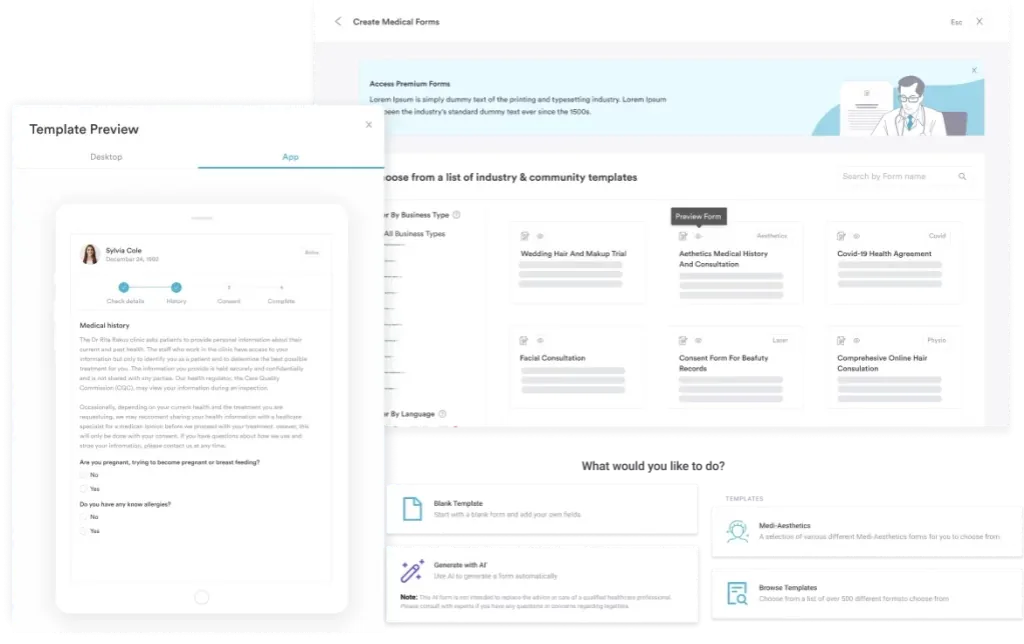
Add four required fields to your EP note template: device type, EP indication, curve design, and peel-away confirmation. Coders stop querying, and auditors stop finding surprises.
Run the device line through this check while the claim is still open.
C1892 is a device code, so it never stands alone. Pair it with an ICD-10-CM diagnosis that supports the EP procedure documented in the note.
One trap sits inside this family. I47.1 and I47.2 are parent codes, and neither is billable any more. A claim carrying either one fails the edit, so use the five-character code that matches the arrhythmia the physician documented.
Payer policy can differ from this list as well. Confirm the diagnosis against the LCD that applies to the procedure before you submit.
Two codes sit close enough to C1892 to cause trouble on a busy list. A third turns up in the same cath lab and looks similar on a charge sheet.
Charge capture is where these get mixed up. An EP case can use more than one access device, and the note has to account for each. Undercoding costs revenue. Overcoding creates audit exposure. Both start with a note that lists fewer devices than the tray held.
Device coding breaks at a handoff. The procedure team writes the note in the lab, and the billing team reads it days later. Whatever the note leaves out becomes a query, and every query pushes the claim further from the date of service.
Practice management software like Pabau closes that distance for outpatient practices. The treatment note, the consent form, and the invoice sit in the same patient record. Nobody rekeys a device detail from one system into another.
Pabau’s claims management tools then check each claim against the fields the insurer requires, such as membership numbers and authorization codes. Catching a blank field on screen costs a minute. Catching it in a rejection costs three weeks.
Pabau is built for outpatient practices rather than hospital billing departments. Procedure-led teams in regenerative medicine and sports medicine run the same loop every day. Document the device, capture the charge, then send a clean claim.

Pabau brings treatment notes, documents, and billing into one patient record, and checks insurer-required fields before a claim goes out. That means less rework and fewer rejections.

C1892 rarely fails on the coding. It fails on the note. When the physician writes introducer sheath and stops there, no coder can defend the choice between C1892 and C1893.
So the work sits upstream of billing. Give the lab a note template that forces the peel-away answer, and the device line stops being a judgment call. Read Addendum B once a year, and the payment side stops surprising you.
Book a demo to see how Pabau keeps procedure notes and claim submission in one system. Fewer claims come back for missing detail.

Billing another implant-heavy case this week? CPT code 20937 sets out the documentation and unit rules for autograft harvesting in spine surgery.
Need the rules for a graft procedure? CPT code 15201 covers full thickness skin graft billing, including how the units are counted.
Coding a percutaneous tendon procedure? CPT code 27606 walks through Achilles tenotomy billing and the documentation payers look for.
Coding a follow-up lip injury visit? ICD-10 code S00.501D for lip injury explains the seventh-character detail that marks this as a subsequent encounter.
Coding an unspecified head injury? ICD-10 code S09.90XA for head injury explains what unspecified covers here and when the initial encounter code applies.
Yes. The device code never stands alone. Report it alongside the CPT code for the EP study, ablation, or lead implant performed that day. C1892 describes the sheath, and the CPT code describes the work. Both belong on the same UB-04 claim.
It depends on the contract. Some commercial plans follow Medicare OPPS rules and accept C-codes as written. Others want the device reported under a revenue code only. Check the payer’s outpatient facility policy before you submit.
A C-code reports a device or supply under the hospital outpatient payment system. A CPT code reports the procedure the physician performed. An EP claim usually carries both. C-codes are also Medicare-specific, while CPT codes travel across payers and settings.
Read the remark code first. A packaged device line shows no payment by design, which can look like a denial. If the line was genuinely denied, confirm the note documents the peel-away attribute and that the setting was a hospital outpatient department. Then correct and resubmit, or appeal with the operative note attached. Common claim denial codes explain that remark before you resubmit or file the appeal.
Coding references list C1892 as active for 2026. Confirm it against the CMS HCPCS annual update file for the year you are billing. C-codes are temporary by design, and CMS revises the set every year.



