



HCPCS code E0198: Water pressure pad billing guide
HCPCS code E0198 is a water pad for a standard mattress HCPCS code E0198 is the ...

Last Updated: Oct 13, 2026

CPT Code 20937 covers autograft harvested for spine surgery, morselized in form, through a separate skin or fascial incision.
It is a modifier 51-exempt add-on code, always billed alongside a primary spinal fusion procedure such as 22551 or 22612.
The 2026 Medicare facility rate is roughly $130 to $160. Confirm it in the CMS Physician Fee Schedule before you submit.
The operative note must name the donor site, describe morselized cancellous chips, and state that a separate incision was made.
Practice management software like Pabau surfaces eligible add-on codes when a primary spine procedure is selected, so charges are not missed.
CPT Code 20937 is an add-on code for autograft harvested during spine surgery, morselized in form, through a separate skin or fascial incision. It is reported alongside the primary spinal fusion code and is never billed on its own.
It is also one of the most underbilled codes in spinal fusion cases. Coders either confuse it with 20936 or forget to attach it once the primary fusion code is submitted.
Below you will find the AMA descriptor, the add-on billing rules, and the modifiers that apply. The reference also covers 2026 Medicare rates, the ICD-10 crosswalk, documentation standards, and NCCI bundling edits.
The American Medical Association gives CPT Code 20937 this descriptor. Autograft for spine surgery only (includes harvesting the graft); morselized, through separate skin or fascial incision. Per the AMA’s CPT code set, it is a supplementary code listed separately in addition to the primary spine surgery code.
Three elements must be present for this code to apply. The graft has to be autogenous, meaning it comes from the patient’s own body. It has to be morselized, which means cancellous chips rather than a structural block. It also has to be harvested through an incision separate from the primary surgical wound.
All three conditions must be met in the same operative session. If any one is absent, a different code in the 20930-20938 family applies. A morselized graft taken from a donor bank rather than the patient is code in the 20930-20938 family.
The most common harvest site is the posterior iliac crest, though any anatomically appropriate donor site qualifies as long as a separate incision is made. This is the key clinical distinction between 20937 and 20936, where local graft material is gathered through the existing operative wound.
CPT 20937 carries the (+) add-on designation in the AMA code set. This has concrete billing consequences. The code cannot be submitted alone. It must accompany a primary spine surgery code on the same claim, same date of service, and same operative session.
Add-on codes are modifier 51-exempt by definition, so you never append modifier 51 to 20937. Applying it signals that the payer should reduce reimbursement. That cuts your payment and flags the claim for review.
The codes below travel with CPT 20937 on a spine claim. The first three are primary arthrodesis codes. The last two are add-on instrumentation codes that attach to the arthrodesis code, exactly as 20937 does.
Neither 22842 nor 22840 satisfies the primary-procedure requirement for 20937, because both are add-on codes themselves. A primary arthrodesis code still has to appear on the claim. Once it does, 20937 and the instrumentation add-ons can all be reported, provided the graft documentation supports it.
Modifier rules for add-on codes differ from standard CPT codes. The table below covers the modifiers most relevant to 20937 billing.
Modifier 59 and the X modifiers decide whether a 20937 line survives a bundling edit. Payer policies differ on which of the two they accept. Check the payer’s spine surgery billing policy before you append either one.
Run a modifier audit on your last 90 days of 20937 claims. Filter for any line items where modifier 51 was appended to 20937 or any add-on code. Each occurrence signals an incorrect claim submission that may have reduced your reimbursement. Request adjustments with corrected claims where the payment was reduced.
Medicare payment for 20937 is set annually through the Medicare Physician Fee Schedule (MPFS). Because 20937 is an add-on code performed in a surgical setting, it is almost always reimbursed at the facility rate rather than the office rate.
Verify current figures with the CMS MPFS lookup tool before submitting claims. The FastRVU 2026 RVU lookup carries the current work and total RVU values.
The table below reflects approximate 2026 MPFS values based on published CMS data. Rates are subject to the final CMS rule and to geographic adjustors. Always confirm the figure for your own locality.
Private payer rates vary considerably from Medicare and are negotiated separately under provider contracts. Benchmarking them against MPFS data is what shows you where a spine contract is underpaying.
Medical necessity for autograft harvesting comes from the primary diagnosis on the claim, not from a separate diagnosis for the harvest itself. The ICD-10-CM codes below commonly support claims that carry CPT 20937. Coverage determinations are payer-specific, so treat this table as illustrative rather than a guarantee.
Sixth-character specificity is where lumbar stenosis claims fail. M48.06 is a parent code and is not billable, so the claim needs M48.061 or M48.062 depending on neurogenic claudication.
Practices managing musculoskeletal and spine caseloads benefit from musculoskeletal EMR tools that build ICD-10 support into the clinical workflow. Matching the diagnosis code to documented findings is what carries medical necessity.
The most common reason 20937 claims are denied on post-payment audit is thin operative note documentation. The operative report has to establish all three code-qualifying elements. Incomplete records are a compliance risk even when the procedure was performed correctly.
Check the operative note against this list before any 20937 claim goes out:
Structured clinical documentation tools that carry the surgical template into the post-op note cut the missing detail that triggers denials. When the template makes the surgeon confirm graft type, form, and incision site, an incomplete note becomes the exception.
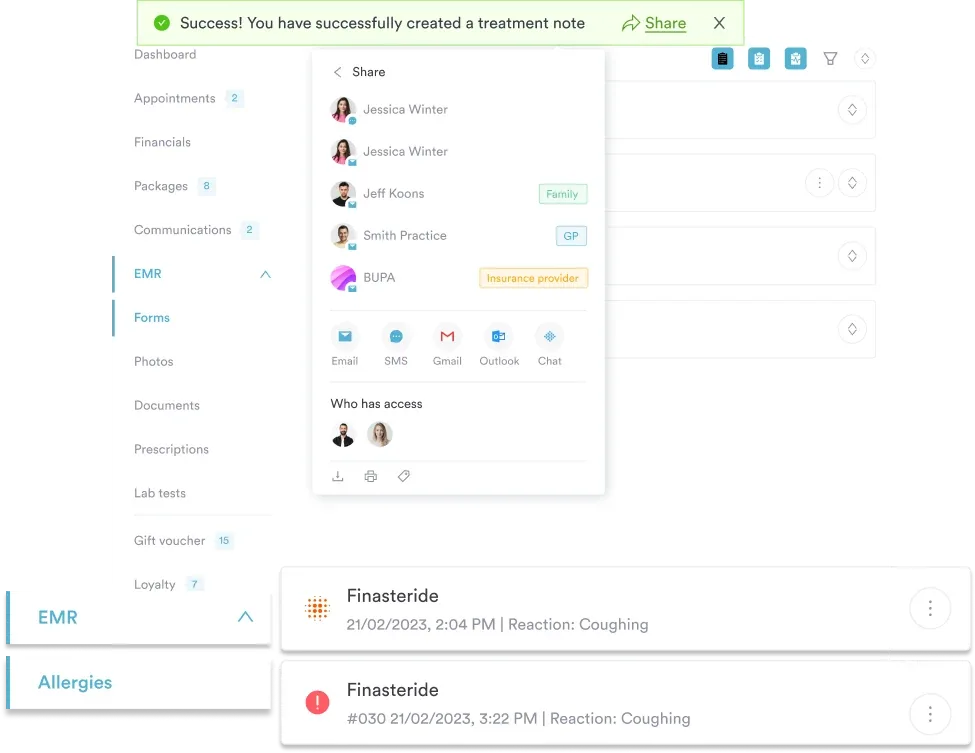
The National Correct Coding Initiative (NCCI) and standard payer edits generate most 20937 denials. Spine, orthopedic, and sports medicine practices see the same handful of errors repeat.
Recognizing the patterns ahead of time is far cheaper than working denials after the fact. Robust practice management software with built-in claim scrubbing catches most of them before submission.
The 20930-20938 family covers the range of graft types used in spine surgery. Choosing the wrong code inside this family is one of the most audit-prone errors in fusion billing. The AAPC’s CPT code lookup tool compares descriptors across related codes.
The choice between 20937 and 20938 comes down entirely to graft form. Morselized cancellous chips are 20937. A structural corticocancellous block through the same separate incision is 20938. Structural allograft taken from a donor bank is 20931.
CMS NCCI edits define which code pairs can be billed together. For 20937, the critical rules concern its relationship to 20936. CMS generally does not permit billing a separate-incision autograft and a local autograft for the same levels on the same date. The edit reflects that one graft harvest should be coded once.
There is an important distinction between what NCCI edits permit and what counts as unbundling. Billing 20936 and 20937 separately when only one graft was harvested is unbundling.
The Office of Inspector General (OIG) monitors that pattern in high-volume spine practices. Billing workflows that tie code selection to the operative note are the most reliable way to pass an audit.
Verify current NCCI edit pairs through the ResDAC coding resources page, which links to the current CMS NCCI table files. NCCI edits are updated quarterly and code pairs shift over time.
Add-on code management is where manual billing workflows break down. A coder working from a paper superbill has to remember 20937 every time the primary fusion code is selected. They also have to verify modifier exemption, confirm the primary code is present, and check NCCI pairs. Each step is a potential failure point. Choosing a level means weighing problems addressed, data reviewed and risk, which is what MDM documentation covers. Tracking which plans carry an authorization requirement for a service saves the appeal later.
Pabau’s claims management software ties add-on code pairing to the primary procedure selection. When a spine fusion code is entered, eligible add-ons including 20937 are surfaced, so the charge is captured rather than missed. Built-in claim scrubbing flags known NCCI conflicts before the claim leaves the practice.
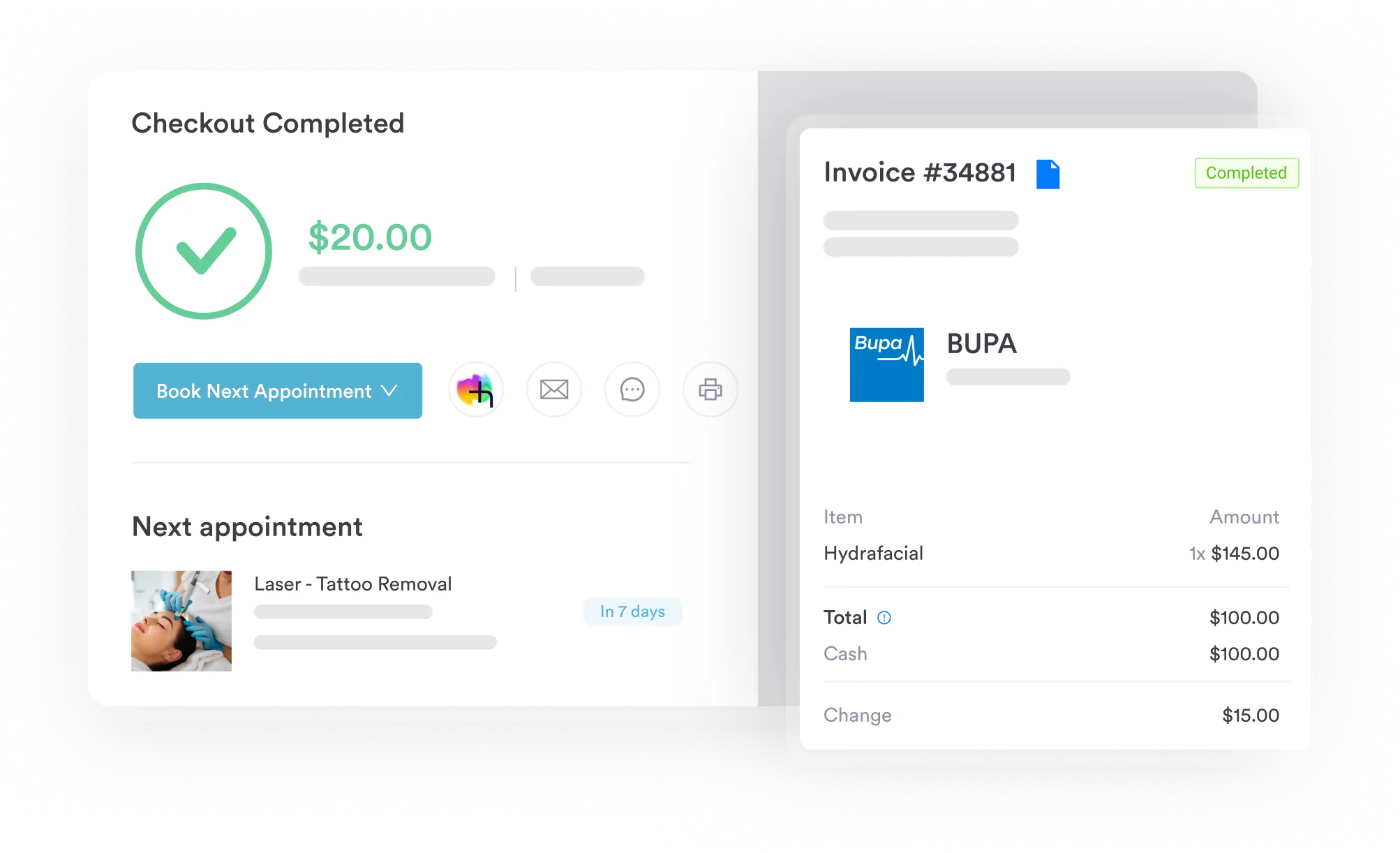
Automated workflows also build denial analytics over time. Practices can then see whether 20937 denials cluster around thin documentation, modifier errors, or a missing primary code. That moves the team from reactive rework to process improvement.
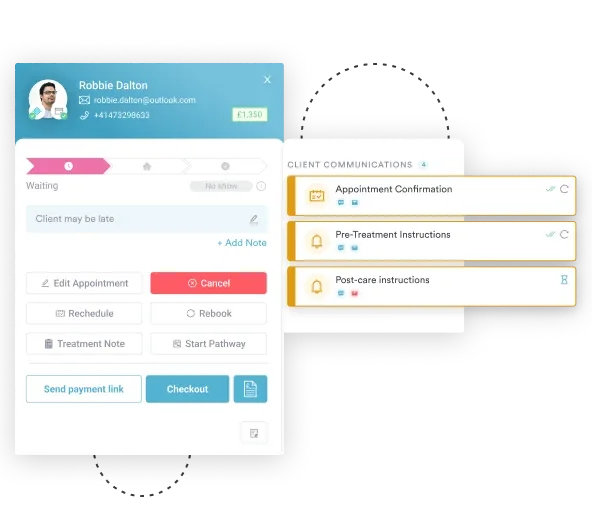
For teams building out surgical billing workflows, the join between the operative note and the submitted claim is the weak point. Medical practice management software that ties clinical documentation to charge capture closes it.

Pabau’s claims management software surfaces eligible add-on codes like CPT 20937 when a primary spine procedure is selected. Capture every billable code, cut denials, and submit cleaner claims.

Getting 20937 right is a documentation problem before it is a coding problem. If the operative template forces the surgeon to name the donor site, the graft form, and the separate incision, the code follows on its own.
The trade-off worth remembering is that 20937 adds roughly $150 to a case, while a post-payment audit costs far more. Bill it every time it is earned, and only when the note proves it.
Pabau’s claims management software automates add-on pairing and modifier rules for spine billing, which removes the manual steps where errors enter. Book a demo to see how it handles 20937 and the rest of the 20930-20938 family.

Coding a thoracic spine osteotomy? 22212 covers the descriptor, the modifiers, and the operative detail payers expect to see.
Billing a graft outside the spine? 21179 covers forehead reconstruction with grafts, where the same graft-source documentation rules apply.
Coding nephritis that is not clearly acute or chronic? ICD-10 code for tubulo-interstitial nephritis covers this FY2026 billable code for when the record does not support an acute or chronic label.
Coding kidney ischemia and infarction? ICD-10 code for kidney infarction covers this billable, specific code within the kidney disorders block of chapter 14.
Coding a kidney disorder that needs sequencing? ICD-10 code for kidney and ureter disorders covers why this manifestation code needs the underlying disease coded first to avoid denial.
CPT Code 20937 is an add-on code for harvesting a morselized autograft for spine surgery through a separate skin or fascial incision. It is reported in addition to the primary spinal fusion procedure and cannot be billed alone. The code covers the whole harvest, including the separate incision and graft preparation.
Yes. CPT 20937 carries the (+) add-on designation in the AMA CPT code set. It must always be reported alongside a primary spine surgery code on the same claim and same date of service. It is also modifier 51-exempt, so that modifier should never be appended to it.
CPT 20936 reports local autograft harvested through the same incision as the primary spine surgery. CPT 20937 requires a separate skin or fascial incision for the harvest. Both codes report morselized autograft for spine surgery, so the incision type is what decides which one applies. Using the wrong code is the most common error in this family.
The 2026 Medicare facility reimbursement for CPT 20937 is roughly $130 to $160. The exact rate varies by geographic locality and is subject to the final CMS MPFS rule. Verify the current figure with the CMS Physician Fee Schedule lookup tool before submitting claims, because rates are updated annually.
Generally no. NCCI bundling edits restrict billing both 20936 and 20937 for the same spinal procedure at the same levels on the same date of service. Billing both without clinical justification for two distinct harvests is unbundling, which the OIG treats as a compliance risk.
The operative note must confirm four things. The graft has to be autogenous and morselized rather than a structural block. A separate skin or fascial incision has to be described for the harvest. The primary spinal fusion procedure has to be documented too. All four elements must be explicit to withstand an audit.
Medical necessity comes from the primary spinal diagnosis, not from the graft harvest itself. Lumbar cases commonly use M43.16 for spondylolisthesis, M47.26 for spondylosis with radiculopathy, and M48.061 for stenosis. Cervical cases commonly use M50.12 for disc disorder with radiculopathy. Coverage determinations are payer-specific and should be confirmed before submission.



